" We don't sell the wine without touching the vine "

Wimmer Zweigelt Classic is made from 100 percent Zweigelt.
This variety was created in 1922, when Dr. Fritz Zweigelt crossed two grapes - St Laurent and Blaufrankisch.
The wine boasts a deep and concentrated red color. It offers fruity, fresh and spicy aromas, cherry flavors. In the mouth it is smooth, medium-bodied, round and lively.
Malolactic fermentation. Aged 50% stainless steel, 50% oak barrels just for maturation (size 3000 liters).
Full-bodied, smooth and round, the wine is an ideal food companion.

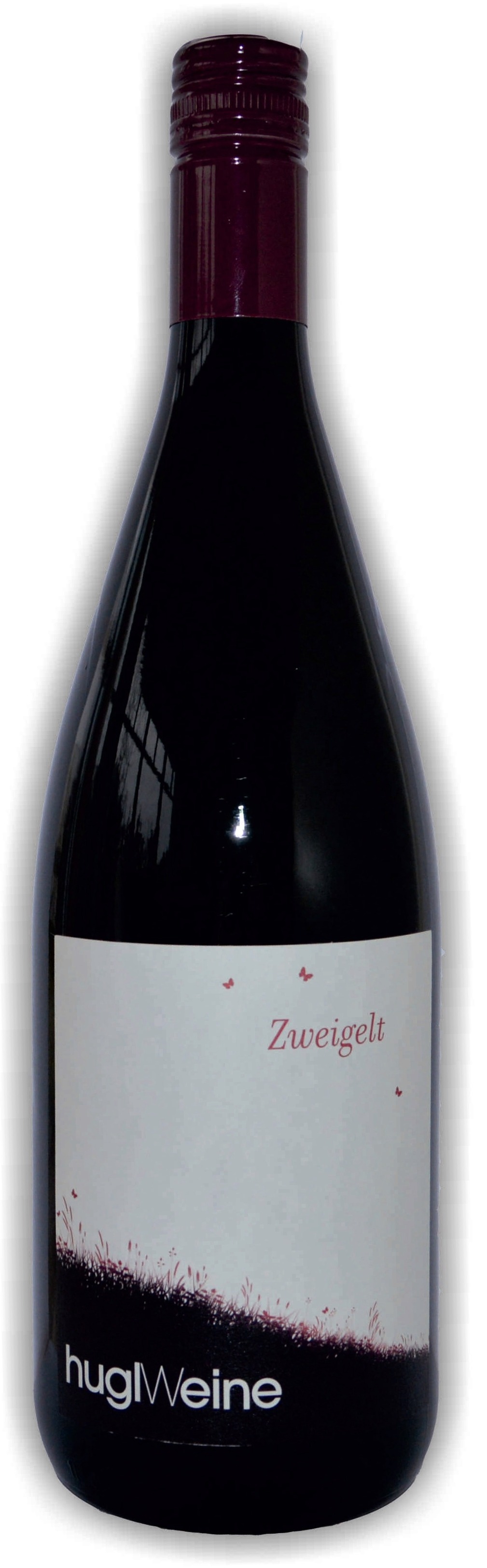
Hugl Zweigelt Classic is made from 100 percent Zweiglt.
Despite its relative youth, Zweigelt is actually an Austrian classic. This variety was created in 1922, when Dr. Fritz Zweigelt crossed two grapes - St Laurent and Blaufränkisch. Originally, it was intended for the new variety to be called Rotburger, referring to the place where it was born, Klosterneuburg. But this name never took hold, and instead, Zweigelt was named after the man who was the key in its development.
Today, Zweigelt is the most widely planted red variety in Austria, growing in nearly 9% of this country's vineyards. It is a robust grape, highly resistant to dryness, frost and various diseases.
The wine boasts a concentrated color, fruity and spicy aromas, cherry flavors. Full-bodied, smooth and round, the wine is an ideal food companion.
Hugl Zweigelt Classic 2024 is made from Zweigelt.
Despite its relative youth, Zweigelt is an Austrian classic. The variety was created in 1922 when Dr. Fritz Zweigelt crossed St. Laurent and Blaufrankisch. Today it is the most widely planted red variety in Austria - a robust grape, highly resistant to dryness, frost and disease.
The wine shows a concentrated color, fruity and spicy aromas and cherry flavors. Full-bodied, smooth and round, it is an ideal companion at the table. Bottled in a 1-liter format.

Wimmer Sylvia Gruner Veltliner is made from 100 percent Gruner Veltliner.
Wimmer is Sylvia's nee name and the grapes for the Wimmer Grüner Veltliner still come from the original Wimmer vineyards
Tasting notes: Fine aromatic nose with elegant fruit, subtle minerality, delicately juicy with a firm acid structure, fresh and radiant, long, well-balanced finish, appealing and lively. Full bodied and a lingering finis

Despite its relative youth, Zweigelt is actually an Austrian classic. This variety was created in 1922, when Dr. Fritz Zweigelt crossed two grapes - St Laurent and Blaufränkisch. Originally, it was intended for the new variety to be called Rotburger, referring to the place where it was born, Klosterneuburg. But this name never took hold, and instead, Zweigelt was named after the man who was the key in its development.
Today, Zweigelt is the most widely planted red variety in Austria, growing in nearly 9% of this country's vineyards. It is a robust grape, highly resistant to dryness, frost and various diseases.
The wine boasts a pale rosé color, it has plenty of fruity aromas, with red cherry and wild strawberry flavors. It is medium-bodied, but it still have a nice long and pleasant finish with a light cinnamon type of spice to it.
Only the best grapes are harvested with a lot of experience and know-how and further processed. The grapes are fermented directly gently pressed and cooled. The fermentation takes place exclusively in stainless steel tanks.
Perfectly at home on any picnic, delicious with fried chicken, and tames the heat when paired with spicy dishes. There is also a slight watermelon note that makes it perfect for spring and summer. A great pairing with barbecued shrimp.
Wimmer Zweigelt Classic is made from 100 percent Zweigelt.
This variety was created in 1922, when Dr. Fritz Zweigelt crossed two grapes - St Laurent and Blaufrankisch.
The wine boasts a deep and concentrated red color. It offers fruity, fresh and spicy aromas, cherry flavors. In the mouth it is smooth, medium-bodied, round and lively.
Malolactic fermentation. Aged 50% stainless steel, 50% oak barrels just for maturation (size 3000 liters).
Full-bodied, smooth and round, the wine is an ideal food companion.
The Wimmer Estate
The young family owned and run winery is situated in the northern part of Austria known as the Weinviertel, in the wine city of Poysdorf. The wine-growing tradition goes back to 1724.
Their aim is to produce fruity, elegant wines, rich in finesse, that reflect and express the terroir of the Weinviertel area. They take pride in using only the best grapes combined with experience, know-how and dedication.
The Wimmer Vineyard
Deep loess and clayey soil, carefully chosen areas, plenty of sunshine and a sustainable viticulture are the ingredients of their fruity, lively white wines. The vineyards cover an area of about 20 hectares. They further work with carefully selected vintners who produce another 15 hectares of grapes for them.

Weinkeller Erbach Riesling (liter) is 100 percent Riesling.
Round and refreshing wine with light touches of lemon and lime on the nose. Slightly sweet mouthfeel, with juicy and fruity flavors.
Wimmer Zweigelt Classic is made from 100 percent Zweigelt.
This variety was created in 1922, when Dr. Fritz Zweigelt crossed two grapes - St Laurent and Blaufrankisch.
The wine boasts a deep and concentrated red color. It offers fruity, fresh and spicy aromas, cherry flavors. In the mouth it is smooth, medium-bodied, round and lively.
Malolactic fermentation. Aged 50% stainless steel, 50% oak barrels just for maturation (size 3000 liters).
Full-bodied, smooth and round, the wine is an ideal food companion.

Pio Cesare Ornato Barolo is made from 100 percent Nebbiolo.
Vineyards
The very first Single Vineyard Barolo produced by the Pio Family, for the first time in 1985. Great structure, power, concentration, with a very long life. Produced in small quantities.
Vinification
In stainless steel tanks at high temperatures. Maceration for 30 days. Ageing In large oak “botti” for about 30 months; a small amount in French oak barriques for the first 12 months.
Review:
-James Suckling 96 Points

Chateau Hallet Sauternes is made from 100% Sémillon.
Golden in the glass, it offers delicate aromas of honey, citrus, candied fruit and acacia blossom. Lusciously sweet yet beautifully balanced, it is a natural match for foie gras, roasted meats and blue cheeses — and makes a gorgeous aperitif served well chilled.