" We don't sell the wine without touching the vine "
| BUY MORE! SAVE MORE! | ||||||||||||||||||||
|
| Country: | Italy |
| Region: | Marche |
| Winery: | Zaccagnini |
| Grape Type: | Verdicchio |
| Vintage: | 2022 |
| Bottle Size: | 750 ml |
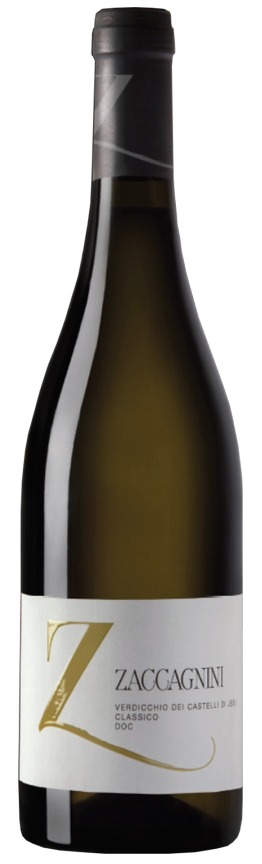
Zaccagnini Verdicchio dei Castelli di Jesi 100% Verdicchio.
Verdicchio is an historic wine that has been made since the 1400’s. There is an ancient bond between the Verdicchio vine and the region of Le Marche, a seaside province on the Adriatic sea, which stems from a cherished relationship with the Benedictine, and later the Camaldolese, Monks. The monks helped spread Verdicchio vines – which had been present for centuries – as well as viticultural-oenological techniques throughout the Marche region. The efforts of the monks, along with improvements in the quality of the vines & vinification methods, have allowed Verdicchio to thrive for centuries. At one time, Verdicchio measured 65,000 hectares (158,080 acres) of grapes throughout Italy.
Verdicchio means “little green one”, in reference to the grape and the color of the resulting wine. The Verdicchio grape – which also goes by Giallo and Turbiana (Lake Garda) – is grown across Italy, and it is closely related to Trebbiano and Greco. The grape is subject to mutations.
The wine is refreshing, exhibiting lemon citrus flavors, aromas of flowers and apples, with herbaceous qualities.
In 1973 the Zaccagnini brothers established their Azienda Agricola (farm company), driven by a hobby, that became a real passion over time. Mario devoted himself to this activity and passed on his passion to daughter Rossella and to Franco, making the farm a 100% family-owned estate. In recent years spectacular improvements in product quality have been obtained thanks to a careful selection of the grapes, to the research and new technologies.
The Salmàgina vineyards extend to 42 hectares in the Municipality of Staffolo, Ancona, 500 meters above sea level. The strategic climate and particular soil that has been rich in iodine in the recent past, combined with the hard work of Zaccagnini, allowed to obtain great and distinctive wines (for example the excellent quality of "Verdicchio"). The vineyard colors the fields, leaving uncultivated spaces to the historical remnants of Mediterranean maquis, aligned to the west, protected from the north wind and from the dangers of bad weather.
For the last 10 years the Zaccagnini Azienda Agricola has been practicing clone experimentation of native varietals, fermentation temperature control and microbiogically sterile bottle filling. Through these important researches, thanks to an accurate grapes selection and the long experience in this field, the quality of Zaccagnini wine has achieved spectacular improvements.
Zaccagnini Verdicchio dei Castelli di Jesi 100% Verdicchio.
Verdicchio is an historic wine that has been made since the 1400’s. There is an ancient bond between the Verdicchio vine and the region of Le Marche, a seaside province on the Adriatic sea, which stems from a cherished relationship with the Benedictine, and later the Camaldolese, Monks. The monks helped spread Verdicchio vines – which had been present for centuries – as well as viticultural-oenological techniques throughout the Marche region. The efforts of the monks, along with improvements in the quality of the vines & vinification methods, have allowed Verdicchio to thrive for centuries. At one time, Verdicchio measured 65,000 hectares (158,080 acres) of grapes throughout Italy.
Verdicchio means “little green one”, in reference to the grape and the color of the resulting wine. The Verdicchio grape – which also goes by Giallo and Turbiana (Lake Garda) – is grown across Italy, and it is closely related to Trebbiano and Greco. The grape is subject to mutations.
The wine is refreshing, exhibiting lemon citrus flavors, aromas of flowers and apples, with herbaceous qualities.
Cantina di Verona Valpolicella Ripasso Superiore Vallis Dei is made from 70% Corvina Veronese, 25% Rondinella, 5% Molinara
Color: intense red ruby
Nose: winey, fruity with hints of oak. Some spice and vanilla.
Mouth: It is well balanced with round tannins.
Yield: 10000 kg of grapes per hectar – after which the grapes are dried “appassimento”
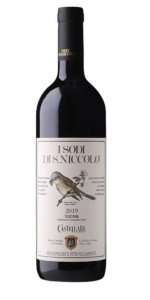
Castellare di Castellina 'I Sodi di San Niccolo' Toscana IGT is a blend of Sangioveto (85%-90%) and Malvasia nera (15-10%)
Castellare’s top wine, ranked in the Wine Spectator Top 100 on multiple occasions and recognised with the prestigious Gambero Rosso’s Tre Bicchieri and Bidenda’s Cinque Grappoli ratings. The company takes great pride in demonstrating the greatness of the Sangioveto variety, paired with Malvasia Nera, achieving a worldwide position of sixth place.
Pairs well with cold cuts and meat rich in flavour, cheeses with a strong and aromatic taste, in particular, Pecorino Toscano and Parmigiano.
The masterpiece of Castellare, I Sodi di San Niccolo, has twice placed in the top 100 of Wine Spectator, and has been awarded “Three Glasses” by Il Gambero Rosso.
I Sodi di San Niccolo is produced solely with native varieties: 85-90% of Sangioveto and 10-15% of Malvasia Nera, I Sodi comes from the two best crus of the farm.
The word "I Sodi" was used by the Tuscan farmers to describe those grounds which had to be processed by hand, being too hard (in fact firm) or too steep to allow for the employment of the horses, unlike the "fields" that make the grounds more easily cultivable.
Reviews:
Clear ruby with a fine garnet sheen. Impressive nose, very finely drawn, aromas of juicy cherries, blood orange and dried thyme, some liquorice in the background. Polished and precise from the attack to the finish, finely-meshed, very well-integrated tannins, flows beautifully, finely worked out fruit, long finish.
-Falstaff 97 Points
Complex and deeply embedded aromas of ripe blackberries, spices and aromatic bark. Full-bodied and very firm for now, with impressive concentration of fruit and tannin. Very long, balanced finish. Great to taste now, but this is one for the cellar. Patience will be rewarded. Sangiovese and malvasia nera. This has always been a top Tuscan red. Best from 2027.
- James Suckling 96 Points
Super fragranced nose, patchouli, pot pourri, Turkish Delight, rose with caramelised red berries and a touch of smoke and incense - all quiet forward and expressive. The nose alone you could smell for hours such is its complexity and beguiling nature. Powerful and concentrated on the palate, this is broad and muscular, sinewy with depth and determination. Tannins are well integrated, really giving the support to the fruit and acidity, driving the flavours forward despite the clear weight and hold. Fragranced red berries continue on the palate with a touch of stone, graphite and matchstick. Rich and big on the mid palate, becoming more focussed towards the finish. Cleary well made with lots going on. Acidity is great, it's cool, clean, sleek and packed full of flavour. Almost too much, this is a big wine, so needs time, but has lots of appeal and mouthwatering freshness throughout. Released on the 9th March. Director and winemaker Alessandro Cellai.
- Decanter 96 Points
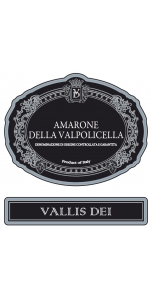
Cantina di Verona Amarone Valpolicella Vallis Dei is made from 65% Corvina Veronese, 30% Rondinella, 5% Molinara
Color: deep ruby red
Nose: Dried prune and blackberry with hints of vanilla and spice
Mouth: It is generously structured and velvety.
Yield: 8000 kg of grapes per hectar – after which the grapes are dried “appassimento”
Grapes are raisin-dried for at least 4 months after harvesting, losing at least 40% of their weight. It is made from selected grapes which are left to dry on racks in specially ventilated rooms until the end of winter.
Fermentation temperature between 18° and 22°C
Maceration time: 20 days
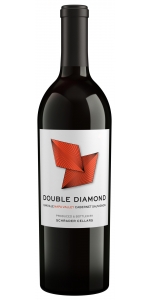
Double Diamond by Schrader Oakville Cabernet Sauvignon is made from 100 percent Cabernet Sauvignon.
Barrels: 54% new French oak, 46% second-use Schrader Darnajou French Oak
The 2022 Cabernet Sauvignon offers concentration, lively acidity, and refined tannins that have become the hallmark of the 2022 vintage. The nose holds notes of black raspberry, toasted cedar, juicy plum, and pennyroyal mint—a Napa Valley Cabernet Sauvignon signature. The palate is mouthwatering with intricately woven layers of blackberry compote, dark chocolate shavings, oolong tea, and flint. The dynamic flavors carry across the mid-palate in vivid harmony into a long, floral finish. This wine is ready to drink upon release but will cellar well for years to come.
Double Diamond is sourced exclusively from a complement of prime vineyard estates. Sourced from the same famed vineyards as its beloved inspiration Schrader Cellars in Napa Valley’s world-renowned Oakville AVA, including our To Kalon Vineyard.
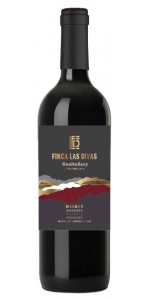
Finca las Divas Malbec Reserve Gualtallary 2022 is 100% Malbec.
Named in honor of different divas because of the detailed attention to each varietal and plot, consequence of the terroir, origin of the Andes slopes.
Deep violet red in color, its aromas are intense and concentrated, with hints of black and red fruits with smoky touches obtained during its oak aging.
In the mouth it is persistent, full of juicy yet firm tannins and balanced acidity. It is frank and expressive, modern and of great personality.
Pairs with red meat, pasta with tomato sauce and hard cheeses.
Review:
"José Hernández Toso only uses grapes from Block Two of his Finca Las Divas to produce this good-value, well-balanced Malbec. Lightly wooded in foudres and older barrels, it has appealing blackberry and blood orange flavours, granular tannins and impressive concentration and underlying grip. 2026-31."
Tim Atkin (April 2025), 91 pt
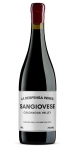
La Despensa Boutique Sangiovese is made from 100 percent Sangiovese.
There's really very little Sangiovese in Chile. It was an educated gamble to plant this variety in La Despensa little corner of Colchagua and the team is thrilled with the results.
This Sangiovese is a fresh and fruity take on a classic Italian variety, but with the typical savoury notes of tomato and cherry. Perfect for early drinking, but will improve for many years to come.
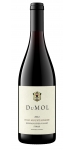
Deep inky dark fruit aromas alongside gravelly minerals, violet, and Kalamata. The palate flavors follow the aromas with a sweet core of blackberry pastille wrapped up in a coating of cocoa nib and cassis liqueur. The wine is quite densely packed with clear deep intensity before turning silky and graceful on an elegant lavender-infused finish.
Review:
The 2022 Syrah Wild Mountainside comes from two vineyards harvested on September 6 and September 15. It was fermented with a large proportion of whole clusters and matured in around 10% to 15% new oak. The nose is bursting with detailed, expressive aromas of blueberry, black cherry, bacon fat, woodsmoke and aniseed. The medium-bodied palate is expertly restrained in terms of ripeness, with a pleasing touch of crunch to its fruit. It's structured by powdery tannins and mouthwatering acidity and has a long, expressive finish.
- Robert Parker's Wine Advocate 94 Points