
" We don't sell the wine without touching the vine "
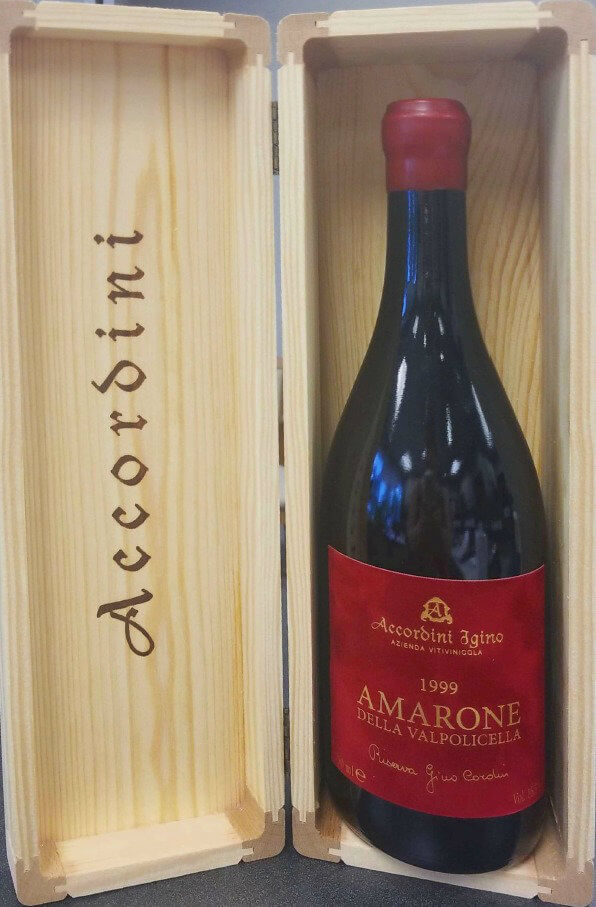

Antica Vigna Amarone della Valpolicella Riserva is made from 65% Corvina, 20% Rondinella, 10% Corvinone, 5% Merlot.
Amarone DOCG has maintained unchanged its typicality, so that “the essence of the territory” of Valle di Mezzane and Cazzano di Tramigna powerfully emerges. Rich in color, firmly structured but with fresh notes.
WINEMAKING AND AGING:
Manual harvest early October with selection of the best bunches.
Drying: natural drying in fruit cellar for 3/4 months with a sharp drop in weight of around 30%.
Vinification: soft crushing of destemmed grapes in the months of January and February.
Fermentation: at a controlled temperature of 18/21°C. Fermentation time: about 30 days
Aging:· 80% in oak barrels for 30 months of which 2/3 in American and French barriques, half of which are used for the second and third time, 1/3 in large
THE TERRITORY:
Geographical location: Tenuta di Mezzane, Tenuta di Cazzano di Tramigna
Height: 350/400 meters asl
Exposure: south
Soil type: limestone
Vineyard training system: guyot and pergola
Vine planting year: from 1972 to 2009
Vine density: 4,000 to 5,400 vines per hectare Vineyard management: sustainable agriculture and great attention to natural
cycles
Pairs well with grilled and roasted meats, as well as cheese.
Timeless Notes:
Dark cherry in color, firm on the palate with a vibrant acidity underbelly. Thought lush on the palate the flavors are complex and elegant from entry to mid-palate with hints of currant and wild berries. The finish brings in a touch of tobacco and leather notes ,classic examples of this region, with more ripe fruit flavors that linger on long strain tannin finish. Complex with depth and elegance on the palate. This one is drinking now, but can handle more time in the cellar with ease. An excellent value in the Riserva category.

Ruby red in color, this Amarone Riserva offers dense and smokey aromas of dark cherries, raisins, chocolate, and anise, framed by fruity tannins and a spicy finish. With the level of complexity and balance that this wine shows, it will evolve beautifully for 10+ years.
Review:
Dense garnet, with a nose of walnut husks, toasted black pepper, sour cherries and ash. Smooth and soft on the palate, with a full body and ripe, silky tannins balanced by zesty acidity. Lovely fruit with an extremely long, nutty aftertaste.
-James Suckling 95 Points

Intense ruby red color. Hints of spices, fruit and flowers, a bouquet that reflects the soil on which it is born, rich in Alberese. In the mouth it is soft, with a pleasant acidity that makes the wine fresh and lively. Sweet and ripe tannins give the wine a pleasant persistence. Riserva dei Colli is an excellent expression of the Estate's Sangiovese, so much so that it bears its name.
Review:
Bordering on opulent, this red features blackberry, black currant, plum, iron and spice aromas and flavors, matched to a velvety texture. Firms up as the resonant tannins emerge, yet remains harmonious and long. Drink now through 2032. 1,700 cases made, 570 cases imported.
-Wine Spectator 93 Points

Cantina di Verona Amarone Valpolicella Vallis Dei is made from 65% Corvina Veronese, 30% Rondinella, 5% Molinara
Color: deep ruby red
Nose: Dried prune and blackberry with hints of vanilla and spice
Mouth: It is generously structured and velvety.
Yield: 8000 kg of grapes per hectar – after which the grapes are dried “appassimento”
Grapes are raisin-dried for at least 4 months after harvesting, losing at least 40% of their weight. It is made from selected grapes which are left to dry on racks in specially ventilated rooms until the end of winter.
Fermentation temperature between 18° and 22°C
Maceration time: 20 days

Capanna Brunello di Montalcino Riserva 2015
TYPE: DOCG
BLEND: 100% Sangiovese carefully selected in the oldest vineyards and only of the best harvests.
VINIFICATION:
Alcoholic fermentation with maceration of the skins (30-35 days) at a controlled temperature and spontaneous malolactic fermentation, both in truncated cone-shaped Slavonian oak vats.
AGEING:
In Slavonian oak casks of 10 to 25 hl for over 40 months; followed by ageing in bottles for at least 15 months.
NOTES:
Colour: deep ruby red, strong, lively.
Bouquet: very intense and complex, fruity and spicy, with red fruit, jam and liquorice shades; great prospects of future development.
Taste: great structure in the acid-tannin components, well supported by the soft ones; extremely persistent.
Food pairings: roast red meats, game and very aged cheeses.
Review:
Powerful, sparkling garnet red. Rich, very appealing nose with notes of ripe raspberries and fresh plums, some liquorice and fine spice notes in the background. Grippy, fine-meshed tannin on the palate, builds up in many layers, salty, good tension, very long finish in the finish.
- Falstaff 98 Points
Capanna Brunello di Montalcino Riserva is made from 100 percent Sangiovese.
TYPE: DOCG
BLEND: 100% Sangiovese carefully selected in the oldest vineyards and only of the best harvests.
VINIFICATION:
Alcoholic fermentation with maceration of the skins (30-35 days) at a controlled temperature and spontaneous malolactic fermentation, both in truncated cone-shaped Slavonian oak vats.
AGEING:
In Slavonian oak casks of 10 to 25 hl for over 40 months; followed by ageing in bottles for at least 15 months.
NOTES:
Colour: deep ruby red, strong, lively.
Bouquet: very intense and complex, fruity and spicy, with red fruit, jam and liquorice shades; great prospects of future development.
Taste: great structure in the acid-tannin components, well supported by the soft ones; extremely persistent.
Food pairings: roast red meats, game and very aged cheeses.
Review:
Bright ruby in the glass. First impact is low key, with red cherry, leather, tobacco, fresh violet and balsamic notes. The attack is velvety, with a full body, lifted acidity and dense, ripe tannins. Character emerges from the glass, meaty and bloody. Thick, dry finish that’s fierce. Drink or hold
-James Suckling 95 Points
Black cherry color, pours thick, and with rich flavors. Bing cherries and Kirsch on the nose. Flavors like a ripe Châteauneuf du Pape with ample extract, red liquorice, and a persistent finish.
“This wine rates 95-99 points in quality” – Francis J. Kysela V, MS
The wine is aged 60 months in oak barrels, then aged 24 months in tank, and another 10 years in the bottle before release.
Enjoy it with mature cheeses such as Parmigiano Reggiano and Grana Padano. Goes well with grilled meats, roasts. An excellent sipping wine and a great match with chocolate desserts.
The Accordini Winery
The Accordini Winery is settled in the heart of the classic Valpolicella, Pedemonte. The estate is approximately 25 hectares in Negrar. The Accordini Winery focuses on three varietals: Corvina, Rossignola, Rondinella, Corvinoni, Garganega. The focus is the Ripassa style and Corvina grape, where Accordini dominates.
Guido Accordini, the family’s third generation winemaker, wanted to make the winery a leader in high quality wines production. Guido’s father built a new cellar for this high quality production. Here the most famous “Amarone” was made.
"A tiny Amarone producer of impeccable quality; the Le Bessole bottling has traditional spice, earth notes, and deep fruit; the Riserva is tannic; most of the wines offer elegance and food-friendly acidity."
- Anthony Dias Blue's pocket guide to wine 2006
Some wines from the Accordini Winery:
Any Accordini wines we have in stock are listed below, if you don’t see the wine you are looking for please don’t hesitate to ask for it.

All older vintage wines have been purchased from a single collectors cellar. Pictures can be requested before shipment.

This classy and poised Pinot Noir displays an array of dark berry notes, including raspberry, blackberry, blueberry, and ripe cherry, along with a hint of baking spices. Balanced tension and refined tannins on the palate make the wine both elegant and effortlessly delicious, with subtle flavors of cedar and cassis lingering on the finish.
Review:
Bright and perfumed aromas of raspberries, potpourri and orange peel. The palate is medium-bodied with fine tannins and bright acidity, giving notes of blackberry bush, dried herbs and earth. Balanced and fresh.
- James Suckling 93 Points



