" We don't sell the wine without touching the vine "
| Country: | France |
| Region: | Rhone |
| Winery: | Anne Delaroche |
| Grape Type: | Syrah |
| Vintage: | 2021 |
| Bottle Size: | 750 ml |
Alain Jaume Cotes Du Rhone Rouge Haut de Brun is made from 60% Grenache, 30% Syrah, 10% Cinsault
The colour is purple-tinged garnet.The aromatic range of the nose goes from fresh berries (wild raspberry, blackcurrant, blackberry) to spices.The palate is big and full-flavoured, with silky-smooth tannins and aromas of the fruit already mentioned. The finish introduces touches of liquorice and pepper. A Côtes du Rhône with great complexity for an every day drinking.
A classic Rhône to drink between 1 and 4 years. Best poured at 17°C.
Traditional wine making and ageing is performed in vats only. Bottling after 10-12 months.
Ideal throughout the meal, but particularly with poultry and other white meats, as well as mild cheeses.
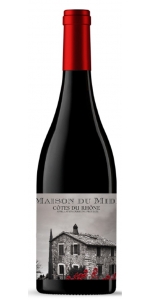
Maison du Midi Cotes-du-Rhone Rouge Vielles Vignes is 80% Grenache, 10% Syrah and 10% Mourvedre.
This ruby red colored wine with purple glints develops red fruits aromas and spicy overtones. In the mouth, this wine is smooth and its supple structure emphasizes aromas. Fruitforward and easy drinking wine showing light spices and silky tannins. A perfect everyday wine.
This delicious juicy wine can be enjoyed now with steak frites, any Mediterranean dishes, pizzas, grilled chicken and cheese.
Alain Jaume Cotes Du Rhone Rouge Haut de Brun is made from 60% Grenache, 30% Syrah, 10% Cinsault
The colour is purple-tinged garnet.The aromatic range of the nose goes from fresh berries (wild raspberry, blackcurrant, blackberry) to spices.The palate is big and full-flavoured, with silky-smooth tannins and aromas of the fruit already mentioned. The finish introduces touches of liquorice and pepper. A Côtes du Rhône with great complexity for an every day drinking.
A classic Rhône to drink between 1 and 4 years. Best poured at 17°C.
Traditional wine making and ageing is performed in vats only. Bottling after 10-12 months.
Ideal throughout the meal, but particularly with poultry and other white meats, as well as mild cheeses.
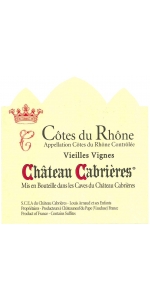
Chateau Cabrieres Cotes du Rhone Rouge Vieilles Vignes is made from 50% Grenache and 50% Syrah.
Château Cabrières’ Côtes du Rhône vineyard is located south of Orange, on the edge of Châteauneuf-du-Pape. The area of the vineyard is 1.53 hectares. The soil is comprised of clay-limestone mixed with pebbles.
Bright cherry red color with an expressive red fruit nose (strawberry and raspberry). Soft tannins in mouth, with freshness and spices. This CDR tastes like a baby Châteauneuf-du-Pape!
Pairs with charcuterie, pizza, pasta and mild cheeses.
Chateau Cabrieres Cotes du Rhone Rouge Vieilles Vignes is made from 50% Grenache and 50% Syrah.
Château Cabrières’ Côtes du Rhône vineyard is located south of Orange, on the edge of Châteauneuf-du-Pape. The area of the vineyard is 1.53 hectares. The soil is comprised of clay-limestone mixed with pebbles.
Bright cherry red color with an expressive red fruit nose (strawberry and raspberry). Soft tannins in mouth, with freshness and spices. This CDR tastes like a baby Châteauneuf-du-Pape!
Pairs with charcuterie, pizza, pasta and mild cheeses.
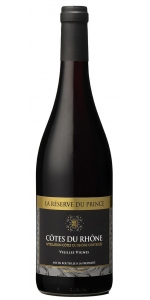
La Reserve du Prince Cotes du Rhone Rouge Vieilles Vignes is 80% Grenache, 10% Syrah and 10% Mourvedre.
This ruby red coloured wine with purple glints develops red fruits aromas and spicy overtones. In the mouth, this wine is smooth and its supple structure emphasizes aromas. Fruitforward and easy drinking wine showing light spices and silky tannins. A perfect everyday wine.
This delicious juicy wine can be enjoyed now with steak frites, any Mediterranean dishes, pizzas, grilled chicken and cheese.
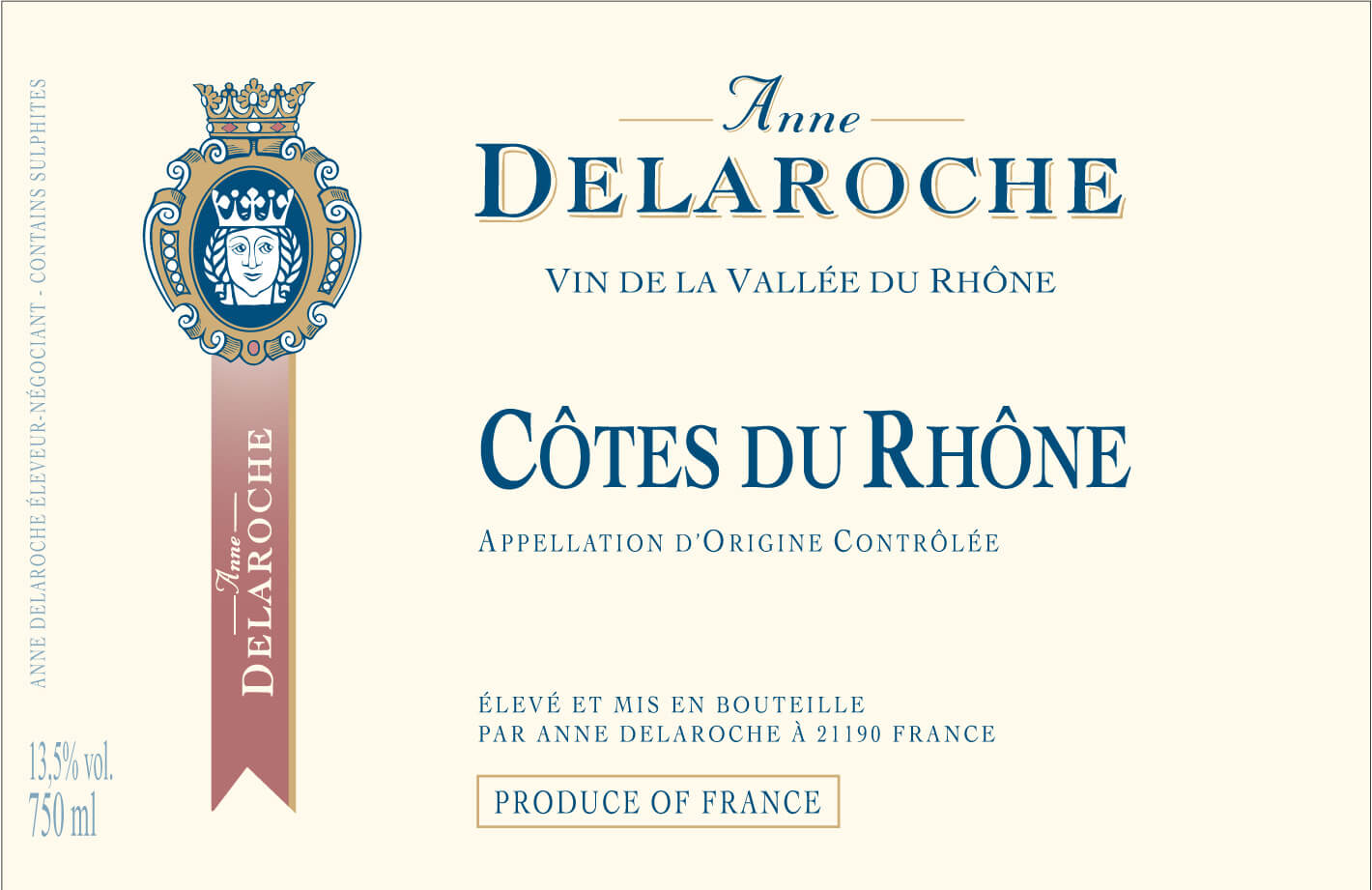
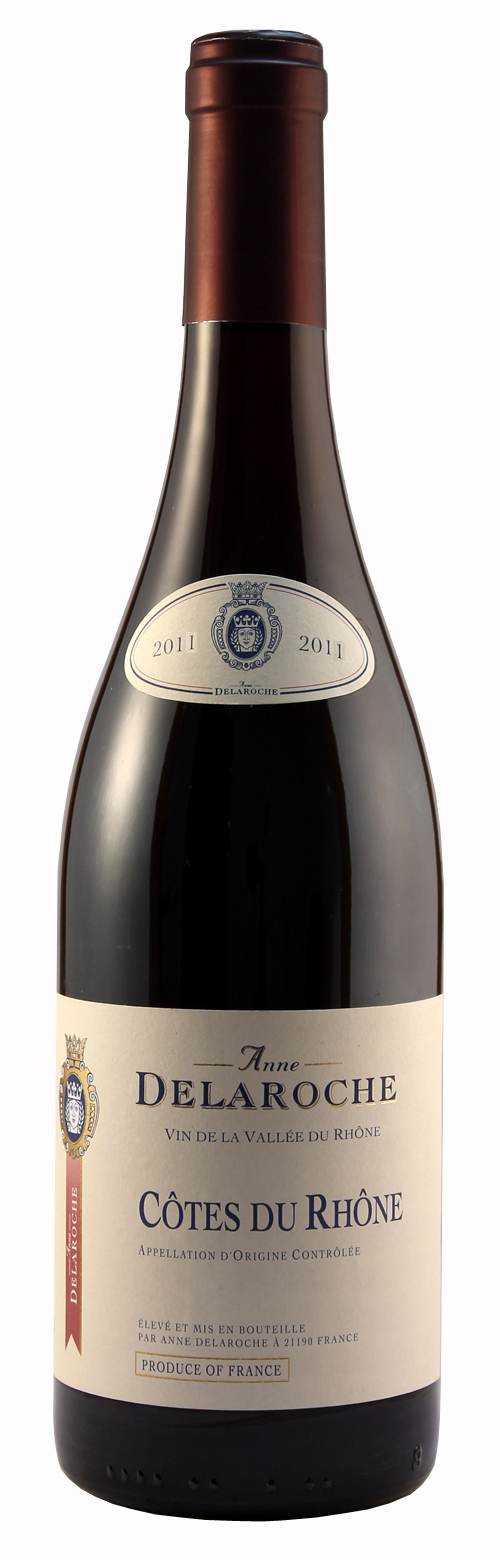
Anne Delaroche Cotes du Rhone Rouge is made from 50% Syrah, 40% Grenache, 10% Mourvèdre
Clear ruby wine with overtones of red berry fruits. Round and supple with smooth aftertaste. A good all round red wine for meat courses, poultry and light cheeses. Best drunk now while fresh with good keeping up to 4 years.
Serve at 14°C (57°F).
Currently in organic conversion (they should be certified within the next years).
This Estate is located in the GARD department near Pont Saint Esprit (10 miles North-West of Orange).
The Estate is working with Organic method but it is not certified yet.
56 Ha grown organically since March 2009 (in conversion).
Part of the vineyard is plowed with horses.
4 varietals are produced: 29 Hectares (72 acres) of Syrah, 22 Hectares (54.5 acres) of Grenache, 3 Hectares (7.5 acres) of Mourvèdre and 2 Hectares (5 acres) of Carignan.
Mechanical harvest.
Yields: 48 hectoliters per Hectares.
Average age of the vines : 30 years old.
The vineyard is situated in an archeological site that has revealed many artifacts dating back from the 4th Century.
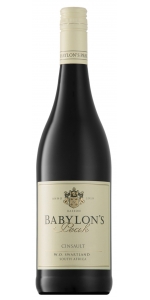
Babylons Peak Cinsault is made from 100 percent Cinsault.
Medium to light bodied. Fruit driven with spicy undertones. Soft tannins and fine complexity. A fruit driven wine with lively light palate and lingering mouthfeel.
Review:
"Savory aromas of black olives, grilled meat, thyme, peppercorns and dark fruit. It’s medium-bodied with fine tannins and a flavorful, succulent and peppery palate. Drink now."
- James Suckling (December 2021), 90 pts
SALE!
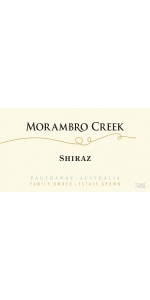
Morambro Creek Padthaway Shiraz is made from 100 percent Shiraz.
Deep inky black & purple in colour. The nose is perfumed with violet, blackberry, vanilla and spice with a touch of earth and liquorice over white pepper in the background. Expansive palate, smooth lush ripe back fruits nicely balanced oak, plenty of concentration with a long finish.
IMPORTER SALE!
Winemaking at Morambro Creek is very traditional and labor intensive.
Oak maturation takes place using 35% new barrels both French and American. This blend was put together using select barrels from our family estate that best demonstrate the intensity of our fruit balanced by integrated oak.
excellent with barbecued pork, beef, venisson as well as grilled vegetables.
Alchohol is 14.5%
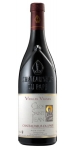
Clos Saint-Jean Chateauneuf Du Pape Vieilles Vignes is made from a Grenache, Syrah, Mourvedre, Cinsault, Vaccarèse and Muscardin, the Châteauneuf-du-Pape Vieilles Vignes is made from old vines located in and around Le Crau. The Grenache is aged in concrete for 12 months while the remainder is aged in demi-muid.
Review:
This has good concentration and energy to the dense core of dark fruit and bitter cherry, with great poise and elegance despite its ripeness (an impressive feat for the vintage). Guided by finely crushed mineral accents and tannins, this reveals pretty high-toned floral notes and leafy tobacco. Grenache, Syrah, Mourvedre, Cinsault, Vaccarese and Muscardin. Drink now through 2032. 900 cases made.
-Wine Spectator 95 Points
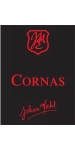
Johann Michel Cornas is 100% Syrah
This Cornas is a blend from 2 different vineyard sites:
- 60% of the final blend is from vineyards located on a hillside (16 year old vines on the "coteau"), planted on sandy soils, decomposed granite and some rocks, giving the structure, spiciness and licorice flavors to the blend.
- the other 40% of the final blend comes from the bottom of the slope (40 years old vines on the "pied de coteau"), planted on sandy soils, bringing acidity and balance to the wine.
Expressive, deep, rich, silky and juicy. Well structured and round, it displays red fruit, leather, black cherry, liquorice and black berry aromas.