
" We don't sell the wine without touching the vine "
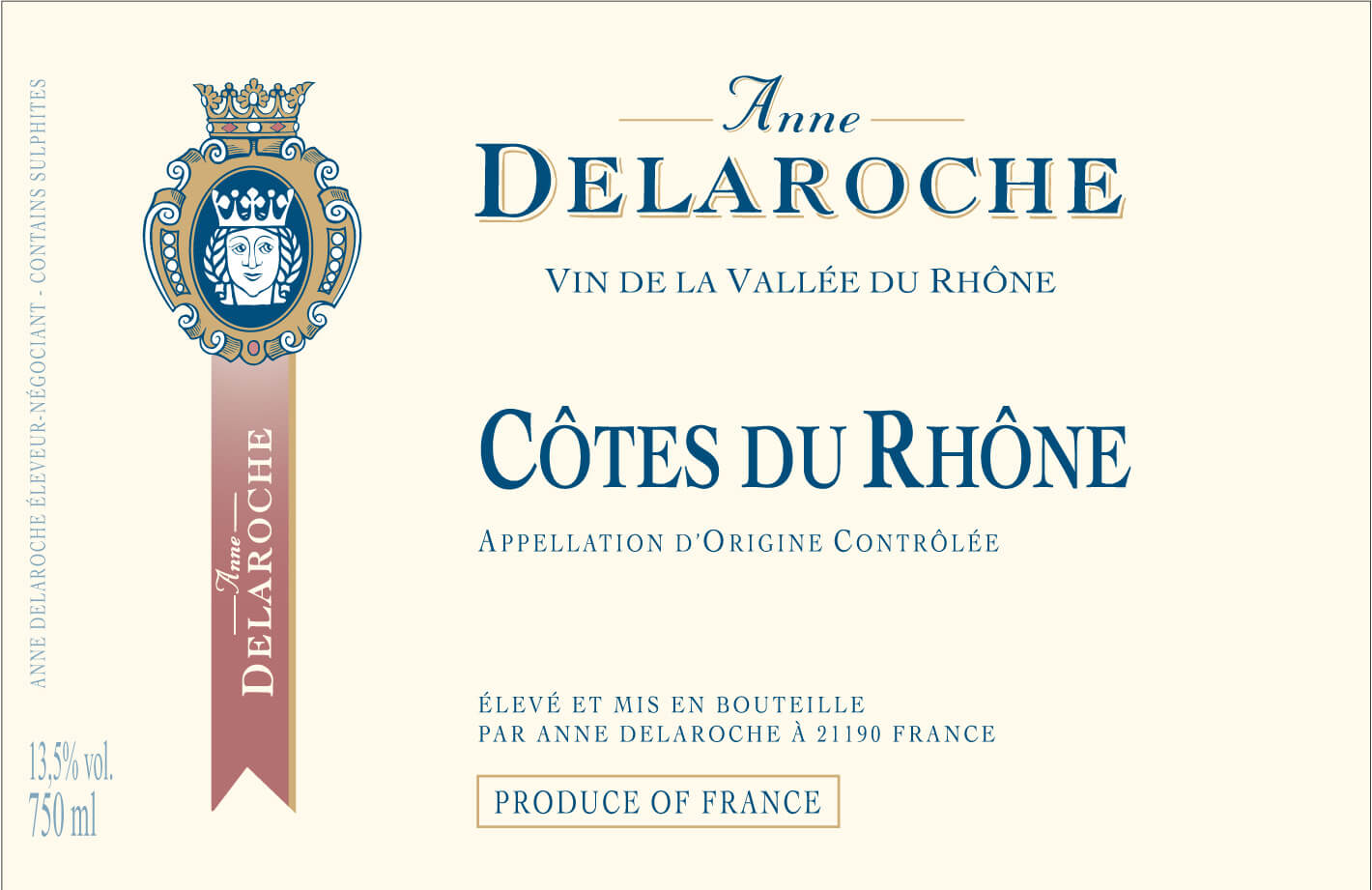
| Country: | France |
| Region: | Rhone |
| Winery: | Anne Delaroche |
| Grape Type: | Syrah |
| Vintage: | 2013 |
| Bottle Size: | 750 ml |
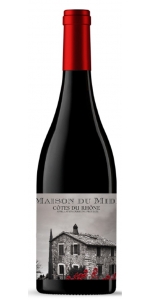
Maison du Midi Cotes-du-Rhone Rouge Vielles Vignes is 80% Grenache, 10% Syrah and 10% Mourvedre.
This ruby red colored wine with purple glints develops red fruits aromas and spicy overtones. In the mouth, this wine is smooth and its supple structure emphasizes aromas. Fruitforward and easy drinking wine showing light spices and silky tannins. A perfect everyday wine.
This delicious juicy wine can be enjoyed now with steak frites, any Mediterranean dishes, pizzas, grilled chicken and cheese.
Alain Jaume Cotes Du Rhone Rouge Haut de Brun is made from 60% Grenache, 30% Syrah, 10% Cinsault
The colour is purple-tinged garnet.The aromatic range of the nose goes from fresh berries (wild raspberry, blackcurrant, blackberry) to spices.The palate is big and full-flavoured, with silky-smooth tannins and aromas of the fruit already mentioned. The finish introduces touches of liquorice and pepper. A Côtes du Rhône with great complexity for an every day drinking.
A classic Rhône to drink between 1 and 4 years. Best poured at 17°C.
Traditional wine making and ageing is performed in vats only. Bottling after 10-12 months.
Ideal throughout the meal, but particularly with poultry and other white meats, as well as mild cheeses.
Alain Jaume Cotes Du Rhone Rouge Haut de Brun is made from 60% Grenache, 30% Syrah, 10% Cinsault
The colour is purple-tinged garnet.The aromatic range of the nose goes from fresh berries (wild raspberry, blackcurrant, blackberry) to spices.The palate is big and full-flavoured, with silky-smooth tannins and aromas of the fruit already mentioned. The finish introduces touches of liquorice and pepper. A Côtes du Rhône with great complexity for an every day drinking.
A classic Rhône to drink between 1 and 4 years. Best poured at 17°C.
Traditional wine making and ageing is performed in vats only. Bottling after 10-12 months.
Ideal throughout the meal, but particularly with poultry and other white meats, as well as mild cheeses.
Chateau Cabrieres Cotes du Rhone Rouge Vieilles Vignes is made from 50% Grenache and 50% Syrah.
Château Cabrières’ Côtes du Rhône vineyard is located south of Orange, on the edge of Châteauneuf-du-Pape. The area of the vineyard is 1.53 hectares. The soil is comprised of clay-limestone mixed with pebbles.
Bright cherry red color with an expressive red fruit nose (strawberry and raspberry). Soft tannins in mouth, with freshness and spices. This CDR tastes like a baby Châteauneuf-du-Pape!
Pairs with charcuterie, pizza, pasta and mild cheeses.
Chateau Cabrieres Cotes du Rhone Rouge Vieilles Vignes is made from 50% Grenache and 50% Syrah.
Château Cabrières’ Côtes du Rhône vineyard is located south of Orange, on the edge of Châteauneuf-du-Pape. The area of the vineyard is 1.53 hectares. The soil is comprised of clay-limestone mixed with pebbles.
Bright cherry red color with an expressive red fruit nose (strawberry and raspberry). Soft tannins in mouth, with freshness and spices. This CDR tastes like a baby Châteauneuf-du-Pape!
Pairs with charcuterie, pizza, pasta and mild cheeses.
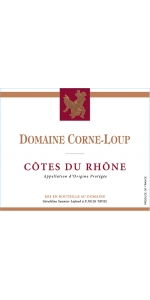
Corne Loup Cotes du Rhone Rouge is made from 50% Grenache, 40% Syrah and 10% Mourvedre.
Color: dark red ruby.
Aromas: red berries, truffles and spices.
Flavors: complex and rich. It shows red and black fruits, with an herbal spice type of aromas coming from the surrounding vegetation (Garrigue).
The average age of the vines is 40 years. (The oldest vines are 80 years old). Yield: 40 hl/ha The soil is mainly sandy marl and small pebble stones.
Lamb, duck, turkey, red meat, game and cheese.
Anne Delaroche Cotes du Rhone Rouge Bejot 2012 is made from 50% Syrah, 40% Grenache, 10% Mourvèdre
Clear ruby wine with overtones of red berry fruits. Round and supple with smooth aftertaste. A good all round red wine for meat courses, poultry and light cheeses. Best drunk now while fresh with good keeping up to 4 years.
Serve at 14°C (57°F).
Currently in organic conversion (they should be certified within the next years).
This Estate is located in the GARD department near Pont Saint Esprit (10 miles North-West of Orange).
The Estate is working with Organic method but it is not certified yet.
56 Ha grown organically since March 2009 (in conversion).
Part of the vineyard is plowed with horses.
4 varietals are produced: 29 Hectares (72 acres) of Syrah, 22 Hectares (54.5 acres) of Grenache, 3 Hectares (7.5 acres) of Mourvèdre and 2 Hectares (5 acres) of Carignan.
Mechanical harvest.
Yields: 48 hectoliters per Hectares.
Average age of the vines : 30 years old.
The vineyard is situated in an archeological site that has revealed many artifacts dating back from the 4th Century.
Quintessa Red 2022 is made from 93% Cabernet Sauvignon, 4% Cabernet Franc, 1% Carménère, 1% Merlot, 1% Petit Verdot.
The 2022 Quintessa is a charming wine, opening with intense aromas of black cherry and cassis that are complemented by notes of tobacco, bay laurel, cedar, and dark chocolate. Plush and inviting on entry, this wine’s flavors align with its aromas. The palate reveals dark fruits and an undertone of crushed rocks, tar, and graphite. On the finish, this vintage displays the signature fine-grained tannin of their Quintessa terroir, backed by voluminous texture and fruit.
Review:
Such an incredible wine here - one of the stars of the September releases. Smells amazing, cooling blueberries with fragrant blackcurrants, edges of florality - totally inviting scents. Full and filling in the mouth, this is ample with such a layered effect, super vertical and elongated. Tight and a little tense but it really works - such balance between black fruit, dried herbs, high acidity and a profound structure. Refined and beautifully presented. So much life, so much energy - this is pure class. A wine you don't want to put down. Feels hands off despite such concentration and power. Ends salty with sticky liquorice, mint and cooling wet stones. You could definitely drink this now but it will age too! 1% Merlot and 1% Petit Verdot complete the blend. One of the final few vintages with Rodrigo Soto at the helm - he stepped down last year to concentrate on his family project Far Mountain in Sonoma Valley which is worth following. Winemaker Rebekah Wineburg.
-Decanter 99 Points
This is a 3 LITER DOUBLE MAGNUM BOTTLE.
Opus One 2022 is made from 80% Cabernet Sauvignon, 8% Petit Verdot, 6.5% Cabernet Franc, 5% Merlot, 0.5% Malbec
Opus One 2022 exudes charm and sophistication from the glass. Primary aromas of blueberry, cassis, and dried rose petals with underlying notes of olive, cigar box, and graphite create a rich and inviting bouquet. On the palate, bright red-fruit flavors, cocoa, and fresh orange peel waltz together into a harmonious and balanced profile. Long and elegant, the finish delivers touches of wet stone, vanilla, and a hint of coffee. Fine-grained tannins and juicy ripeness signal the promise of a long future in the cellar.
Review:
Chocolate, cherry and rose petal aromas on the nose. Very open and alive - this has a great energy from the aromatics alone with soft cedar shavings, vanilla bean and bramble fruit. Juicy and lively, this is full of fun - fruity and concentrated. The tannins are just wonderful, creamy and slightly grippy, extending the flavours vertically. Tons of juicy, succulent fruit - this feels quite modern but still with that flash of sunshine and ripeness. Long lasting with purity and delicacy that make it so enjoyable. A wonderful creation from Michael Silacci. This is not your typical blockbuster at all, this is a darling of a wine. 0.5% Malbec completes the blend. The Opus team chose to pick early and quickly given the heat spikes in 2022, starting with the Merlot on 24th August. Ageing 18 months in French oak.
-Decanter 97 Points



