
" We don't sell the wine without touching the vine "
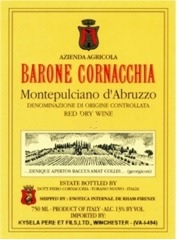
| Country: | Italy |
| Region: | Abruzzo |
| Winery: | Barone Cornacchia |
| Grape Type: | Montepulciano |
| Vintage: | 2014 |
| Bottle Size: | 750 ml |
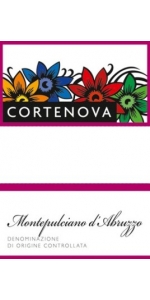
Cortenova Montepulciano d' Abruzzo is made from 100% Montepulciano d'Abruzzo
Deep ruby red color with violet highlights and a pleasant and fruity bouquet. Full bodied, soft tannins and good acidity.
Excellent with pasta dishes and red meats.
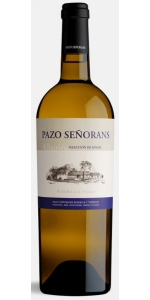
Pazo de Senorans Seleccion de Anada Albarino is made from 100 percent Albarino.
Straw yellow with greenish tints, vivid and brilliant. High intensity and very expressive. Profusion of aromas with traces of mineral. Great volume and ample body leaving a lasting impression from beginning to end.
Reviews:
I think the 2014 Albariño Selección de Añada could be the finest vintage of this characterful long-aging Albariño, from a year with a more moderate 13% alcohol and very high acidity (and low pH) that make the wine fresher and more vibrant. It is developing very slowly and showing quite young after it spent over 30 months with lees in 1,500- and 3,000-liter stainless steel tanks. It has a pale color and an elegant nose with notes of freshly cut grass, white flowers and wet granite. The palate is vibrant with effervescent acidity, and it has a long, dry and tasty finish with an austere sensation, far away from the tropical notes of some past vintages. This is superb and should continue developing nicely in bottle. Bravo! It wasn't bottled until April 2023, and 14,000 bottles were produced.
-Wine Advocate 96 Points
Tech:

All older vintage wines have been purchased from a single collectors cellar. Pictures can be requested before shipment.
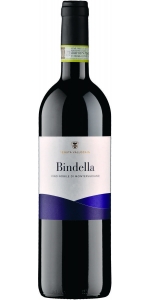
Bindella Vino Nobile di Montepulciano is made from 85% Sangiovese, 15% Colorino del Valdarno, Canaiolo nero and Mammolo.
Elegant, with typical hints of iris, rose and red berries together with balsamic notes after several years of ageing in the bottle. Balanced, pleasantly tannic and well-bodied on the palate.
A wine of great authenticity to accompany pasta with elaborate sauces, red meat, truffles and soft or mature cheeses.
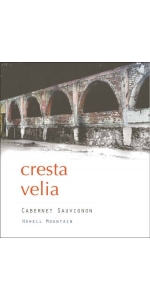
Early to bud and early to ripen, the 2014 vintage was our third drought year in a row. Dry, even temperatures marched the grapes along at a steady clip all year and created a wine with beautifully integrated fruit, acidity, and tannin.
Dense and dark magenta in color, this is a lithe and energetic vintage with lifted aromatics and a purity of fruit that lights up the medium-bodied tannin structure. The nose promises fresh black fruits, cherries and a touch of graphite, and the palate completely delivers. Juicy blackberry, plum, and bright cherry explode in the mouth, and develop into savory notes of baked black fruit and fresh pencil shavings on the mid-palate.
Eagle Summit Vineyard’s signature eucalyptus appears on the back palate to brighten the fruit, showing fragrant peppermint and warm, toasty spices through the finish. Whether you open it young or wait a few decades, this vintage does Howell Mountain proud--sophisticated and smart, with a rustic wild side.
Cresta Velia Cabernet Sauvignon Howell Mountain is made from 100 percent Cabernet Sauvignon.
Aged in 100% French oak (86% new)
• 100% Cabernet Sauvignon from Eagle Summit Vineyard on Howell Mountain
• Equal amounts of clone 4 and clone 7
• unfined and unfiltered
Review:
"The 2014 Cabernet Sauvignon is 100% Cabernet aged 20 months in 86% new French oak, with the typical suspects in terms of cooperage – Darnajou, Taransaud, and Remond. This opaque purple-colored wine has plenty of mulberry and blackcurrant fruit along with hints of blackberries, camphor and incense. The are some notes of unsmoked cigar and licorice as well. Ripe, medium to full-bodied and luscious, it is a classic to drink over the next 15 or more years. - RP"
- Robert Parker's Wine Advocate (Issue #228, December 2016), 90 pts
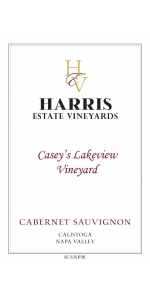
The Cabernet Sauvignon Casey’s Lakeview is similarly inky bluish/purple to the rim. Tasting like blood, this wine is dense and rich with lots of chocolate, espresso, earth and spice. It is deep, full-bodied, and again, a masculine style of wine that needs at least 4-5 years of cellaring and should keep for 25 or more years.
Lakeview Vineyard is the winery’s mid-block vineyard planted to a combination of clone 6 & 337 Cabernet Sauvignon on 101-14 rootstock. Excellent drainage from the rocky and chalky soils plus plenty of sunlight throughout the day produces wines of bold character with mouth filling flavors.
Organic farming methods are used to produce this Cabernet Sauvignon Casey's Lakeview vineyard. Vines are 17 years old. Ageing in French oak barrels (85% new) for 20 months, then 12 months in bottle prior to release. Non-filtered.
Review:
"The 2014 Cabernet Sauvignon Casey's Lakeview Vineyard is the most overt of these wines. Superripe black cherry, plum, chocolate and licorice add to an impression of flamboyance that sits on the edge of being too much. The effects of the drought are felt in the wine's slightly roasted profile. - Antonio Galloni"
- Antonio Galloni's Vinous (December 2016), 91 pts
Barone Cornacchia Montepulciano d'Abruzzo is 90% Montepulciano 10% Sangiovese
Deep ruby red with violet-purple reflections.
Huge, fruity bouquet, black cherry and herb scented.
Lush currant fruit with velvety soft tannins and perfect fruit acid balance. A wine of great harmony and intensity. The finish is long and spicy.
Area of production: Torri di Torano Nuovo Harvest: October– by hand. Vinification: 15 to 18 days maceration on the skins with a daily pumping over of the juice. Fermentation takes place in stainless steel at 28-30 °C. Alcohol: 13% by vol.
Grilled or roasted white and red meats, dishes flavored with mushrooms, garlic and rosemary. Excellent with polenta dishes and game.
The Barone Cornacchia Estate
Barone Cornacchia was first established in Montepucliano in the end of the 19th Century and is considered a pioneer in the aging and bottling of Montepulciano d'Abruzzo. Located in the province of Teramo, the estate dominates the fertile valley of the Vibrata, lying at 240 meters above sea level.
The Barone Cornacchia Vineyard
Cornacchia currently has 32 hectares (79.04 acres) of vineyard and the vines are 20 to 40 years old. The soil is calcareous and stony which is excellent for drainage. Moderate influences from the sea, only 15 km away, allow for perfect ripening.
Opus One 2022 is made from 80% Cabernet Sauvignon, 8% Petit Verdot, 6.5% Cabernet Franc, 5% Merlot, 0.5% Malbec
Opus One 2022 exudes charm and sophistication from the glass. Primary aromas of blueberry, cassis, and dried rose petals with underlying notes of olive, cigar box, and graphite create a rich and inviting bouquet. On the palate, bright red-fruit flavors, cocoa, and fresh orange peel waltz together into a harmonious and balanced profile. Long and elegant, the finish delivers touches of wet stone, vanilla, and a hint of coffee. Fine-grained tannins and juicy ripeness signal the promise of a long future in the cellar.
Review:
Chocolate, cherry and rose petal aromas on the nose. Very open and alive - this has a great energy from the aromatics alone with soft cedar shavings, vanilla bean and bramble fruit. Juicy and lively, this is full of fun - fruity and concentrated. The tannins are just wonderful, creamy and slightly grippy, extending the flavours vertically. Tons of juicy, succulent fruit - this feels quite modern but still with that flash of sunshine and ripeness. Long lasting with purity and delicacy that make it so enjoyable. A wonderful creation from Michael Silacci. This is not your typical blockbuster at all, this is a darling of a wine. 0.5% Malbec completes the blend. The Opus team chose to pick early and quickly given the heat spikes in 2022, starting with the Merlot on 24th August. Ageing 18 months in French oak.
-Decanter 97 Points
Guy Bernard Cote Rotie Cote Rozier is made from 100 percent Syrah.
A deep color, an intense nose where we can easily recognize the notes of small red and black fruits (crushed strawberry, blackcurrant), the spices (licorice, cinnamon) come to complete this already very complex nose. On the palate, this wine surprises by its amplitude, the notes of black cherries, toast and caramel are very pleasant and announce a big potential of ageing. Powerful and delicate, this Côte Rôtie is already pleasant and promises a good potential to cellar 5 to 15 years.
With red meats, big game, lamb or roasts. To be served between 16 and 18°C.



