" We don't sell the wine without touching the vine "
Begude Bandol Rouge La Brulade is made from 95% Mourvedre and 5% Grenache.
"La Brulade" is the name of a select slope located at an altitude of 400 meters overlooking the Mediterranean sea between La Baie d'Amour (the town of La Ciotat) in the South and La Sainte Baume in the North. This is one of the highest parcels in the Bandol appellation.
The wine is only produced in exceptional vintages. This carefully selected blend is made of 95% Mourvedre and 5% Grenache, aged in large French oak barrels for 24 months.
The wine shows a deep purple color. It is fresh and fruity on the nose with intense garrigue aromas. Structured, elegant and well-balanced on the palate with strong tannins. Licorice, ripe black fruits, garrigue flavors and some peppery freshness on the finish.
The 35-year old grapes are grown on clay and limestone soils and are farmed organically. Yield is very low - 15hl/ha. The grapes are harvested manually.
Winemaking: Double selection, destemming, crushing before skin contact fermentation. No filtration. Aging for 24 months in French oak casks (600L).
Grilled meat (lamb, beef, boar), Mediterranean cuisine, spicy dishes.
Review:
"Complex nose with deep black berry fruits, spice and hints of polish. Really lovely texture with layers of creamy red and black fruits, spices and powerful but super fine tannins. Great expression of the appellation; powerfully long."
- Decanter World Wine Award 2020 - 97 pts & Platinum Medal
Begude Bandol Rouge is made from 90% Mourvèdre, 10% Grenache.
Eye: dark ruby colored
Nose: Intense, aromatic, fresh and elegant
Mouth: Structured on black fruits flavors, lightly woody , tanins are strong an firm in their early days (<5years) Good acidity give freshness backbone and great fruit/alcoholic balance . Delicate final on spices.
Opening: Decant 4-6 hours before serving
Soil: Clay-limestone Culture: Organic without pesticides nor chemicals additives Yield: 20 hectoliters/hectare Harvest: Manual in small cases Winemaking: Double sorting, 100% destemming, skin contact, with daily sticking in order to optimize color and aromatic extraction Alcoholic fermentation 15 days followed by malo lactic fermentation. Aging: 18 months in oak cask Bottling:
Grilled lamb, meat cooked with sauce, southern French cuisine and tasty dishes (tajines, couscous, paellas).
Review:
"Inviting spicy oak, malt and blackberry cream scents. Powerfully structured tannins, spicy liquorice and clove flavours as well as bramble fruit; very long finish. Its best years are far into the future. Terrific stuff."
- Decanter World Wine Awards 2020, 97 pts & Platinum Medal
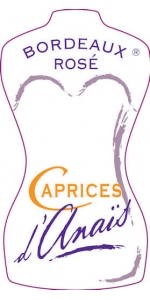
Landes Caprices d'Anais Rose is made from 50% Merlot + 50% Cabernet Sauvignon
This cuvée was created in 2005 to honor Nicolas's first daughter Anais. Caprice d'Anais means "Anais' Whim".
Color: Pale pink with salmon hues.
Aromas: quite aromatic nose dominated with floral (linden and elderberry) and fruity (cherry, strawberry and raspberry) notes.
Flavors: Quite similar to the aromas, with red fruit and floral flavors. The wine is easy to drink with a good fresh and zesty finish.
Great on its own during summer time, it will also pair very well with grilled salmon, salads, roasted chicken or any white meat dish.
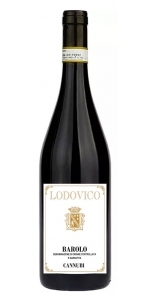
Lodovico Barolo Cannubi is made from 100% Nebbiolo.
With a ruby-red color, the Barolo Cannubi has a rich bouquet which gradually recalls the scents of roses flowers, truffles and wood spice. The palate is at first elegant and refined, then is begins to gain in complexity with a little breathing or decanting.
Vine: Nebbiolo, sub-variety Lampia and Michet
Grapes provenance: Cannubi Boschis vineyard in the village of Barolo
Soil: composed mainly of large clayey limestone marls and sands
Vineyards: South-est facing with Guyot pruning (6-8 buds / vine)
N° Vines / hectare: 5000
Yield / hectare: 50-55 q / Ha
Plant year: 1970
Size of the vineyard: 1.3 hectare (3.21 acres) in the family since 1996 out of 40 hectares (98.8 acres) total for Cannubi.
Average height: 250-260 mt
Nebbiolo is a native black grape variety of Piedmont that gives birth also Barolo and Barbaresco. The name ‘Nebbiolo’ derives from the word ‘fog’ and there could be two reasons. The first hypothesis traces the name of Nebbiolo back to the obscured, almost clouded appearance of the grape, covered with abundant bloom. The second hypothesis, more suggestive, is linked to the very late ripening of the grapes: the Nebbiolo grape harvest often takes place in late October, when the vineyards are enveloped in morning mists.
Pairs with aged cheeses, red meat, rich/earthy dishes, truffle risotto, pasta with sausages and mushrooms. Braised or roasted meats.
Mas Redonne Bandol Rose is made from 55% Mourvèdre, 35% Cinsault, 10% Grenache.
Nice light salmon color, typical of Bandol.
The wine expresses some citrus, Pomelos (a delicious type of grapefruit) and lots of white fruit aromas and minerality.
The flavors are fresh, fruity and very aromatic with tons of apricot and mango.
Grilled salmon, chicken dishes as well as salads, sushi and sashimi.
Mas Redonne Bandol Rose is made from 55% Mourvèdre, 35% Cinsault, 10% Grenache.
Nice light salmon color, typical of Bandol.
The wine expresses some citrus, Pomelos (a delicious type of grapefruit) and lots of white fruit aromas and minerality.
The flavors are fresh, fruity and very aromatic with tons of apricot and mango.
Grilled salmon, chicken dishes as well as salads, sushi and sashimi.
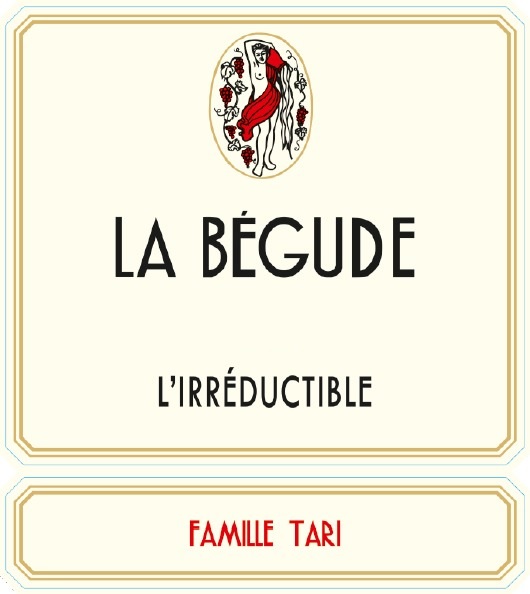
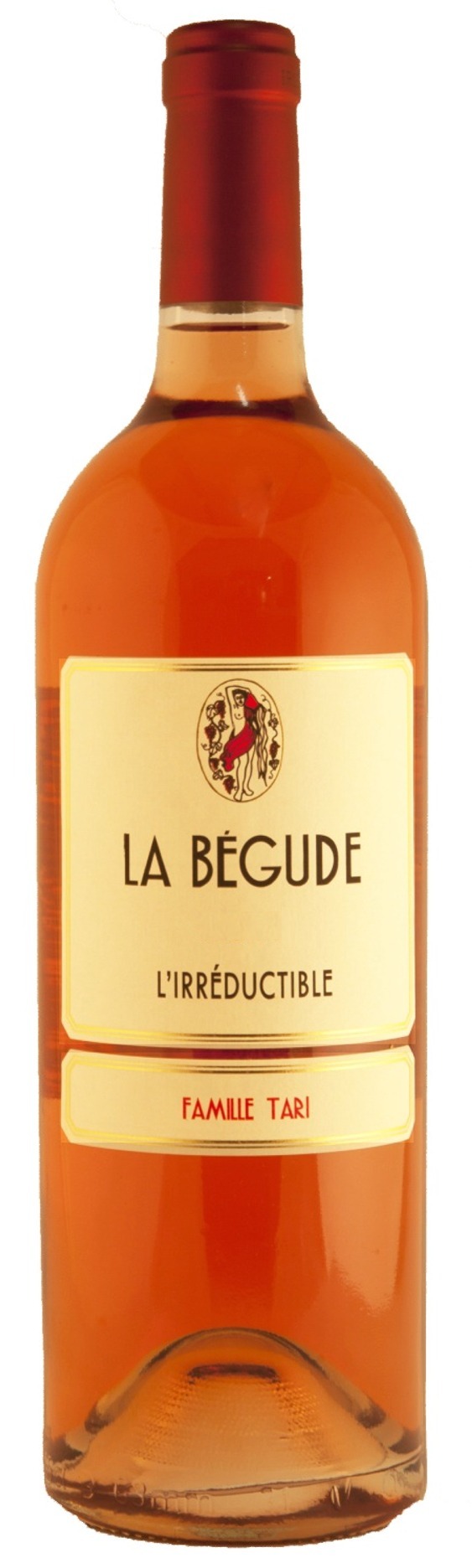
Begude Bandol Rose L'Irreductible is made from 95% Mourvèdre, 5% Grenache
Eye: Deep Youthful Coral color.
Nose: Intense Fruity notes of Strawberry, Cherry blossom and watermelon.
Mouth: Superb mouthfeel, with an excellent acidity and structure, that gives the wine a long and balanced finish with some spicy aromas.
Opening: ½ hour before serving if possible.
It traditionally pairs well with fish, seafood, white meat and provencal dishes, such as Bouillabaisse (fish soup). It is also excellent with cheese and "international cuisine", spicy Indian, Chinese, Thai, Japanese cuisine.
Also try it with lobster ... pleasure guaranteed.
Review:
"Light red. Herbal nuances on the nose complemented by red berries. This is a big, mouth filling wine with spicy, herbal, pomegranate and raspberry flavors. It has excellent depth and a long finish. A blend of 60% Mourvèdre, 20% Grenache, 20% Cinsault. Give this wine a year or two in bottle, and it'll be even better."
- International Wine Review (The World of Rose Report, June 2018), 91 pts
Domaine de La Begude was founded in 1996 by Guillaume and Louis Tari who continue an old family wine tradition (Chateau Giscours, 3rd Cru, Margaux). They are devoted to elaborating wines that express the characteristics of the Bandol terroir. The ageing cellars are the ancient Merovingian chapel of the 7th century from the "Conil" seigneury. This village has since disappeared, but it is mentioned as early as 966 in Saint Victor's maps. The estate produced some wine in the 16th century, and some ancient vinification tanks have been discovered there.
The Domaine de la Bégude Vineyard
The vineyard is situated at the top of the Bandol appellation (400 meters), overlooking the Mediterranean sea. The estate measures 1,240 acres of which 37 acres are in vines (15 hectares). The vines are cultivated on terraces facing south. The terraces are divided because of the very uneven relief of the wooded massif on which lies the estate. Olive trees surround most of the vine plots and take part in perfecting a typical landscape of the Bandol area.
The grape percentages are: 65% Mourvèdre, 25% Grenache,10% Cinsault, and the vines average 20 years of age. Grapes are hand harvested and totally de-stemmed before 3 – 4 weeks of fermentation on the skins. Egg white fining finishes the winemaking process before bottling. Production in total is 2,500 – 3,000 cases annually. This property makes clean and focused Bandol, as opposed to the rustic style so commonly seen from this A.O.C.
The Tari family also produces a Cotes de Provence (Rose and Red) made from grapes grown in the heart of the Provencal oak forest, dominating the Maures Mountains.
Saumaize-Michelin Pouilly-Fuisse “Clos sur la Roche” is made from 100 percent Chardonnay.
Produced from the oldest parcel of the estate dating back from 1979 and planted on the slopes of the Vergisson Rock, "Clos sur la Roche" benefits from a south sun exposure. This beautiful Chardonnay offers abundant floral and white fruit aromas, toasty and buttery notes and brioche scents. Well-balanced and concentrated on the palate with a rich structure and refreshing notes of zesty lemon and mineral purity that brings a vibrant energy to the finish.
Complex aromas of soft citrus fruits and minerals. Densely packed and fresh, with intense, complex flavors of white fruit as well as a hint of spice. The finish is very firm, long but not dry.
This site is now a Premier Cru!
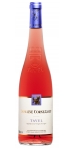
Corne Loup Tavel Rose is made from 60% Grenache, 15% Cinsault, 10% Syrah, 15% mix of Mourvèdre, Clairette & Carignan
Elegant, refreshing, food-friendly and versatile, this Tavel offers mouth-watering aromas of strawberry and berry pie.
Corne Loup Tavel represents the pinnacle of the rose pyramid quality wise that can be achieved in the Southern Rhone. The town of Tavel has been famous for its rose wine since the time of the Popes in Avignon (1300's). Tavel is about 2,300 acres in size and produces about 500,000 cases yearly of 9 liter cases, plus can age for 2-3 years, unlike many other roses. Produced from a blend of Grenache, Cinsualt, Syrah, Mourvedre, Cinsault and Carignan, the wine comes from a famous sub-parcel called the Plateau de Vallongue between Tavel and Lirac AOC's.
The 20 hectare-vineyards are located in the hamlets of Oliver, Campet, Vestides and Vallongue. The Tavel from this producer is a blend of all 3 soils types you can find in the AOC:
Dry and lively, it is an ideal wine for barbecues as it makes a wonderful sipper that's also capable of matching with a wide variety of summer foods, including grilled chicken, seafood and summer salads