" We don't sell the wine without touching the vine "
| Country: | South Africa |
| Region: | Western Cape |
| Winery: | Riebeek Cellars |
| Grape Type: | Colombard |
| Vintage: | 2016 |
| Bottle Size: | 750 ml |
The sage, autumnal older sister to the spring verve of the Juvenile, Old Vines encompasses everything we stand for at Turley. Teeming with dark berries, currants, baking spices, earth, and a sprinkle of petrichor on the nose. The palate is brooding yet supple, serious yet satisfying. Inherently embodies the depth, complexity, and grace that can only come from old vines.
Review:
As with the Juvenile bottling, the 2022 Zinfandel Old Vines punches above its weight in this vintage. The nose is considerably deeper, fuller and more polished, opening with aromas of crushed plums, wild berry preserves, tobacco leaves and similar autumnal accents to its younger sibling. The palate is light- to medium-bodied, carrying through the polished quality of the nose and melds it with a subtly dusty tannin structure and bright acidity. The finish is straightforward and easy to drink, offering generous layers of fruit, spice and floral notes.
- Robert Parker's Wine Advocate 92 Points
A gutsy little red, with intense yet zesty flavors of raspberry, cranberry, savory anise and black pepper that finish with briary tannins.
Wine Spectator 92 Points
Avennia Valery Red Blend is made from 86% Merlot and 14% Cabernet Franc
Valery is named for the patron saint of wine in the St. Emilion region that inspired it.
We started with old vine Merlot from a stony block in the heart of the Yakima Valley and added complex, aromatic Cabernet Franc from the Horse Heaven Hills. The result is a balanced, complex wine with the elegance and ethereal perfume that this blend of two of Washington’s best varietals are known for.
The nose on this wine is very perfumed, almost exotic with notes of fresh violets, red plum, winter mint, fresh herbs and crushed limestone qualities. The palate is poised and balanced, with red fruits and mocha powder encapsulated in limestone. The finish lingers delicately, with the Cabernet Franc asserting a light tobacco and herb note, giving depth. A compelling wine that will continue to unwind for 7-10 years in the cellar.
Review:
"Brought up in 30% new French oak, the 2016 Valery (70/30 Merlot and Cabernet Franc) offers more black cherry and earthy, herbal notes as well as a medium-bodied, seamless, beautifully balanced style. It too shows a vibrant, fresh, yet concentrated style that has a Bordeaux feel in its weight and texture."
- Jeb Dunnuck (April 2019), 93 pts
"Good medium-dark red. Aromas of blueberry, mocha, licorice and violet are a bit darker than those of the 2015 version. Dense and penetrating, with wild flavors of dark berries, licorice and game given lift by rocky minerality and a minty nuance. Chris Peterson slightly acidified his Cabernet Franc from Champoux Vineyard, which he added to the wine for richness. This beauty may yet tighten up in the bottle.- Stephen Tanzer"
- Antonio Galloni's Vinous (November 2018), 92+ pts

All older vintage wines have been purchased from a single collectors cellar. Pictures can be requested before shipment.
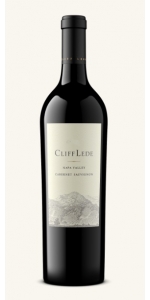
Clif Lede Cabernet Sauvignon Stags Leap is made from 82% Cabernet Sauvignon, 8% Merlot, 7% Cabernet Franc, 3% Petit Verdot.
Our Stags Leap District and Calistoga estate vineyards build the foundation of this wine with support from valued grower sites located in Oakville, Rutherford, and Howell Mountain. Composed of small batches from a variety of blocks of varying age, this wine represents a diverse range of carefully selected rootstocks and clones. Yields are maintained at sparse levels, with a focus on canopy management and vine balance. The resulting blend boasts a remarkable depth and complexity that is quintessential Napa Valley.
Grapes were picked in the darkness of the early morning hours. The freshly-harvested fruit immediately underwent rigorous selection by our three-tiered sorting process, which included our cutting-edge optical sorter. Whole berries were gently delivered by gravity to tank using our crane system, minimizing disruption of berry integrity. Cold soaks lasted approximately seven days, and fermentations were managed via a combination of délestage, pumpovers, and punchdowns. Extended maceration ranging from four to five weeks fine-tuned our tannin profiles, allowing us to perfect mouth feel and wine complexity. The wine was aged in French oak barrels, 48% of which were new, for twenty-one months.
Elegantly soft and lithe the 2021 coaxes the taster with warm dark chocolate and luscious black cherry aromas. More graphite, chocolate cake, crushed mulberries, and iron notes leap from the glass. The entry is filled with dark fruit flavors of cassis, blackberry, and blue berries and they’re all tinged with floral notes of jasmine and violets. The polished tannins along the finish feel Cashmere-like and beg the taster for another sip. – Christopher Tynan, Director of Winemaking
Review:
So silky and drinkable at the first sip, this well-concentrated wine feels tight and restrained with more tastes, holding its trove of black fruits, cedar, cinnamon and dark chocolate in a rich blanket of extra-fine tannins. Its complexity, layering and lingering finish are something special.
-Wine Enthusiast 94 Points
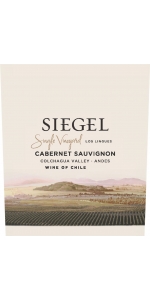
Siegel Single Vineyard Los Lingues Cabernet Sauvignon is made from 100% Cabernet Sauvignon.
Viña Siegel Single Vineyard Cabernet Sauvignon is the result of our family's continuous search for quality wines with personality which faithfully reflect the best of our terroir. This wine comes from selected grapes from our "Los Lingues" vineyard in Alto Colchagua.
Located in the foothills of the Andes where the influence of the Andean winds result in an elegant Cabernet Sauvignon with great concentration of ripe red fruits, cassis and chocolate, and a balanced, richly structured, and long finish.
An intense violet color. Smells of cassis and is complemented with notes of mature red fruit and chocolate. A round and elegant wine with an excellent final persistence.
After carefully determining the moment for the harvest, the grapes are harvested by hand and later de-stemmed and marinated in cold temperatures for 5-6 days. Alcoholic fermentation is between 26ºC and 29ºC during which daily reassembly is implemented according to taste.Post-fermentation infusion lasts for two or three weeks. Once the blend is made, the wine is gently clarified and stabilized in cool temperatures if necessary.
Review:
"The 2017 vintage of the Los Lingues Cabernet Sauvignon is in every respect the equal of the 2016, which we rated highly. It begins with smoky, dark fruited nose and proceeds to a round, silky, well balanced palate of mineral-inflected, herbal-tinged dark cassis. There’s a sense of refinement and balance to this wine."
- I-winereview.com (March 2022), 92+ pts
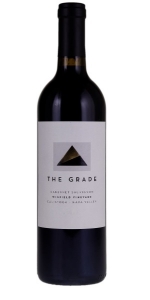
The Grade Napa Cabernet Sauvignon Winfield Vineyard is made from Napa Valley Cabernet Sauvignon.
“2016 produced wines that are very giving, round, coating and streamlined. Year after this year, this bottling aims to highlight the best attributes of the Winfield Vineyard, and also creates a wine that possesses qualities that allow it to age well in the cellar and evolve over many years.
“This wine expresses a focused balancing act of dark, rich black fruit, and a fine tannin structure, illuminated through the core with a laser-like acidity. The wine displays a deep purple-red hue with a cranberry halo. Aromas of cassis, cinnamon, citrus oil, roasted meat, and lilac swell from the glass.
“The palate is marked by a wave of jet-black brambly fruit up front, followed by an exotic spice mid-palate and a long, complex finish that lasts and lasts expressing notes of flowering jasmine, and oolong tea. The silky tannins hold everything together and will certainly allow this wine to evolve in the cellar for at least 7-10 years.” - Thomas River Brown
Review:
Coming from the Winfield Vineyard in Calistoga, the 2016 Cabernet Sauvignon is another brilliant wine from the hands of winemaker Thomas Rivers Brown. This deep purple-colored effort boasts tons of blueberry and jammy blackberry fruits as well a medium to full-bodied, concentrated, yet elegant style on the palate. It has the purity of fruit that’s the hallmark of the vintage, ripe, sweet tannins, and no hard edges, and is already hard to resist.
-Jeb Dunnuck 94 Points
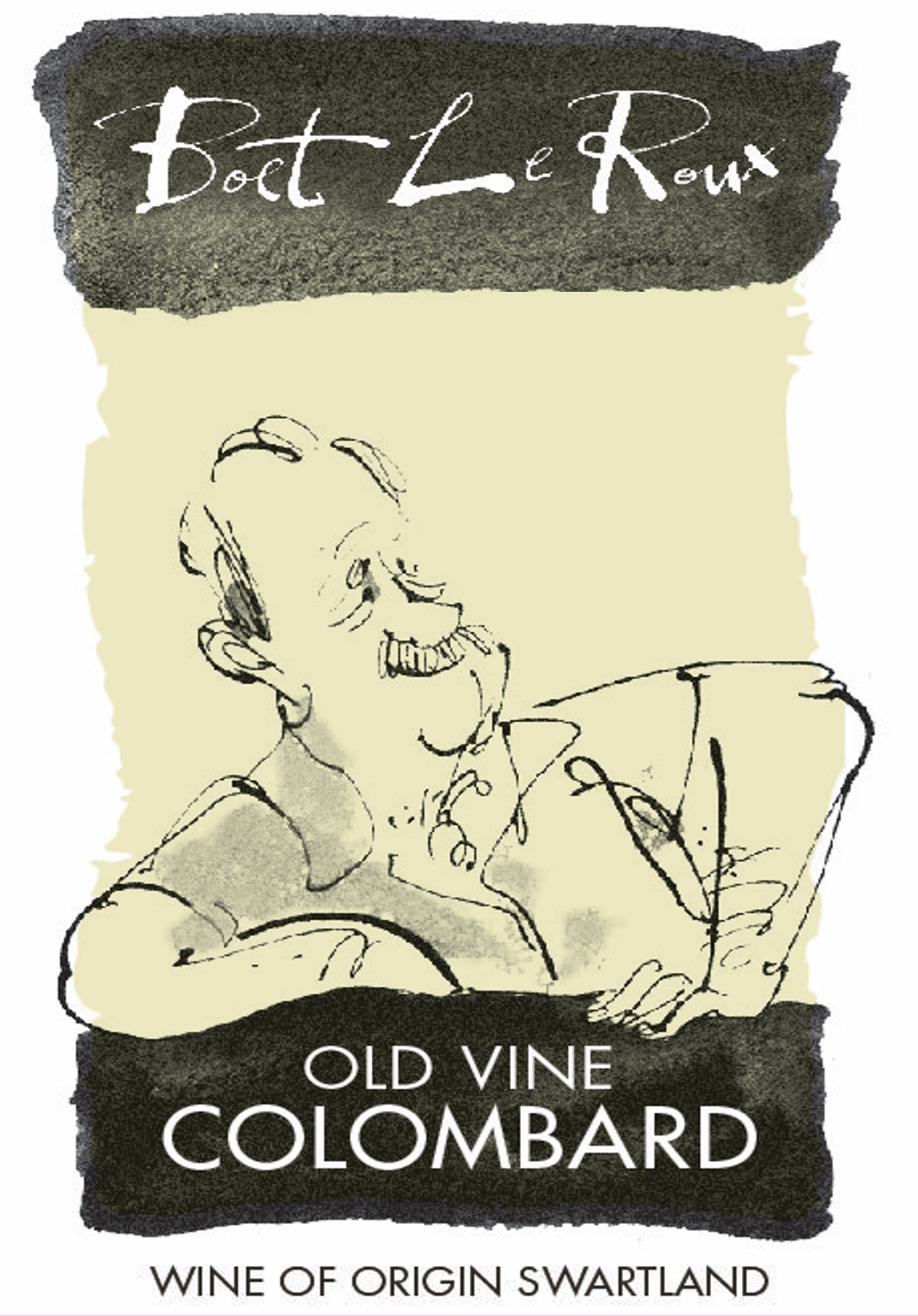
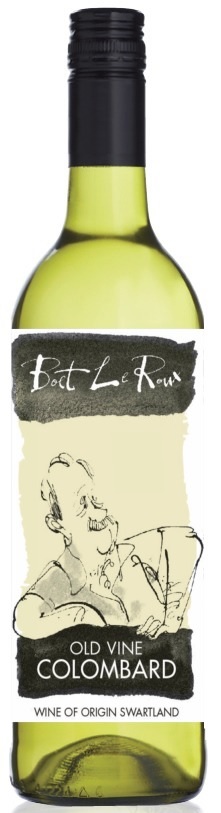
If you ever find yourself in the heart of the Swartland, you're likely to see a familiar face. Boet Le Roux, farmer extraordinaire, is our own living legend. Tirelessly he battles the fierce South African sun to deliver only the finest the Swartland has to offer.
With crisp citrus fruit and a zesty, refreshing finish, Boet Le Roux's Old Vine Colombard has a lively larger-than-life character that's refreshingly good company all year round.
The Riebeek Cellars Estate
Riebeek Cellars was established in 1941 and is situated in Riebeek Kasteel at the foot of Bothma's Kloof Pass. This medium-sized winery on the western coast of the Cape Province of South Africa sources its grapes from the fertile Riebeek Valley and the slopes of the mountain where the climate is very similar to the Mediterranean. Through the years as vineyard practices developed, cultivars were planted in soil and at slopes best suited to them. These well-tended vineyards enable the production of high quality wines which makes Riebeek Cellars the choice of wine buyers internationally. Well-known both in South Africa and abroad, Riebeek Cellars manages a variety of brands for various countries.
Heritage
Corporal Pieter Cruythoff, a scout of Jan van Riebeeck, founded the Riebeek Valley in 1661. Impressed by the single standing mountain, he called it Kasteelberg (“Castle Mountain”) commemorating the Castle of Good Hope in Cape Town, the fortress of Commander Jan van Riebeeck. The twin towns, Riebeek Kasteel and Riebeek West, established at the foot of Kasteelberg, are therefore also suitably named after Van Riebeeck.
The Riebeek Valley is a mecca of wonderful wines, exceptional food and exquisite art where tourists and locals alike are forever tempted into spending more time than allowed. The serene valley falls in the bigger Swartland region which is called the 'bread basket' of South Africa for its grain production, while it is further internationally acclaimed for its high quality olive products. With various hotels and fine-dining restaurants as well as true country hospitality, the Riebeek Valley has become a very popular tourist destination. The ultimate charm of Riebeek is however in its people and their commitment and passion for wine.
"Located in the Western Cape region of South Africa, this winery was established in 1941, which makes it relatively old compared to all the new wineries that have sprung up in this area. Among the first Pinotages I can recommend, it’s also a good value. Pinotage, which is, of course, ubiquitous in South Africa, was first made in 1941, when the Cinsault grape (primarily grown in southern France and the Rhone Valley) was crossed with Pinot Noir." - Robert Parker's Wine Advocate (Issue 201, June 2012).
ER3 is the very essence of balance and delicacy – the intensity of Côte des Blancs grand crus and the complexity of its perpetual reserve are combined with immense finesse.
ER3 reveals an extremely delicate, blush pink hue. The nose is superb, with a beautifully complex and delicate aromatic palette that offers up aromas of white flowers, redcurrant, and wild strawberry, before unveiling slightly smoky notes. With a particularly fine and ethereal effervescence, the mouth is fresh and vibrant with superb white fruit and citrus evolving into more complex notes of candied fruit, soft spices, and toasted almonds. The finish is incredibly persistent, underpinned by a magnificent chalky minerality.
The wine is aged on lees in the dark in our cellars for three years.
Chardonnay 75% – Pinot Noir 25% / This edition has been made from a base of the 2018 vintage. / Disgorged in May 2022. / Dosage: 4.5 G/L.
Review:
"This graceful rosé Champagne layers a rich base of roasted almond, toast and smoke accents with nectarine and pureed raspberry fruit, oyster shell, blood orange zest and chalk notes. Fresh and fluid on the palate, with a creamy mousse consisting of fine, pinprick-sized bubbles. Long, rich finish. Chardonnay and Pinot Noir. Drink now through 2030. 750 cases made."
-Wine Spectator 95 Points
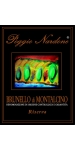
A ruby red garnet color, ripe fruit aromas, dried fruits, hints of licorice and scents of vanilla. Robust and harmonious in the mouth, a rich texture. The wine is only produced in the best vintages.
The grapes are coming from a vineyard planted at 400 meters above sea level. The soil is mainly marl and limestone.
The density of vines per hectare is 5,000 plants, which is equivalent to 2,000 vines per acre.
The pruning technique used is cordon
The grapes used are 100% Sangiovese grosso
Alcoholic fermentation was done in tank, while the Malo-Lactic fermentation was carried in oak barrels.
Wine was then aged for one year in big French oak barrels and 3 years in Slavonian oak barrels.
Review:
A super-intense and rich wine full of detail and deep, vibrant minerality. Dark cherries and dark berries, restrained and precise, are allied to potpourri and smoky woodland aromas. Leather and tobacco on the nose as well. Firm tannins on the palate with crisp acidity, full body and a savory finish, stern and chocolaty. Drink or hold.
-James Suckling 94 Points