
" We don't sell the wine without touching the vine "
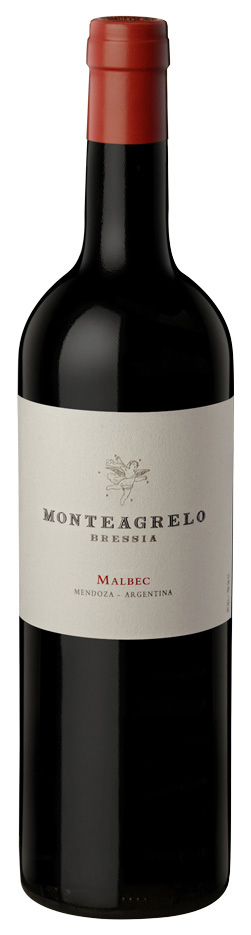
| Country: | Argentina |
| Region: | Mendoza |
| Winery: | Bressia Winery |
| Grape Type: | Malbec |
| Vintage: | 2015 |
| Bottle Size: | 750 ml |

This vineyard is situated at over 3,000 feet in altitude in Valle de Uco, and the vines are over seventy years old. This light soil is sandy with some silt, is very permeable and has boulders and a broken layer of limestone at a depth of 2.5 feet. Traditional irrigation is fed by water from the Andes Mountains. Temis has the coldest climate of all Alta Vista’s terroirs. Nights are quite cool and days are warm and soft, with constant breezes that help to keep the vines and grapes healthy. The grapes have a slow, gradual cycle of ripeness that is balanced and ideal. Planted in 1942, the selection massale vines are characterized by small clusters with small, compact grapes.
Review:
-James Suckling 94 Points

Ayni Malbec Paraje Altamira is made from 100 percent Malbec.
Ayni is the Quechua term for the principle of reciprocity, practiced for centuries by the Andean people - "in order to receive, you first have to give." Chakana's renowned Paraje Altamira vineyard, which sits 3,300 feet above sea level, bears the name Ayni & is the source of the Ayni wines.
Deep ruby-red in color with violet hints. Complex and intense bouquet, featuring blackberries, cherries and plums, with delicate floral notes and spices. Balanced and fresh; full-bodied with good length of spices.
Pairs well with grilled meats and stews.
Review:
-Decanter World Wine Awards 94 Points
-James Suckling 92 Points

Founded in 1902, Argentina’s Bodega Catena Zapata pioneered the revival of Malbec and the discovery of extreme high-altitude terroir in the Andean foothills of Mendoza. Its crown jewel is the Adrianna Vineyard — planted at nearly 5,000 feet in the Uco Valley and often called the Grand Cru of South America.
Fortuna Terrae — “luck of the land” — is one of Adrianna’s single parcels, set on deep, loamy soils. That depth and the cool high-altitude air give the wine its freshness: very aromatic, with delicate floral lift over spicy black fruit, moderate acidity, and a texture that’s elegant, rounded and smooth. A Malbec built to reward a few years — or decades — in the cellar.
Review:
-James Suckling 98 Points

This wine is floral, exuberant, with lengthy smooth tannins, and metallic notes.
This cuvée takes its name from a small parcel of the Adrianna Vineyard that is completely covered with oval white stones and was the site of an ancient riverbed. The abundant stones provide optimal drainage and extreme temperatures. They absorb heat and moderate the nights, but also function like ice cubes after a very cold night. Stony soil Malbecs tend to be extremely aromatic, rich and luxurious, just like the River Malbec from Adrianna. This wine can be enjoyed young or aged for decades.
Pair with grilled meats.
Review:
Wild blackberries, pine cones, bark, chili chocolate, cracked pepper, cloves, iodine and crushed stones on the nose. Full-bodied with firm, creamy tannins. Lovely coolness and minerality to the dark fruit. Powerful, too. Try in 2026.
-James Suckling 98 Points
Founded in 1902, Argentina’s Bodega Catena Zapata pioneered the revival of Malbec and the discovery of extreme high-altitude terroir in the Andean foothills of Mendoza. Its crown jewel is the Adrianna Vineyard — planted at nearly 5,000 feet in the Uco Valley and often called the Grand Cru of South America.
The River parcel sits in the path of a dried-out riverbed, its stony soil coaxing out an especially aromatic, rich and luxurious Malbec — floral and exuberant, with smooth tannins and a long, lingering finish. Lovely young, but built to age for decades.
Review:
Probably the most austere among the three Adrianna Vineyard malbecs. Arresting nose already, with a touch of white pepper to the deep black and blue fruit. Huge depth and profoundness, but at the same time it is so fresh. The difference is more obvious on the palate if you compare this with the Mundus Bacillus Terrae and Fortuna Terrae bottlings. This shows the claws of the mineral tannins, which are a little less fleshy than Mundus, but with more tension. Seamless, taut and long. Drink from 2026.
-James Suckling 99 Points

Finca los Cedros Single Vineyard Malbec is made from 100 percent Malbec.
Single vineyard wine from the Finca los Cedros vineyard in Paraje Altamira (3,600 ft. elevation). Planted in high density (8,000 plants per hectare) on calcareous gravel soils, this Malbec has a fresh & easy-drinking style with a mineral character.
Intense purple color. Plum, brambly berries, spices and an iris/violet note are apparent on the nose. Intense, fruity flavors with velvety tannins.
Fermentation with indigenous yeasts. Aged 12 months in oak barrels and concrete vats.
Excellent with roasted meats, duck, salad, pasta, pizza.
Aged in French oak barrels. No filtration and no fining. This wine is a blend from five parcels.
Monteagrelo Malbec is an attractive and intense red colored wine with purple tones.
It exhibits ripe red and black fruit aromas mixed with vanilla, chocolate and coffee nuances. Good concentration, great structure, delicate tannins, and a long, harmonious finish
The Bressia Winery
The patriarch of the Bressia Winery family is Walter Bressia. He has worked in the wine business in Argentina for nearly 30 years. Walter’s knowledge and skill shine through in the Bressia wines. From 1998 to 2003, Walter was the winemaker for Bodega Vistalba and Viniterra. In 2003, Walter and his family began their own winery. The Bressia Winery family includes wife Marita, daughter Marita, and son, Walter Jr. The Bressia Winery has been producing some of Argentina’s finest wines with only the highest quality technology and a hands-on approach to each and every product. The Bressia Winery incorporates the “Vinos de Autor” concept. This translates to “Author’s wines”, or personalized, high quality wines. The Bressia Winery boasts 320 oak barrels, all nearly new French and American oak. (60% French, 40% American).
The Bressia Vineyards
The Bressia Winery land measures 20 hectares (49.40 acres). The varietals established are Malbec, Cabernet Sauvignon, Merlot, Pinot Noir, Chardonnay, and Sauvignon Blanc. A sparkling Malbec is also in the works for the Bressia Winery.
Some wines by Bressia Winery:
Any Bressia wines we have in stock are listed below, if you don’t see the wine you are looking for please don’t hesitate to ask for it.

Laurent-Perrier Cuvee Rose NV is made Pinot Noir from 10 crus in the Montagne de Reims
The Cuvée Rosé from Laurent-Perrier is the most recognized rosé champagne in the world. The house uses its proprietary maceration technique and the wine is crafted for a fragrance and not mixed for a color. Held in an elegant bottle inspired by King Henri IV, it has been widely acknowledged for its consistent high quality for more than 40 years, and it is the benchmark for rosé champagne around the world.
Laurent-Perrier Cuvée Rosé is truly remarkable for its highly expressive bouquet, stemming from very careful preservation of fresh fruit aromas during the wine making. Made with 100% Pinot Noir from 10 different "crus " (or villages), from the North and South areas of the Montagne de Reims, as well as the famous village of Bouzy. Grapes from carefully selected plots are meticulously sorted and de-stemmed before going into the vats, and the controlled maceration helps with the color extraction and the development of the full aromatic richness of the Pinot Noir.
Intensely fruity flavors, clean and slightly sharp, the wine opens to the sensation of freshly picked red berries: strawberries, Morello cherries, black currants and raspberries. The finish is supple and rounded.
Its aromatic depth makes it ideal for pairing with marinated raw fish, grilled prawns, exotic dishes, Parma ham and red fruit desserts. Those who are more daring will try it with Asian or Indian cuisine.
Review:
-Tasting Panel 97 Points

Antonio Camillo Ciliegiolo 2025 is made from Ciliegiolo. It comes from the Tuscan Maremma, near Capalbio on the southern coast of Tuscany, where Antonio Camillo has built his name as the great champion of Ciliegiolo — the cherry-scented native red of the Maremma. After years making the wines at Poggio Argentiera, he struck out on his own in 2006 to work roughly nine hectares of mostly old vines with a light, low-intervention hand.
This is his benchmark everyday Ciliegiolo: hand-harvested, fermented in steel and left on the skins to draw out color and perfume. Expect bright, juicy red and black cherry, a lift of violets and wild herbs, and soft, supple tannins that make it endlessly drinkable with a chill or a plate of pasta.



