" We don't sell the wine without touching the vine "
| Country: | Italy |
| Region: | Veneto |
| Winery: | Cantina di Verona Spa |
| Grape Type: | Corvina |
| Organic: | Yes |
| Vintage: | 2017 |
| Bottle Size: | 750 ml |

Cantina di Verona Amarone Valpolicella Vallis Dei is made from 65% Corvina Veronese, 30% Rondinella, 5% Molinara
Color: deep ruby red
Nose: Dried prune and blackberry with hints of vanilla and spice
Mouth: It is generously structured and velvety.
Yield: 8000 kg of grapes per hectar – after which the grapes are dried “appassimento”
Grapes are raisin-dried for at least 4 months after harvesting, losing at least 40% of their weight. It is made from selected grapes which are left to dry on racks in specially ventilated rooms until the end of winter.
Fermentation temperature between 18° and 22°C
Maceration time: 20 days

Ilaria De Nardi Valpolicella Ripasso Classico Superiore is made from 60% Corvina, 20% Rondinella, 20% Corvinoni
Intense red color with garnet hints. Almond and fresh walnut aromas. Full-bodied with a good structure.
This is an excellent red wine with a supple body. The techniques used to produce this wine is typical from the area.
Excellent with cold cut, fresh and mature cheeses. Perfect with red meat and game.
Late harvest style Corvina aged on Amarone lees. The must of Amarone remains in the vat and instead of being pressed, it is topped up with high quality Valpolicella before being left to referment for about 10-15 days.
Pairs well with roasted meats.

Pulled from a Gentleman's cellar, all wines from this cellar have been purchased by the owner either from the importer or direct from winery. They stayed in his cellar until being moved to the Timeless Wines warehouse.

Antica Vigna Valpolicella Ripasso DOC Superiore is made from 50% Corvina, 45% Rondinella and 5% Merlot.
Ripasso Superiore DOC is an elegant and refined wine, showing a beautiful and intense ruby color. Spicy, with cherry hints and wild berries notes, it features great personality and complexity. In the palate it is rich, very fruity, elegant and still young but already very well-orchestrated, with the typical notes of wild berries that blend well with the complexity of the wine.
20% in steel· 80% in wood for 6 months of which 2/3 in American and French barriques, half of which are used for the second and third time 1/3 in large barrels
Aging:
Fermentation time: about 7/10 days the first and 15 days the second.
Fermentation: at a controlled temperature of 18/20° and second fermentation on the skins of Amarone at 18/20°C.
Vinification: soft crushing of destemmed grapes to obtain Valpolicella.
Drying: the grapes are not dried but vinified fresh.
Harvest: mid-September with manual harvesting of the grapes.
VINIFICATION AND AGENG:
Vineyard management: sustainable agriculture and great attention to natural cycles
Vine density: 4,000 to 5,400 vines per hectare
Vine planting year: from 1972 to 2009
Vineyard training system: guyot and pergola
Soil type: limestone
Exposure: south
Height: 350/400 meters asl
Geographical location: Tenuta di Mezzane, Tenuta di Cazzano di Tramigna
THE TERRITORY:
Pairs well with grilled and roasted meats, as well as cheese.

Bertani Valpolicella Ripasso Classico Superiore Catullo is made from 70% Corvina Veronese, 20% Corvinone, 10% Rondinella. Valpolicella Classica, Tenuta Novare Estate in Arbizzano di Negrar.
Wine of medium structure with elegant spicy notes of vanilla and chocolate accompanied by typical notes of cherry, sour cherry and white pepper. The palate offers the easy drinkability typical of Valpolicella and, at the same time, silky tannic structure and intense, prolonged aromatic persistence. The finish is fresh, soft and savory. A wine in the classic style, elegant, balanced, harmonious.
Review:
If I was forced to choose a number of wines that can steer the anachronistic Ripasso category into a brighter future, this would be among a very few. A mid-weighted, streamlined expression with just enough fruit on the bones. Think strawberries, lilacs, Asian plums, cloves and a hint of licorice. A noble, almost alpine bitterness lifts the finish. Brilliant. Drink or hold.
-James Suckling 95 Points

The 2017 Brunello has certainly enjoyed the benefits of a careful selection in the parcels (including the Millecento vineyard). The wine has a wide nose. It maintains crisp fruit and floral notes. In the mouth it is elegant, complete and supported by an excellent acidity.
Review:
Aromas of ripe berries and plums with some flowers and nutmeg follow through to a full body with round tannins and a juicy finish. Slightly chewy, but friendly and succulent. Excellent 2017, despite the dry growing season.
-James Suckling 94 Points
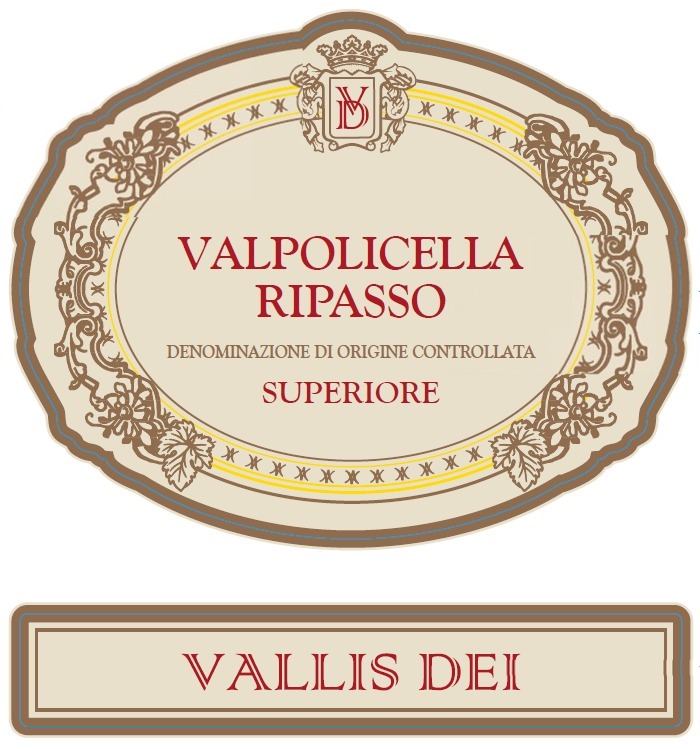
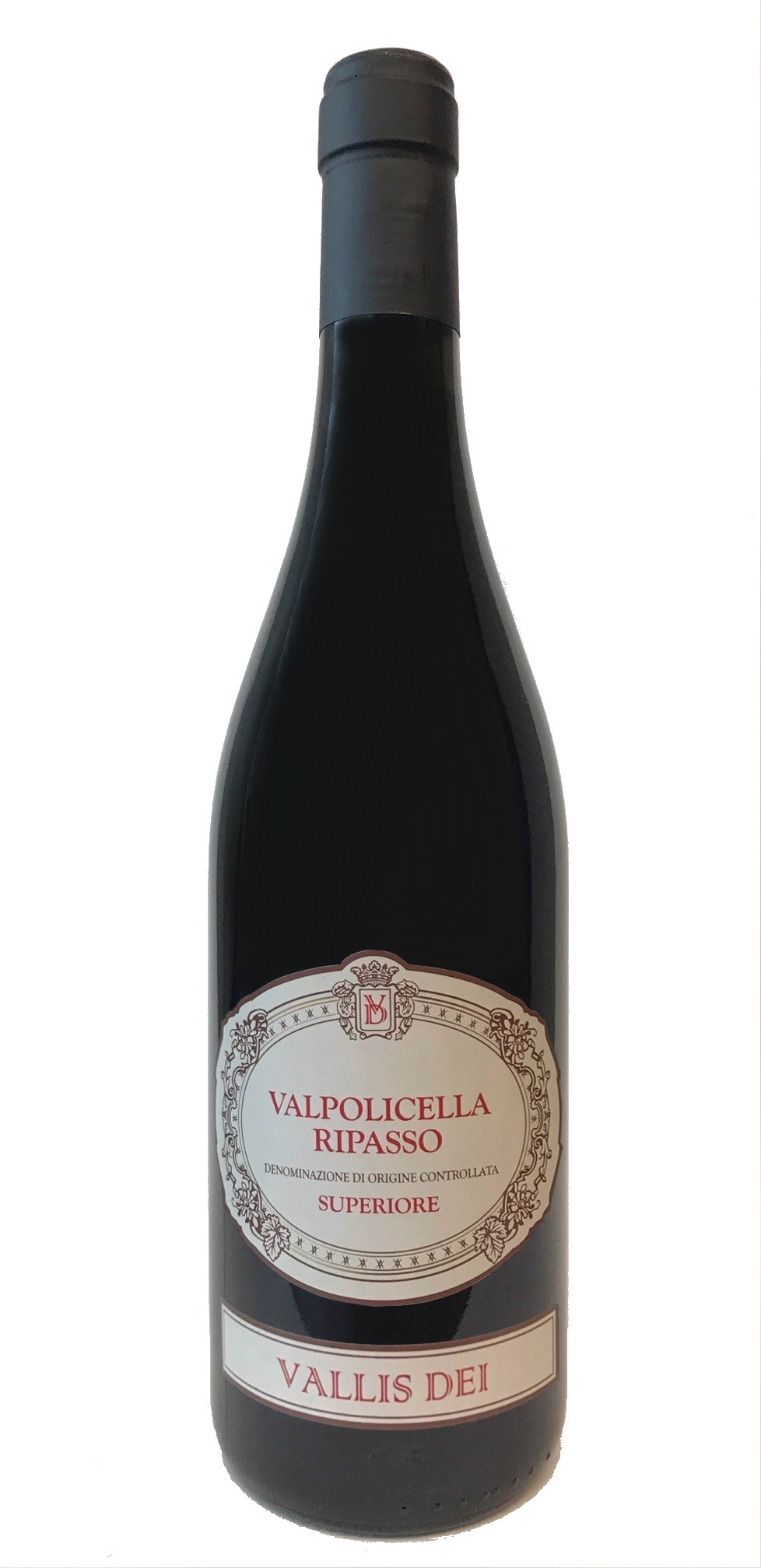
Cantina di Verona Valpolicella Ripasso Superiore Vallis Dei is made from 70% Corvina Veronese, 25% Rondinella, 5% Molinara
Color: intense red ruby
Nose: winey, fruity with hints of oak. Some spice and vanilla.
Mouth: It is well balanced with round tannins.
Yield: 10000 kg of grapes per hectar – after which the grapes are dried “appassimento”
-150x300.jpg "Lambrusco Amabile Bruscus San Valentino Red 2018")
Lambrusco Amabile Bruscus San Valentino Red is 100% Lambrusco from grapes grown in the province of Modena and Reggio Emilia.
Traditional vinification methods combined with modern technology to produce wines of guaranteed quality. After the grapes are pressed, they are transferred to fermentation tanks where the must is racked off in an average of 70 hours. The wine then completes its first rapid fermentation process and passes to the slower fermentation phase, during which time it is racked off several times to improve its clarity. The wine is placed in an autoclave at strictly controlled temperatures wherein it undergoes a second fermentation. This is known as the Charmat Method. The temperature is controlled for full development of the bouquet and for the lively and natural sparkle so characteristic of this wine.
Deep ruby red with violet reflections and a fine perlage.
Intense vinous bouquet with hints of ripe red fruits.
Lively, fresh, sweet and inviting with bright fruit and a delightful sparkle.
Excellent by itself or with desserts of dark chocolate, gorgonzola, cheesecakes.

Livia Fontana Barbera d'Alba Superiore is made from 100 percent Barbera.
Organoleptic characteristics: intense ruby red color. Fresh and intense aromas with currants and berries notes. Warm, full, rich and persistent taste, full body. Suitable for long aging.
Excellent accompaniment to warm appetizers, rich first courses, red meat and the medium-seasoned cheeses.

Chavy-Chouet Bourgogne Blanc Femelottes is made form 100 percent Chardonnay.
This is a charming, rich, focused and delightful white. Medium-bodied with a smooth texture, the wine has a fresh backbone of acidity, clean apple and citrus flavors, and an excellent balance. A most refreshing quaff and one that is great value. A delicate, expressive wine of exceptional quality.
The grapes from this wine are grown from the Puligny-Montrachet area. (either outside of the AOC limit or with younger vines).
The grapes from this wine are grown from the Puligny-Montrachet area. (either outside of the AOC limit or with younger vines).
Aged 10 months in oak barrels (10% new, the rest in 2-3 year old barrels).

Corne Loup Cotes du Rhone Rouge is made from 50% Grenache, 40% Syrah and 10% Mourvedre.
Color: dark red ruby.
Aromas: red berries, truffles and spices.
Flavors: complex and rich. It shows red and black fruits, with an herbal spice type of aromas coming from the surrounding vegetation (Garrigue).
The average age of the vines is 40 years. (The oldest vines are 80 years old). Yield: 40 hl/ha The soil is mainly sandy marl and small pebble stones.
Lamb, duck, turkey, red meat, game and cheese.