
" We don't sell the wine without touching the vine "
| BUY MORE! SAVE MORE! | ||||||||||||||||||||
|
| Country: | Italy |
| Region: | Tuscany |
| Winery: | Castellare di Castellina |
| Grape Type: | Sangiovese |
| Organic: | Yes |
| Vintage: | 2019 |
| Bottle Size: | 750 ml |
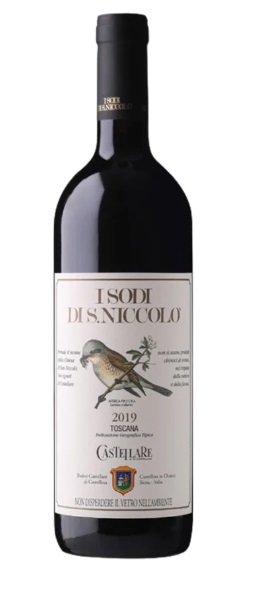
Castellare di Castellina 'I Sodi di San Niccolo' Toscana IGT is a blend of Sangioveto (85%-90%) and Malvasia nera (15-10%)
Castellare’s top wine, ranked in the Wine Spectator Top 100 on multiple occasions and recognised with the prestigious Gambero Rosso’s Tre Bicchieri and Bidenda’s Cinque Grappoli ratings. The company takes great pride in demonstrating the greatness of the Sangioveto variety, paired with Malvasia Nera, achieving a worldwide position of sixth place.
Pairs well with cold cuts and meat rich in flavour, cheeses with a strong and aromatic taste, in particular, Pecorino Toscano and Parmigiano.
The masterpiece of Castellare, I Sodi di San Niccolo, has twice placed in the top 100 of Wine Spectator, and has been awarded “Three Glasses” by Il Gambero Rosso.
I Sodi di San Niccolo is produced solely with native varieties: 85-90% of Sangioveto and 10-15% of Malvasia Nera, I Sodi comes from the two best crus of the farm.
The word "I Sodi" was used by the Tuscan farmers to describe those grounds which had to be processed by hand, being too hard (in fact firm) or too steep to allow for the employment of the horses, unlike the "fields" that make the grounds more easily cultivable.
Reviews:
Clear ruby with a fine garnet sheen. Impressive nose, very finely drawn, aromas of juicy cherries, blood orange and dried thyme, some liquorice in the background. Polished and precise from the attack to the finish, finely-meshed, very well-integrated tannins, flows beautifully, finely worked out fruit, long finish.
-Falstaff 97 Points
Complex and deeply embedded aromas of ripe blackberries, spices and aromatic bark. Full-bodied and very firm for now, with impressive concentration of fruit and tannin. Very long, balanced finish. Great to taste now, but this is one for the cellar. Patience will be rewarded. Sangiovese and malvasia nera. This has always been a top Tuscan red. Best from 2027.
- James Suckling 96 Points
Super fragranced nose, patchouli, pot pourri, Turkish Delight, rose with caramelised red berries and a touch of smoke and incense - all quiet forward and expressive. The nose alone you could smell for hours such is its complexity and beguiling nature. Powerful and concentrated on the palate, this is broad and muscular, sinewy with depth and determination. Tannins are well integrated, really giving the support to the fruit and acidity, driving the flavours forward despite the clear weight and hold. Fragranced red berries continue on the palate with a touch of stone, graphite and matchstick. Rich and big on the mid palate, becoming more focussed towards the finish. Cleary well made with lots going on. Acidity is great, it's cool, clean, sleek and packed full of flavour. Almost too much, this is a big wine, so needs time, but has lots of appeal and mouthwatering freshness throughout. Released on the 9th March. Director and winemaker Alessandro Cellai.
- Decanter 96 Points
Castellare di Castellina is not just wine, olive oil ('Olionovo' stands for the fact that, unlike wine, oil does not improve with age), grappa and other quality products, but it also means a warm welcome and the chance to stay in one of the most enchanting settings in the Chianti and all Tuscany. Inside the property, surrounded by the vineyards of Castellare, it's possible to enjoy holidays of rare quality in a rural environment that has been restored according to the criteria defined by the art critic Cesare Brandi: as much conservation as possible while respecting modern lifestyles.
Villa delle Upupe, named after the extraordinary birds (hoopoes) that nest in the area, stands on one of the hills that form the natural amphitheatre of Castellare, overlooking a unique landscape that turns red at sunset... Inside, every room - from the cosy and intimate bedrooms to the welcoming living area - has been carefully designed in the minutest detail, with fine furnishings, high-quality accessories and beautiful tapestries that evoke the unmistakable colour subtleties of the Sienese countryside. The fruit of a sympathetic and skilful restoration project, this farmhouse reinterprets the classic Tuscan architecture, adapting to the sloping terrain that it stands on and allowing direct outdoor access to and from each of its two floors. Further enhancing the pleasure of staying here is a private swimming pool surrounded by garden greenery, with a view to the west as far as San Gimignano and its beautiful towers -the skyscrapers of antiquity -on the other side of the valley. The Villa can comfortably accommodate 8 people.
Castellare di Castellina 'I Sodi di San Niccolo' Toscana IGT is a blend of Sangioveto (85%-90%) and Malvasia nera (15-10%)
Intense ruby red in color and with a great olfactory concentration, thanks to the presence of a ripe red fruit that leads to notes of jam, but also spices, vanilla and licorice. In the mouth the wine is characterized by a dense and elegant texture, also supported by the important acidity of the Sangiovese, the tannins are absolutely sweet and the finish is long and of great persistence.
Excellent with cured meats and savory meats, with succulent dishes and mature cheeses. Much appreciated when paired with Tuscan Pecorino and Parmigiano.
The masterpiece of Castellare, I Sodi di San Niccolo, has twice placed in the top 100 of Wine Spectator, and has been awarded “Three Glasses” by Il Gambero Rosso.
I Sodi di San Niccolo is produced solely with native varieties: 85-90% of Sangioveto and 10-15% of Malvasia Nera, I Sodi comes from the two best crus of the farm.
The word "I Sodi" was used by the Tuscan farmers to describe those grounds which had to be processed by hand, being too hard (in fact firm) or too steep to allow for the employment of the horses, unlike the "fields" that make the grounds more easily cultivable.
Reviews:
Packed with ripe, juicy cherry, blackberry, pomegranate and floral aromas and flavors, this red is supple and beautifully integrated. Earth, iron and tobacco accents add detail as this winds down on the lazy, resonant aftertaste, showing terrific energy. Sangioveto and Malvasia Nera. Best from 2026 through 2043.
-Wine Spectator 97 Points
#35 Wine Spectator Top 100 of 2024
Vinous 97+ Points
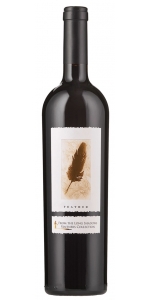
Long Shadows Feather Cabernet Sauvignon is made from 100 percent Washington State Cabernet.
Acclaimed Napa Valley vintner Randy Dunn has a reputation for producing world-class Cabernet Sauvignon. He brings more than four decades of winemaking experience to the Columbia Valley to produce Feather, his only wine made outside of California.
Tasting Notes: Deep crimson colored with pure and expressive Cabernet Sauvignon character. Generous aromas and flavors of dark fruits, violets, coffee and toasted herbs combine with a textured mid-palate to deliver a big, yet focused, wine with polished tannins and persistent finish.
Winemaking: Grapes were hand-harvested at the peak of ripeness, then lightly crushed and fermented in small stainless steel tanks. Once fermentation was underway, the cap was pumped over aggressively to extract color and structure. As fermentation neared completion, pump overs were handled more gently to further extract color and flavors without imparting harsh tannins. The finished wine was aged 22 months in 90% new Vicard French oak barrels (Randy's cooper of choice at Dunn Vineyards as well).
Alcohol: 14.4%
pH: 3.86
TA: 0.58 grams / 100ml
Review:
All Cabernet Sauvignon and a blend put together by Randy Dunn, the 2021 Cabernet Sauvignon Feather is inky purple-hued and offers a brilliant nose of cassis, new leather, graphite, and truffly earth. This rich, spicy, full-bodied Cabernet Sauvignon has terrific purity, a deep, layered mid-palate, and a broad, layered, expansive mouthfeel that keeps you coming back to the glass. Drink this remarkable Washington State Cabernet Sauvignon over the coming two decades.
-Jeb Dunnuck 97 Points
Trus Ribera del Duero Crianza is made from 100 percent Tempranillo.
Trus - an acronym for T-tierra (soil), R-roble (oak), U-uva (grape), S-sol (sun) - aims to reflect the uniqueness of each vintage, the aging potential of the wine in the bottle over the years.
Trus takes its roots in Palacios Vinos de Finca, the estate that was founded in 1999, then purchased by Javier Palacios who decided to focus on producing wines that express the purity and typicity of the Ribera terroirs.
The estate vineyards are located in Piñel de abajo, Pesquera de Duero, Quintanilla de Arriba. The winery also partners with winegrowers in Moradillo, Roa, Nava, Peñaranda or Baños de Valdearados. The clay-limestone soils of the high-altitude vineyards define the intense and complex personality of the wines. That is why Trus wines can be defined as classic, because an avant-garde look is the one that is directed towards the soil, preserving a typicity that is marked from its deepest roots.
Trus Crianza reveals a clean and bright cherry color with Burgundian tones at the rim. The nose is very intense and complex, offering ripe black fruits and liquorice aromas, toasty and vanilla nuances, spices and balsamic notes. The wine is tasty and unctuous on the palate, a perfect harmony between acidity and alcohol. Fresh and friendly mouthfeel, the ripe and soft tannins provide structure and great length. Long finish, ripe fruit aftertaste with a smoky and spicy finish.
Review:
"A plush and fabulous expression of variety and provenance with well-integrated alcohol, tannin and acidity. Will continue for several years and mellow. Be warned – one glass will be quickly followed by the next."
- Decanter World Wine Awards 2021, 96 points - GOLD MEDAL
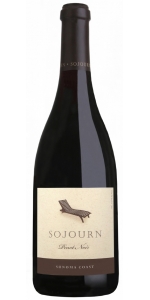
Gap's Crown Vineyard has become one of the most iconic Pinot noir vineyards in the Sonoma Coast. It was originally developed by Premier Pacific Vineyards between 2002 and 2005 and later purchased by Price Family Vineyards in 2013. In 2007, Sojourn Cellars became one of the best to make a vineyard-designate wine from Gap's Crown. Our clone 115 block, planted in 2005 on 3309 root stock at 800 feet elevation, has been the foundation for Sojourn since we began making Pinot noir from this vineyard. Our clone 828 block was planted in 2002 on 420A root stock, and two clone 667 blocks round out the blend, both planted in 2004 on 3309 root stock. This hillside vineyard is situated on the western slope of Sonoma Mountain and is cooled by the persistent wind and fog of the Petaluma Gap.
WINEMAKER NOTES: The 2021 growing season offered optimal conditions in the Sonoma Coast to harvest grapes of exceptional quality. The air remained clear with no res in Sonoma and pandemic lock downs ended. Our spirits were lifted and the grape harvest and wine quality benefited. . Brief heat waves in August and September ripened the grapes to ideal maturity as the weather stayed dry until major rains arrived October 22, after our grapes were harvested. Yields were lower than average in 2021, with small berries and loose clusters creating wines of increased depth and concentration. In 2021 we blended destemmed clone 115 and clone 667, while fermenting all the clone 828 100% whole-cluster. The resulting wine, our 15th vintage of Pinot noir from Gap’s Crown Vineyard, offers complex layers of elegant fruit flavors with a bold strength at its core.
Review:
Like a majority of the Sojourn 2021 Pinot Noirs, the Gap’s Crown is also aged in 50% new French oak but sees approximately 15% whole cluster during fermentation. This Pinot Noir is always one of my favorites coming out of the Sonoma Coast, and the Sojourn 2021 is another beautiful example. A shimmering ruby-garnet core with a blueish rim in the glass, it assembles bountiful notes of dark cherry compote, fresh black raspberry, spiced blue plum skin, brown mushroom, salty sea breeze, liquid chocolate, and hints of dried lemongrass. Complex, engaging, and downright delicious, this should be a wine that everyone should seek out to try. 1025 cases were produced. Better in 2023 and then enjoy for the next 12–15 years. Highly recommended and editor’s choice.
- International Wine Report 97 Points
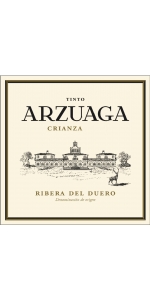
Arzuaga Ribera del Duero Crianza 95% Tempranillo and 5% Cabernet Sauvignon.
Dark cherry color with purple highlights. Powerful nose and high aromatic diversity of ripe red and black fruits, spicy and balsamic notes, and a roasted finish. Soft and mellow in the mouth with a great fruitiness and length.
Review:
This is a big wine with alluring aromas of cedary oak and black fruit. Ripe palate of black berries, some dark chocolate and integrated, polished oak. Long spicy finish. Classy Ribera. -Decanter 95 Points
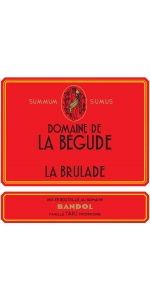
Begude Bandol Rouge La Brulade is made from 95% Mourvedre and 5% Grenache.
"La Brulade" is the name of a select slope located at an altitude of 400 meters overlooking the Mediterranean sea between La Baie d'Amour (the town of La Ciotat) in the South and La Sainte Baume in the North. This is one of the highest parcels in the Bandol appellation.
The wine is only produced in exceptional vintages. This carefully selected blend is made of 95% Mourvedre and 5% Grenache, aged in large French oak barrels for 24 months.
The wine shows a deep purple color. It is fresh and fruity on the nose with intense garrigue aromas. Structured, elegant and well-balanced on the palate with strong tannins. Licorice, ripe black fruits, garrigue flavors and some peppery freshness on the finish.
The 35-year old grapes are grown on clay and limestone soils and are farmed organically. Yield is very low - 15hl/ha. The grapes are harvested manually.
Winemaking: Double selection, destemming, crushing before skin contact fermentation. No filtration. Aging for 24 months in French oak casks (600L).
Grilled meat (lamb, beef, boar), Mediterranean cuisine, spicy dishes.
Review:
"Complex nose with deep black berry fruits, spice and hints of polish. Really lovely texture with layers of creamy red and black fruits, spices and powerful but super fine tannins. Great expression of the appellation; powerfully long."
- Decanter World Wine Award 2020 - 97 pts & Platinum Medal
Castellare di Castellina 'I Sodi di San Niccolo' Toscana IGT is a blend of Sangioveto (85%-90%) and Malvasia nera (15-10%)
Intense ruby red in color and with a great olfactory concentration, thanks to the presence of a ripe red fruit that leads to notes of jam, but also spices, vanilla and licorice. In the mouth the wine is characterized by a dense and elegant texture, also supported by the important acidity of the Sangiovese, the tannins are absolutely sweet and the finish is long and of great persistence.
Excellent with cured meats and savory meats, with succulent dishes and mature cheeses. Much appreciated when paired with Tuscan Pecorino and Parmigiano.
The masterpiece of Castellare, I Sodi di San Niccolo, has twice placed in the top 100 of Wine Spectator, and has been awarded “Three Glasses” by Il Gambero Rosso.
I Sodi di San Niccolo is produced solely with native varieties: 85-90% of Sangioveto and 10-15% of Malvasia Nera, I Sodi comes from the two best crus of the farm.
The word "I Sodi" was used by the Tuscan farmers to describe those grounds which had to be processed by hand, being too hard (in fact firm) or too steep to allow for the employment of the horses, unlike the "fields" that make the grounds more easily cultivable.
Reviews:
Packed with ripe, juicy cherry, blackberry, pomegranate and floral aromas and flavors, this red is supple and beautifully integrated. Earth, iron and tobacco accents add detail as this winds down on the lazy, resonant aftertaste, showing terrific energy. Sangioveto and Malvasia Nera. Best from 2026 through 2043.
-Wine Spectator 97 Points
#35 Wine Spectator Top 100 of 2024
Vinous 97+ Points
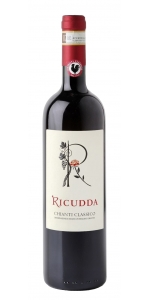
Ricudda IGT Toscana Canaiolo is made from 100% Sangiovese.
Intense ruby red with purple tints. Aromas of flowers and berries accompanied by sweet spices. Fresh and easy to drink, with intense fruity notes.
To be combined with first and second courses based on meat, cold cuts, vegetables and fresh cheeses.
First courses with game, grilled meats, fresh and aged cheeses such as pecorino.
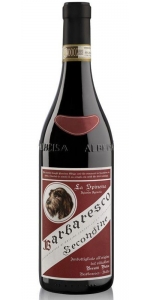
La Spinona Barbaresco Secondine is made from 100 percent Nebbiolo.
This single-vineyard Barbaresco comes from his 3.5 hectares on the cru of Secondine. It is the commune of Barbaresco below the zone of Rabaja Basa and Paje and is where Gaja’s San Lorenzo is located. It is 230 meters above sea level with a southern exposure.
Excellent with game, red meats, truffle dishes and aged cheeses.
Color: Deep ruby red with a hint of garnet in the reflections.
Bouquet: Bright bouquet full of cherries, raspberries, licorice and floral notes.
Taste: Elegant and refined with delicate, soft tannins. It is fresh, velvety and extremely well balanced.
Review:
"The 2019 Barbaresco Secondine is one of the most refined wines I have tasted here. Silky and aromatic, yet also quite deep, the 2019 has much to recommend it. Crushed flowers, sweet red berry fruit, blood orange, mint and cinnamon lend notable aromatic presence to this firm, classically built Barbaresco. There's plenty of tannin and structure, but also an element of pure seduction I am especially drawn to in this vintage."
- Antonio Galloni's Vinous (October 2023), 95 pts
-James Suckling 94 Points
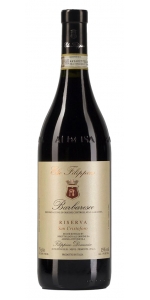
Filippino Elio Barbaresco San Cristoforo Riserva
Made from 100% manual harvest Nebbiolo, the wine comes from the hillsides of San Cristoforo hill in Neive enjoying a south-southwest exposure. The fruity bouquet offers subtle notes of violet and raspberries, combining with spicy hints of cinnamon, cocoa and leather. Full, enchanting and elegant taste, intense with a good body.
The best grapes are delicately pressed and the stalks are removed. The must ferments in stainless steel vats at a controlled temperature of 26°C with a maceration of 20 to 25 days. After racking, the new wine is put into 25 e 30 H Slavonian oak casks for long months. Next, it is bottled and left to age for at least an additional 24 months.
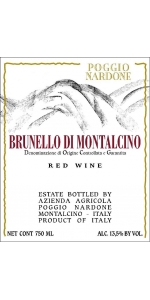
Poggio Nardone Brunello di Montalcino is made from 100 percent Sangiovese Grosso.
The rich nose displays scents of spices combined with aromas of small red ripe fruits, blackberry and blueberry.
Well structured, determined and elegant, with round and silky tannins. Very nice finish.
Alcoholic fermentation was done in tank, malolactic fermentation in oak barrels. Wine was then aged for 3 years in French oak barrels.
Review:
Powerful and classic, it alternates in the best way the floral features of magnolias, gardenias and hawthorn with fruity notes reminiscent of plums, pressed blueberries and lemon juice. Medium-full body, smooth and relaxed in the sip, it closes harmonious and balanced. How beautiful! Better from 2024.
Raffaele Vecchione - WinesCritic.com 94 Points
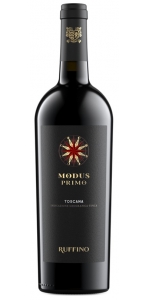
Ruffino Modus Primo Toscana IGT Italian Red Wine is the evolution of Modus, showcasing quality fruit from three Tuscan vineyards on Ruffino's Poggio Casciano Estate, each one representing the best that this centuries-old wine region terroir has to offer. This Ruffino wine opens with a bouquet of ripe cherries and orange zest, followed by layered balsamic notes and spicy hints of sweet tobacco and vanilla.
Review:
Ripe and lively in its sensory profile, it shows notes of black plums, blackberries, sage and laurel. Juniper berries describe the secondary scene. Full body, elegant and relaxed on the palate, it closes modern and captivating. Better from 2023.
-WineCritic.com 94 Points
A very savory nose of tar, leather and cigar smoke draws levity from undertones of vanilla, baking spices and dark berries. On the palate, the fruit brightens, but things stay savory overall, through a dark, bitter chocolate finish. Acid bubbles around big, chewy tannins.
-Wine Enthusiast 94 Points
Aromas of crushed stones, dark berries and blueberries follow through to a medium to full body with creamy tannins and a medium-chewy finish. Chocolate at the end. Sangiovese, cabernet sauvignon and merlot. Two or three years of bottle age will bring this around nicely. Drink after 2024.
James Suckling 94 Points
A very savory nose of tar, leather and cigar smoke draws levity from undertones of vanilla, baking spices and dark berries. On the palate, the fruit brightens, but things stay savory overall, through a dark, bitter chocolate finish. Acid bubbles around big, chewy tannins.
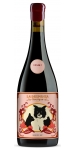
La Despensa Boutique Cinsault is made from 100% Cinsault.
A genuinely unique wine - they are the only producers of Cinsault in Colchagua! From a new vineyard planted in 2017, the team at La Despensa thinks they’ve hit the jackpot with this variety in this valley. Much more structure, color and intensity than the typical Chilean Cinsaults from further south, this is an easy drinking but serious version of this wonderfully fruity variety!
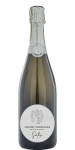
Monzio Compagnoni Franciacorta Saten Brut Millesimato
Color: very deep golden yellow, often, with very abundant froth and persistent perlage of great finesse.
Scent: it has a rich spectrum of scents, it is enveloping and almost greasy without any cloyingness; there are sensations of vanilla, biscuit, licorice, anise.
Taste: in perfect correspondence with the nose, even the taste is full, rich, generous, juicy; all well balanced by an acid base that allows the sweet sensations (of ripe fruit) to express themselves without tiring the palate
The name "Saten" means Silk.
The name "Franciacorta" comes from a phrase in the 1100-1200’s for tax exempt. The phrase is "Franzacurta”….referring to tax exempt status of some local towns in Lombardy, Italy. Franziacorta became a DOC in 1967 and was granted the DOCG status in 1995. There are 2000+ hectares (5,400 acres) total for the appellation with over 100 producers. Total production for the DOCG is around 550,000 cases.



