" We don't sell the wine without touching the vine "
| Country: | France |
| Region: | Languedoc |
| Winery: | S.C.V. Castelmaure |
| Grape Type: | Grenache |
| Organic: | Yes |
| Vintage: | 2019 |
| Bottle Size: | 750 ml |
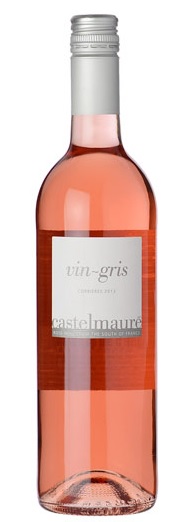
Castelmaure Corbieres Vin-Gris (Rose) is made from 80% Grenache, 10% Carignan, 10% Cinsault.
Pale pink rose color, a classic gris de gris wine with salmon hues.
Delicate strawberry nose, seamless and fine pointed.
Delicious as an aperitif, it is also great when paired with seafood, salads, Asian-Thai cuisine, grilled fish and tajines.
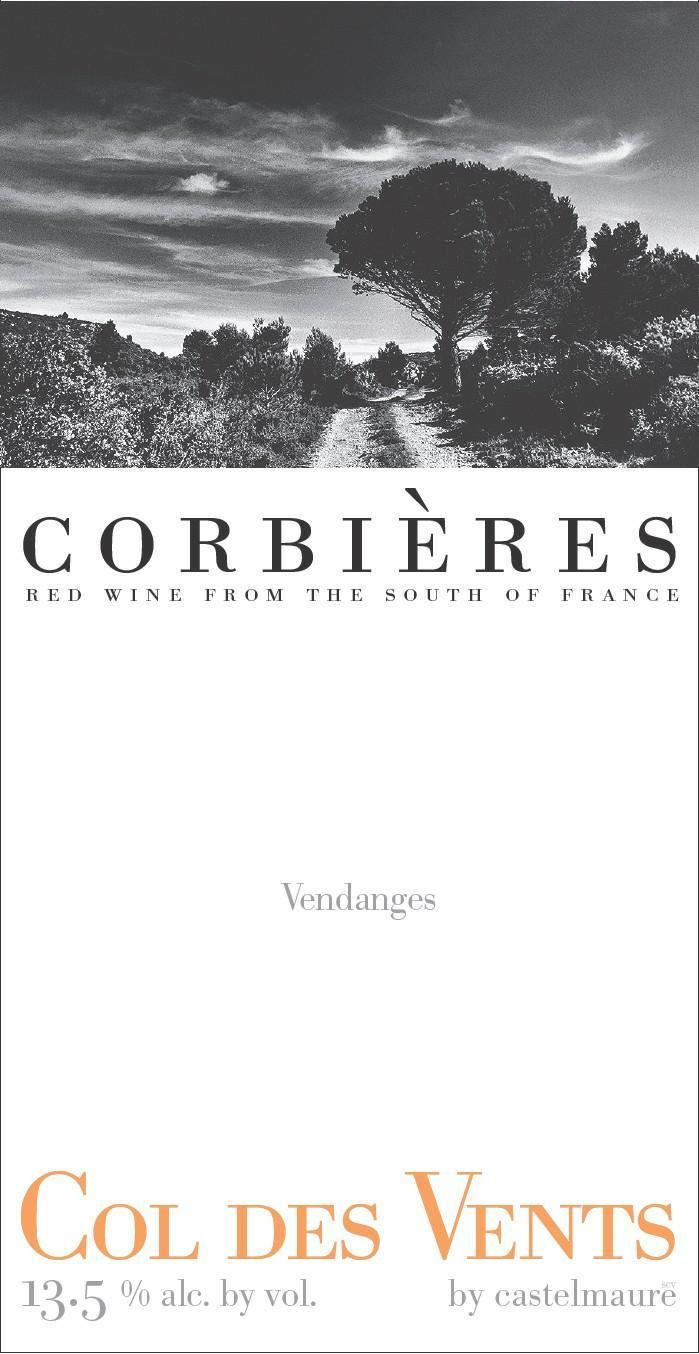
Castelmaure Col des Vents Corbieres is made from 50% Carignan, 30% Grenache, 15% Syrah and 5% Cinsault.
"Col des Vents" means "Windy Mountain Pass" as it is quite windy and located at the foothills of the Pyrenees mountains.
Originally, the label was a replicate of a Max Savy's painting.
Brambly berry, cherry and raspberry, spices, black pepper ... all are present in this authentic French country wine. There are also some aromas of Garrigue (Rosemary, thyme and lavender) giving a minty, herbal notes, that are quite refreshing as well.
-150x300.jpg "Castelmaure Cuvee N°3 Corbieres 2022")
Castelmaure Cuvee N°3 Corbieres is made from 70% Syrah, 28% grenache and 2% Carignan
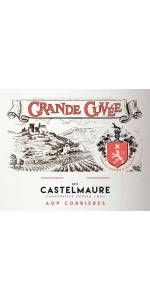
Castelmaure Grande Cuvee Corbieres Rouge is made from 50% Grenache (30 year old) and 50% Syrah (30 year old)..
In the early 1990’s, Castelmaure began experimenting with a Prestige Cuvée of Corbières. This wine has become known as “Grande Cuvée” and is made with the help of the winemaking team of Tardieu-Laurent.
Vinification: destemming, pneumatic press, end of fermentation at 25 degrees C; two racking; aging in tank then in 220 Liter Bordeaux barrels for 10-12 months. Egg fining, slight filtration..
Deep and intense color, powerful aromas of dark berry fruit, prune and coffee nuances, and a persistent finish.
Vineyards: planted on 50% Schist and 50% limestone soils.
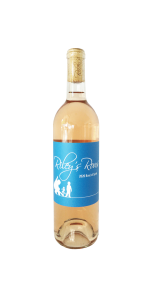
Rileys Rows Rose of Syrah is made from 100 percent Syrah.
When I think about my rosé one word comes to mind: intentional. Made from 100% syrah and pressed off skins in the Provencal style this wine is not just an afterthought. Typically picked in mid-October from a cool climate site the fruit comes in with both chemical and flavor ripeness. The result is a low alcohol, fresh wine with a complete flavor profile
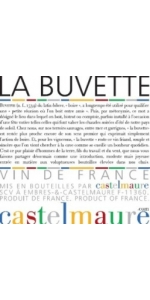
Castelmaure La Buvette is made from 60% Grenache, 40% Carignan
Vinification: Grenache - destemming in low temperature, short maceration..
Carignan - carbonic maceration.
Fining, filtration, cold stabilization.
A purple color, intense aromas of strawberry and cassis. Fresh and fruity in the mouth with silky smooth tannins. Great as an aperitif, it also pairs well will grilled meats, salads.
Castelmaure Corbieres Vin-Gris (Rose) is made from 80% Grenache, 10% Carignan, 10% Cinsault.
Pale pink rose color, a classic gris de gris wine with salmon hues. Delicate strawberry nose, seamless and fine pointed.
Review:
Light pink-hued, the 2018 Vin Gris Rose from the Corbières has a juicy, fruity bouquet of ripe strawberries, violets, and white peach to go with a clean, balanced, deliciously gulpable style on the palate. It’s well done and I suspect a good value."
- Jeb Dunnuck (March 2020), 90 pts
The S.C.V Castelmaure Estate
S.C.V. Castelmaure was founded in the 1920’s and today consists of 65 members, of which 15 bring 85% of the production. The winery is located in the unofficial Corbieres cru site of Durban (there are 11 unofficial Cru’s in Corbieres), which will become soon an official Cru together with Boutenac and Alaric. The Serre mountain in the south protects the little plateau of Castelmaure from the off weather patterns of the Mediterranean sea.
Patrick de Marien, the president of the cave, and Bernard Pueyo, the director, work in conjunction with Tardieu/Laurent in trying to produce wines of higher quality each year.
The S.C.V Castelmaure Vineyard
The AOC Corbieres was created in 1985 and measures 23,000 hectares (56,810 acres). The appellation requires a minimum of two grapes in a wine blend.
The co-op farms 350 hectares (868 acres) around the tiny hamlet of Embres et Castelmaure. The 760 parcels are inspected and the characteristics recorded on computer. Each parcel is supervised individually by a technician who dedicates his time to this task. They have re-learned to prune, plough, check yields, sort, select, with a permanent focus on the respect of the environment. All the grapes are harvested by hand. In the cellar, vats hygiene, temperature control, ultramodern pressing contribute to a better expression of the terroir.
Castelmaure produces 90% red wine of which 80% is A.O.C. Corbieres.
The soil is made of schist, limestone, alluvial river wash and argilo-calcaire.
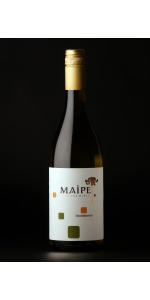
Maipe Chardonnay 2013 is made from 85% Chardonnay, 15% Viognier.
Manual harvest.
5 hour maceration on skins in temperature controlled steel vats; fermentation with selected yeasts at 14°-16°C; 30% malolactic fermentation.
30% was aged in French oak barrels.
Brilliant yellow golden color with green hints.
The wine is crisp and filled with white peach, pear, green apples flavors, toasty vanilla. Elegant and luscious wine, well balanced. Crisp and long finish.
Pairs well with creamy soups, pork, veal, vegetables.
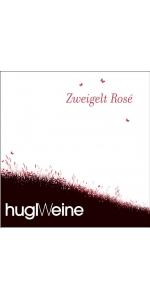
Despite its relative youth, Zweigelt is actually an Austrian classic. This variety was created in 1922, when Dr. Fritz Zweigelt crossed two grapes - St Laurent and Blaufränkisch. Originally, it was intended for the new variety to be called Rotburger, referring to the place where it was born, Klosterneuburg. But this name never took hold, and instead, Zweigelt was named after the man who was the key in its development.
Today, Zweigelt is the most widely planted red variety in Austria, growing in nearly 9% of this country's vineyards. It is a robust grape, highly resistant to dryness, frost and various diseases.
The wine boasts a pale rosé color, it has plenty of fruity aromas, with red cherry and wild strawberry flavors. It is medium-bodied, but it still have a nice long and pleasant finish with a light cinnamon type of spice to it.
Only the best grapes are harvested with a lot of experience and know-how and further processed. The grapes are fermented directly gently pressed and cooled. The fermentation takes place exclusively in stainless steel tanks.
Perfectly at home on any picnic, delicious with fried chicken, and tames the heat when paired with spicy dishes. There is also a slight watermelon note that makes it perfect for spring and summer. A great pairing with barbecued shrimp.
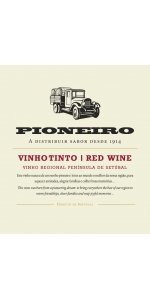
Pioneiro Red Wine Vinho Regional Peninsula de Setubal is made from 60% Castelao (also known as Periquita), 30% Aragones and 10% Syrah
Aged 5 months in French oak barrels
The story of this wines begun more than a century ago, with the pioneering dream of Venâncio da Costa Lima: to bring good wines to every corner of Portugal. Pioneiro wine brand was created to pay homage to his vision.
What's Unique? Pioneiro (meaning “pioneer” in Portuguese) wine vintage style label pay homage to the founder’s dream, dating back to 1914. But in a relaxed, casual way, typical of this wine producer mood.
Intense garnet color, complex nose with touches of ripe fruit, jam and spices, full-bodied flavor and a very balanced finish.
Castelao: as the most widely-grown red grape variety in Portugal it is still often referred to in Portuguese as "Periquita" or "Joao de Santarem", although that name is legally owned by José Maria da Fonseca in the Setúbal Peninsula outside of Lisbon. It is highly adaptable to different climatic conditions and its remarkable versatility enables winemakers to make a range of wines – from the easy drinking and quaffable reds and rosados to the powerful and intense reds perfectly suited to lengthy cellaring. Castelão comes into its own and is most expressive in the Sétubal Peninsula, where it makes meaty and intense wines with aromas of red berries and blue flowers that marry well with the deft use of oak.
Made from 15 year old vines planted on sandy soils.
Classic vinification at controlled temperature (25 °C) with prolonged maceration for phenolic extraction. Wine went through malolactic fermentation.
It was aged 5 months in French Oak barrels.
Wine was slightly filtered before bottling to avoid sedimentation in the bottle and to ensure stability.
Pasta, Cheese, red meat and game.
-150x300.jpg "Lambrusco Amabile Bruscus San Valentino Red 2018")
Lambrusco Amabile Bruscus San Valentino Red is 100% Lambrusco from grapes grown in the province of Modena and Reggio Emilia.
Traditional vinification methods combined with modern technology to produce wines of guaranteed quality. After the grapes are pressed, they are transferred to fermentation tanks where the must is racked off in an average of 70 hours. The wine then completes its first rapid fermentation process and passes to the slower fermentation phase, during which time it is racked off several times to improve its clarity. The wine is placed in an autoclave at strictly controlled temperatures wherein it undergoes a second fermentation. This is known as the Charmat Method. The temperature is controlled for full development of the bouquet and for the lively and natural sparkle so characteristic of this wine.
Deep ruby red with violet reflections and a fine perlage.
Intense vinous bouquet with hints of ripe red fruits.
Lively, fresh, sweet and inviting with bright fruit and a delightful sparkle.
Excellent by itself or with desserts of dark chocolate, gorgonzola, cheesecakes.
Castelmaure La Buvette is made from 60% Grenache, 40% Carignan
Vinification: Grenache - destemming in low temperature, short maceration..
Carignan - carbonic maceration.
Fining, filtration, cold stabilization.
A purple color, intense aromas of strawberry and cassis. Fresh and fruity in the mouth with silky smooth tannins. Great as an aperitif, it also pairs well will grilled meats, salads.

All older vintage wines have been purchased from a single collectors cellar. Pictures can be requested before shipment.

Sainte-Marie Bourgogne Blanc Vieilles Vignes is made from 100 percent Chardonnay.
The wine has a perfect light yellow color with green hues. Nose of white flower, sweet spice and bitter orange. Fresh and delicious attack. It shows roundness and a slight buttery note with a very saline finish that makes you slightly salivate.
Excellent with Seafood, grilled fish, clams and oysters of course. Also great with goat cheese or Comté cheese.
Aged on lees for 6 months in stainless steel vats. Adjustment of sulphites at the end of MLF and before bottling. Filtration on earth then on 1.2µ cartridge after bonding with bentonite.Machine harvest, and direct pressing with a pneumatic horizontal press. Static settling. Alcoholic and malolactic fermentation in stainless steel vats with native yeast and bacteria.
This wine is declassified Chablis, due to exceeding the volume limit per hectare it could not be labeled Chablis. They call it “over-production” Burgundy, but we call it an outstanding value. This exact same juice is selling for three times as much under the Chablis AOC label!