
" We don't sell the wine without touching the vine "
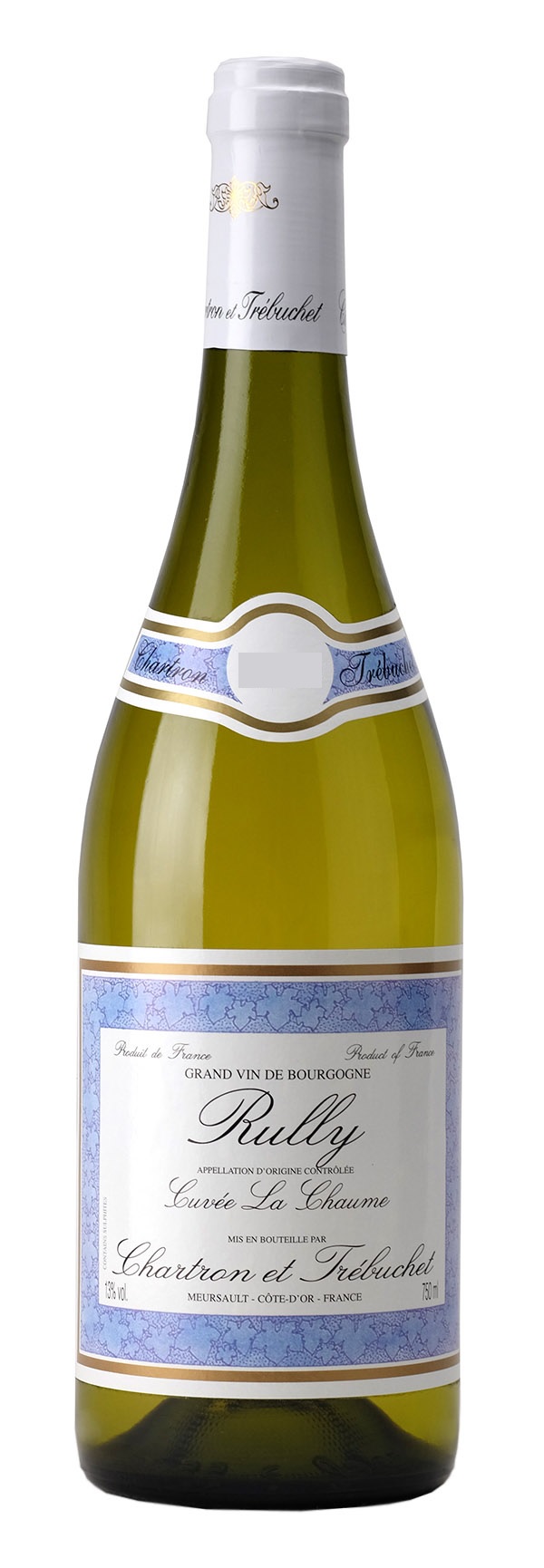
| Country: | France |
| Region: | Burgundy |
| Winery: | Chartron et Trebuchet |
| Grape Type: | Chardonnay |
| Vintage: | 2013 |
| Bottle Size: | 750 ml |

“1752” is the name of the Damilano Barolo Cannubi Riserva, in honor of the year in which the historic bottle was first marked “Cannubi”. It still exists today perfectly conserved by the Manzone family in Bra, close to Barolo. The bottle is clearly marked as being of “1752” vintage, indicating that Cannubi historically precedes Barolo.
About the Vineyard:
The Cannubi Cru is in found within one of the 6 core zones which comprise a UNESCO heritage site in Italy. A mixture of Tortonian and Helvetian calcareous marl gives the grapes intense aromas of cherry, plum and tobacco, rose and violet in sequence. Its low potassium and high calcium/magnesium content offer the wine a fine and polished touch. The vineyard is located at about 270 m. a.s.l. and has a south-east sun exposure. Barolo Riserva Cannubi 1752 It is a small plot of about 2 hectares of Nebbiolo vines, currently between 30 and 50 years of age.
Tasting Notes:
Garnet ruby red in color, the bouquet is intense and balanced, with notes of violet, red fruit, cherry and plum, spices, liquorice, cocoa, leather and tobacco. Dry, robust, full-bodied, very persistent, rich and velvety
Food Pairing:
This wine is excellent with typical piedmontes pasta (tajarin, ravioli); perfect with red meat, braised and roast meat, game and absolutely ideal with all types of cheeses.
Review:
The purity of this wine is pretty phenomenal with blackberries, strawberries, fresh flowers and licorice. Hints of tar. It’s full-bodied, yet composed and compact with ultra fine tannins and a long, flavorful finish. Very structured. Try after 2024.
-James Suckling 97 Points

Cellier du Chateau de la Chaume Bourgogne Chardonnay is 100% Chardonnay.
Clear yellow color.
Aromas of white flowers, honeysuckle, leme tree and dried fruits.
The palate is rich and balanced, with good acidity and nice minerality.
Good length to the finish, pair with fish in creamy sauce, white meats and fine cheeses.

Chaume Bourgogne Rouge Pinot Noir 2022 is made from 100% Pinot Noir.Color: bright ruby red
Bouquet: blackcurrant, raspberry and hints of blackberry
Bouche / Palate: smooth attack, balanced, fine tannins and smooth finish
Butterflied lamb, char-grilled steak, venison. Dishes like cassoulet or duck with olives if they're more rustic. Roast goose.

Cellier du Chateau de la Chaume Petit Chablis is made from 100 percent Chablis.
Color: Pale yellow
Bouquet: White flowers, honeysuckle, linden tree and dried fruits.
Palate: Very pleasant, balanced with tension and nice minerality
Drink as an Aperitif or pair with fish, shellfish.

All older vintage wines have been purchased from a single collectors cellar. Pictures can be requested before shipment.

Royet Rully Blanc Clos de Bellecroix is made from 100% Chardonnay.
Intense light yellow color - nose evokes ripe yellow fruit, with a hint of fresh wood and vanilla - round, gourmet palate with hints of smoke and vanilla.
Pair with white meat or fish with cream sauce, foie gras.
The village of Rully is situated in the Côte Châlonnaise North West of Chalon-sur-Saône. The parcel "La Chaume" is located South of the village.
The vineyards are facing South and located between 300 and 350 meters above sea level. Average age of the vines is 35 years. The vines are cultivated using integrated viticulture.
Plantating: 10,000 vines / hectare. Yield: 55 hectoliters / hectare.
A subsoil of clay and limestone is covered by a very stony top soil.
Golden yellow color with green highlights. The wine is a pure expression of the Côte Chalonnaise: minerality with chalky notes, freshness with a great acidity holding together the finish, elegance with orange blossom and hawthorn notes.
The Chartron et Trebuchet Estate
Owners of Premiers and Grands Crus in Puligny-Montrachet since 1859 with the Domaine Jean Chartron, Jean-René Chartron founded the Maison Chartron et Trébuchet in 1984 with Louis Trébuchet, manager of a wine trading company.
Vincent Sauvestre acquired the company in 2004. His objective is to continue to promote the great white wines of Burgundy, whilst respecting and perpetuating the quality work achieved by Jean Chartron and Louis Trébuchet.
The Maison Chartron et Trébuchet specialises in producing great white Burgundy wines. The know-how of the winemakers begins with a radical selection of the very best plots: the highest-quality terroirs of the Côte are chosen and the grapes are carefully monitored throughout the ripening period. Grapes are hand-picked when the balance between acidity and sweetness is at its prime: the fruit must not be too ripe so that the full potential of the terroir is maintained, including its acidity, to ensure that the wines age properly. All of the winemaking is done in casks: the alcoholic fermentation is followed by malolactic fermentation. A proportion of 20 to 40% of new barrels is used, depending on the appellations and the vintage. Wines are left to age for 12 to 18 months depending on the appellations.
The Chartron et Trebuchet Vineyards
Chartron et Trébuchet's vineyards are all planted on Limestone and Clay based soils. In average, the age of the vines is 30 years old.

Lismore Chardonnay Reserve made from 100 percent Chardonnay.
A careful selection of the best of the vintage that exemplifies the extraordinary terroir of Lismore. This Reserve Chardonnay shows intense citrus, stone fruit, jasmine and walnut layered with honey and vanilla carried by a distinct minerality and crisp acidity with a lingering citrus finish.
Wine Made in the Soil
The vineyards are planted in decomposed shale over clay at 300 meters in the foothills of the Sonderend Mountain Range. A low mean February temperature lends to an extended ripening period that can put harvest 3-4 weeks later than traditional wine growing regions in South Africa. The intense citrus notes and the lingering finish are consistent trademarks of Lismore's specific terroir. The restrained minerality of the Chardonnay is a clear indication of the cool climate in which it is grown.
Wine of Origin "Greyton" has been designated by SAWIS recognizing the special terroir of this region.
Delightful with warm curries which lift the aromatics or a traditional pairing of smoked salmon highlighting the fresh acidity.
Review:
100% Chardonnay matured in Burgundian oak (33% new) for 11 months. This Reserve Chardonnay shows intense citrus, stone fruit, jasmine and walnut layered with honey and vanilla carried by a distinct minerality and crisp acidity with a lingering citrus finish.
-Karen McNeil 95 points

Castelmaure Col des Vents Corbieres is made from 50% Carignan, 30% Grenache, 15% Syrah and 5% Cinsault.
"Col des Vents" means "Windy Mountain Pass" as it is quite windy and located at the foothills of the Pyrenees mountains.
Originally, the label was a replicate of a Max Savy's painting.
Brambly berry, cherry and raspberry, spices, black pepper ... all are present in this authentic French country wine. There are also some aromas of Garrigue (Rosemary, thyme and lavender) giving a minty, herbal notes, that are quite refreshing as well.



