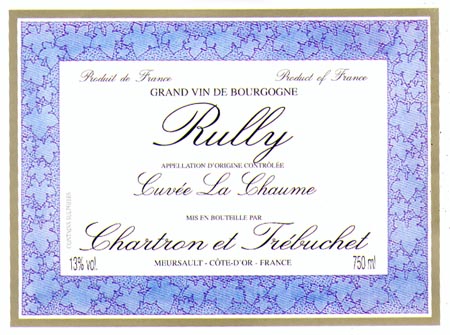
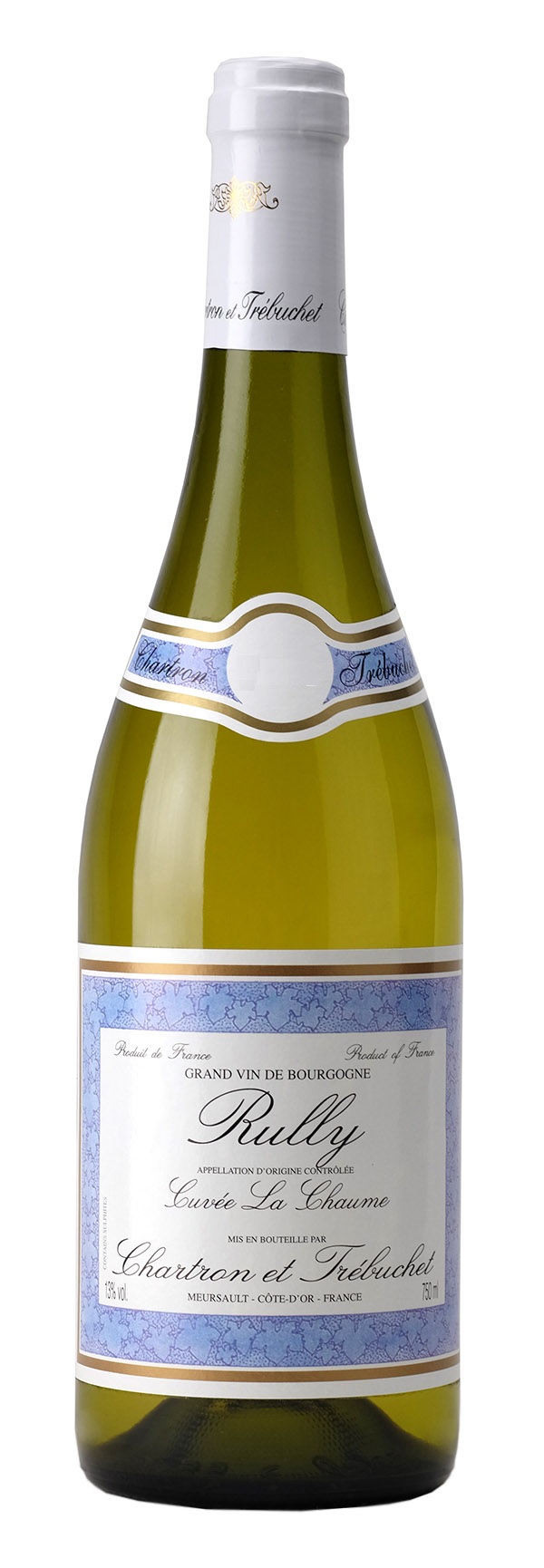
" We don't sell the wine without touching the vine "
| Country: | France |
| Region: | Burgundy |
| Winery: | Chartron et Trebuchet |
| Grape Type: | Chardonnay |
| Vintage: | 2015 |
| Bottle Size: | 750 ml |
Cellier du Chateau de la Chaume Bourgogne Chardonnay is 100% Chardonnay.
Clear yellow color.
Aromas of white flowers, honeysuckle, leme tree and dried fruits.
The palate is rich and balanced, with good acidity and nice minerality.
Good length to the finish, pair with fish in creamy sauce, white meats and fine cheeses.
Chaume Bourgogne Rouge Pinot Noir 2022 is made from 100% Pinot Noir.Color: bright ruby red
Bouquet: blackcurrant, raspberry and hints of blackberry
Bouche / Palate: smooth attack, balanced, fine tannins and smooth finish
Butterflied lamb, char-grilled steak, venison. Dishes like cassoulet or duck with olives if they're more rustic. Roast goose.
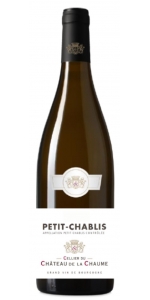
Cellier du Chateau de la Chaume Petit Chablis is made from 100 percent Chablis.
Color: Pale yellow
Bouquet: White flowers, honeysuckle, linden tree and dried fruits.
Palate: Very pleasant, balanced with tension and nice minerality
Drink as an Aperitif or pair with fish, shellfish.

All older vintage wines have been purchased from a single collectors cellar. Pictures can be requested before shipment.
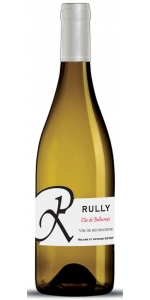
Royet Rully Blanc Clos de Bellecroix is made from 100% Chardonnay.
Intense light yellow color - nose evokes ripe yellow fruit, with a hint of fresh wood and vanilla - round, gourmet palate with hints of smoke and vanilla.
Pair with white meat or fish with cream sauce, foie gras.
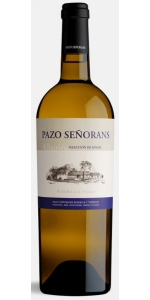
Pazo de Senorans Seleccion de Anada Albarino is made from 100 percent Albarino.
Straw yellow with greenish tints, vivid and brilliant. High intensity and very expressive. Profusion of aromas with traces of mineral. Great volume and ample body leaving a lasting impression from beginning to end.
Reviews:
The 2015 Albariño Selección de Añada is nothing short of phenomenal. For some reason, I hadn't tasted the young 2015 Albariño at the time it was released. It comes from the Los Bancales vineyard planted some 50 years ago and fermented with indigenous yeasts but without malolactic fermentation. It has a bright, almost fluorescent color and a complex, subtle and nuanced, elegant and expressive nose, with notes of sea shells and sea breeze, grass and white flowers. It's very clean, and the palate shows great balance and even feels a bit young. It has remarkable acidity and freshness (seven grams of tartaric acid) with good ripeness and 13% alcohol. This matured in tank with lees for over 30 months and was bottled in June 2024. It feels more serious and less exotic than earlier vintages. 18,000 bottles produced. This is the finest vintage that I can remember. Bravo!
-Wine Advocate 97 Points
Tech:
The village of Rully is situated in the Côte Châlonnaise North West of Chalon-sur-Saône. The parcel "La Chaume" is located South of the village.
The vineyards are facing South and located between 300 and 350 meters above sea level. Average age of the vines is 35 years. The vines are cultivated using integrated viticulture.
Plantating: 10,000 vines / hectare. Yield: 55 hectoliters / hectare.
A subsoil of clay and limestone is covered by a very stony top soil.
Golden yellow color with green highlights. The wine is a pure expression of the Côte Chalonnaise: minerality with chalky notes, freshness with a great acidity holding together the finish, elegance with orange blossom and hawthorn notes.
Traditional vinification. The grapes are pressed immediately upon arrival at the winery in pneumatic presses. The alcoholic fermentation is carried out in oak barrels, 20% new oak.
The wine is aged for 12 months in oak barrels with regular stirring to gain depth and complexity.
Marries perfectly with tender meat, freshwater fish, saltwater fish in white sauce, hot shellfish, poultry in a beautiful creamy sauce (eg stew) and frog legs. It can also be drunk as an aperitif. Hard cheeses: Comté, Beaufort, Emmental
The Chartron et Trebuchet Estate
Owners of Premiers and Grands Crus in Puligny-Montrachet since 1859 with the Domaine Jean Chartron, Jean-René Chartron founded the Maison Chartron et Trébuchet in 1984 with Louis Trébuchet, manager of a wine trading company.
Vincent Sauvestre acquired the company in 2004. His objective is to continue to promote the great white wines of Burgundy, whilst respecting and perpetuating the quality work achieved by Jean Chartron and Louis Trébuchet.
The Maison Chartron et Trébuchet specialises in producing great white Burgundy wines. The know-how of the winemakers begins with a radical selection of the very best plots: the highest-quality terroirs of the Côte are chosen and the grapes are carefully monitored throughout the ripening period. Grapes are hand-picked when the balance between acidity and sweetness is at its prime: the fruit must not be too ripe so that the full potential of the terroir is maintained, including its acidity, to ensure that the wines age properly. All of the winemaking is done in casks: the alcoholic fermentation is followed by malolactic fermentation. A proportion of 20 to 40% of new barrels is used, depending on the appellations and the vintage. Wines are left to age for 12 to 18 months depending on the appellations.
The Chartron et Trebuchet Vineyards
Chartron et Trébuchet's vineyards are all planted on Limestone and Clay based soils. In average, the age of the vines is 30 years old.
Prager Smaragd Klaus Riesling is made from 100 percent Riesling.
Franz Prager, co-founder of the Vinea Wachau, had already earned a reputation for his wines when Toni Bodenstein married into the family. Bodenstein’s passion for biodiversity and old terraces, coupled with brilliant winemaking, places Prager in the highest echelon of Austrian producers.
Smaragd is a designation of ripeness for dry wines used exclusively by members of the Vinea Wachau. The wines must have minimum alcohol of 12.5%. The grapes are hand-harvested, typically in October and November, and are sent directly to press where they spontaneously ferment in stainless-steel tanks.
Klaus sits adjacent to Achleiten and is one of the Wachau’s most famous vineyards for Riesling. The vineyard is incredibly steep with a gradient of 77% at its steepest point. The southeast-facing terraced vineyard of dark migmatite-amphibolite and paragneiss produces a tightly wound and powerful wine. The parcel belonging to Toni Bodenstein was planted in 1952.
Tasting Notes:
Austrian Riesling is often defined by elevated levels of dry extract thanks to a lengthy ripening period and freshness due to dramatic temperature swings between day and night. “Klaus is not a charming Riesling,” says Toni Bodenstein with a wink. Klaus is Prager’s most assertive and robust Riesling.
Food Pairing
Riesling’s high acidity makes it one of the most versatile wines at the table. Riesling can be used to cut the fattiness of foods such as pork or sausages and can tame some saltiness. Conversely, it can highlight foods such as fish or vegetables in the same way a squeeze of lemon or a vinaigrette might.
Review:
What a stunning example of cool climate riesling. It’s full-bodied and deep, but so cool and delicate, packing in sleek layers of honeysuckle, apricots, lemons and grapefruit married to thyme and crushed rock. So long and seamless, with tension and focus that just keeps going. Sustainable. Try from 2025.
-James Suckling 98 Points
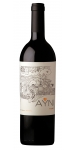
Ayni Malbec Paraje Altamira is made from 100 percent Malbec.
Ayni is the Quechua term for the principle of reciprocity, practiced for centuries by the Andean people - "in order to receive, you first have to give." Chakana's renowned Paraje Altamira vineyard, which sits 3,300 feet above sea level, bears the name Ayni & is the source of the Ayni wines.
Deep ruby-red in color with violet hints. Complex and intense bouquet, featuring blackberries, cherries and plums, with delicate floral notes and spices. Balanced and fresh; full-bodied with good length of spices.
Pairs well with grilled meats and stews.
Review:
"Chakana is an organic and biodynamic producer in Mendoza, that harvests from a vineyard in Paraje Altamira to produce this terroir-focused, minimal intervention Malbec. Aged in a mixture of casks and barrels for 12 months, this is a pure, energetic red in which fresh red fruit aromas combine with spice, herbs and mineral notes. In the mouth, it’s fluid with lively acidity and firm, chalky tannins. A potent, long-lasting wine. Drinking Window: 2023 - 2030"
- Decanter Magazine, 94 pts