Create a New Account get a $5 credit
Toll Free: 800-417-7821

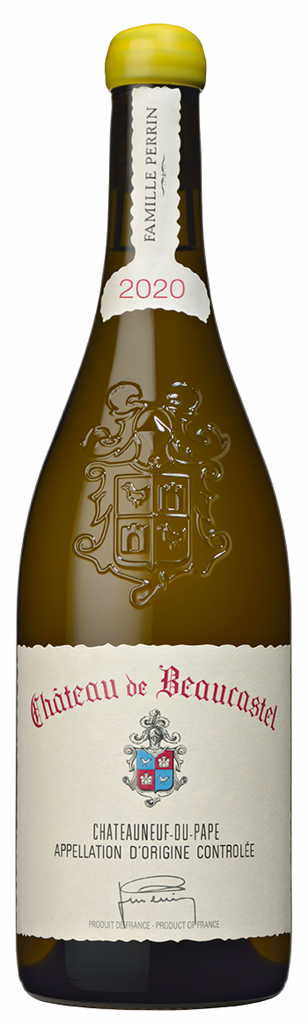
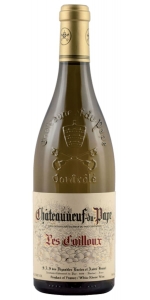
Chateau de Beaucastel Chateauneuf-du-Pape Blanc 2021

ID No: 450385
Country:France
Regions:Rhone
Chateauneuf du Pape
Winery:Beaucastel
Grape Type:Roussanne
Organic:Yes
Vintage:2021
Bottle Size:750 ml
Try these Similar In Stock Wines
Le Blanc du Chateau des Landes Bordeaux Blanc 2024

Le Blanc du Chateau des Landes Bordeaux Blanc  is made from 50% Sauvignon Blanc and 50% Semillion.

Le Blanc du Chateau des Landes Bordeaux Blanc is a very fruity style of Bordeaux Blanc AOC. It has great aromatic intensity with white peach and citrus aromas. 

No oak for this wine. The wine was aged on the lees for a few month in stainless steel tank.
Malolactic fermentation was completed as well in the process .


Excellent as an aperitif, it also goes very well with poultry and salads.  If you have a chance to have access to fresh oyters, it is a great match as well.

The first vintage of this wine was made in 2018 as Nicolas Lassagne wanted to create an easy drinking wine that will be perfect as an aperitif in the summer time or to compliment salads and seafood in the winter time. 


Chateau de Saint Cosme Cotes du Rhone Hominis Fides Blanc 2021

At Saint Cosme, their white wine traditions are as important and time-honored as the reds. The Clairette grape variety has found the ideal place to express itself in the cool, limestone valley of Saint Cosme. Produced by massal selection from the Le Poste vinevard, the Clairette for Hominis Fides thrives in Miocene limestone sand. Its aromas of fennel and grapefruit usher in its finely textured palate, imparting it with substantial agability.


Chateau de Saint Cosme Gigondas Hominis Fides 2021


Hominis Fides is typically the most elegant of Château de Saint Cosme’s three single-vineyard Gigondas. “Grenache grown in the sandy soil produces marvelously textured wines as well as extremely refined tannins; a very special and stylish wine,” says Louis Barruol. The wine features aromas and flavors of pepper, truffle, graphite, and smoke.

Grenache is the pale-colored, red-fruited, and potpourri-scented red grape variety of the southern Rhône and can be paired with both rustic and sophisticated dishes. Full-bodied Grenache-based wines are ideal with stews, braises, and grilled meats, while lighter versions can work well with dark fish and tomato-based dishes such as ratatouille.


Review:

Deep, vivid ruby-red. Intensely perfumed, mineral-tinged scents of medicinal cherry, redcurrant and cassis are complemented by suggestions of star anise, white pepper and pungent flowers. It offers densely packed bitter cherry, red berry liqueur, lavender and licorice flavors that open up very slowly with air. Extremely primary but highly promising, with a long, spice- and mineral-tinged finish shaped by youthfully firming tannins. Made with 100% whole clusters; raised in barriques, one-third of them new.

-Vinous 95-97 Points

 Vinous Antonio Galloni: 97
Chateau de Saint Cosme Gigondas Le Claux 2021

Chateau de Saint Cosme Gigondas Le Claux is made from 95% Grenache, 5% Syrah.


Château de Saint Cosme is the leading estate of Gigondas and produces the benchmark wines of the appellation. The property has been in the hands of the Barruol family since 1490. Louis Barruol took over from his father in 1992 making a dramatic shift to quality and converting to biodynamics in 2010.

Château de Saint Cosme Gigondas Le Claux is the estate’s oldest vineyard and sits near the entrance to the winery. “It was first planted in 1870 following phylloxera. My uncles thought it wasn’t producing enough fruit and planned to uproot it in 1914,” says Louis Barruol, but “World War I interrupted that plan.”

The 1.8-hectare Le Claux—meaning “Clos” in old French—is a field blend of predominately Grenache. Louis Barruol believes 10% of the vineyard is from the original 1870 planting. Vines are replaced by massal selection and the average vine age is 60-years. The wine is made with whole cluster fermentation from indigenous yeasts, is aged in 20% new 228-liter barrels, and bottled without fining or filtration.


Tasting Notes

Brilliant violet color. Displays pungent, mineral- and spice-accented cherry, black raspberry, potpourri and licorice aromas, along with hints of savory herbs, vanillo and incense. Chewy and tightly focused on the palate, offering bitter cherry, dark berry and Moroccan spice flavors that unfurl slowly through the back half. It closes with firm tension, chewy tannins and excellent tenacity, leaving resonating cherry and floral notes behind. All barriques, a third of them new.

-Vinous 95-97 Points

 Vinous Antonio Galloni: 97
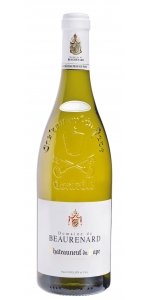
Domaine de Beaurenard Chateauneuf-du-Pape Blanc 2023

Domaine de Beaurenard Chateauneuf-du-Pape Blanc is made from Clairette blanche & Rose, Grenache Blanc & Gris, Bourboulenc, Roussanne, Picpoul and Picardan.

Gold bright green color. Expressive nose with pear and stone fruits aromas (peach, apricot) with jasmine and roasted almonds notes. The mouth is smooth and fleshy like stone fruit we can smell, with a long a nice finish.


Review:

Always terrific, the 2023 Châteauneuf Du Pape Blanc is no exception, and readers who love vibrant, age-worthy Rhône whites can safely buy this cuvée in just about every vintage. Based on 30% Clairette, 20% Grenache Blanc, 25% Bourboulenc, 22% Roussanne, and splashes of Picardan and Picpoul Blanc, the 2023 reveals a medium gold hue as well as textbook aromatics of pear and orchard fruits intermixed with honeyed flowers, chalky minerality, and subtle green almond nuances. This balanced, medium-bodied, vibrant white is very much in the fresh, focused, yet still textured, approachable style of the vintage.

-Jeb Dunnuck 93 Points


 93 Points
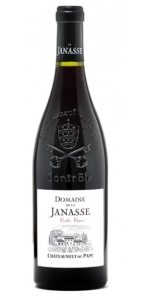
Domaine de la Janasse Chateauneuf-du-Pape Cuvee Vieilles Vignes 2021

Domaine de la Janasse Chateauneuf-du-Pape Cuvee Vieilles Vignes is made from 65% Grenache, 20% Mourvèdre, 10% Syrah, 5% divers.

In contrast to Chaupin, which is made from old-vine Grenache on sandy soils, the cuvée Vieilles Vignes is from old vines of Grenache, Mourvedre, Syrah along with smaller percentages of other permitted varieties that are grown in these old vineyards. The wine is sourced from 4 terroirs: pebbly clay, sand, gravelly red clay and sandy limestone. Vieilles Vignes is always the most powerful and concentrated Châteauneuf-du-Pape cuvée made at Domaine de la Janasse.

Review:

The advantages of old vines are perhaps most evident in the more difficult vintages (whether hot and dry or cool and rainy). The 2021 Chateauneuf du Pape Vieilles Vignes is a strong effort, delivering supple, velvety waves of ripe black cherries and black raspberries. Medium to full-bodied, it's rich and concentrated without seeming at all heavy or unbalanced, finishing long and juicy. It's approximately 75% Grenache, 15% Mourvèdre, 5% Syrah and 5% other varieties, keeping in mind that up to 15% of the old Grenache vines are actually Clairette Rose.

-Wine Advocate 96 Points


 Wine Advocate: 96
Product Description

Chateau de Beaucastel Chateauneuf-du-Pape Blanc is made from 80% Roussanne, 10% Grenache Blanc and Clairette, 10% Piquepoul Blanc, Picardan and Bourboulenc

The story :
The production of white wine at Beaucastel is limited as we only have 7 hectares of white vines planted. The main variety is Roussanne, representing 80% of the blend.


The vintage :
The 2020 vintage in Southern Rhône was favoured by very good weather conditions, it is a generous vintage, both in terms of quality and quantity. Not as hot as in 2019, this year was very windy, throughout the growing cycle, with light rainfalls. After a fairly mild winter (one single episode of frost was noted during the night of March 24, but only the early ripening plots were very slightly affected). The spring was radiant, quite warm and very windy, which allowed the soils to preserve their freshness. Flowering began on May 18, under very healthy conditions. The good weather continued in June, July and August, with plenty heat but lower temperatures than in 2019, cool and humid nights and wind which continued to blow, preserving the freshness of the vines and maintaining perfect sanitary conditions for the grapes. The harvest, which was fairly early, therefore began under these very good conditions on August 26 with the white Côtes-du-Rhône and continued until the end of September with the Mourvèdre. September was warm at the beginning of the month and then more temperate, offering idyllic harvest conditions and allowed each plot to be harvested at perfect maturity. The harvest was very healthy with beautiful juicy and very ripe grapes, reasonable alcohol levels, good acidity and already a great balance. Yields are slightly higher than 2019 and the first tastings predict a very nice vintage.


Location :
Château de Beaucastel has 7 hectares of white varieties.


Terroir :
Molasse seabed of the Miocene period covered by diluvial alpine deposits (rolled pebbles).


Ageing :
Handpicked in small cases, sorting of the grapes, pneumatic pressing, settling of the juice, fermentation (30% in oak barrels, 70% in tanks) for 8 months. Bottling after 8 months.


Review:

Honeycomb oak on the nose, then quite a broad and generous palate. Sappy acidity, although not as high as some white Châteauneufs this year, and a long finish. This has a good sense of lightness, drinkability and balance. The oak is quite forthright for now, so give this some time to come together. 80% Roussanne, 10% Grenache and Clairette, plus 10% of Piquepoul Blanc, Picardan and Bourboulenc. Part of the blend was matured in two- and three-year-old barriques for a year.

-Decanter 96 Points


Winery: Beaucastel

An estate with worldwide recognition, Château de Beaucastel’s history dates back to 1549, when Pierre de Beaucastel purchased the land and built a manor house. In 1909, another Pierre -- Pierre Traminer-- purchased the estate, which he later transferred to his son-in-law Pierre Perrin. Today, the fourth and fifth generation of Perrins run the famed wine estate. Throughout the generations the family’s values have remained: absolute respect for land and terroir; biodynamic culture as a philosophy of life; and the research of truth, balance, and elegance. Pioneers in their innovative approach to organic farming in 1950 and then biodynamic farming in 1974, Famille Perrin has the deep conviction that the grapes must have flavors to make an expressive wine. The vineyards of Château de Beaucastel are located on historic land where each of the 13 approved grapes varietals of the Châteauneuf-du-Pape appellation are planted. Château de Beaucastel covers 315 acres. 250 acres are planted with vines, three-quarters in the AOC Châteauneuf-du-Pape and the remaining one-quarter in the AOC Côtes du Rhône. The art of blending is key at Château de Beaucastel, both the blending of talents of each family member and blending the 13 grapes to produce these exceptional Châteauneuf-du-Pape wines. They are in the process of renovating and rebuilding the winery’s cellar with an ecological focus, including a project to harness the cooling effect of the region's notorious 'Mistral' wind to limit the use of artificial air conditioning and bring down current cellar temperatures from 14°C to a desired 12°C. Once accomplished, the winery will be one of the most advanced in regard to environmental practices

  • back