
" We don't sell the wine without touching the vine "
| BUY MORE! SAVE MORE! | ||||||||||||||||||||
|
| Country: | France |
| Region: | Burgundy |
| Winery: | Chaume |
| Grape Type: | Chardonnay |
| Organic: | Yes |
| Vintage: | 2023 |
| Bottle Size: | 750 ml |
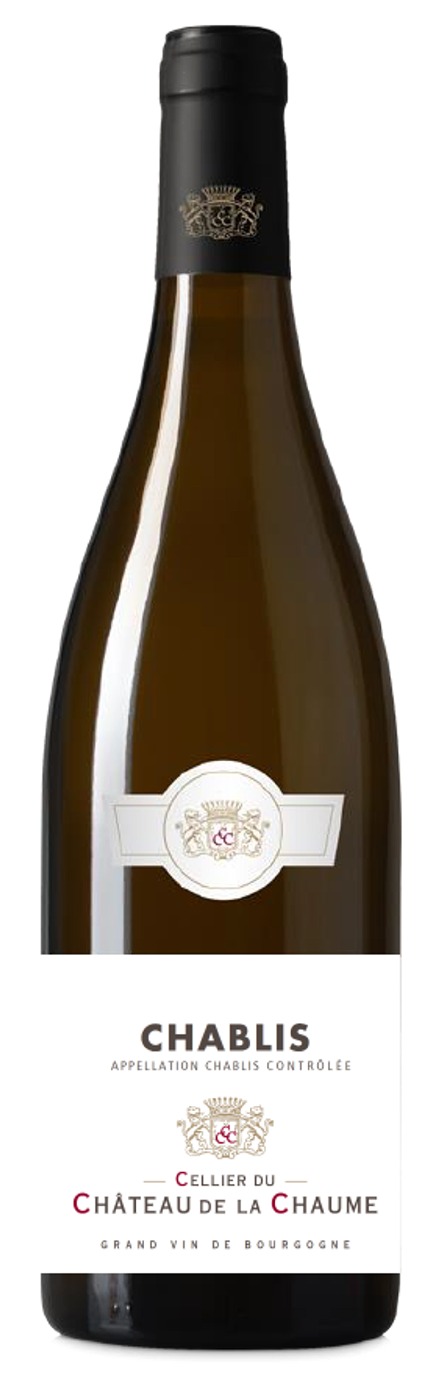
Chaume Chablis is made from 100% Chardonnay.
Light yellow color. The wine displays aromas of white flowers, honeysuckle, linden, citrus as well as white and dried fruits.
In the mouth, the wine is well balanced with tension and a nice classic minerality found in Chablis.
The Château de la Chaume is located in Corgoloin in Côtes de Nuits. He is surrounded by a park of 10 Ha full of beautiful trees.
Our wines are vinifyied in the cellar of the Château de la Chaume. Cellier du Château de la Chaume was created in 1993. We pay attention to the winegrowers that we choose for our wines. We strive to work with winegrowers corresponding to our values, that is to say, the excellence of wines.
The cellars were completely redesigned and modernized with a stainless steel wine storehouse, which welcome the greatest wines and in particular, the red and white wine from the Côte d’Or.
Boussey Bourgogne Blanc Cote d'Or Vieilles Vignes is made from 100 percent Chardonnay.
The grapes for Bourgogne Blanc Chardonnay Vieilles Vignes are grown on a parcel located within the city of Meursault.
The wine displays a refreshing nose of lime, citrus fruits, flint, honey and a touch of dried fruit. The palate is full of flavors, with honeysuckle, citrus and some salinity with an excellent balance between acidity and roundness.
Pair with cheese, seafood, nems, Spanish tapas and apple tart.
Sokol Blosser 'Orchard Block' Pinot Noir 2021 is made from 100 percent Pinot Noir.
VINTAGE HIGHLIGHTS
2021 was the 2nd warmest growing season we have ever seen since 2015. We also got to add a new term to the dictionary: "Heat Dome". Three straight days of triple digit temperatures in late June breaking heat records for the Willamette Valley. Bud break started like usual in the middle of April. We had the driest March through May that the Willamette Valley has seen through 128 years of record keeping! Bloom also appeared on time in early/mid June. While late June brought the “Heat Dome”, our grapes made it through thanks to bloom being finished at all our sites and there still being soil moisture, so they grew like crazy over those three days of hellish temperatures. While July and August turned out to be exceedingly hot and dry, September arrived with little rain which that allowed us to fully ripen the grapes. The hot and dry summer made for fruit that was extremely clean, resulting in excellent fermentations. All in all, mother nature gave us something to be grateful for on our 50th anniversary.
WINEMAKING
The grapes were carefully hand harvested from the Orchard Block (on our Estate vineyard) on September 25th. The fruit was hand sorted to remove any flawed bunches and de-stemmed, half went directly into 3-ton stainless steel fermenters and the other half went in to oak upright fermenters. Fermentation took place over 10-14 days using ambient yeast with punchdowns for cap management. After the long, cool fermentation, the wine was pressed off at dryness and then barrel aged for 16 months in 100% French oak barrels with 17% new oak.
WINE PROFILE
Our 2021 Orchard Block Estate Pinot Noir has bright notes of red cherry, red currant, and a touch of nutmeg on the nose. On the palate, the fruit continues with red cherry, raspberry, and red currants followed by a subtle hint of clove. This is a delicate Pinot Noir with bright acidity with a medium finish.
PAIRINGS
Orchard Block Pinot Noir pairs with a classic roasted turkey, creamy cacio e pepe, and the Oregon favorite, wild mushroom risotto.
Review:
Nuanced aromas of dark cherries, wild strawberries, dried tangerine peel, cloves and fresh herbs, leading to a beautifully balanced, medium-bodied palate that shows depth and persistence, with a well-defined structure. The wine glides along with remarkable elegance, showing bright, juicy fruit flavors, subtle spices and a long, mineral-driven finish. Drink or hold.
-James Suckling 94 Points
Archery Summit Estate Pinot Noir Dundee Hills is made from 100 percent Pinot Noir.
Archery Summit Dundee Hills Pinot Noir touts all the hallmarks of this storied appellation. It begins with hints of ripe plum skin, ocean air, baking spices, and cocoa powder dustiness on the nose. The palate is just as expressive, with fresh, juicy red fruit backed by graceful tannins, a complex brininess, and a mouth-watering acidity. Finishing with spiced oak and a mouth-coating basalt minerality, this wine is great now and will be for years to come.
The Dundee Hills Pinot Noir touts all the hallmarks of Archery Summit's storied appellation. It begins with brambleberry, ripe rainier cherry, blackberry blossoms, cocoa powder, and spice on the nose. The palate is just as lively, with fresh, juicy red fruit backed by graceful tannins and acid. Finishing with spiced oak and a mouth-coating minerality, this wine is a case study in the magic of the Dundee Hills.
Yet, thanks to water reserves in the soil itself and some timely viticultural movements, the vineyards persevered through the heat and water limitations. The dryer season accelerated picking times, making the fruit ripen a bit earlier than normal. September rewarded us with cool nights and the lower-than average yields set us up to make wines with abundant character, intensity and balance. The winery is so grateful for the moisture-abundant, microbially-rich and chemical-free soils that lovingly nudged the vines towards the finish line.
Review:
Expressive and sleekly built, with floral raspberry and cherry flavors laced with cinnamon and dusky spices. Finishes with medium-grained tannins. Drink now through 2032.
-Wine Spectator 92 Points
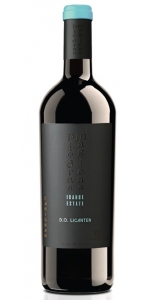
Vina La Ronciere 'Piedras Magicas' Idahue Estate Carignan is made from 100 percent Carignan.
Piedras Mágicas is hand-selected from small blocks in the Idahue vineyard based on specific soil compositions and microclimate characteristics. The final blend is comprised mainly of Carignan and complemented by other varieties in small proportions determined by vintage.
Located 15 miles from the Pacific Ocean, La Ronciere’s ambitious 500 acre Idahue Estate is their vision for the future. Prevailing coastal breezes, abundant sunshine, and rolling hills of ancient soils culminate in a privileged climatic and geological landscape. Years of research and a forward-looking approach drove the successful effort that saw Licanten granted D.O. status in 2018.
This wine displays a deep red color and offers aromas of black- berry, plum and floral notes. A complex palate of black fruits combine with pleasing notes of vanilla. Its volume and silkiness stand out. Juicy tannins and persistent acidity retains balance and elegance.
Review:
This wine displays a deep red color and offers aromas of black-berry, plum and floral notes. A complex palate of black fruits combine with pleasing notes of vanilla. Its volume and silkiness stand out. Juicy tannins and persistent acidity retains balance and elegance
-Tim Atkin MW 94 Points
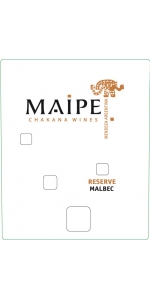
Maipe Malbec Reserve is made from 100 percent Malbec.
Maipe was the Lord of the Winds for the ancient Andean Indians. He is still called upon to clear the skies after heavy rain, or to temper the summer heat.
The nose reveals dried plum and dark fruits, exotic spices, with hints of violet and chocolate. Round and fleshy, with enticing crushed plum and boysenberry fruit enlivened by a liquorice snap note. Fresh acidity lies buried on the medium-weight, juicy finish.
The grapes are carefully chosen and fermented in small lots to preserve the vineyard identity. Alcoholic fermentation for 12 days with indigenous and selected yeasts, at temperatures of 26 and 30°C, combining, remontage, pigage and delestage in order to obtain the best quality of tannins and structure.
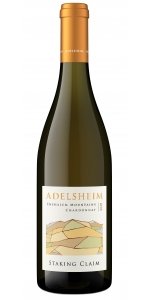
Adelsheim Vineyard Chardonnay Staking Claim is made from 100% Chardonnay.
Review:
Grapefruit pith, flint, roasted almonds and toasted lemons here. It’s medium-bodied, flinty and gently toasty with bright acidity and a fresh, tight finish. Sustainable.
-James Suckling 92 Points
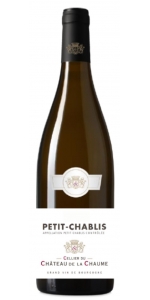
Cellier du Chateau de la Chaume Petit Chablis is made from 100 percent Chablis.
Color: Pale yellow
Bouquet: White flowers, honeysuckle, linden tree and dried fruits.
Palate: Very pleasant, balanced with tension and nice minerality
Drink as an Aperitif or pair with fish, shellfish.
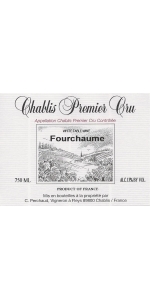
Corinne Perchaud Chablis 1er Cru Fourchaume is made from 100 percent Chardonnay
Elegant citrus aromas. Concentrated and finessed, combining flavors of dried fruit with slight hints of woody notes. Perfect balance between body and acidity, long and persistent finish. This one is drinking great now, but as with all exceptional Chablis, it is possible to pay it down for years to come.
Made from 35 year old vines. The owners take great care to produce exceptional Chablis wine by keeping the lively Chardonnay fruit and the unique mineral quality imparted by the Kimmeridgian soil, the fruity acidity and bouquet in perfect balance. The grapes are harvested by hand and gently pressed in a horizontal pressoir to ensure the fullest extraction and range of flavors and aromas.
Pair with Scallops Jacques cream, roast veal with oyster mushrooms.
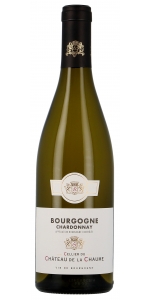
Cellier du Chateau de la Chaume Bourgogne Chardonnay is 100% Chardonnay.
Clear yellow color.
Aromas of white flowers, honeysuckle, leme tree and dried fruits.
The palate is rich and balanced, with good acidity and nice minerality.
Good length to the finish, pair with fish in creamy sauce, white meats and fine cheeses.
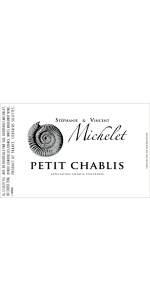
Michelet Petit Chablis is made from 100 percent Chardonnay.
Golden color. White flowers, fresh, lime and citrus aromas. Pleasant mouthfeel, supple, crisp, fruity flavors.
Machine harvested at full maturity (around Sep. 25th - lasts 12-18 days); pneumatic press; fermentation in temperature controlled stainless steel tanks for 8-10 days; M.L (2 months after the harvest); aging on the lees until February; racking; fining if necessary; cold stabilization; filtration right before bottling in April.
Ideal as an aperitif, the wine is an excellent companion to seafood.
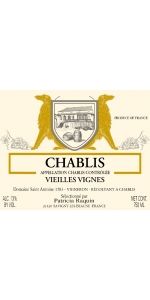
Patricia Raquin Chablis Vieilles Vignes is made from 100 percent Chardonnay.
Tasting Notes: Golden color with slight green hints. Very fresh nose with some white flower notes. Very light oak flavors on the finish with vanilla notes.
VINIFICATION: Alcohol fermentation in thermoregulated temperature (22°C) in stainless tank with fine lies remontage.
Very light filtration - vinification only with natural yeast (no yeast added). Aging in 500 liters barrels for 5 months.
VINEYARD: Kimerigian Marl
HARVEST: Harvest by hand.
Best over any white meat, fish and cheese. Also as pre dinner drink.
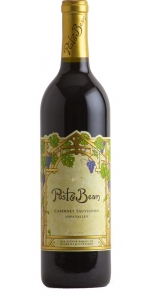
Far Niente Post & Beam Napa Cabernet Sauvignon is made from 91% Cabernet Sauvignon, 6% Merlot, 1% Malbec, 1% Petit Verdot
At Post & Beam, we make wines of pure expression, built on generations of hands-on experience producing acclaimed Cabernet Sauvignon and Chardonnay. Backed by the expertise and legacy of Far Niente Wine Estates, we use time-honored techniques to make exceptional wines that can be enjoyed upon release. Our expertise of winemaking at the highest level has enabled us to create wines that seamlessly unite tradition and modernity.
The 2023 Post & Beam Cabernet Sauvignon opens with expressive aromas of red fruit, cassis, and blackberry jam, accented by hints of cedar and graphite. On the palate, the wine is youthful and vibrant, showing polished tannins and a core of dark fruit that brings both weight and freshness. Notes of brambly berry, mocha, and subtle spice carry through a long, mouth-coating finish, highlighting the vintage's balance and structure.
Intense violet, hints of lavender, black cherry, fresh leather and spicy flavors (white pepper and clove), rich and concentrated with a lingering spicy finish. Will age gracefully for several decades.
Review:
Morlet doesn’t make much of it, but their Syrah is beautiful and well worth seeking out. The 2018 Syrah Bouquet Garni comes from the cool climate, higher elevation Bennett Valley in Sonoma and offers a big, exotic nose of blackberry and blackcurrant fruits as well sandalwood, dried flowers, new leather, and white pepper. The fruit is ripe and opulent, yet it still holds onto loads of classic cooler-climate Syrah gaminess and peppery notes. Full-bodied on the palate, it’s balanced and has a lively, clean texture, beautiful depth of fruit, and a great finish. Enjoy bottles any time over the coming decade.
-Jeb Dunnuck 97 Points
Burgo Viejo Rioja Gran Reserva is made from 100 percent Tempranillo. 30 year old vines.
Burgo Viejo Gran Reserva shows a deep red ruby color and offers powerful aromas of blackberry jam, spice, leather, chocolate with toasty nuances. Smooth yet full-bodied with firm tannins and a long finish.



