
" We don't sell the wine without touching the vine "
| Country: | France |
| Regions: | Burgundy Maconnais |
| Winery: | Croix Senaillet |
| Grape Type: | Chardonnay |
| Organic: | Yes |
| Vintage: | 2022 |
| Bottle Size: | 750 ml |
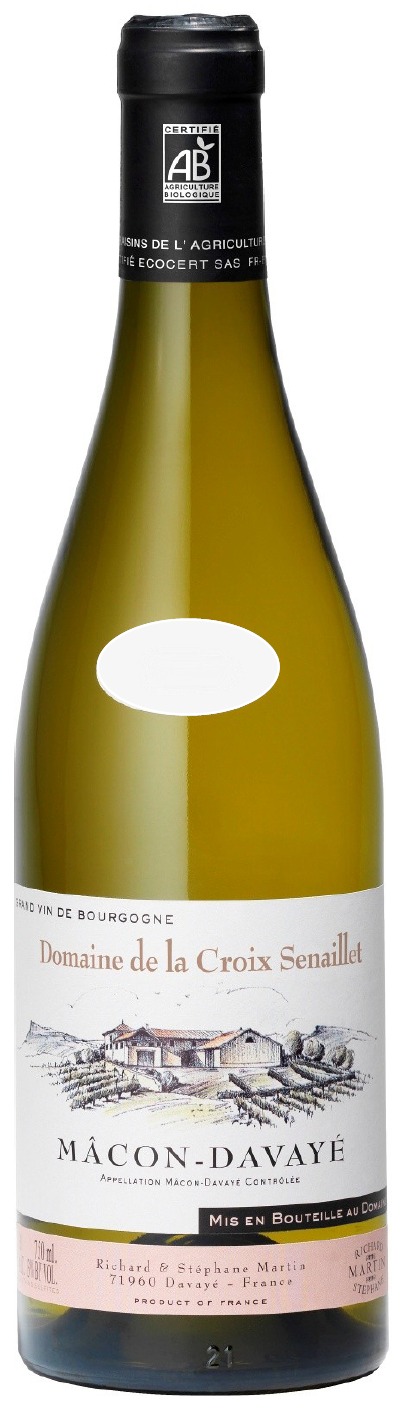
Croix Senaillet Macon-Davaye is 100 percent Chardonnay.
Pale brilliant yellow color. Fresh nose of citrus fruits (lemon, grapefruit). Mineral and salty notes on the palate. Fresh, supple and harmonious in the mouth.
Produced from 7 different parcels of vines spread over 3.77 hectares, planted on clay and limestone based soils. Average age of the vine is 28 years. Careful vinification. Minimal intervention in the vinification process. Modern equipment (pneumatic press, thermo-regulated tanks). Each parcel is harvested at full maturity. Destemming, slow press, slow fermentation, malolactic fermentation, aging on the lees.
Excellent as an aperitif and pairs well with grilled fish and Asian food.
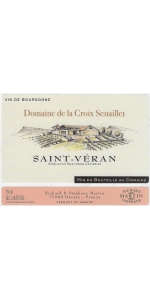
Croix Senaillet Saint Veran is made from 100 percent unoaked Chardonnay.
Fresh and fruity with floral, peach and citrus fruit aromas followed by mineral notes. Mineral, citrus and honey flavors. Rich and luscious palate with a long finish.
Produced from a selection of 40 parcels spread over 17 hectares. Some of the parcels include: Maillettes, Bergades, Poncétys, Terres noires, Pommards, Chênes, Surigny, Prâgnes, Bruyère, Chailloux, etc Average age of the vines is 45 years. The soil is made of clay and limestone. South, southeastern exposure - a few plateaux. Careful vinification. Minimal intervention in the vinification process. Modern equipment (pneumatic press, thermo-regulated tanks). Each parcel is harvested at full maturity. Destemming, slow press, slow fermentation, malolactic fermentation, aging on the lees.
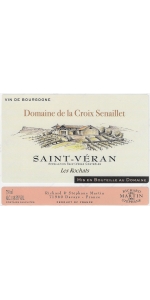
Croix Senaillet St. Veran Les Rochats is made from 100 percent Chardonnay.
This Saint Veran Les Rochats is produced from 50-year-old Chardonnay vines, grown organically on Jurassic-era limestone (Entroque limestone), covered by pebbles that act as a filtering soil. The parcel is southeast facing on half hills.
Clear golden color with light green reflections. The wine has a rich and complex bouquet with a wide array of aromas: pear, nougat, wild peach and kiwi. The mouth is rich and dense bringing freshness with a nice volume and finishing on a light exotic note.
Vineyard
Surface area : 1 Ha.
Soil : limestone soil from the Jurassic period, covered by pebbles acting like a filtering soil.
South-east facing parcel on half-hills.
Grape variety : organically-grown Chardonnay.
Plantation density : 8.500 vinestocks per ha.
Age of vines : 50 years.
Mâconnais style pruning quite short, with 10 to 12 buds.
Hand-harvesting at optimal maturity.
Destemming to avoid herbaceous taste.
Slow and gentle pneumatic pressuring guarantees purity of juice and extraction of the finest aromas.
Very slow alcoholic fermentation in stainless still tank.
Malolactic fermentation.
Aging in stainless steel tanks for 9 months with gentle stirring of fine lees.
Pairs well with shrimp risotto, sautéed veal with eggplant.

All older vintage wines have been purchased from a single collectors cellar. Pictures can be requested before shipment.
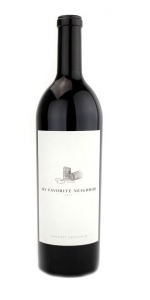
My Favorite Neighbor Cabernet Sauvignon is made from 79% Cabernet Sauvignon, 8% Malbec, 6% Syrah, 4% Petite Sirah, 3% Petit Verdot.
A homage to Stephan Asseo of L’Aventure Winery became an obsession. Sourced from exceptional vineyard sites around Paso Robles, San Luis Obispo and south to Edna Valley, this wine is cultivated meticulously by the farmers who have become My Favorite Neighbors. With their dedication to the land, we are able to craft a world class wine without any shortcuts or compromises. Welcome to our Neighborhood.
The 2022 My Favorite Neighbor is everything you’ve come to expect from our flagship Cabernet Sauvignon, sourced from our favorite Paso Robles growers who lend their neighborly spirit to the wine. Effusive aromas of raspberry and currant reveal notes of blue fruit and purple flower. On the palate, juicy red fruits are interwoven with hints of black cherry, cinnamon and toasted oak. Structured tannins carry into a long, chewy finish. Whether it’s a casual backyard barbecue or a fine celebratory meal, this versatile wine has you covered for summer and beyond.
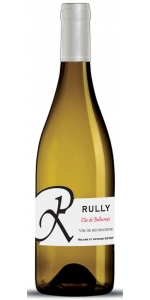
Royet Rully Blanc Clos de Bellecroix is made from 100% Chardonnay.
Intense light yellow color - nose evokes ripe yellow fruit, with a hint of fresh wood and vanilla - round, gourmet palate with hints of smoke and vanilla.
Pair with white meat or fish with cream sauce, foie gras.
Croix Senaillet Macon-Davaye is 100 percent Chardonnay.
Pale brilliant yellow color. Fresh nose of citrus fruits (lemon, grapefruit). Mineral and salty notes on the palate. Fresh, supple and harmonious in the mouth.
Produced from 7 different parcels of vines spread over 3.77 hectares, planted on clay and limestone based soils. Average age of the vine is 28 years. Careful vinification. Minimal intervention in the vinification process. Modern equipment (pneumatic press, thermo-regulated tanks). Each parcel is harvested at full maturity. Destemming, slow press, slow fermentation, malolactic fermentation, aging on the lees.
Excellent as an aperitif and pairs well with grilled fish and Asian food.
The Domaine de la Croix Senaillet Estate
This second generation old estate is located in the town of Davaye, in southern Burgundy. The winery was founded by Maurice Martin in 1969. His son Richard took it over in 1990 and was joined by his brother Stéphane in 1992. While Richard takes care of the vinification and the sales, Stephane is in charge of the vineyard. They sell 80% of their production in bottle and 20% to negociants. Currently, they export 40% of their wine outside of France.
"Domaine de la Croix Senaillet" takes its name from a cross that had been given by an ancient mayor of the village called Benoit Senaillet. The records show that the mayor donated the cross to Davaye in 1866 to replace the one that was destroyed in 1793 during the French Revolution. According to the common believes, the cross that was blessed in 1867 would protect the inhabitants of the village and everyone that would pass by.
The Domaine de la Croix Senaillet Vineyard
The vineyards are located on the south/southeastern slopes of the Solutre and Vergisson rocks. The estate spreads over 52 parcels in the town of Davayé and measures 22 hectares total (54.3 acres): 17 ha in St Veran, 5 ha in Macon, less than 1 hectare in Pouilly-Fuisse. The soil is both chalk and clay. The vines are 40 years old on average. In order to increase the quality of the grapes, Stephane has decided to use "culture raisonnee", which means that they watch carefully and daily the vineplant, checking for the sanitary level in the vineyard and use very small amount of pesticide and chemical products if necessary.
Saint Veran's AOC represents 696 hectares (1,726 acres) in total.
The total production for the AOC is around 42,775 hectoliters (474,089 twelve-bottle-case equivalent)
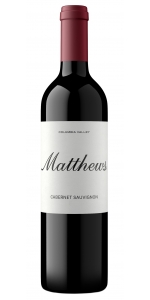
Matthews Cabernet Sauvignon Columbia Valley is made from 76% Cabernet Sauvignon, 15%Merlot, 6% Cabernet Franc, 2% Petit Verdot, 1% Malbec.
The 2021 Columbia Valley Cabernet Sauvignon is deep ruby in the glass with purple hues. The rich bouquet of spiced black plum and cocoa nib are balanced with aromas of fresh earth and crushed flint. Intense and opulent flavors of ripe blackberry, cedar, mocha, and black currant coat the broad and balanced palate and the ripe tannin creates a perfect frame for the lush fruit expression. Cherry cordial and cola linger on the long, quenching finish.
Review:
A wonderfully balanced Cabernet with tremendous purity of fruit and a brilliant freshness. A blend of sites across the Columbia Valley focused on the Horse Heaven Hills, Red Mountain and Royal Slope. Smoky violet notes and crushed stone follow graphite minerality and dusty berries. The palate is delightfully distinguished. Cabernet and savoury herbs mingle with red berries, black brambles, and a brilliant mineral tone.
-Decanter 94 Points
Coming out strong out of the gate, the 2021 ‘Columbia Valley’ Cabernet Sauvignon is nearly all varietal. Dark chocolate shavings, baking spices and anise come together on the nose. The palate is beautifully balanced with a seamless texture and great sense of weight, with heady roasted date and black currant flavors. Generous and rich, this is a gorgeous showing from 2021. This is a serious value to purchase by the case.
- Owen Bargreen 94 Points
Precise and expressive, with handsome flavors of blackberry, bay leaf and espresso that build richness and structure toward refined tannins.
-Wine Spectator 93 Points
The 2021 Cabernet Sauvignon Columbia Valley is spicy, showing off a gentle peppery tinge and dusty rose tones that give way to dried black cherries. This is wonderfully crisp and refined, with silky textures and depths of dark red fruit propelled by juicy acidity. It tapers off long and structured, yet the tannins are quite sweet. The 2021 finishes with a pleasant crunch and a lingering licorice tinge.
-Vinous 93 Points
The 2021 Cabernet Sauvignon is based on 76% Cabernet Sauvignon, 15% Merlot, 6% Cabernet Franc, 2% Petit Verdot, and 1% Malbec. A rocking wine offering ample red and black plum-like fruit, chocolate, tobacco, and subtle violet-like aromas and flavors, I t's full-bodied and has a terrific mid-palate, velvety tannins, and a great finish.
-Jeb Dunnuck 93 Points
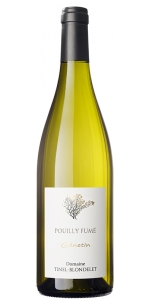
Tinel Blondelet Pouilly-Fume Genetin is made from 100 percent Sauvignon Blanc.
The soil is made of "caillottes" (limestone stones).
"Genetin" is a name given in homage to the original name for Sauvignon Blanc: Muscat Genetin. The Genetin bottling is normally reserved for the most powerful Cuvées in the winery. No oak.
Produced from 25 year-old vines coming from the Villiers limestone terroir, situated in Bouchot.
Traditional vinification in thermo-regulated stainless steel tanks. Following a gentle pressing the juice is then fermented at controlled temperatures before being left to mature on its fine lees to gain extra depth and concentration before bottling in the next spring.
Matured on fine lees bringing finesse to the wine and bottled late in order to let all its roundness evolve.
Yield: 55 hl/ha
A golden colored and mineral wine with elegance and finesse. Can be cellared for 2-3 years.
A mineral-laced smoky accent and citrus aromas. Elegant and powerful on the palate.
Food pairing: shellfish, goat cheese such as “Crottin de Chavignol”. Perfect also as an aperitif.
Review:
- Wine & Spirits (Regional Tasting Report, Spring 2022), 91 pts
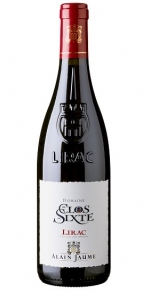
Alain Jaume Domaine du Clos de Sixte Lirac is made from 50% Grenache, 35% Syrah, 15% Mourvedre
An intense red garnet color. On the nose, aromas of red and black ripe fruit (kirsch and wild blackberry). The mouth is full, with aromas of blackcurrant liqueur and spice. Tannins are both harmonious and elegant thanks to the fleshiness of the wine. Hints of licorice and vanilla on the finish, which gives the wine length and complexity.
Soil type LIRAC vineyard is facing Chateauneuf du Pape, opposite side of the Rhône river. As showed by the picture and following geologist George Truc, soils are almost similar in both side. They are marked by the violence wrought by the Rhone river. It consists of a layer of marine molasses of the Miocene period covered by alpine alluvium. The presence of a great number of rounded stones known as "galets" in the earth is evidence of the time when the Rhone, then a torrent, tore fragments of rock from the Alps and deposited them on the plain. LIRAC is one of the up-coming best area from the southern Rhône valley, as it delivers outstanding wines. Winemaking & ageing Traditional wine-making in stainless still vats. Hand sorted bunches, crushed and destemmed grapes. Fermentation temperature : 30°C. 18 days of vatting with pigeages.
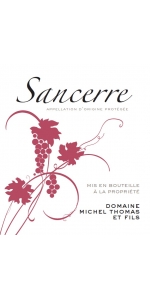
Thomas Sancerre Rose is made from 100% Pinot Noir.
Vines are 20-55 years old.
Terroir (soil type) is a blend of "Caillottes" and "Terre Blanche".
Everything is machine harvested (which means it is 100% destemmed).
50% Direct press + 50% Saignée (bled) with 12-24 hours of skin contact maceration.
The alcoholic fermentation is done in temperature controlled stainless steel tanks.
Right before bottling, the wine is fined with Bentonite (very light filtration with oenologic clay).
Tasting Notes:
Light, bright pink. Redcurrant, strawberry and chalk on the nose, with a touch of singed orange gaining strength with air. Dusty red fruit and citrus flavors are braced by tangy minerality, which adds lift and cut. Uncompromising in the best way, finishing with excellent clarity and echoes of lemon and orange zest.
Food pairings:
This is a very versatile wine. You can have it on its own in the summer time as an apéritif. But it is also excellent with Hors d'Oeuvres and terrines. It will compliment any white meat dish and poultry. You can also enjoy it with salmon or exotic food (slightly spicy sushi).
Copain Edmeades Pinot Noir is made from 100 percent Pinot Noir.
This wine embodies everything you love about Anderson Valley Pinot; flavors of strawberry, Rainier cherries with hints of spice.
VINTAGE NOTES:
The 2017 vintage began with significant rainfall prior to bloom, refilling the state’s reservoirs and ending California’s five-year drought. We saw a sudden spike in temperatures just prior to harvest, leading fruit to ripen quicker than anticipated. This sped up our harvest schedule, but due to our team’s vigilance, the fruit was still able to be picked at optimal ripeness. Temperatures then cooled back down by mid-September, allowing the remaining vineyards to complete ripening at an ideal pace. The rest of harvest was finished as planned, with yields coming in at their typical levels.
The historical Edmeades Vineyard sits along the western side of the small town of Philo in what’s known as the “deep-end” of Anderson Valley. Flanked by the Navarro River, there is a diversity of sandstone soils throughout the vineyard. The Edmeades vineyard is planted with vines facing southwest, allowing this vineyard to receive warmer afternoon weather. This helps to balance the prolonged cool fog influence this vineyard sees throughout the growing season.
Aromas: Raspberry, dried cherries, pennyroyal, orange zest.
Palate: Medium weight palate with soft tannins. Notes of cherry, pomegranate, and clove with light delicate cola notes on the finish.
Review:
The first vintage for this cuvée from Ryan, the 2017 Pinot Noir Edmeades Vineyard comes from mid-valley and was brought up in 27% new French oak. It's a beautiful wine with blueberry and wild strawberry fruits as well as complex spice, dried flowers, and some loamy soil notes. Medium-bodied, seamless, and silky on the palate, it's a lovely, layered wine that shines for its texture and balanced.
Marco Capra Langhe Nascetta is made from 100% Nascetta - 15 years old - 1.73 acres
Aged 6 months in stainless steel vats
The name "CONNA" is a sweet nickname after his wife Monica.
Bright straw yellow with greenish hues, with an intense and interesting perfume of grapefruit, apple and aromatic herbs. Floral, fresh, focused, good acidity. Refreshing and bright, full bodied with an aromatic persistence, it is savory and tasty on the palate with a smoothness that enhances the rich character of the wine
Altitude: 400 m above sea level.
Soil composition: lime and sand.
Plant density: 5000 vines / hectare.
Cultivation system: traditional Guyot.
Yield per hectare: 6 tons.
After a short period of maceration on skins, the grapes are soft pressed. The clear must obtained ferments slowly in stainless steel vats at a controlled temperature of 16-17°C. The wine spends a long period of time on the fine lees, with frequent “batonnage”
Ideal with apetizers, shellfish and other fish dishes.



