
" We don't sell the wine without touching the vine "
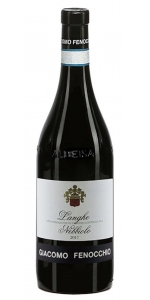
Fenocchio DOC Nebbiolo Langhe Bussia is made from 100 percent Nebbiolo.
The color is a deep ruby red with garnet reflections and an intense and fruity bouquet of plum and cherry. The flavor is dry with good body, well balanced tannins and harmonious with hints of licorice and rose.
Parcel is 2 hectares (5 acres) planted at 300 meters above sea level.
Pairing well with all types of food, from appetizers to cheeses with red and white meat.
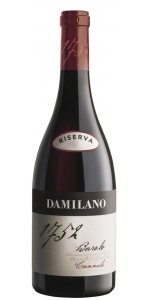
“1752” is the name of the Damilano Barolo Cannubi Riserva, in honor of the year in which the historic bottle was first marked “Cannubi”. It still exists today perfectly conserved by the Manzone family in Bra, close to Barolo. The bottle is clearly marked as being of “1752” vintage, indicating that Cannubi historically precedes Barolo.
About the Vineyard:
The Cannubi Cru is in found within one of the 6 core zones which comprise a UNESCO heritage site in Italy. A mixture of Tortonian and Helvetian calcareous marl gives the grapes intense aromas of cherry, plum and tobacco, rose and violet in sequence. Its low potassium and high calcium/magnesium content offer the wine a fine and polished touch. The vineyard is located at about 270 m. a.s.l. and has a south-east sun exposure. Barolo Riserva Cannubi 1752 It is a small plot of about 2 hectares of Nebbiolo vines, currently between 30 and 50 years of age.
Tasting Notes:
Garnet ruby red in color, the bouquet is intense and balanced, with notes of violet, red fruit, cherry and plum, spices, liquorice, cocoa, leather and tobacco. Dry, robust, full-bodied, very persistent, rich and velvety
Food Pairing:
This wine is excellent with typical piedmontes pasta (tajarin, ravioli); perfect with red meat, braised and roast meat, game and absolutely ideal with all types of cheeses.
Review:
“Incredible, reserved ripeness and depth already evident on the nose after one whiff, offering plum, cedar, rose hip, sandalwood, and licorice. Full-bodied with superb depth of fruit and an abundance of polished tannins that give the wine poise and grace, even though it’s long and powerful. The quality of the tannins are exceptional. Sheer and refined. This comes from the center of Cannubi.”
-James Suckling 99 Points
“1752” is the name of the Damilano Barolo Cannubi Riserva, in honor of the year in which the historic bottle was first marked “Cannubi”. It still exists today perfectly conserved by the Manzone family in Bra, close to Barolo. The bottle is clearly marked as being of “1752” vintage, indicating that Cannubi historically precedes Barolo.
About the Vineyard:
The Cannubi Cru is in found within one of the 6 core zones which comprise a UNESCO heritage site in Italy. A mixture of Tortonian and Helvetian calcareous marl gives the grapes intense aromas of cherry, plum and tobacco, rose and violet in sequence. Its low potassium and high calcium/magnesium content offer the wine a fine and polished touch. The vineyard is located at about 270 m. a.s.l. and has a south-east sun exposure. Barolo Riserva Cannubi 1752 It is a small plot of about 2 hectares of Nebbiolo vines, currently between 30 and 50 years of age.
Tasting Notes:
Garnet ruby red in color, the bouquet is intense and balanced, with notes of violet, red fruit, cherry and plum, spices, liquorice, cocoa, leather and tobacco. Dry, robust, full-bodied, very persistent, rich and velvety
Food Pairing:
This wine is excellent with typical piedmontes pasta (tajarin, ravioli); perfect with red meat, braised and roast meat, game and absolutely ideal with all types of cheeses.
Review:
The purity of this wine is pretty phenomenal with blackberries, strawberries, fresh flowers and licorice. Hints of tar. It’s full-bodied, yet composed and compact with ultra fine tannins and a long, flavorful finish. Very structured. Try after 2024.
-James Suckling 97 Points
“1752” is the name of the Damilano Barolo Cannubi Riserva, in honor of the year in which the historic bottle was first marked “Cannubi”. It still exists today perfectly conserved by the Manzone family in Bra, close to Barolo. The bottle is clearly marked as being of “1752” vintage, indicating that Cannubi historically precedes Barolo.
About the Vineyard:
The Cannubi Cru is in found within one of the 6 core zones which comprise a UNESCO heritage site in Italy. A mixture of Tortonian and Helvetian calcareous marl gives the grapes intense aromas of cherry, plum and tobacco, rose and violet in sequence. Its low potassium and high calcium/magnesium content offer the wine a fine and polished touch. The vineyard is located at about 270 m. a.s.l. and has a south-east sun exposure. Barolo Riserva Cannubi 1752 It is a small plot of about 2 hectares of Nebbiolo vines, currently between 30 and 50 years of age.
Tasting Notes:
Garnet ruby red in color, the bouquet is intense and balanced, with notes of violet, red fruit, cherry and plum, spices, liquorice, cocoa, leather and tobacco. Dry, robust, full-bodied, very persistent, rich and velvety
Food Pairing:
This wine is excellent with typical piedmontes pasta (tajarin, ravioli); perfect with red meat, braised and roast meat, game and absolutely ideal with all types of cheeses.
Review:
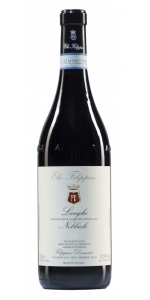
GRAPE
100% Nebbiolo
VINEYARD
Serra Capelli and San Cristoforo hills
POSITION
Hillside
EXPOSURE
Southwest
COLOR
Garnet red
NOSE
Its bouquet is fruity with reminiscences of violets and raspberries
TASTE
Full, fascinating and intense taste with a good body.
TEMPERATURE
Ideal serving temperature is 16°- 18°C. Do not expose to abrupt changes in temperature. Its fragrance and scents are highlighted if put into a crystal decanter and then poured into crystal stemware with a large bowl. Swirl it around the glass to finally taste and appreciate it
ALCOHOL
13.5 - 14 %
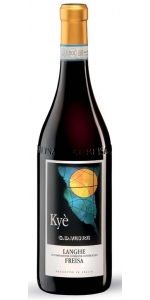
G.D. Vajra Freisa 'Kye' Langhe Rosso is made from 100% Freisa.
DESCRIPTION: In 2004, Freisa was discovered to be the closest relative to Nebbiolo, thus explaining the deep bond this variety has with Piemonte and its people. With a noble profile and similar characteristics to the Nebbiolo, we have been bottling a dry Langhe DOC Freisa ever since 1989. Kyé means ‘who is?’ and represents the surprise for this indigenous and forgotten grape.
VINEYARD AND TERROIR: Estate vineyards, the oldest located in San Ponzio, on the lower west border of Bricco delle Viole. This is the closest vineyard to the winery, and a selezione massale planted by Aldo in 1980.
GROWING: In 1971, Aldo Vaira was one of the earliest adopters of organic farming in Piemonte. Vineyards have been nurtured and soil preserved by grassing and cover crop for almost 50 years now. With an incredible ratio of manual work per hectare, farming at Vajra is a labor of love and “recipe-free” attention. Intense research is also placed into monitoring and improving the biodiversity of both flora and fauna not just in the vineyards, but also in the winery fields and forests. The winery is sustainably certified (UNI EN 11233:2009) and will be again fully organic certified since 2019.
Langhe DOC Freisa Kyè displays a beautiful, translucent garnet color. The aromatics are a combination of redcurrant and wild mountain berries, layered with a touch of sweet spices, fresh leather, and candied japonica prune. The mouth is juicy, succulent, with lots -yet never hefty- tannins. There is a beautiful structure in this vintage and a lovely, lovely finish.
Review:
‘The 2018 Langhe Freisa Kyé is quite refined in this vintage and yet it also shows all of the aromatic nuance and complexity that are such signatures of this variety and wine. Dried herbs, rose petal, lavender, mint and spice lend exotic nuance to this deep, beautifully layered Freisa. The Kyé is one of the sleepers of Piedmont's 2018 vintage. It is, quite frankly, ‘as good or better than some Barolos in this tricky vintage. ~- Antonio Galloni
-Vinous 93 Points
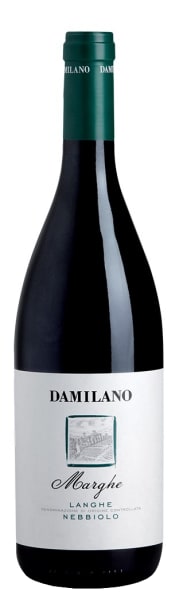
Damilano Marghe Nebbiolo Langhe
Ruby red with soft garnet reflections, the bouquet has very typical delicate notes reminiscent of violet and red fruits. The wine finishes dry, rightly tannic, with a velvety, harmonic full body.
Review:
Lean, compact and even a little spicy on the close, the Damilano 2019 Langhe Nebbiolo Marghe is an accessible, easy-drinking wine that is loaded with lots of fun varietal character. Wild rose, cassis, cherry and pencil shavings are part of that playlist. The wine's lean texture, its primary fruit and its freshness give Marghe its food-friendly edge. Best After 2022
-Wine Advocate 91 Points
Damilano is one of few traditional, ancient, ultra-centenary Barolo wine makers.
In fact, the Damilano family has been active since 1890 when Giuseppe Borgogno, the great-grandfather of the current owners, started farming and making wine from the family-owned vineyard in Barolo (Cuneo), the town in the Langhe area that the homonymous wine was named after; a beautiful and generous land that has been the heart of the vocation to produce the “king of wines” for centuries.
It wasn’t until the following generation, though, that Giacomo Damilano, the founder’s son-in-law, gave the current name to the winery. It was he who gave the stimulus to preserve the vines and apply constant innovation in the quality of the winemaking process, making the winery become a “jewel” to proudly pass on to his nephews, who manage the company since 1997.
Guido, Mario, and Paolo Damilano have been capable of giving new lymph and push to the family company, particularly giving value to the prince grape of the Langhe, the Nebbiolo, and specific terroirs, the Cannubi above all.
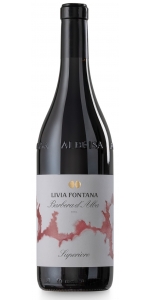
Livia Fontana Barbera d'Alba Superiore is made from 100 percent Barbera.
Organoleptic characteristics: intense ruby red color. Fresh and intense aromas with currants and berries notes. Warm, full, rich and persistent taste, full body. Suitable for long aging.
Excellent accompaniment to warm appetizers, rich first courses, red meat and the medium-seasoned cheeses.
Fenocchio DOC Nebbiolo Langhe Bussia is made from 100 percent Nebbiolo.
The color is a deep ruby red with garnet reflections and an intense and fruity bouquet of plum and cherry. The flavor is dry with good body, well balanced tannins and harmonious with hints of licorice and rose.
Parcel is 2 hectares (5 acres) planted at 300 meters above sea level.
Pairing well with all types of food, from appetizers to cheeses with red and white meat.
La Despensa Boutique Cinsault is made from 100% Cinsault.
A genuinely unique wine - they are the only producers of Cinsault in Colchagua! From a new vineyard planted in 2017, the team at La Despensa thinks they’ve hit the jackpot with this variety in this valley. Much more structure, color and intensity than the typical Chilean Cinsaults from further south, this is an easy drinking but serious version of this wonderfully fruity variety!
Vinsacro Rioja Blanco is made from 60% Chardonnay, 40% Viura.
Aged 7 months in oak barrels of 225 liters
The grapes come from vineyards located in Grávalos, on the southern slopes side of Mount Yerga at the foothills of the “Cordillera Ibérica” at an altitude of between 700 and 800 meters. A very high located area where you obtain fresh wines with little graduation, with very fine and elegant aromas.
Bright straw yellow color, intense aromas and elegance with outstanding floral and fruity notes. After some time in glass balsamic and spicy aromas with toasty notes rise, due to aging in oak and bottle maturation. Very cool and structured with an unusual power for a white with a variety of flavors ranging from citrus to balsamic. A white wine that is full of surprises and capable of taking on many years in the cellar.
Vinsacro white has a long aging potential and presumably will have a positive development for 20 years.
The Chardonnay grape is harvested during the second or third week of October. The Viura grape in the first two weeks of October.
The collection of the grapes is done manually.
The selected must will go through the fermentation in American oak barrels of 225 liters with medium toast, remaining in the barrel with its lees for seven months before being removed with a daily battonage, daily at first and then more sparingly.
Pairs great with roast lamb, grilled vegetables.



