
" We don't sell the wine without touching the vine "
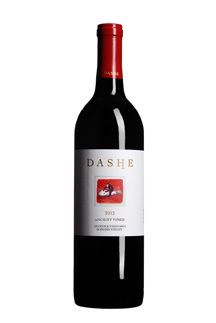
| Country: | United States |
| Regions: | California California (Sonoma County) |
| Winery: | Dashe Cellars |
| Grape Type: | Carignan |
| Vintage: | 2013 |
| Bottle Size: | 750 ml |

The Stone Corral Vineyard is planted on a southeast slope on the west side of the Edna Valley which has an east/west orientation opening up to the Pacific Ocean from Morro Bay and Pismo Beach. Approximately 120 to 300 feet above sea level, the climate is strongly influenced by the ocean providing ideal temperate growing conditions for Pinot Noir. Early spring warming, mild summer temperatures and late arriving cold fall temperatures and rain provide a long growing season for the development of rich color, concentrated and complex flavors. Soil profiles vary between blocks from sand, sandy loam, loamy sand, pebbly sandy clay loam, all fine angular blocky , including decomposing sandstone layers and numerous fossil rocks. The soils are well drained and marine in origin, resulting in an elegant Pinot Noir with extraordinary attributes.
This gem is a blend of a few precious, select barrels hailing from the finest blocks of Stone Corral Vineyard. Offers blue-toned fruit on the nose and a pretty bouquet of black raspberry, sandstone, marzipan and wild lupine flowers. Opulent, yet delicate on the palate, with velvety layers of cola nut, cherry, dried herbs and pecan sandie cookies.
Wine analysis – 13.7% Alcohol, .69 TA, 3.5pH
- A barrel select Stone Corral Vineyard bottling, utilizing the finest blocks and clones of the 2013 vintage
- Blend of clones 115, 777 and 667 on 101-14 and 3309 rootstalks
- Hand harvested, cold fruit from night picks during the month of September 2013
- Yield about 2 tons per acre between 23.8 and 24.5 ° Brix
- Destemmed with nearly 100 % whole berries remaining
- Fermented in small open top tanks
- 4 day cold soak, average 14 day fermentation, peak temperature 83°
- Hand punched down several times daily as needed
- Pressed off just dry, tank settled then racked to barrels
- Aged in small French oak barrels for 18 months
- Once the fresh wine is transferred from the press pan, all moving of the wine is done with inert gas pressure.
When handling the wine, care is taken at all opportunities to avoid shear.
"This bottling comes from the best blocks and barrels from this single vineyard, co-owned by a number of Edna Valley luminaries. The result is stunning, with baked raspberry, strawberry, maple, and peppery bacon aromas comprising a spicy, exotic nose. Black plum fruit melds with white pepper and crushed herbs, diving into tangy strawberry and sandalwood incense notes on the finish. - Matt Kettmann"
- Wine Enthusiast Magazine (April 1st 2017), 95 pts

Dominus Napa Valley Red Blend is made from 88% Cabernet Sauvignon, 7% Cabernet Franc, 5% Petit Verdot.
The historic Napanook Vineyard, a 124-acre site west of Yountville, was planted in 1838. This vineyard was the source of fruit for some of the finest Napa Valley wines. Estate-bottled in the spirit of the Bordeaux châteaux, Dominus Estate is dry-farmed to allow natural stress and good concentration of fruit. Grape clusters are crop-thinned to allow sun and air to pass in between, helping to achieve full maturation and soften the tannins. Only 20% to 40% new French oak barrels are used in order to limit the extraction of oak notes. To express the unique terroir, the classic Bordeaux grape varietals of Cabernet Sauvignon, Merlot, Cabernet Franc and Petit Verdot are planted with different root stocks best suited for the varying soil composition of gravel, heavy clay and loam.
Reviews:
One of the legendary Dominus, the 2021 Cabernet Sauvignon is unquestionably in the same league as the 2018, 2016, 2015, 2013, 2010, and 1991, and to my mind, wine simply doesn't get any better. Sporting a dense purple hue as well as an incredible perfume of blackcurrants, crushed stone, cedar pencil, smoke tobacco, and baking spices, it s rich, full-bodied, and voluptuously textured, with ripe yet building tannins. It reminds me slightly of the 2010 (maybe the 2013), and I suspect it will have a similar evolution. Hide bottles for 7-8 years, and it will evolve gracefully for 30+ years. Hats off to the team of Christian Moueix and director Tod Mostero.
Jeb Dunnuck 100 Points

Laird Jillians Red Blend is made from 65% Cabernet Sauvignon, 18% Syrah, 10% Merlot, 5% Malbec and 2% Petit Verdot
21 months in 75% French Oak and 25% American Oak (40% new and 60% neutral)
Vineyard: Cabernet Sauvignon (60% Mast Ranch + 40% Linda Vista Ranch), Syrah (100% Eagle Vines Ranch), Merlot (100% Big Ranch), Malbec (100% Flat Rock Ranch) and Petit Verdot (100% Flat Rock Ranch).
Appellation: Napa Valley
Our family has been proudly growing grapes in Napa Valley for two generations; this unique fusion of four varietals honors the youngest member of the third generation in our farming family, our daughter Jillian. This Left Bank Bordeaux-style blend with a twist of Rhone is structured, but easy to drink. Jillian’s is the only blend we make and it’s our most popular red wine.
Tasting Notes: Complex and precocious just like the real Jillian. Its deep, ruby red appearance accompanied by viscous legs leads the way to a seductive bouquet of toasted oak, lavender and ripe strawberries. A medium bodied palate, with delicate tannins and acidity, leads the way to tart dusty cherries and boysenberries that dance across your palate, while flavors of clove, vanilla and blueberry custard unfold on the finish.

M by Michael Mondavi Red Blend is made from 58% Cabernet Sauvignon, 30% Cabernet Franc, 5% Merlot, 5% Petit Verdot and 2% Malbec, Only 16 barrels produced.
M starts with Cabernet Sauvignon vines planted to Cabernet Clone 4 on 110R rootstock, which produces structured fruit with ample tannins and acid to balance the concentrated dark fruit flavors. In order to perfect his process, Rob Mondavi, Jr. consulted with viticulturist Danny Schuster to help unlock the secrets of his family’s Animo Vineyard. Rob and Danny harness an organic natural approach to the vineyard that exemplifies the beautifully, unique attributes of this site.
Linear and precise, the 2016 M by Michael Mondavi opens with expressive aromas of quince, plum, juniper, cassis, blackberry & dark roasted coffee beans. With time and swirls of air, notes of dried rose petals, coriander, cinnamon and clove develop. This wine enters the palate with subtle tannins at first, and soon broadens into a silky expanse of vanilla bean, cocoa, roasted dates, black cherry, and orange blossom tea. The evolution of flavors continues with candied figs, bramble-berry, and cocoa covered strawberries. Enticing and enjoyable now, additional cellaring will surely allow further detail and refinement to develop. Blend: 58% Cabernet Sauvignon, 30% Cabernet Franc, 5% Merlot, 5% Petit Verdot, 2% Malbec
Review:
Linear and precise, the 2016 M by Michael Mondavi opens with expressive aromas of strawberry, plum, juniper, cassis, blackberry & dark roasted coffee beans. With time and swirls of air, notes of dried rose petals, coriander, cinnamon and clove develop.
96 Points - James Suckling

Avennia Valery Red Blend is made from 86% Merlot and 14% Cabernet Franc
Valery is named for the patron saint of wine in the St. Emilion region that inspired it.
We started with old vine Merlot from a stony block in the heart of the Yakima Valley and added complex, aromatic Cabernet Franc from the Horse Heaven Hills. The result is a balanced, complex wine with the elegance and ethereal perfume that this blend of two of Washington’s best varietals are known for.
The nose on this wine is very perfumed, almost exotic with notes of fresh violets, red plum, winter mint, fresh herbs and crushed limestone qualities. The palate is poised and balanced, with red fruits and mocha powder encapsulated in limestone. The finish lingers delicately, with the Cabernet Franc asserting a light tobacco and herb note, giving depth. A compelling wine that will continue to unwind for 7-10 years in the cellar.
Review:
"Brought up in 30% new French oak, the 2016 Valery (70/30 Merlot and Cabernet Franc) offers more black cherry and earthy, herbal notes as well as a medium-bodied, seamless, beautifully balanced style. It too shows a vibrant, fresh, yet concentrated style that has a Bordeaux feel in its weight and texture."
- Jeb Dunnuck (April 2019), 93 pts
"Good medium-dark red. Aromas of blueberry, mocha, licorice and violet are a bit darker than those of the 2015 version. Dense and penetrating, with wild flavors of dark berries, licorice and game given lift by rocky minerality and a minty nuance. Chris Peterson slightly acidified his Cabernet Franc from Champoux Vineyard, which he added to the wine for richness. This beauty may yet tighten up in the bottle.- Stephen Tanzer"
- Antonio Galloni's Vinous (November 2018), 92+ pts

Booker Vineyard Oublie Red is made from 33% Syrah, 30% Grenache, 28% Mourvèdre, 5% Tannat, 4% Petite Sirah
Oublié's blend is always Grenache, Syrah and Mourvèdre – the California version of a Châteauneuf du Pape. The namesake is a play on the French term for "forgotten." Rhône varietals grow beautifully on the estate and Booker believes that they are far-too-often forgotten when you think of a California wine. Deep ruby/purple in color, this hearty expression of a Paso GSM boasts confident notes of boysenberry, licorice and cedar on the nose. On the palate, the taster is rewarded with lively flavors of raspberry coulis mingled with blonde roast coffee and chocolate ganache. For lovers of Mourvèdre, this vintage of Oublié will show off. It drinks bolder than prior vintages, mostly because the Mourvèdre was so special in '19.
Oublié is traditionally one of Booker's most food-friendly wines and should pair well with most dishes.
Review:
The 2019 Oublié is a blend of Syrah, Mourvèdre, Tannat and Petite Sirah with a medium ruby-purple color. The nose offers gregarious mixed berry preserves and accents of potpourri, mint and fragrant earth. The palate offers juicy appeal and powerful fruit with loads of spice and floral perfume, bursts of freshness and firm, pleasantly rustic tannins, finishing very long.
-Wine Advocate 97 Points
Dashe Ancient Vines Bedrock Vineyard Red Blend 2013 is made from 39% Carignane, 39% Zinfandel, 22% Mourvedre
A mouth-filling blend of Mourvedre, Carignane, and Zinfandel from one of the oldest and most storied vineyards in California. The Bedrock Vineyard was originally planted by Generals Sherman and Hooker, and these particular vines were all planted in 1888. The complexity and depth of flavors from these old vines in monumental.
The Dashe Cellars Estate
Dashe Cellars were founded in 1996 by Anne and Michael Dashe, a husband and wife winemaking team who created a small winery that focuses on wines from Sonoma County. Since Anne's winemaking origins are French and Michael's are American, they wanted to elaborate distinctive wines that offered the best from both of their countries of origin.
The Dashe Cellars Vineyards
They have decided to concentrate on single vineyard sites - to locate small independent vineyards and create wines that reflect the vineyards unique soil, climate, and regional characteristics. They use traditional fine winemaking techniques such as small lot fermentations, the use of indigenous yeast on the grapes to conduct the fermentations, little or no fining or filtration, and small barrel aging. All the wines are made, tasted, and blended by the production team of Michael, Anne, and Matt Smith (enologist).

Lismore Pinot Noir is made from 100 percent Pinot Noir
Complex bouquet of crushed rose petals, wild jasmine and fresh French herbs followed by a palate full of cranberry, raspberry and a long savory finish.
The grapes were picked at optimal ripeness. 30% whole bunch fermented in large 5000 liter vats with gentle pump-overs twice a day. The process allowed for a long extraction period which lends to the fruit expression and structure of this wine. The free run wine was drained off and the fermented grapes were then pressed in a traditional wooden basket press. The wine was racked into 225, 300 and 500 liter barrels where malolactic fermentation took place and the wine was aged for 10 months. 35% new French oak was used.
Review:
"The 2018 Pinot Noir comes from Walker Bay and Kaaimansgat and includes 30% whole-bunch fruit, aged for 11 months in 25% new oak. The bouquet sports vivid red cherry and raspberry fruit that is exceptionally well defined and beautifully integrated with the oak. The palate is medium-bodied with supple tannins, well-judged acidity and a slightly fleshy texture. There is just the right amount of salinity here, and the finish is kept on a tight leash, allowing the detail and precision to be fully expressed. A slight sour edge on the finish keeps you coming back for another sip. Excellent and reassuringly classy. - Neal Martin" - Antonio Galloni's Vinous (November 2019), 92 pts
"Walker Bay and Elandskloof are the twin sources of 30% whole bunch-fermented Pinot from Sam O'Keefe. Juicy, floral and charming, it's a graceful, fruit forward style with some clove and tobacco spice and refreshing acidity. The finish is a little firmer than I remember. 2020-24"- Tim Atkin (South Africa 2020 Special Report), 92 pts

Thorn Clarke Varietal Collection Pinot Gris is made from 100 percent Pinot Gris.
We believe that exceptional wines are created in the vineyard and that we are custodians, rather than creators of quality. Six generations of rich viticultural and geological family history has gone into creating these wines, which truly showcase the best of the Barossa & Eden Valley.
Pale straw in color with quartz green hues at the edge. A classic Pinot Gris style with lifted nashi pear, apples and nougat aromas. The palate is a textural, medium weight style with juicy pome fruits and zesty lime and grapefruit. A refreshing style with a subtle texture and long, fruit driven finish.



