
" We don't sell the wine without touching the vine "
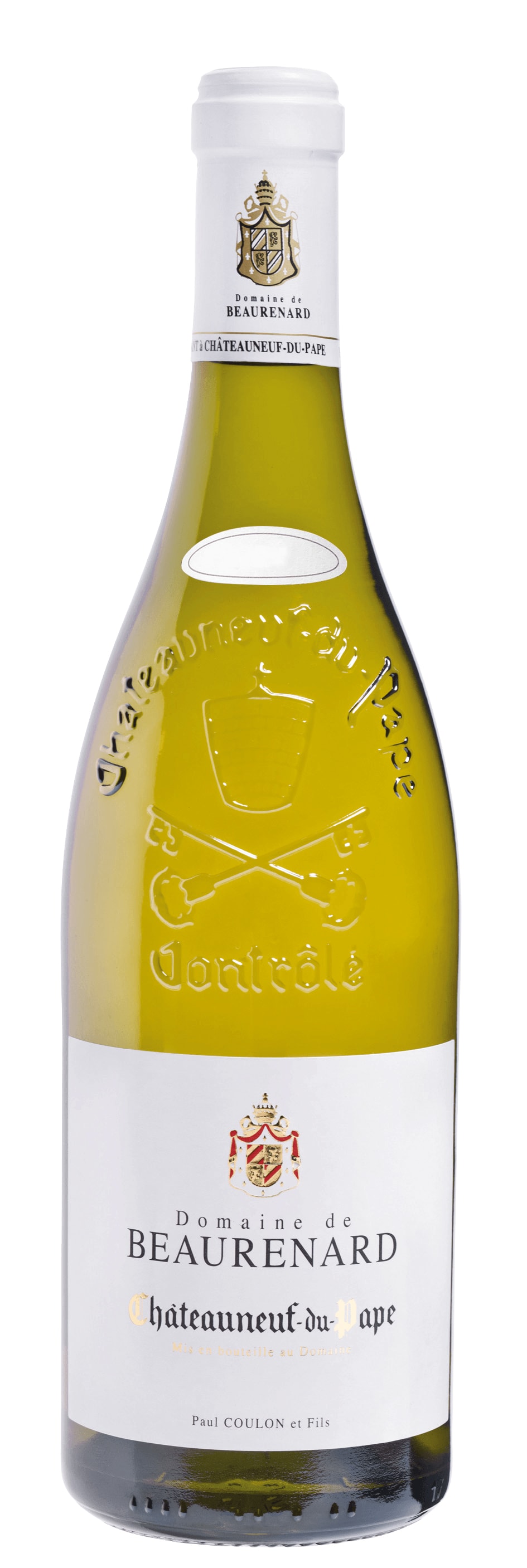
| Country: | France |
| Regions: | Rhone Chateauneuf du Pape |
| Winery: | Beaurenard |
| Grape Type: | Clairette |
| Organic: | Yes |
| Vintage: | 2019 |
| Bottle Size: | 750 ml |
Domaine de Beaurenard Chateauneuf-du-Pape Blanc is made from Clairette blanche & Rose, Grenache Blanc & Gris, Bourboulenc, Roussanne, Picpoul and Picardan.
Gold bright green color. Expressive nose with pear and stone fruits aromas (peach, apricot) with jasmine and roasted almonds notes. The mouth is smooth and fleshy like stone fruit we can smell, with a long a nice finish.
Review:
Always terrific, the 2023 Châteauneuf Du Pape Blanc is no exception, and readers who love vibrant, age-worthy Rhône whites can safely buy this cuvée in just about every vintage. Based on 30% Clairette, 20% Grenache Blanc, 25% Bourboulenc, 22% Roussanne, and splashes of Picardan and Picpoul Blanc, the 2023 reveals a medium gold hue as well as textbook aromatics of pear and orchard fruits intermixed with honeyed flowers, chalky minerality, and subtle green almond nuances. This balanced, medium-bodied, vibrant white is very much in the fresh, focused, yet still textured, approachable style of the vintage.
-Jeb Dunnuck 93 Points
Domaine de la Janasse Chateauneuf-du-Pape Cuvee Vieilles Vignes is made from 65% Grenache, 20% Mourvèdre, 10% Syrah, 5% divers.
In contrast to Chaupin, which is made from old-vine Grenache on sandy soils, the cuvée Vieilles Vignes is from old vines of Grenache, Mourvedre, Syrah along with smaller percentages of other permitted varieties that are grown in these old vineyards. The wine is sourced from 4 terroirs: pebbly clay, sand, gravelly red clay and sandy limestone. Vieilles Vignes is always the most powerful and concentrated Châteauneuf-du-Pape cuvée made at Domaine de la Janasse.
Review:
The 2020 Châteauneuf Du Pape Vieilles Vignes also saw some stems (the estate started keeping some stems with the 2016 vintage) and was 75% destemmed, with the blend being 70% Grenache, 20% Mourvèdre, and the rest Syrah, Cinsault, and Terret Noir. As usual, it’s a more powerful, black-fruited wine comparted to the Cuvée Chaupin and has lots of crème de cassis, liquid violet, crushed stone, woodsmoke, and peppery herbs. It displays the vintage’s purity and freshness yet brings the concentration as well as the structure. I’ll be shocked if it’s not in the handful of top wines in the vintage.
-Jeb Dunnuck 96-98 Points
Domaine de la Janasse Chateauneuf-du-Pape Cuvee Vieilles Vignes is made from 65% Grenache, 20% Mourvèdre, 10% Syrah, 5% divers.
In contrast to Chaupin, which is made from old-vine Grenache on sandy soils, the cuvée Vieilles Vignes is from old vines of Grenache, Mourvedre, Syrah along with smaller percentages of other permitted varieties that are grown in these old vineyards. The wine is sourced from 4 terroirs: pebbly clay, sand, gravelly red clay and sandy limestone. Vieilles Vignes is always the most powerful and concentrated Châteauneuf-du-Pape cuvée made at Domaine de la Janasse.
Review:
The advantages of old vines are perhaps most evident in the more difficult vintages (whether hot and dry or cool and rainy). The 2021 Chateauneuf du Pape Vieilles Vignes is a strong effort, delivering supple, velvety waves of ripe black cherries and black raspberries. Medium to full-bodied, it's rich and concentrated without seeming at all heavy or unbalanced, finishing long and juicy. It's approximately 75% Grenache, 15% Mourvèdre, 5% Syrah and 5% other varieties, keeping in mind that up to 15% of the old Grenache vines are actually Clairette Rose.
-Wine Advocate 96 Points
Color : pale gold
Aromas : subtle with notes of white fruit and flowers
Mouth : balanced, fresh and mineral
TA: 3.0 g/L
RS: 1.5 g/L
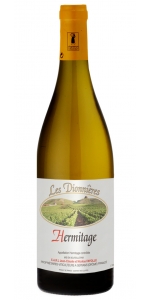
Domaine Jean-Claude et Nicholas Fayolle Hermitage Les Dionneres Blanc is made from 100% Marsanne.
Fayolle Hermitage Blanc Les Dionnieres boasts a superb golden yellow color and extraordinary smoothness and creamy, honeyed aromas of hazelnut, peach and apricot developping into scents of iris, narcissus and lime blossom. Pure and crisp, a solid texture and a clean finish.
Delicious with poultry, veal, seafood, shellfish, veal and most cheeses.

All older vintage wines have been purchased from a single collectors cellar. Pictures can be requested before shipment.
Domaine de Beaurenard Chateauneuf-du-Pape Blanc is made from Clairette blanche & Rose, Grenache Blanc & Gris, Bourboulenc, Roussanne, Picpoul and Picardan.
Gold bright green color. Expressive nose with pear and stone fruits aromas (peach, apricot) with jasmine and roasted almonds notes. The mouth is smooth and fleshy like stone fruit we can smell, with a long a nice finish.
Review:
Bright golden yellow, silver reflections. Delicate herbal spices, a hint of chamomile and mandarin zest, pears and blossom honey are underneath. Juicy, elegant, white peach, delicate honeydew melon, mineral and harmonious, fine fruit sweetness, good ripening potential.
-Falstaff 92 Points
In the 14th century, during their stays in Avignon, the popes – and especially Pope John XXII – built a papal castle in Châteauneuf-du-Pape. Impressed by the area's exceptional soils, they established vineyards on the slopes surrounding the château and were instrumental in promoting the local wine's reputation around the world.
Domaine de Beaurenard in Châteauneuf-du-Pape has been a family-run estate for seven
generations.
A notarial act dated 16 December 1695 mentions “Bois Renard”, which over time has become “Beaurenard”.
The Coulon brothers, Daniel and Frédéric, have taken over from Paul and Régine and are striving to sustain tradition.
The estate covers 32 hectares (a little under 80 acres) of vines in Châteauneuf-du-Pape and 25 hectares in the Côtes du Rhône Villages Rasteau AOC area.
The pebbles the 13 grape varieties the sun and the Mistral have been joining forces for centuries to give birth to each vintage of the Châteauneuf du Pape appellation. The terroir of Châteauneuf-du-Pape is unique: here the large sun-warmed stones diffuse a gentle, providential heat that helps the grapes to mature and their juice to concentrate. The Domaine is home to the " Symphony of 13 varieties" typical of this AOC, which provide aromatic complexity, strength and balance.
For the red wines, four varieties dominate : Grenache, Syrah, Mourvèdre and Cinsault, supplemented by Counoise, Muscardin, Terret Noir and Vaccarèse. The whites are made from white-grape vines : Clairette, Roussane, Bourboulenc, Grenache Blanc, Picardan and Picpoul.
All of Domaine de Beaurenard's vines (60ha) are cultivated organically (Ecocert certified) and even biodynamically (Demeter certified), without synthetic chemicals. The vines are thus attuned to nature, lunar and planetary cycles, and the rhythms of the cosmos.
At key moments, we apply biodynamic preparations (born dung, dung compost, silica, etc.) that strengthen the vines's natural defences. To further fortify them, plant-tea sprays (nettle,yarrow,horsetail,camomile...) are regularly dispensed. In the vineyatds, these methods involve working the soil without herbicides, spreading carefully-dynamised manure, and maintaining sensible grass cover (according to climatic conditions).
The creation of a conservatory with the 13 grape varieties allowed by the appellation, procured from the estate's oldest vines, also promotes biodiversity. The varieties were selected over a five-year period and splice-grafted in aplot where the soil had been resting for 12 years.In doing this, we aimed primarily to safeguard a natural genetic heritage that is particularly well adapted to the terroir. But we were also mindful of future generations; and of being able, if global warning continues, to increase the proportion of varieties that contain less sugar ( and so less alcohol) and contribute aromatic complexity.
Meticulous work is performed all around the years, and particularly during four intense periods :
Pruning is done solely by the estate staff: each person tends to the same plot over the long term, crafting their vines like sculptures.
Debudding of all the vines: this prevents leaf build-up around the bunches, ensure small yields, and ventilates the vine-trunks by letting natural light through. Several other jobs are also done while the grapes are still unripe: placing the shoots between the trellis wires, to which they are then fastened; and green harvesting if necessary.
Soil-working and controlled grass cover are supplemented by a team of seasonal workers who, during long weeks, hoe between the vines – a very strenuous, painstaking job in our stony soils.
Harvesting with all grapes hand-picked and sorted.
This type of extremely precise cultivation and monitoring means we obtain healthy grapes, the only way to make wines of high-quality and concentration.
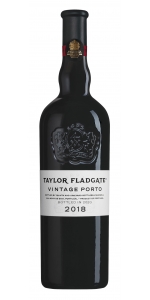
Taylor Fladgate Vintage Port.
On the palate, the wine has beautifully ripe tannins, which integrate perfectly into the mid-palate, providing both structure and volume, and then break out on the finish with a firm wiry, grip. The palate closes with a powerful tide of fresh, complex fruit flowing endlessly through the finish. In the 2018, the Taylor traits of fine fruit and inner power combine seamlessly with the ripeness and depth typical of the vintage.
Shiny gold the wine is lively and crisp, with medium-bodied notes of melon, citrus blossom and flowers. Perfectly balanced between richness, fruitiness and freshness.
Excellent with seafood (scallops and fish) as well as poultry (chicken and turkey)
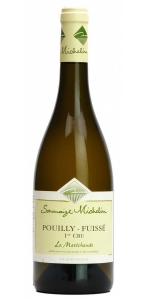
Saumaize Michelin Pouilly Fusse Premier Cru La Marechaude is made from 100 percent Chardonnay.
A beautiful Pouilly-Fuisse from "La Marechaude" parcel that Saumaize-Michelin acquired in 2013. Planted on clay and limestone slopes and hand harvested, this Chardonnay offers fresh and elegant notes of white flowers, crisp, citrus and exotic fruits. Powerful and mineral on the palate with a fantastic balance, finesse and freshness. The exceptional terroir brings minerality and juicy flavors of stone fruits, peach and melon supported by subtle toasty notes.
It is now a Premier Cru.
Jasper Morris - Inside Burgundy 94 Points
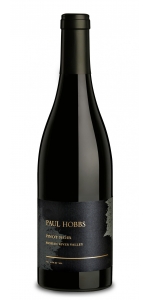
Paul Hobbs Russian River Pinot Noir is made from 100 percent Pinot Noir.
Sourced predominately from the estates that are defined by their proximity to the coast and Russian River climate, the wine displays vivid crimson and aromas of violet, Morello cherry, and black tea. Velvet tannins on the palate ride along a juicy backbone of flavors such as cranberry, Blood orange, and Damson plum. The finish is long, powered behind a crisp acidity and appealing red clay-like minerality.
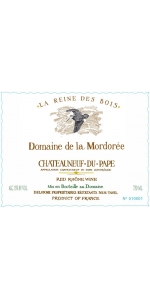
Mordoree Chateauneuf-du-Pape La Reine des Bois is made from 80% Grenache, 10% Mourvèdre, and the rest equal parts Syrah and Vaccarèse .
This premium cuvee - whose name means "Queen of the Woods" - is from 65-year-old vines, planted on Villafranchian-era terrasses. Yield is 30 hl/ha.
Deep ruby red; opaque. Aromas of red fruits change to wooden touches of leather, black truffles and coffee. Fat, concentrated and full flavored with a very long liquoriced and fruity finish.
Review:
The 2022 Châteauneuf du Pape Cuvée De La Reine Des Bois is based on 75% Grenache, 10% each Syrah and 10% Mourvèdre, and the rest Counoise and Vaccarèse. It's not massive yet just exudes class and elegance, with both red and black fruits that give way to more spice, peppery garrigue, and leather, with classic background licorice and black olive notes. Medium to full-bodied, beautifully balanced, and elegant, with silky tannins, this brilliant Châteauneuf du Pape will evolve for two decades.
Number 36 in Dunnuck's Top 100 and 97 Points
"Huge and powerful, but so fresh. This has great driving intensity, with even bigger, more structural tannins than the domaine’s other cuvée. A rampaging Châteauneuf that will take time to settle, and will always be wild. Long, vibrant and chiselled. An absolute beast. Mordorée has been massive but overripe in the past; it's still massive but with this vintage the ripeness is more controlled, and it has transformed into something extraordinary. Fermented and aged 80% in stainless steel, the rest in old barrels. - Matt WALLS"
- Decanter Magazine (September 17th 2023, Part of Châteauneuf-du-Pape 2022: Report and top-scoring wines), 98 pts
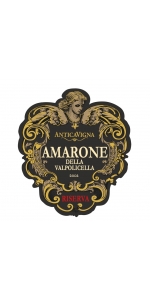
Antica Vigna Amarone della Valpolicella Riserva is made from 65% Corvina, 20% Rondinella, 10% Corvinone, 5% Merlot.
Amarone DOCG has maintained unchanged its typicality, so that “the essence of the territory” of Valle di Mezzane and Cazzano di Tramigna powerfully emerges. Rich in color, firmly structured but with fresh notes.
WINEMAKING AND AGING:
Manual harvest early October with selection of the best bunches.
Drying: natural drying in fruit cellar for 3/4 months with a sharp drop in weight of around 30%.
Vinification: soft crushing of destemmed grapes in the months of January and February.
Fermentation: at a controlled temperature of 18/21°C. Fermentation time: about 30 days
Aging:· 80% in oak barrels for 30 months of which 2/3 in American and French barriques, half of which are used for the second and third time, 1/3 in large
THE TERRITORY:
Geographical location: Tenuta di Mezzane, Tenuta di Cazzano di Tramigna
Height: 350/400 meters asl
Exposure: south
Soil type: limestone
Vineyard training system: guyot and pergola
Vine planting year: from 1972 to 2009
Vine density: 4,000 to 5,400 vines per hectare Vineyard management: sustainable agriculture and great attention to natural
cycles
Pairs well with grilled and roasted meats, as well as cheese.
Timeless Notes:
Dark cherry in color, firm on the palate with a vibrant acidity underbelly. Thought lush on the palate the flavors are complex and elegant from entry to mid-palate with hints of currant and wild berries. The finish brings in a touch of tobacco and leather notes ,classic examples of this region, with more ripe fruit flavors that linger on long strain tannin finish. Complex with depth and elegance on the palate. This one is drinking now, but can handle more time in the cellar with ease. An excellent value in the Riserva category.
La Despensa Boutique Cinsault is made from 100% Cinsault.
A genuinely unique wine - they are the only producers of Cinsault in Colchagua! From a new vineyard planted in 2017, the team at La Despensa thinks they’ve hit the jackpot with this variety in this valley. Much more structure, color and intensity than the typical Chilean Cinsaults from further south, this is an easy drinking but serious version of this wonderfully fruity variety!
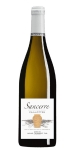
From the caillottes soil type.
A Sancerre fermented and aged in amphorae, straw-colored, with full aromas and a beautiful complexity: grapefruit, honeysuckle, orange blossom and a pinch of curry. A fine sweetness coats an expressive, dynamic and juicy mouth, with a zesty accent. Complete, persistent, its place is at the table, on fish with fennel for example.
A pure expression of Sancerre’s classic terroir. Grown on the appellation’s prized Caillottes soils — shallow, stony limestone mixed with gravel — this Sauvignon Blanc delivers exceptional elegance and vibrancy. The well-draining stones promote deep rooting and early ripening, yielding a wine with bright aromatics of citrus, white peach, fresh herbs, and wet stone. Crisp, lively acidity and a refined, mineral-driven finish make this the quintessential Sancerre — refreshing, aromatic, and perfectly balanced. Ideal as an aperitif or with shellfish, goat cheese, and fresh seafood.
Only 1000 bottles produced.



