
" We don't sell the wine without touching the vine "
| Country: | France |
| Regions: | Rhone Chateauneuf du Pape |
| Winery: | Beaurenard |
| Grape Type: | Grenache |
| Organic: | Yes |
| Vintage: | 2019 |
| Bottle Size: | 750 ml |
Domaine de Beaurenard Chateauneuf-du-Pape Blanc is made from Clairette blanche & Rose, Grenache Blanc & Gris, Bourboulenc, Roussanne, Picpoul and Picardan.
Gold bright green color. Expressive nose with pear and stone fruits aromas (peach, apricot) with jasmine and roasted almonds notes. The mouth is smooth and fleshy like stone fruit we can smell, with a long a nice finish.
Review:
Always terrific, the 2023 Châteauneuf Du Pape Blanc is no exception, and readers who love vibrant, age-worthy Rhône whites can safely buy this cuvée in just about every vintage. Based on 30% Clairette, 20% Grenache Blanc, 25% Bourboulenc, 22% Roussanne, and splashes of Picardan and Picpoul Blanc, the 2023 reveals a medium gold hue as well as textbook aromatics of pear and orchard fruits intermixed with honeyed flowers, chalky minerality, and subtle green almond nuances. This balanced, medium-bodied, vibrant white is very much in the fresh, focused, yet still textured, approachable style of the vintage.
-Jeb Dunnuck 93 Points
Domaine de la Janasse Chateauneuf-du-Pape Cuvee Vieilles Vignes is made from 65% Grenache, 20% Mourvèdre, 10% Syrah, 5% divers.
In contrast to Chaupin, which is made from old-vine Grenache on sandy soils, the cuvée Vieilles Vignes is from old vines of Grenache, Mourvedre, Syrah along with smaller percentages of other permitted varieties that are grown in these old vineyards. The wine is sourced from 4 terroirs: pebbly clay, sand, gravelly red clay and sandy limestone. Vieilles Vignes is always the most powerful and concentrated Châteauneuf-du-Pape cuvée made at Domaine de la Janasse.
Review:
The 2020 Châteauneuf Du Pape Vieilles Vignes also saw some stems (the estate started keeping some stems with the 2016 vintage) and was 75% destemmed, with the blend being 70% Grenache, 20% Mourvèdre, and the rest Syrah, Cinsault, and Terret Noir. As usual, it’s a more powerful, black-fruited wine comparted to the Cuvée Chaupin and has lots of crème de cassis, liquid violet, crushed stone, woodsmoke, and peppery herbs. It displays the vintage’s purity and freshness yet brings the concentration as well as the structure. I’ll be shocked if it’s not in the handful of top wines in the vintage.
-Jeb Dunnuck 96-98 Points
Domaine de la Janasse Chateauneuf-du-Pape Cuvee Vieilles Vignes is made from 65% Grenache, 20% Mourvèdre, 10% Syrah, 5% divers.
In contrast to Chaupin, which is made from old-vine Grenache on sandy soils, the cuvée Vieilles Vignes is from old vines of Grenache, Mourvedre, Syrah along with smaller percentages of other permitted varieties that are grown in these old vineyards. The wine is sourced from 4 terroirs: pebbly clay, sand, gravelly red clay and sandy limestone. Vieilles Vignes is always the most powerful and concentrated Châteauneuf-du-Pape cuvée made at Domaine de la Janasse.
Review:
The advantages of old vines are perhaps most evident in the more difficult vintages (whether hot and dry or cool and rainy). The 2021 Chateauneuf du Pape Vieilles Vignes is a strong effort, delivering supple, velvety waves of ripe black cherries and black raspberries. Medium to full-bodied, it's rich and concentrated without seeming at all heavy or unbalanced, finishing long and juicy. It's approximately 75% Grenache, 15% Mourvèdre, 5% Syrah and 5% other varieties, keeping in mind that up to 15% of the old Grenache vines are actually Clairette Rose.
-Wine Advocate 96 Points
Delas Freres Cote Rotie La Landonne Rouge is made from 100 percent Syrah.
This very ancient region dates back to the Roman Era and is located on the right bank of the Rhône. It is said that during the Middle Ages, “The Seigneur de Maugiron” gave a hillside to each of his two daughters - one was brunette and the other fair - thus, were born the names of “Côte Brune” and “Côte Blonde.” Wines from the Côte Blonde tend to be more delicate and lighter in character than the fuller wines of the Côte Brune. Together, they make a wine of style and substance. This cuvée is a vineyard plot selection. The grapes come exclusively from a plot within the named slope of “La Landonne.”
This cuvée‘s first vintage was 1997. The wine is only made in the very best years. Its highly limited production never exceeds 2,500 bottles per year.
The steep, terraced hillsides along the river produce wines that are among the "biggest" reds of France. The Delas Côte-Rôtie is primarily Syrah with an addition of up to 10 to 20% of Viognier grapes in the crop. The soils of the northern part of the Côte Brune vineyard consists of extremely steep, terraced slopes of ferruginous mica schists which are covered with schist sand (arzel). The Côte Blonde has a varied geology with gneiss and granite predominating at the most southern side of the appellation. The area has dry, hot summers with regular rainfalls during other seasons. The grapes for the “La Landonne” cuvée are picked by hand at maximum maturity. Fermentation takes place in traditional open-topped concrete tanks, following three days of pre-fermentation cold maceration. Before fermentation, the maceration process continues under controlled temperatures of 82°F to 86°F. Daily cap pushing down and pumping over are carried out for about 10 days with total vatting time of up to 20 days. The wine is aged for 14 to 16 months in new or one year old oak casks. The barrels are topped up regularly.
Food Pairing: This wine pairs wonderfully with fine meats, roasted beef, water games, truffles and spicy stews. The bottle should be opened 1 to 3 hours before drinking. This wine needs at least 3 years cellaring before it can open up its complexity. In such case it is strongly recommended to decant before serving.
Tasting Notes: The wine‘s deep color is underscored by plummy hues. A complex nose shows deep, fruity aromas with hints of licorice and roasted coffee. Endowed with a dense and silky tannic structure, this is a full, fleshy wine that provides an ample and generous palate. Its lasting finish speaks of considerable ageing potential.
Reviews:
This is dark and still a bit reticent, with a cast iron cloak around the core of dark currant, plum and blackberry paste flavors, showing lots of sweet bay leaf, anise and singed apple wood notes in the background. There's serious grip through the finish. For the cellar.
-Wine Spectator 96 Points
Very open, spicy and fresh on the nose, you could almost open this now. Struck flint notes assist in teasing out notes of leaf tea, tobacco, rosemary and rose. Very full-bodied, generous but powerful on the palate, tense and mineral. Mouthcoating ripe, sweet tannin and robust amounts of sweet baking spices, along with more tobacco and black fruit on the palate. Has depth, length, power and impressive balance despite the high alcohol. Drink from now into 2022, or from 2031 to 2040. Lieu-dit La Landonne, from the Brune side (mica schist bedrock). Matured in new and one-year-old barrels for 14 months.
-Decanter 96 Points
The 2019 Côte Rôtie La Landonne comes from one of the greatest sites for Syrah in the world, the La Landonne lieu-dit located close to the center of the appellation, on the Côte Brune side. It reveals a deeper purple hue (it's slightly more opaque than the Seigneur de Maugiron) and offers a brilliant nose of ripe cassis, black raspberries, scorched earth, smoked herbs, and seared meat. Full-bodied and powerful on the palate, this is a deep, spicy, concentrated Côte Rôtie with a plush, layered mouthfeel, sweet tannins, beautiful balance, and a great, great finish. This puppy brings the fruit, opulence, and texture of the vintage yet still has a classic Côte Rôtie character.
-Jeb Dunnuck 96 Points
Fresh aromatic layers of mint sit atop crushed red cherries and wild strawberries, with light clove and thyme on the nose. The palate is rich and enticing with black cherries, plums, rhubarb, pomegranate seeds, black olives and freshly picked rosemary leaves. Tremendous texture, structure, and refreshing acidity carry this wine to a robust finish of orange zest and black tea leaves. Maisons Marques & Domaines USA.
- Wine Enthusiast 96 Points
This very ancient region dates back to the Roman Era and is located on the right bank of the Rhône. It is said that during the Middle Ages, “The Seigneur de Maugiron” gave a hillside to each of his two daughters - one was brunette and the other fair - thus, were born the names of “Côte Brune” and “Côte Blonde.” Wines from the Côte Blonde tend to be more delicate and lighter in character than the fuller wines of the Côte Brune. Together, they make a wine of style and substance. This cuvée is a vineyard plot selection. The grapes come exclusively from a plot within the named slope of “La Landonne.”
This cuvée‘s first vintage was 1997. The wine is only made in the very best years. Its highly limited production never exceeds 2,500 bottles per year.
The steep, terraced hillsides along the river produce wines that are among the "biggest" reds of France. The Delas Côte-Rôtie is primarily Syrah with an addition of up to 10 to 20% of Viognier grapes in the crop. The soils of the northern part of the Côte Brune vineyard consists of extremely steep, terraced slopes of ferruginous mica schists which are covered with schist sand (arzel). The Côte Blonde has a varied geology with gneiss and granite predominating at the most southern side of the appellation. The area has dry, hot summers with regular rainfalls during other seasons. The grapes for the “La Landonne” cuvée are picked by hand at maximum maturity. Fermentation takes place in traditional open-topped concrete tanks, following three days of pre-fermentation cold maceration. Before fermentation, the maceration process continues under controlled temperatures of 82°F to 86°F. Daily cap pushing down and pumping over are carried out for about 10 days with total vatting time of up to 20 days. The wine is aged for 14 to 16 months in new or one year old oak casks. The barrels are topped up regularly.
Tasting Notes
The wine‘s deep color is underscored by plummy hues. A complex nose shows deep, fruity aromas with hints of licorice and roasted coffee. Endowed with a dense and silky tannic structure, this is a full, fleshy wine that provides an ample and generous palate. Its lasting finish speaks of considerable ageing potential.
Food Pairing
This wine pairs wonderfully with fine meats, roasted beef, water games, truffles and spicy stews. The bottle should be opened 1 to 3 hours before drinking. This wine needs at least 3 years cellaring before it can open up its complexity. In such case it is strongly recommended to decant before serving.
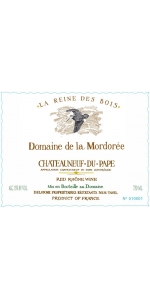
Mordoree Chateauneuf-du-Pape La Reine des Bois is made from Grenache 75 %, Mourvèdre 10%, Syrah 10 % , Counoise 3% & Vaccarese 2%.
This premium cuvee - whose name means "Queen of the Woods" - is from 65-year-old vines, planted on Villafranchian-era terrasses. Yield is 30 hl/ha.
Deep ruby red; opaque. Aromas of red fruits change to wooden touches of leather, black truffles and coffee. Fat, concentrated and full flavored with a very long liquoriced and fruity finish.
Pairs with red meats, sauce dishes, game animals (woodcock, wild boar) and semi mature cheeses.
Review:
"The 2019 Châteauneuf Du Pape Cuvée De La Reine des Bois is a deeper, more masculine wine with gorgeous cassis and blackberry fruits as well as graphite, licorice, crushed stone, violets, and lavender nuances. Rich, full-bodied, and incredibly concentrated, it has a brilliant sense of freshness and purity as well as length on the finish. It's going to require 4-5 years of bottle age, but this straight-up thrilling Châteauneuf du Pape will have 20-25 years of prime drinking."
- Jeb Dunnuck (November 2021), 98+ pts
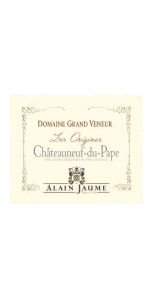
Grand Veneur Chateauneuf-du-Pape Rouge Les Origines is made from 50% Grenache, 30% Mourvedre and 20% Syrah
Matured in vats (grenache) and in oak casks (syrah and mourvèdre).
Deep and brilliant, purple-red colour. An exciting nose with aromas of black fruit (blackcurrant, cherry) spices and vanilla. This great aromatic complexity is found on the palate : the spices and ripe fruit appear with an elegant woodiness and harmonious tannins. The finish has good aromatic length and introduces a touch of liquorice and pepper.
A terrific Châteauneuf du Pape with great concentration and finesse.
Best between 2 and 20 years. Best to decant if young (less than 5 years old).
Soil type Extreme north of Châteauneuf du Pape. This plateau is made with a high quantity of red clay mixed with rocks. This area is considerated to be one of the best to produce rich and powerful red wines. By definition, LES ORIGINES will always deliver a great complexity and ageing potential. Winemaking & ageing Harvest is sorted by hand, destemmed and crushed. Fermentation temperature is controlled at 30°C. Vatting period of 18 to 20 days. Matured in vats (grenache) and in oak casks (syrah and mourvèdre).
Review:
"The 2019 Châteauneuf Du Pape Les Origines is also deep purple-hued and has a classic bouquet of crème de cassis and blackberry fruits intermixed with notions of graphite, chocolate, and spicy wood. Rich, full-bodied, and concentrated, this is beautifully done and despite its more modern elevage, it has plenty of Provençal character and charm."
- Jeb Dunnuck (October 2020), 94-96+ pts
"Warm in feel, with a gush of plum puree and blackberry paste flavors, liberally laced with black licorice and roasted alder notes. A solidly built, modern version, with a nice tug of warm earth on the back end. Best from 2022 through 2034. —J.M."
- Wine Spectator's Insider (June 9th 2021), 93 pts
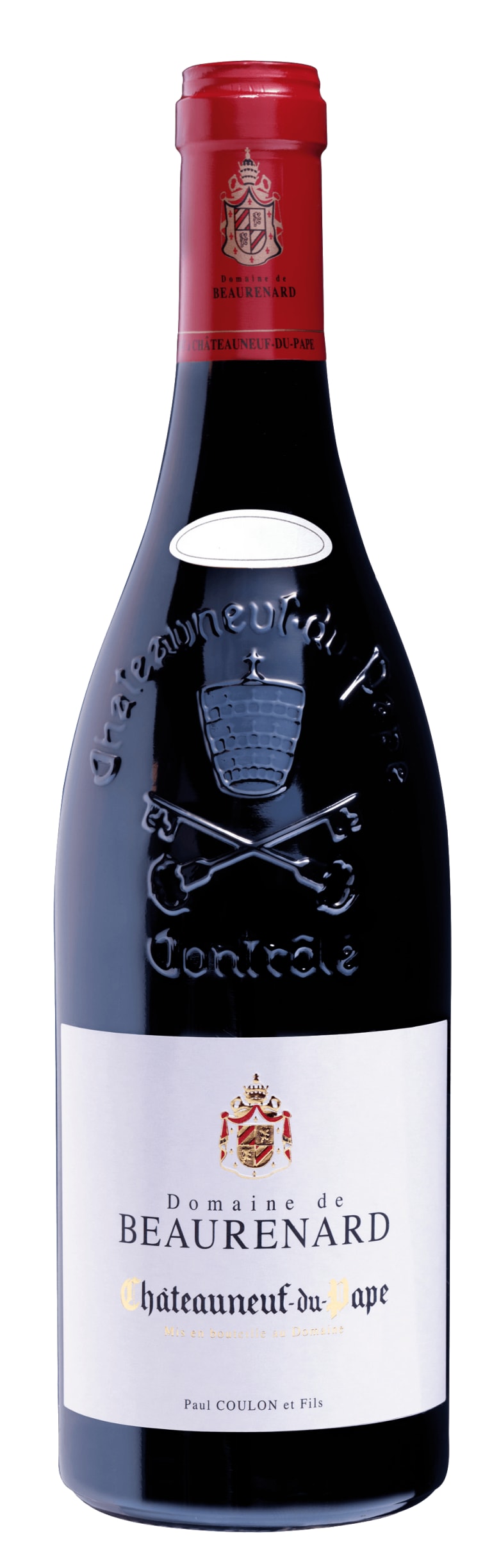
Domaine de Beaurenard Chateauneuf-du-Pape is made from 65% Grenache, 15% Syrah, 10% Mourvèdre.
Domaine de Beaurenard’s flagship wine is a quintessential blend, reflecting all the diversity of the terroir and the perfect synergy that exists between the soils and the grapes. It offers a supple and refined texture associated with a delicate aromatic palette that is the result of a constant quest for freshness.
Review:
Checking in as a blend of 65% Grenache, 15% Syrah, 10% Mourvèdre, and the rest a handful of varieties, the 2019 Châteauneuf Du Pape was brought up in a mix of foudre and older barrels. This deep ruby/purple-hued effort has a pure, vibrant, incredibly seamless, medium to full-bodied style that carries classic notes of black raspberry and black cherry fruits as well as peppery herbs, violets, spring flowers, and sous bois. This straight-up gorgeous, seamless, ultra-fine 2019 should be snatched up by readers. It has a rare mix of elegance, purity, and power, and it’s going to have two decades of prime drinking.
-Jeb Dunnuck 95 Points
In the 14th century, during their stays in Avignon, the popes – and especially Pope John XXII – built a papal castle in Châteauneuf-du-Pape. Impressed by the area's exceptional soils, they established vineyards on the slopes surrounding the château and were instrumental in promoting the local wine's reputation around the world.
Domaine de Beaurenard in Châteauneuf-du-Pape has been a family-run estate for seven
generations.
A notarial act dated 16 December 1695 mentions “Bois Renard”, which over time has become “Beaurenard”.
The Coulon brothers, Daniel and Frédéric, have taken over from Paul and Régine and are striving to sustain tradition.
The estate covers 32 hectares (a little under 80 acres) of vines in Châteauneuf-du-Pape and 25 hectares in the Côtes du Rhône Villages Rasteau AOC area.
The pebbles the 13 grape varieties the sun and the Mistral have been joining forces for centuries to give birth to each vintage of the Châteauneuf du Pape appellation. The terroir of Châteauneuf-du-Pape is unique: here the large sun-warmed stones diffuse a gentle, providential heat that helps the grapes to mature and their juice to concentrate. The Domaine is home to the " Symphony of 13 varieties" typical of this AOC, which provide aromatic complexity, strength and balance.
For the red wines, four varieties dominate : Grenache, Syrah, Mourvèdre and Cinsault, supplemented by Counoise, Muscardin, Terret Noir and Vaccarèse. The whites are made from white-grape vines : Clairette, Roussane, Bourboulenc, Grenache Blanc, Picardan and Picpoul.
All of Domaine de Beaurenard's vines (60ha) are cultivated organically (Ecocert certified) and even biodynamically (Demeter certified), without synthetic chemicals. The vines are thus attuned to nature, lunar and planetary cycles, and the rhythms of the cosmos.
At key moments, we apply biodynamic preparations (born dung, dung compost, silica, etc.) that strengthen the vines's natural defences. To further fortify them, plant-tea sprays (nettle,yarrow,horsetail,camomile...) are regularly dispensed. In the vineyatds, these methods involve working the soil without herbicides, spreading carefully-dynamised manure, and maintaining sensible grass cover (according to climatic conditions).
The creation of a conservatory with the 13 grape varieties allowed by the appellation, procured from the estate's oldest vines, also promotes biodiversity. The varieties were selected over a five-year period and splice-grafted in aplot where the soil had been resting for 12 years.In doing this, we aimed primarily to safeguard a natural genetic heritage that is particularly well adapted to the terroir. But we were also mindful of future generations; and of being able, if global warning continues, to increase the proportion of varieties that contain less sugar ( and so less alcohol) and contribute aromatic complexity.
Meticulous work is performed all around the years, and particularly during four intense periods :
Pruning is done solely by the estate staff: each person tends to the same plot over the long term, crafting their vines like sculptures.
Debudding of all the vines: this prevents leaf build-up around the bunches, ensure small yields, and ventilates the vine-trunks by letting natural light through. Several other jobs are also done while the grapes are still unripe: placing the shoots between the trellis wires, to which they are then fastened; and green harvesting if necessary.
Soil-working and controlled grass cover are supplemented by a team of seasonal workers who, during long weeks, hoe between the vines – a very strenuous, painstaking job in our stony soils.
Harvesting with all grapes hand-picked and sorted.
This type of extremely precise cultivation and monitoring means we obtain healthy grapes, the only way to make wines of high-quality and concentration.
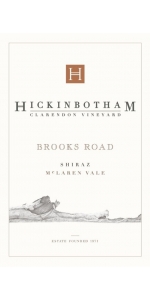
Hickinbotham Brooks Road Shiraz is made from 100 percent Shiraz.
After the hand-picked Shiraz clusters were delivered from high country (210-230 meters) by Viticulturer Michael Lane, the winemaker destemmed and sorted the whole berries into open fermenters. The cold soak was four days, the skins plunged three times daily, and the minimum time on skins was eighteen days. The wine was then basket pressed; its free run and pressings kept separate. To minimize filtration at bottling, three rack-and-returns were conducted over fifteen months as the wine seasoned in a mixture of Burgundy-coopered barrels.
This Shiraz shows the characters this vineyard has displayed since the start, but perhaps in a more elegant, harmonious and balanced form. Its consistency is comforting and reassuring, buttressed by blue and black fruit notes throughout. It is readily enjoyable but has all the structure, acid and tannin to offer decades of rewards from cellaring.
Review:
A rich, succulent mix of dark chocolate, spiced plum, wild blackberry and black licorice notes. Showcases both power and elegance, with chai, cigar box, violets and dried sage notes, velvety and generous, on the long, generous finish. Drink now through 2035. 1,900 cases made, 370 cases imported
-Wine Spectator 95 Points
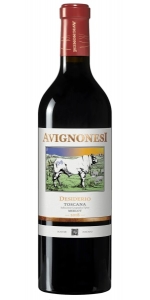
Avignonesi Desiderio Merlot Toscana IGT is made from Merlot.
Avignonesi Desiderio Merlot has an explosive olfactory impact. The wide aromatic bouquet ranges from cherry and plum jam to notes of black tea, rhubarb and graphite, with small final notes of fermented tobacco. The entrance is bursting. The palate is invested by the imposing and typical structure of Tuscan Merlot, enveloping and warm. Tastefully in symbiosis with the olfactory notes, the dense and linear tannin accompanies hints of coconut and black pepper in retrolfaction.
Review:
James Suckling 94 Points
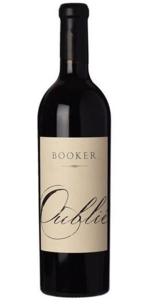
Booker Vineyard Oublie Red is made from 33% Syrah, 30% Grenache, 28% Mourvèdre, 5% Tannat, 4% Petite Sirah
Oublié's blend is always Grenache, Syrah and Mourvèdre – the California version of a Châteauneuf du Pape. The namesake is a play on the French term for "forgotten." Rhône varietals grow beautifully on the estate and Booker believes that they are far-too-often forgotten when you think of a California wine. Deep ruby/purple in color, this hearty expression of a Paso GSM boasts confident notes of boysenberry, licorice and cedar on the nose. On the palate, the taster is rewarded with lively flavors of raspberry coulis mingled with blonde roast coffee and chocolate ganache. For lovers of Mourvèdre, this vintage of Oublié will show off. It drinks bolder than prior vintages, mostly because the Mourvèdre was so special in '19.
Oublié is traditionally one of Booker's most food-friendly wines and should pair well with most dishes.
Review:
The 2019 Oublié is a blend of Syrah, Mourvèdre, Tannat and Petite Sirah with a medium ruby-purple color. The nose offers gregarious mixed berry preserves and accents of potpourri, mint and fragrant earth. The palate offers juicy appeal and powerful fruit with loads of spice and floral perfume, bursts of freshness and firm, pleasantly rustic tannins, finishing very long.
-Wine Advocate 97 Points
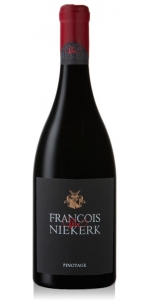
Dense purple hues, with evocative aromas of black cherries, ripe plums, nectarines, boysenberry, wild bramble and exotic oak spice. The juicy and sweet-fruited palate entry, combined with crunchy tannins, lures one into a sense of overtness, yet the wine is sublimely elegant and poised. The complex layers of fruit is in perfect harmony with the oak, all bound together by a lively seam of acidity. The finish is pleasantly dry and savory, with lingering notes of Christmas cake and vanilla pod.
Pair with barbequed meats, especially venison and beef / bobotie / lamb curry / seared tuna / spicy Asian-styled cuisine / aromatic curries / duck with sweet plum sauce / beef or lamb burgers / pizza
Review:
"A full-bodied and brooding wine. Precisely balanced with red cherries, blueberries, coffee, and chocolate with silky tannins and refreshing sour cherry acidity. Serious pedigree here."
- Decanter WWA 2021, 96 points and Gold Medal
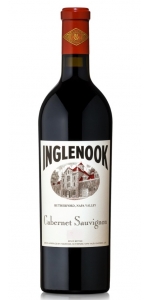
Inglenook Rutherford Cabernet Sauvignon is made from 96% Cabernet Sauvignon, 4% Cabernet Franc.
Stunningly deep ruby in color, the 2019 Cabernet Sauvignon opens with heady aromas of brambly black cherry, vanilla, warm brioche, and crème de cassis. As the wine warms on the palate, notes of red cherry, graphite and fennel emerge, as very polished, refined tannins carry the wine into a long, fragrant finish. Layered flavors, good tension, and a perfect integration of wine and oak interact to create this classic expression of Inglenook Cabernet Sauvignon.
Review:
This shows notes of ripe blackberries and blackcurrants with hints of licorice, cloves, walnuts and chocolate. It has full body and a velvety tannin structure. Juicy and vibrant fruit on the palate with a touch of earthiness. Smooth and delicious. Long, fruity finish. Very pure fruit. Try after 2024.
-James Suckling 95 points
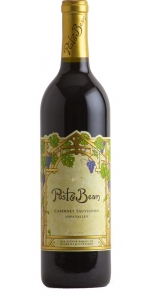
Far Niente Post & Beam Napa Cabernet Sauvignon is made from 100 percent Napa Cabernet Sauvignon.
At Post & Beam, we make wines of pure expression, built on generations of hands-on experience producing acclaimed Cabernet Sauvignon and Chardonnay. Backed by the expertise and legacy of Far Niente Wine Estates, we use time-honored techniques to make exceptional wines that can be enjoyed upon release. Our expertise of winemaking at the highest level has enabled us to create wines that seamlessly unite tradition and modernity.
The 2022 Post & Beam Cabernet Sauvignon displays seductive aromas of briar patch and plum sauce on the nose before leading onto a palate that is well-structured yet elegant. Round and textured on the palate, the entry is layered with cassis and blackberry. The finish exudes vanilla, mocha, and cocoa flavors alongside resolved tannins.
Review:
Richly appointed, with dark blue and purple fruit and a plush mouthfeel. Notes of plum liqueur and freshly roasted coffee grace the palate as dark chocolate and anise entwine with the wine's well-defined structure and satin-lined tannins. Spiced red tea and sandalwood engage with more chocolate on the finish.
-Tasting Panel 95 Points
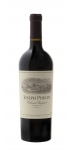
Joseph Phelps Vineyards Cabernet Sauvignon is made from 92% Cabernet Sauvignon, 4% Petit Verdot, 2% Cabernet Franc, 1% Merlot, 1% Malbec.
A classic Napa Valley Cabernet Sauvignon with inviting violet, dark fruit, tobacco, subtle baking spice and earthy dried herb aromatics. The palate is filled with expressive black cherry, blackberry and dark plum, hints of spice box and sweet vanilla bean. A focused, concentrated wine with youthful energy and freshness nimbly balanced by supple tannin structure and finesse.
Review:
Blackcurrants, spiced cedar and dark spices with bark undertones. Full-bodied with very fine, velvety tannins. Textured and compact with a firm, lingering finish. Tight at the end. Needs time to open.
-James Suckling 94 Points
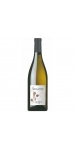
Michel Thomas Sancerre Blanc is 100% Sauvignon Blanc (40% Caillottes, 40% Grosses Terres, 20% Silex)
The wine displays an exotic nose with a touch of smoke and licorice. On the palate, peach and watermelon dominate with citrus zest and chalk notes.
Aged on the lees for a few months (no oak). It goes well with seafood, fish, goats cheese.



