
" We don't sell the wine without touching the vine "

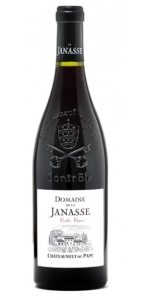
Domaine de la Janasse Chateauneuf-du-Pape Cuvee Vieilles Vignes is made from 65% Grenache, 20% Mourvèdre, 10% Syrah, 5% divers.
In contrast to Chaupin, which is made from old-vine Grenache on sandy soils, the cuvée Vieilles Vignes is from old vines of Grenache, Mourvedre, Syrah along with smaller percentages of other permitted varieties that are grown in these old vineyards. The wine is sourced from 4 terroirs: pebbly clay, sand, gravelly red clay and sandy limestone. Vieilles Vignes is always the most powerful and concentrated Châteauneuf-du-Pape cuvée made at Domaine de la Janasse.
Review:
The 2020 Châteauneuf Du Pape Vieilles Vignes also saw some stems (the estate started keeping some stems with the 2016 vintage) and was 75% destemmed, with the blend being 70% Grenache, 20% Mourvèdre, and the rest Syrah, Cinsault, and Terret Noir. As usual, it’s a more powerful, black-fruited wine comparted to the Cuvée Chaupin and has lots of crème de cassis, liquid violet, crushed stone, woodsmoke, and peppery herbs. It displays the vintage’s purity and freshness yet brings the concentration as well as the structure. I’ll be shocked if it’s not in the handful of top wines in the vintage.
-Jeb Dunnuck 96-98 Points
Domaine de la Janasse Chateauneuf-du-Pape Cuvee Vieilles Vignes is made from 65% Grenache, 20% Mourvèdre, 10% Syrah, 5% divers.
In contrast to Chaupin, which is made from old-vine Grenache on sandy soils, the cuvée Vieilles Vignes is from old vines of Grenache, Mourvedre, Syrah along with smaller percentages of other permitted varieties that are grown in these old vineyards. The wine is sourced from 4 terroirs: pebbly clay, sand, gravelly red clay and sandy limestone. Vieilles Vignes is always the most powerful and concentrated Châteauneuf-du-Pape cuvée made at Domaine de la Janasse.
Review:
The advantages of old vines are perhaps most evident in the more difficult vintages (whether hot and dry or cool and rainy). The 2021 Chateauneuf du Pape Vieilles Vignes is a strong effort, delivering supple, velvety waves of ripe black cherries and black raspberries. Medium to full-bodied, it's rich and concentrated without seeming at all heavy or unbalanced, finishing long and juicy. It's approximately 75% Grenache, 15% Mourvèdre, 5% Syrah and 5% other varieties, keeping in mind that up to 15% of the old Grenache vines are actually Clairette Rose.
-Wine Advocate 96 Points
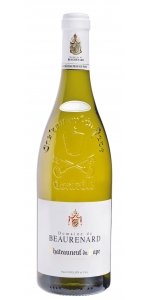
Domaine de Beaurenard Chateauneuf-du-Pape Blanc is made from Clairette blanche & Rose, Grenache Blanc & Gris, Bourboulenc, Roussanne, Picpoul and Picardan.
Gold bright green color. Expressive nose with pear and stone fruits aromas (peach, apricot) with jasmine and roasted almonds notes. The mouth is smooth and fleshy like stone fruit we can smell, with a long a nice finish.
Review:
Always terrific, the 2023 Châteauneuf Du Pape Blanc is no exception, and readers who love vibrant, age-worthy Rhône whites can safely buy this cuvée in just about every vintage. Based on 30% Clairette, 20% Grenache Blanc, 25% Bourboulenc, 22% Roussanne, and splashes of Picardan and Picpoul Blanc, the 2023 reveals a medium gold hue as well as textbook aromatics of pear and orchard fruits intermixed with honeyed flowers, chalky minerality, and subtle green almond nuances. This balanced, medium-bodied, vibrant white is very much in the fresh, focused, yet still textured, approachable style of the vintage.
-Jeb Dunnuck 93 Points

All older vintage wines have been purchased from a single collectors cellar. Pictures can be requested before shipment.
All older vintage wines have been purchased from a single collectors cellar. Pictures can be requested before shipment.
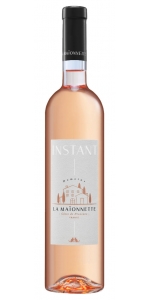
Domaine La Maionnette Rose Cotes de Provence is made from 60% Syrah, 20% Cinsault and 20% Grenache.
The plots of Domaine de la Maïonnette benefit from a clay-limestone soil and are located on a plateau surrounded by hundred-year-old oaks. Bordered by the Provencal scrubland, the vineyard enjoys a dry climate typical of the region.
An emblematic cuvée of the estate, this Cotes de Provence rosé reveals concentrated aromas of citrus fruits and white flowers, and a beautiful structure. The fresh palate brings out sweet candy notes, gooseberry and litchi, and delivers bright acidity and ample length on the finish.
All older vintage wines have been purchased from a single collector’s cellar. Pictures can be requested before shipment.
Verite La Joie Red is made from 76% Cabernet Sauvignon, 9% Merlot, 7% Cabernet Franc,5% Petit Verdot, 3% Malbec.
The 2018 La Joie displays a brilliant violet core with a thin rim of bright ruby. Generous fruit-for- ward aromas of ripe black currant and black cherry are followed by earthy notes of fresh conifer, dried mushroom, black olive, dusty clay, anise and clove. The palate is rich and structured; possessing similar flavors of the nose, refined tannins, well-balanced acidity and a complex, luscious finish.
Review:
Blackberries, black mushrooms, violets, flowers, and dark tobacco. Black truffle, too. Full-bodied, yet in check and pretty. The fine tannins frame the wine perfectly. Really long and focused. Seamless. Elegance with power. This will age incredibly well, but already so gorgeous to try. 76% cabernet sauvignon, 9% merlot, 7% cabernet franc, 5% petit verdot and 3% malbec. Try after 2026, but attractive now.
-James Suckling 99 Points
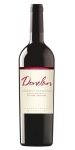
The nose of our the Cabernet Sauvignon shows remarkable purity, opening with juicy fruit-punch and layered notes of blue and red fruit dried with sweet herbs. The palate builds with blackberry pie filling, baker’s chocolate, and freshly ground coffee, underscored by an earthiness of loam and underbrush. Acidity is finely tuned, carrying structure through the middle and sides of the wine. For those who can wait, cellar this bottle for several years. For those who cannot, double decant 4–5 hours before serving and let the wine come fully alive.
Blackberry pie filling, baker’s chocolate, freshly ground coffee, earthy loam and underbrush, red and blue fruit dried with sweet herbs
Review:
"How do you do Cabernet the Donelan way—and do it in Sonoma? The answer began with archetyping older styles of Cabernet. The vineyard lies near Skipstone, encompassing sites such as T-T Vineyard, Obsidian, and Constant on Diamond Mountain. For Joe Donelan, the goal was to craft a Cabernet reminiscent of what Mondavi was producing in the 1970s and early 1980s—wines defined by freshness, clarity, and balance rather than sheer weight. The result is vivid, bright, and pure-fruited, with an immediate freshness factor. Red berry fruit, cherry, and cassis lead the way, framed by a medium-bodied structure with velvety-textured tannins and a creamy mid-palate that makes the wine deeply engaging and remarkably easy to drink. Sagebrush and black olive notes lend savoury complexity, joined by subtle hints of tobacco, all carrying through to a long, mineral-driven, fruit-focused finish. - Jonathan CRISTALDI"
Decanter (January 5th 2026), 97 points



