
" We don't sell the wine without touching the vine "
| Country: | United States |
| Regions: | California California (Napa) |
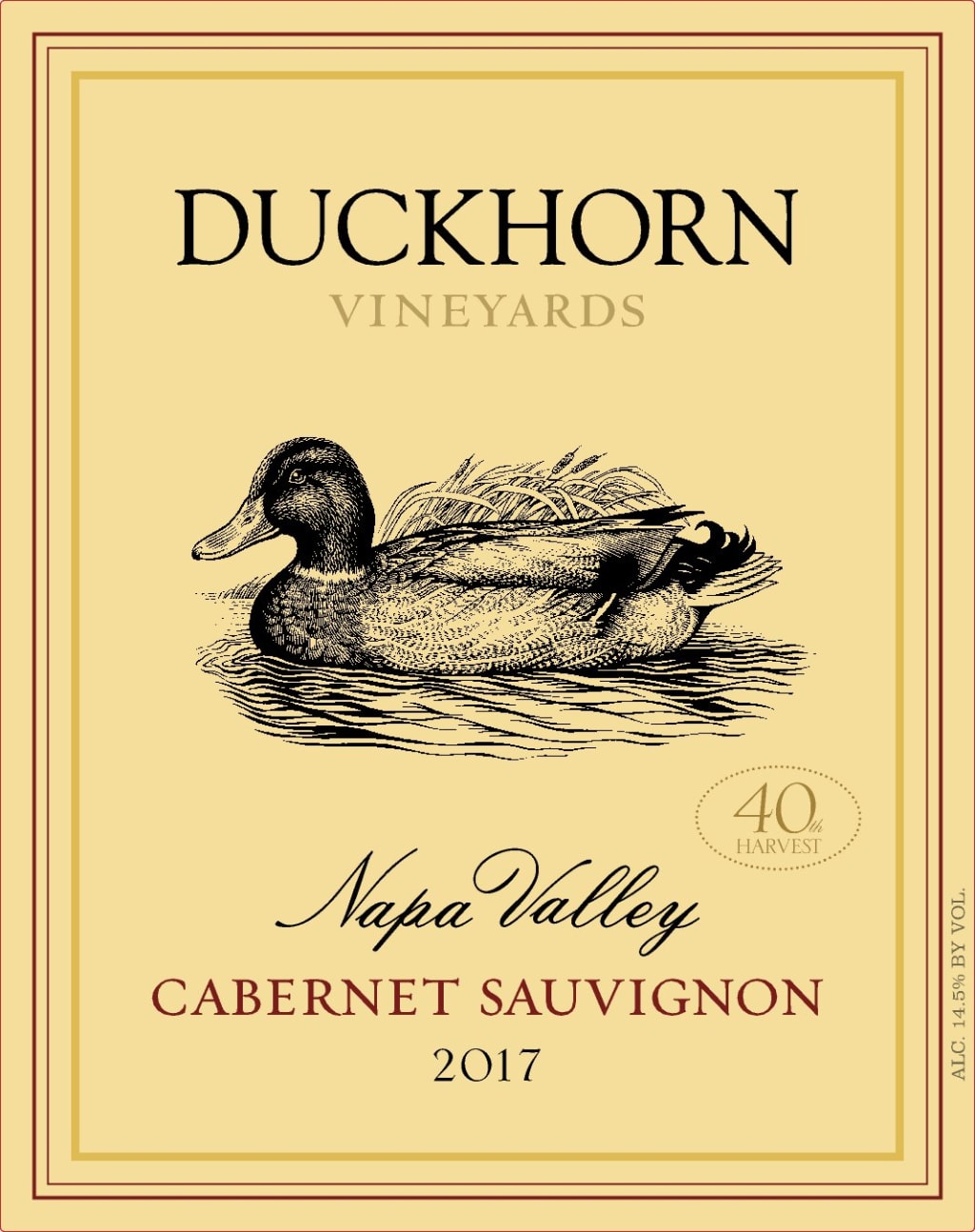
| Winery: | Duckhorn |
| Grape Type: | Cabernet Sauvignon |
| Vintage: | 2017 |
| Bottle Size: | 750 ml |

Charles Krug Family Reserve Howell Mountain Cabernet Sauvignon is made from 100 percent Napa Cabernet Sauvignon.
Rising 1,650 feet above the Napa Valley floor on the southwestside of Howell Mountain, the Family Reserve Howell MountainCabernet Sauvignon sits above the fog line. The distinctiveclimate, along with volcanic and iron-rich red soils, producefruit with great balance and intensity.
Review:
The 2017 Cabernet Sauvignon Limited Release Cold Springs is the most distinctive of the wines in this range of limited-release Cabernets from Charles Krug. Gravel, licorice, menthol and spice all develop in a Howell Mountain Cabernet endowed with tremendous class and nuance.
-Vinous 92 Points

This signature wine contains only fruit farmed on Howell Mountain. The wine comes in a distinctive bottle that is hand dipped in red wax. 100% Cabernet Sauvignon. aged 32 months in 100% new French oak.
Vinous 97 Points

Early to bud and early to ripen, the 2014 vintage was our third drought year in a row. Dry, even temperatures marched the grapes along at a steady clip all year and created a wine with beautifully integrated fruit, acidity, and tannin.
Dense and dark magenta in color, this is a lithe and energetic vintage with lifted aromatics and a purity of fruit that lights up the medium-bodied tannin structure. The nose promises fresh black fruits, cherries and a touch of graphite, and the palate completely delivers. Juicy blackberry, plum, and bright cherry explode in the mouth, and develop into savory notes of baked black fruit and fresh pencil shavings on the mid-palate.
Eagle Summit Vineyard’s signature eucalyptus appears on the back palate to brighten the fruit, showing fragrant peppermint and warm, toasty spices through the finish. Whether you open it young or wait a few decades, this vintage does Howell Mountain proud--sophisticated and smart, with a rustic wild side.
Cresta Velia Cabernet Sauvignon Howell Mountain is made from 100 percent Cabernet Sauvignon.
Aged in 100% French oak (86% new)
• 100% Cabernet Sauvignon from Eagle Summit Vineyard on Howell Mountain
• Equal amounts of clone 4 and clone 7
• unfined and unfiltered
Review:
"The 2014 Cabernet Sauvignon is 100% Cabernet aged 20 months in 86% new French oak, with the typical suspects in terms of cooperage – Darnajou, Taransaud, and Remond. This opaque purple-colored wine has plenty of mulberry and blackcurrant fruit along with hints of blackberries, camphor and incense. The are some notes of unsmoked cigar and licorice as well. Ripe, medium to full-bodied and luscious, it is a classic to drink over the next 15 or more years. - RP"
- Robert Parker's Wine Advocate (Issue #228, December 2016), 90 pts

The origin of Lot C-91 began in the fall of 1969 when Joe Heitz created this one-off cuvée, which was very normal in those days, as a more premium version of his already iconic Napa Valley Cabernet Sauvignon bottling. Joe envisioned Lot C-91 as a greater step up in quality from the Napa Valley Cabernet Sauvignon, with a higher quality of fruit sourcing, coming exclusively from the sought-after single vineyards of Heitz Cellar.
Lot C-91 is the culmination of 50 years of tireless effort, trial and error, and the continual desire to make a unique expression of the heralded vineyards of Heitz Cellar.
Review:
Wow. Such a racy and exciting nose! This is quite agile and nimble, full of red and blue berries in the forefront, then complemented by spiced orange, earl grey, red plums, potpourri, savory plums and chocolate. Tense and elegant on the palate, which is all about succulent red berries, nuance and texture. Nothing redundant here. A great Napa cabernet sauvignon that has real definition. A beauty by all accounts!
-James Suckling 96 Points
In 1969, Heitz produced a one-off cuvée called Lot C-91. It was thought of as an elevated version of the Napa Valley Cabernet – a 'best of the best' blend from sites throughout Napa. After a bottle of the '69 turned up and turned heads at a Heitz wine dinner, the winemaking team decided to produce a modern iteration. It's comprised of vineyards in four AVAs: Rutherford (34%), Oakville (34%), Howell Mountain (17%) and St Helena (15%). The dazzling nose instantly shows off the component from Martha's Vineyard and on the palate it walks the line between succulent, powerful, herbal and floral, showing none of the heat of the 2017 vintage. As of June 2020, this was still a barrel sample, while many Napa 2017s are already on the market.
-Decanter 96 Points

Klipsun Cabernet Sauvignon Red Mountain is made from 84% Cabernet Sauvignon, 4% Merlot, 4% Malbec and 8% Syrah.
The 2017 vintage started out with a cool, wet winter, with significantly above average snowfall in eastern Washington. Red Mountain had a 24% increase in rainfall in 2017 over the 10 year average. Going into spring, the cool trend continued. As a result, bud break at Klipsun was behind the historical average and significantly behind the most recent warm vintages of 2013 2016. Bloom was also slightly delayed. Because of the cool weather, set was lighter than usual which translated into significantly less fruit in 2017.
The early part of the summer saw average temperatures followed by above average temperatures in July and August. As a result, he at accumulation was a bit above average for the season, despite the cool start. And because of the smaller than normal yield, harvest began right on schedule, perhaps even a bit early for some of the whites. In the second half of September, when Klipsun traditionally harvests all the reds, the temperatures cooled considerably, which delayed ripening. This allowed for luxurious amounts of hang time without the threat of increased sugar accumulation, stretching harvest into the first week of October. A s a result, all fruit going into the 2017 Klipsun Cabernet Sauvignon could be picked at perfect sugars levels with great fruit maturity and flavors. Overall, the quality of t he 2017 harvest is as high as the 2016. However, the style is slightly different. The 2017 wine has a firmer structure, more spice & mocha in the nose and will take a few mo re years than the 2016 to reach a perfect balance between fruit and tannin.
Review:
The 2017 Cabernet Sauvignon Red Mountain is composed of 84% Cabernet Sauvignon, 4% Merlot, 4% Malbec and 8% Syrah, which immediately emanates with aromas of dark roasted espresso bean, toasted oak, dried tobacco and dusty black fruit tones of cassis, currant and blackberries covered in dark cocoa powder. Full-bodied, generous in complexity and still tight in the mouth, the wine unpacks layers of cedar and vanilla tones with dusty purple flowers and bitter dark chocolate across the mid-palate, giving way to fine-grained tannins that will loosen with time. As the wine sits on the palate, the 100% French oak regimen is on full display for all to see. The wine lingering long and continues to evolve in the mouth, ending with a drying finish that highlights the oak and terroir. It’s still a baby, and I would keep it in the cellar for another few years before popping the cork—this will effortlessly coast for more than a decade. The 2017 vintage marks the second release of this wine, with 6,300 bottles produced. It comes from its namesake vineyard, first planted in 1984 on Red Mountain. I’m keeping my eye on this producer. I’m impressed, and even though the oak may be a bit much at the moment, it's still delicious. - Wine Advocate 94+ Points

Cardinale Napa Valley Cabernet Sauvignon is made from 91% Cabernet Sauvignon, 9% Merlot.
Super structured and with minerality to spare, this Cabernet Sauvignon offers a real presence on the palate from start to finish. Generous notes of dark chocolate balance beautifully with a blue and black fruit flavor explosion, finishing with a subtle whisper of rose petal.
Reviews:
- James Suckling 98 Points
Lush, energetic and intense, this gorgeous 2017 Napa Valley Cabernet begins with aromas of blackberry, huckleberry and chocolate, as well as hints of mint, cardamom, clove and graham cracker. On the palate it displays lovely brightness, with firm, resolved tannins framing flavors of boysenberry and black currant. As it evolves in the glass, subtle sweet and savory notes are revealed, carrying the wine to a long, focused finish.
Review:
This is a Napa Valley cabernet that does everything right. Renee Ary blends fruit from Duckhorn’s estate with grapes from growers, including 12 percent merlot to point up the luscious texture, aging it for 16 months in French oak barrels (half of them new), without the wine becoming overtly oaky. It’s a wine of elegance and restraint, delicious in its sweet purple-plum intensity, succulent in its earthy tannins. Those mineral tannins retreat into the finish, allowing the savory fruit to move in. Accessible now, this will only improve with a few years in bottle.
-Wine & Spirits 94 Points
Co-founded by Dan and Margaret Duckhorn in 1976, Duckhorn Vineyards has spent forty years establishing itself as one of North America’s premier producers of Napa Valley wines. From its modest inaugural vintage of 800 cases of Cabernet Sauvignon and 800 cases of Merlot in 1978, to its addition of Sauvignon Blanc in 1982, Duckhorn Vineyards has crafted a tradition of quality and excellence that continues today.
1981: Alex Ryan begins working at Duckhorn Vineyards during summer vacations from high school. After university, Alex joins the winery fulltime and comes up through the ranks in the vineyards and production before ultimately becoming CEO and president.
1982: Building on Dan and Margaret’s early passion for Bordeaux-varietal wines, and their desire to make an elegant and enticing white wine, Duckhorn Vineyards produces our first vintage of Napa Valley Sauvignon Blanc using grapes from Marlee’s Vineyard, and a handful of other top winegrowing sites.
1989: Recognizing that the great emerging Napa Valley mountain vineyards are producing wines of exceptional character and quality, we produce our first Howell Mountain appellation-designated wine.
1999: After 20 years of only being open for by-appointment tastings, we break ground on our Duckhorn Vineyards Estate House and Tasting Room adjacent to Marlee’s Vineyard in St. Helena.
2003: Renée Ary joins the Duckhorn Vineyards team under then winemaker, Mark Beringer. Throughout her first decade at Duckhorn Vineyards, Renée learns every detail of production moving from lab manager to enologist to assistant winemaker to associate winemaker in charge of Duckhorn’s Sauvignon Blanc and Monitor Ledge Vineyard wines.
2006: Duckhorn Vineyards crafts its debut vintage of The Discussion. Embodying the depth and complexity of our world-renowned Estate program, The Discussion represents the pinnacle of the Duckhorn Vineyards portfolio and our belief in the timeless union of Cabernet Sauvignon and Merlo
2014: After more than a decade of mastering the Duckhorn Vineyards style, Renée Ary is named the fourth winemaker in the four-decade history of Duckhorn Vineyards. In the years to follow, Renée is recognized for making some of the finest wines in the history of Duckhorn Vineyards.
2015: After four decades of working with its sought-after fruit, we acquire Three Palms Vineyard. Widely recognized as the finest Merlot vineyard in North America, Three Palms becomes the crown jewel of our Estate program.
2017: Duckhorn Vineyards celebrates the milestone of our 40th harvest in Napa Valley with an array of events, and a special 40th Anniversary Harvest logo adorning all 2017 vintage Duckhorn Vineyards wines.

Trouillard Elexium Brut NV is a blend of 50% Chardonnay, 30% Pinot Noir and 20% Pinot Meunier
Aged 2 years on the lees.
This “cuvee” combines pinot noir’s power, pinot meunier ‘s suppleness and chardonnay’s elegance to give to Elexium all its radiance and its lightness. Its ageing provides beautiful citrus fruits notes, whites fruits and a lightly gold color.
Color: Green pale gold, beautiful intensive and persistent sparkle.
Nose: Notes of citrus fruits, white fruits and white flowers.
Mouth: Sophisticated, light, fresh, silky, elegant with a good persistence. Airy character almost feminine.
Terroirs: AOC Champagne - France, 20 selected vineyards located mainly in Petite and Grande Montagne de Reims, in Grande and Haute Vallée and in Côte des blancs.
This cuvee can be served from the aperitif to the dessert. We recommend that you enjoy with poultry, smoked salmon, whites fruits or sorbet.

The 2017 Brunello has certainly enjoyed the benefits of a careful selection in the parcels (including the Millecento vineyard). The wine has a wide nose. It maintains crisp fruit and floral notes. In the mouth it is elegant, complete and supported by an excellent acidity.
Review:
Aromas of ripe berries and plums with some flowers and nutmeg follow through to a full body with round tannins and a juicy finish. Slightly chewy, but friendly and succulent. Excellent 2017, despite the dry growing season.
-James Suckling 94 Points

Fefinanes Albarino de Albarino is 100 percent Albarino
Fresh fruit aromas of apricot and peach slices with notes of lemon and green apple. Pretty notes of honey and wet nutmeg, and the mouth is round, clean, and pleasant with baked apple, honey, and lemon.
This is a classic Albariño which is good young, but actually improves over two to three years and remains quite drinkable for up to five years. Owner Juan Gil comments that the wine really starts to come into its own in June/July, and he actually prefers it 18 or more months after it's made. A Fefiñanes "vertical" of three or four vintages can provide some most interesting surprises.



