" We don't sell the wine without touching the vine "
| Country: | South Africa |
| Region: | Western Cape |
| Winery: | Riebeek Cellars |
| Grape Type: | Sauvignon Blanc |
| Vintage: | 2021 |
| Bottle Size: | 750 ml |
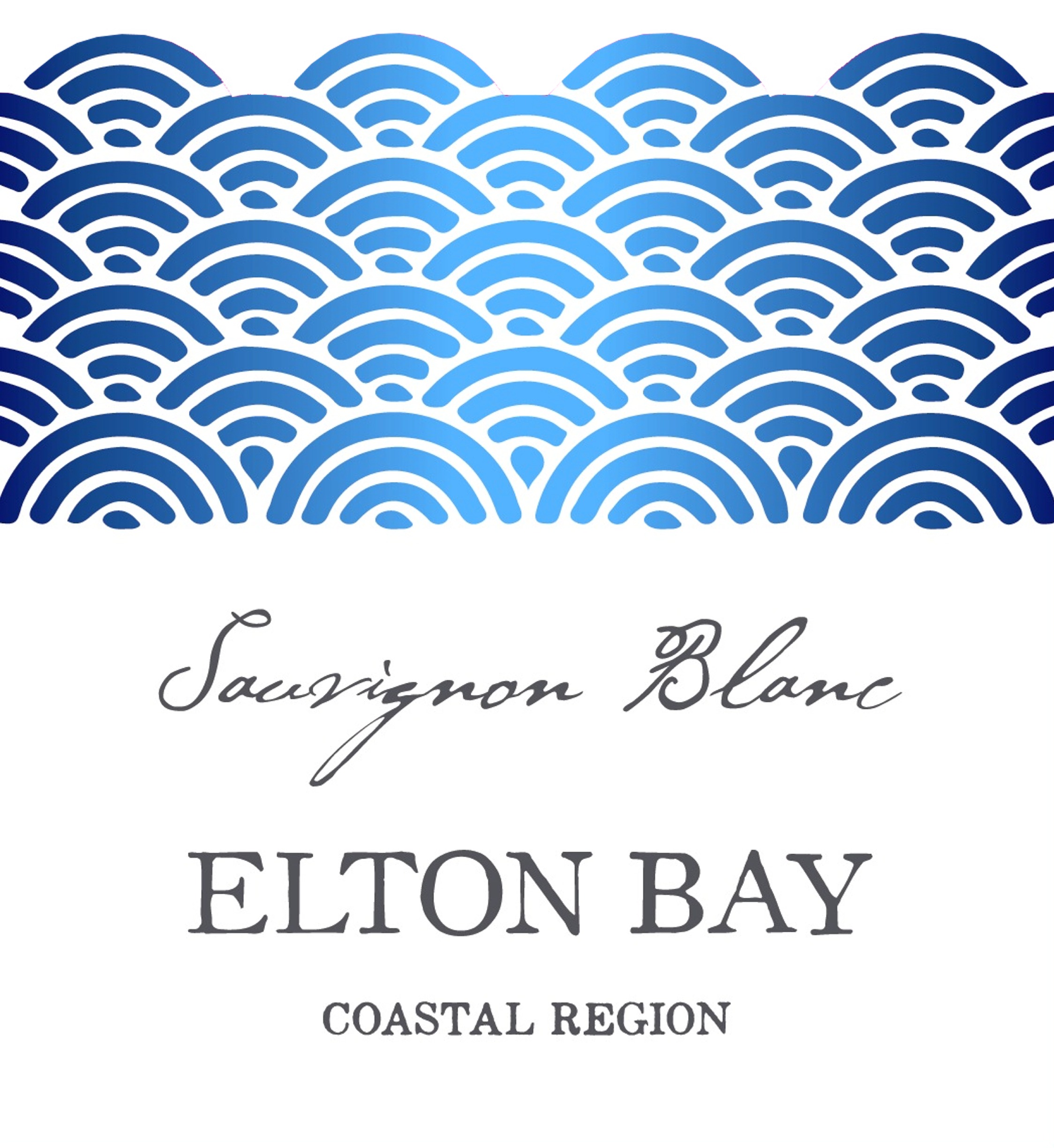
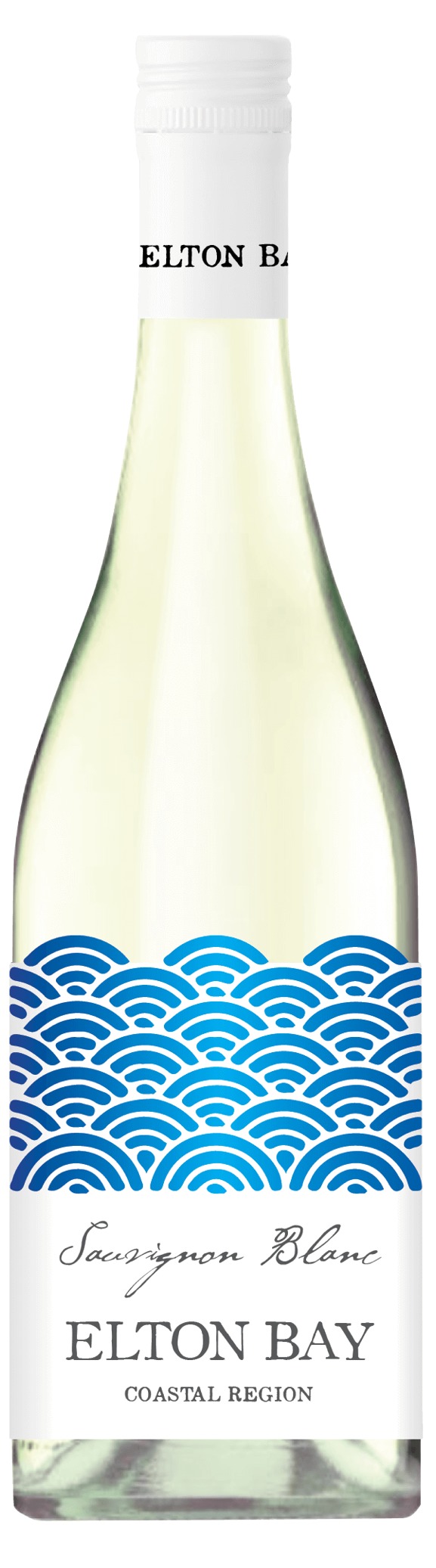
Elton Bay Sauvignon Blanc is made from 100 percent Sauvignon Blanc.
Strung between serene beaches, sculpted coves and wild, rugged mountains, the coastline of South Africa stretches for thousands of miles from east to the west. Drawn to its wild beauty, many a leisure adventurers discover the pristine serenity of unnamed, secluded bays to claim as their own.
Elton Bay Sauvignon Blanc offers tropical fruit and delicate pear drop aromatics with subtle green notes and a hint of minerality on a refreshing, crisp finish.
Elton Bay Sauvignon Blanc is made from 100 percent Sauvignon Blanc.
Strung between serene beaches, sculpted coves and wild, rugged mountains, the coastline of South Africa stretches for thousands of miles from east to the west. Drawn to its wild beauty, many a leisure adventurers discover the pristine serenity of unnamed, secluded bays to claim as their own.
Elton Bay Sauvignon Blanc offers tropical fruit and delicate pear drop aromatics with subtle green notes and a hint of minerality on a refreshing, crisp finish.
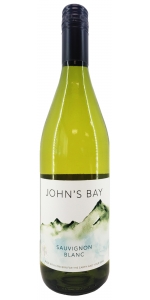
Johns Bay Sauvignon Blanc is made from 100 percent Sauvignon Blanc.
This elegant dry white wine is bursting with delicious tropical fruit aromas and delicate floral notes. The palate is clean, zesty and refreshing, full of ripe citrus flavors and crispy acidity.
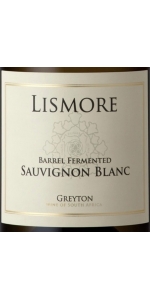
Lismore Barrel Fermented Sauvignon Blanc is made from 100 percent Sauvignon Blanc.
As with all Lismore wines, balance is the key. The bracing acidity that is customary in new world Sauvignons has been brought into balance with a carefully chosen pick date and the barrel and egg fermentation and maturation. A full bodied, balanced wine was the goal.
Barrel fermentation and extended lees contact contribute to this full bodied, elegant and well balanced wine. Floral notes of passion flower and fynbos, granadilla, guava, gooseberry and pear on the palate along with an underlying minerality which gives this unique terroir driven wine its signature.
Wine Made in the Soil
The grapes come from 50% Lismore’s Greyton vineyards which are planted on East/Southeast facing slopes at 320 meters in the foothills of the Sonderend Mountain Range. The soils are deep decomposed shale. The other 50% comes from a vineyard in Stanford which overlooks Walker Bay on sandstone soils.
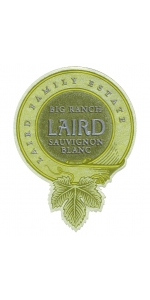
Laird Sauvignon Blanc Napa Valley is made from 100 percent Sauvignon Blanc
Vineyard: 100% Big Ranch Road
Appellation: Oak Knoll District of Napa Valley and Rutherford
Varietal: 100% Sauvignon Blanc
15% of Big Ranch fermented in Neutral Oak barrels + 2% of Smith Ranch fermented in Neutral Oak Barrels.
This lively and prolific varietal thrives in alluvial deposits composed of gravelly sand and gravelly loam, with good water retention and moderate fertility. Our Napa Valley Sauvignon Blanc is crafted in an approachable, fruit-forward style that is typical of the varietal and expressive of its terroir.
Tasting Notes: Translucent gold color leads to notes of juicy ripe pineapple, jasmine, Kaffir lime and Juicy Fruit gum entice the nose. Balanced, yet vibrant body of acidity tantalizes the palate with pineapple, passion fruit and Charentais Melon; a refreshing layer of minerality hits your mid-palate. The elegant, floral finish opens into a complex balance of white peaches, nectarines.
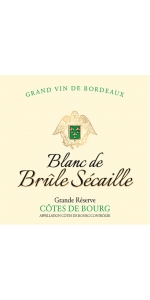
Brulesecaille Blanc Grande Reserve is made from 75% Sauvignon Blanc, 25% Sauvignon Gris.
Average age of the vines is 25 years.
Manual harvest from September 19th-20th 2016.
Direct press at low pressure (whole cluster) with low amount of SO2, settling at 10°C.
Addition of yeast and alcoholic fermentation in casks 400 liters.
Raised on the lees for 6 months with regular batonnage (stirring of the lees).
Bottling in april 2017.
Fish, seafood, white meats, fine goat cheeses.
Elton Bay Sauvignon Blanc is made from 100 percent Sauvignon Blanc.
Strung between serene beaches, sculpted coves and wild, rugged mountains, the coastline of South Africa stretches for thousands of miles from east to the west. Drawn to its wild beauty, many a leisure adventurers discover the pristine serenity of unnamed, secluded bays to claim as their own.
Elton Bay Sauvignon Blanc offers tropical fruit and delicate pear drop aromatics with subtle green notes and a hint of minerality on a refreshing, crisp finish.
The Riebeek Cellars Estate
Riebeek Cellars was established in 1941 and is situated in Riebeek Kasteel at the foot of Bothma's Kloof Pass. This medium-sized winery on the western coast of the Cape Province of South Africa sources its grapes from the fertile Riebeek Valley and the slopes of the mountain where the climate is very similar to the Mediterranean. Through the years as vineyard practices developed, cultivars were planted in soil and at slopes best suited to them. These well-tended vineyards enable the production of high quality wines which makes Riebeek Cellars the choice of wine buyers internationally. Well-known both in South Africa and abroad, Riebeek Cellars manages a variety of brands for various countries.
Heritage
Corporal Pieter Cruythoff, a scout of Jan van Riebeeck, founded the Riebeek Valley in 1661. Impressed by the single standing mountain, he called it Kasteelberg (“Castle Mountain”) commemorating the Castle of Good Hope in Cape Town, the fortress of Commander Jan van Riebeeck. The twin towns, Riebeek Kasteel and Riebeek West, established at the foot of Kasteelberg, are therefore also suitably named after Van Riebeeck.
The Riebeek Valley is a mecca of wonderful wines, exceptional food and exquisite art where tourists and locals alike are forever tempted into spending more time than allowed. The serene valley falls in the bigger Swartland region which is called the 'bread basket' of South Africa for its grain production, while it is further internationally acclaimed for its high quality olive products. With various hotels and fine-dining restaurants as well as true country hospitality, the Riebeek Valley has become a very popular tourist destination. The ultimate charm of Riebeek is however in its people and their commitment and passion for wine.
"Located in the Western Cape region of South Africa, this winery was established in 1941, which makes it relatively old compared to all the new wineries that have sprung up in this area. Among the first Pinotages I can recommend, it’s also a good value. Pinotage, which is, of course, ubiquitous in South Africa, was first made in 1941, when the Cinsault grape (primarily grown in southern France and the Rhone Valley) was crossed with Pinot Noir." - Robert Parker's Wine Advocate (Issue 201, June 2012).
Pazo de Senorans Seleccion de Anada Albarino is made from 100 percent Albarino.
Straw yellow with greenish tints, vivid and brilliant. High intensity and very expressive. Profusion of aromas with traces of mineral. Great volume and ample body leaving a lasting impression from beginning to end.
Reviews:
I think the 2014 Albariño Selección de Añada could be the finest vintage of this characterful long-aging Albariño, from a year with a more moderate 13% alcohol and very high acidity (and low pH) that make the wine fresher and more vibrant. It is developing very slowly and showing quite young after it spent over 30 months with lees in 1,500- and 3,000-liter stainless steel tanks. It has a pale color and an elegant nose with notes of freshly cut grass, white flowers and wet granite. The palate is vibrant with effervescent acidity, and it has a long, dry and tasty finish with an austere sensation, far away from the tropical notes of some past vintages. This is superb and should continue developing nicely in bottle. Bravo! It wasn't bottled until April 2023, and 14,000 bottles were produced.
-Wine Advocate 96 Points
Tech:
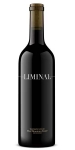
Liminal WeatherEye Vineyard The Mountain Tower is made from 40% Cabernet Franc, 33% Cabernet Sauvignon and 27% Merlot.
All three of these blocks lie quite close together on the steep north-facing side of WeatherEye. Here, full ripeness is reached while preserving great varietal character and lively acidity.
Elegant and evocative aromas of red and black currants, dark plum, violet, Ugandan chocolate, wild tobacco, crushed vanilla bean, and dried thyme. Suave and poised on the palate, with beautifully complex black and blue fruit compote, crushed wild roses, clean tilled dark earth, and windblown herbs. This wine, though drinking great now, is still gathering power, and will age gracefully for many years to come.
Review:
The 2023 ‘The Mountain Tower’ combines Cabernet Franc (48%) with the remainder Merlot and Cabernet Sauvignon. This is study, well-structured wine with outstanding flavor and aromatic range. Tar, anise seed, dark chocolate shavings, red bell pepper and black rose petals all mark the nose. The palate is lush and soft on the tongue, with good underlying tension. Enjoy this beauty now and over the next ten plus years. Drink 2026-2038-
-Owen Bargreen 96 Points