
" We don't sell the wine without touching the vine "
| Country: | France |
| Regions: | Rhone Crozes Hermitage |
| Winery: | Jean-Claude et Nicolas Fayolle |
| Grape Type: | Syrah |
| Vintage: | 2018 |
| Bottle Size: | 750 ml |
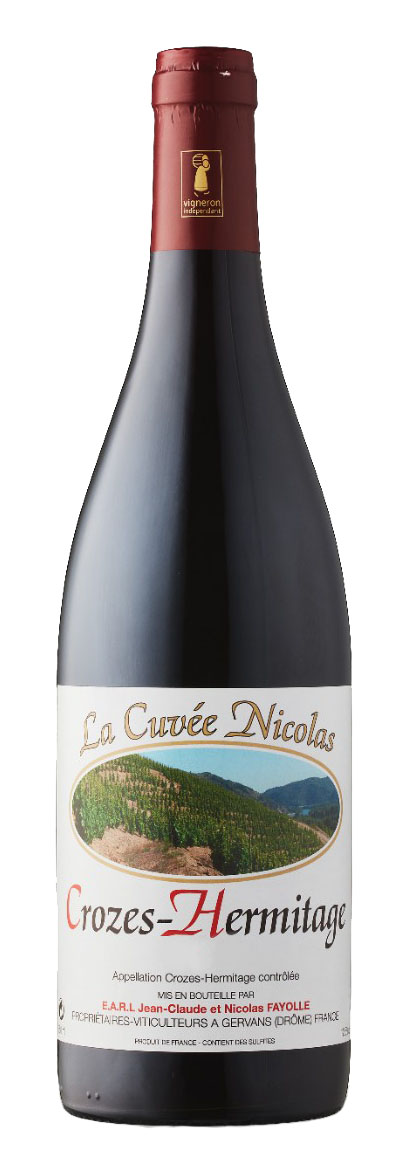
Fayolle Crozes-Hermitage Rouge Cuvee Nicolas is made from 100 percent Syrah.
Deep ruby red color. Nose of red and black currant fruits, pepper, spring flowers, new leather and mineral/earthy nuances. Medium bodied palate of red fruit and spice. Nice balance. Long finish and velvety.
Good match with red meat (beef, lams) or white meat (veal) in sauce, poultry and game meat. Perfect with most cheeses.
Fayolle Crozes-Hermitage Rouge Cuvee Nicolas is made from 100 percent Syrah.
Deep ruby red color. Nose of red and black currant fruits, pepper, spring flowers, new leather and mineral/earthy nuances. Medium bodied palate of red fruit and spice. Nice balance. Long finish and velvety.
Good match with red meat (beef, lams) or white meat (veal) in sauce, poultry and game meat. Perfect with most cheeses.
Review:
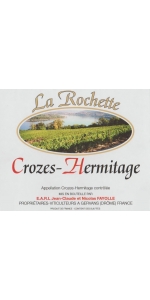
Fayolle Crozes-Hermitage Rouge La Rochette is made from 25-year-old vines planted on loess and red granitic soils. 100% Syrah.
Deep ruby red color.
The wine has plenty to offer with red and black fruit aromas, as well as a good minerality.
The finish is long, clean and juicy and offers some white pepper spiciness typical of the best Crozes-Hermitage.
Soil type is red brittle granite and white soil.
Hand harvested in small crates. The grapes are then pumped into tanks (full cluster, not destemmed).
It will stay in this tank for 15 days for the skin contact maceration and the Alcoholic fermentation.
They will also use the "rack and return" technique (delestage).
Then the wine is transfered into neutral French Oak barrels where the wine will complete the Malo-Lactic fermentation.
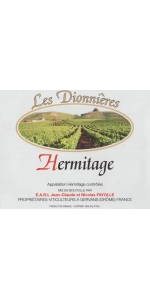
Jean-Claude et Nicolas Fayolle Hermitage Rouge Donnieres is made from 100% Syrah.
Made from 40-year-old vines planted on granitic and rocky soils in the Lieu dit "Les Donnieres" at the bottom of the Hermitage's hill.
Intense inky ruby red color.
The wine has plenty to offer with red and black fruit aromas, as well as a good minerality.
The finish is very long, clean and juicy and offers a great spicy mouthfeel.
Soil is clay, silica and round pebbles.
Hand harvested in small crates. The grapes are then pumped into tanks (full cluster, not destemmed).
It will stay in this tank for 15 days for the skin contact maceration and the Alcoholic fermentation.
Tey will also use the "rack and return" technique (delestage).
Then the wine is transfered into neutral French Oak barrels where the wine will complete the Malo-Lactic fermentation.
Delicious with grilled red meat such as venison or lamb and most cheeses.
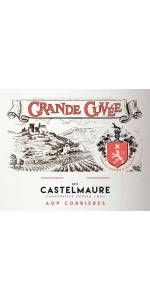
Castelmaure Grande Cuvee Corbieres Rouge is made from 50% Grenache (30 year old) and 50% Syrah (30 year old)..
In the early 1990’s, Castelmaure began experimenting with a Prestige Cuvée of Corbières. This wine has become known as “Grande Cuvée” and is made with the help of the winemaking team of Tardieu-Laurent.
Vinification: destemming, pneumatic press, end of fermentation at 25 degrees C; two racking; aging in tank then in 220 Liter Bordeaux barrels for 10-12 months. Egg fining, slight filtration..
Deep and intense color, powerful aromas of dark berry fruit, prune and coffee nuances, and a persistent finish.
Vineyards: planted on 50% Schist and 50% limestone soils.
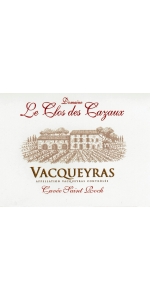
Cazaux Vacqueyras Rouge Cuvee Saint Roch 70% Grenache, 25% Syrah and 5% Mourvedre.
Deep color. Intense and persistent red fruits, such as strawberry and black cherry. Expressive and delicate at the same time. The finish is long and the tannins are quite round and well balanced.
Grapes are hand picked, destemmed 100% but not crushed. About 20 days fermentation according to vintage. Aged in stainless steel tanks for 12 months and an additional 12 months in enamel coated concrete tank. No fining, light filtration.
Enjoy this wine with meat cooked in red wine sauce (such as Boeuf Bourguignon).
Fayolle Crozes-Hermitage Rouge Cuvee Nicolas is made from 100 percent Syrah.
Deep ruby red color. Nose of red and black currant fruits, pepper, spring flowers, new leather and mineral/earthy nuances. Medium bodied palate of red fruit and spice. Nice balance. Long finish and velvety.
Review:
"Boasting even more striking aromas of blueberries, violets and peppery spice than the La Rochette bottling, the 2018 Crozes-Hermitage La Cuvee Nicolas is almost Côte-Rôtie-like. Medium to full-bodied without seeming at all heavy, ripe without being overdone, silky and fine from start to finish, it's a real beauty and a testament to the potential of the commune of Gervans - a small granitic outpost within the Crozes-Hermitage appellation. - Joe Czerwinski"
- Robert Parker's Wine Advocate (May 13th 2021), 93 pts
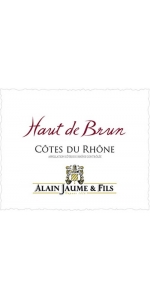
Alain Jaume Cotes Du Rhone Rouge Haut de Brun is made from 60% Grenache, 30% Syrah, 10% Cinsault
The colour is purple-tinged garnet.The aromatic range of the nose goes from fresh berries (wild raspberry, blackcurrant, blackberry) to spices.The palate is big and full-flavoured, with silky-smooth tannins and aromas of the fruit already mentioned. The finish introduces touches of liquorice and pepper. A Côtes du Rhône with great complexity for an every day drinking.
A classic Rhône to drink between 1 and 4 years. Best poured at 17°C.
Traditional wine making and ageing is performed in vats only. Bottling after 10-12 months.
Ideal throughout the meal, but particularly with poultry and other white meats, as well as mild cheeses.
Xavier Vignon Gigondas Rouge is made from 85% Grenache and 15% Mourvèdre.
A purple color with violet tints. On the nose, the beautiful ripeness offers everything an array of black fruits (cherries, blackberries) and toasted spices.
On the palate, fine and concentrated tannins are balanced by a nice salinity. Delicious peppery notes complete the long finish.
Pairs with grilled lamb - Roasted Quails with raisins -Venison with cranberries - Risotto with mushrooms.
Review:
"Swirls of black raspberry ice cream and dark chocolate combine in Vignon's 2019 Gigondas, a blend of 95% Grenache and 5% Mourvèdre from numerous small parcels dotted around the appellation. Matured in a large wooden vat, there's no apparent oak aromas or flavors, just the purity of old-vine fruit, creamy tannins, ample concentration and a bright, vibrant—and long—finish. With its combination of intensity and tension, it should drink well for a decade or more. - Joe Czerwinski"
- Robert Parker's Wine Advocate (September 2020), 93 pts

Kynsi Pinot Noir Edna Valley is made from 100 percent Pinot Noir.
The Edna Valley was one of the first registered appellations in California and boasts a rich agrarian history. The coastal terrain features varied soil types that are predominantly marine in origin, with ancient volcanic influences. The unusual transverse ranges allows the appellation to open up to the cooling breezes of the Pacific Ocean from nearby Morro Bay and Pismo Beach. The climate is strongly influenced by the ocean providing ideal, temperate growing conditions for Pinot Noir. Early spring warming, mild summer temperatures and late arriving cold fall temperatures and rain provide a long growing season for the development of rich color with concentrated and complex flavors.
Review:
Light berry and cherry aromas are fresh, crisp and inviting on the nose of this wine, which also offers light vanilla and star anise notes. There is a decent structure to the palate, where strong acidity cuts against the fruity flavors, and baking spice warms the tart finish.
-Wine Enthusiast 92 Points
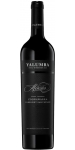
In 1992 the Hill-Smith family counted themselves amongst those fortunate enough to own a vineyard upon the famous Coonawarra terra rossa soil over limestone. Experimentation, innovation, minimalist intervention and small batch winemaking has resulted in The Menzies’ reputation as a wine of longevity, elegance and structure.
Situated in the heart of Coonawarra’s terra rossa strip, The Menzies Estate vineyard lies on a flat plain, approximately 70km from the coast. Given the terrain and influence of the cooling Bonney upwelling, Coonawarra is an ideal location to grow premium Cabernet Sauvignon. Our soil is red sandy loam over limestone, which is classic Cabernet Sauvignon country. The grapes for The Menzies 2017 are from vines planted in 1994 and 1996. Bunches are usually small with small berries, giving concentration via an ideal skin to juice ratio favouring the making of fullbodied reds.
Experimentation, innovation, minimalist intervention, and small batch winemaking has resulted in The Menzies' reputation as a wine of longevity, elegance, and structure.
Aromas of fresh rosemary, mulberry, violets and exotic spices. Take a sip and you will feel the poise and tension for which great Cabernet is renowned. A wine of great complexity with flavors of blackcurrant, bitter chocolate, and mulberries, wrapped in divine tannins and a lovely sweet, dark fruit finish. With decanting in its youth, it is enjoyable as an elegant full-bodied red wine.
Review:
The 2017 The Menzies Cabernet Sauvignon is looking good next to the 2016 tasted beside it. It is fresh and vibrant, with layers of complexing dark earth characters, with cigar box, black olive brine, cassis, bramble, milk chocolate and cracked black pepper. This is very good, and it has what I am coming to recognize as a "Yalumba red character": dried herbs, particularly oregano. The juicy splay of fruit through the finish is a highlight.
-Wine Advocate 95 Points
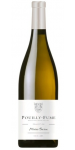
Marie Baron Pouilly Fume is made from 100 percent Sauvignon Blanc.
Pouilly-Fumé is one of the Loire Valley's most prestigious white wine appellations, located on the right bank of the Loire River across from Sancerre. The 'Fumé' in the name refers to the smoky, flinty character imparted by the Kimmeridgian clay and silex (flint) soils.
This wine displays a brilliant pale gold color with intense aromas of citrus, white peach, and the signature gunflint smokiness. On the palate, it is elegant and focused with mineral-driven acidity, flavors of green apple and grapefruit, and a long, precise finish.
Pairs beautifully with shellfish, sushi, grilled fish, or fresh goat cheese like Crottin de Chavignol.



