" We don't sell the wine without touching the vine "
| Country: | Italy |
| Region: | Piemonte |
| Winery: | Ferraris Agricola |
| Vintage: | 2019 |
| Bottle Size: | 750 ml |
Cardinale Napa Valley Cabernet Sauvignon is made from 91% Cabernet Sauvignon, 9% Merlot.
Super structured and with minerality to spare, this Cabernet Sauvignon offers a real presence on the palate from start to finish. Generous notes of dark chocolate balance beautifully with a blue and black fruit flavor explosion, finishing with a subtle whisper of rose petal.
Reviews:
- James Suckling 98 Points
Rinaldi Panta rei Monferrato Rosso is a blend of 50% Barbera and 50% Cabernet Sauvignon.
This wine is quite tasty, smooth, silky and powerful.
It is loaded with dried red fruit notes from the appassimento of the grapes and it also has a lot of spicy aromas and flavors from the oak ageing.
Grown on limestone soils.
The average age of the vines is 30 years old.
10% of the wine is appassimento. Appassimento is an Italian term for drying harvested grapes, traditionally on bamboo racks or straw mats, for a few weeks up to several months to concentrate the sugars and flavors. This process is used in making Amarone, Recioto and Sforzato.
This drying method is not traditional in Piemonte but is popular in other part of Italy like in the Veneto region.
Thanks to this new method the wine is rounder and softer, boasts beautiful notes of red dried fruits.
Pantarei is aged 14 months in French oak ((the wood is Allier, medium toast) barrels and 6 months in bottle before release.
Delicious with wild game, grilled meat and strong cheese.
Rinaldi Panta rei Monferrato Rosso is a blend of 50% Barbera and 50% Cabernet Sauvignon.
This wine is quite tasty, smooth, silky and powerful.
It is loaded with dried red fruit notes from the appassimento of the grapes and it also has a lot of spicy aromas and flavors from the oak ageing.
Grown on limestone soils.
The average age of the vines is 30 years old.
10% of the wine is appassimento. Appassimento is an Italian term for drying harvested grapes, traditionally on bamboo racks or straw mats, for a few weeks up to several months to concentrate the sugars and flavors. This process is used in making Amarone, Recioto and Sforzato.
This drying method is not traditional in Piemonte but is popular in other part of Italy like in the Veneto region.
Thanks to this new method the wine is rounder and softer, boasts beautiful notes of red dried fruits.
Pantarei is aged 14 months in French oak ((the wood is Allier, medium toast) barrels and 6 months in bottle before release.
Delicious with wild game, grilled meat and strong cheese.
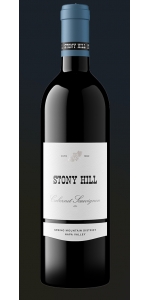
From the volcanic soils in the blocks residing at the summit of Stony Hill's vineyard, their 2019 Cabernet Sauvignon is showing beautifully. 2019 was a warm year with late spring rains and a true, dry fall finish. e late spring rains imbued wines with a characteristic freshness and tension, balanced by a generous fruit profile. Bing cherry, cassis, pomegranate seed, singed bay leaf, and cacao sings from the glass. The palate receives a structure showing breadth and presence with lacey tannins and a delicate, persistent finish.
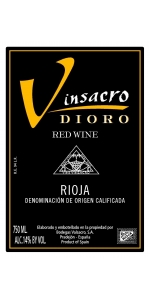
Dark ruby color. Aromas of cherry, currant, vanilla bean and hint of tar. Full-bodied, with flavors of cherries, cocoa powder and oak. A touch of sweetness on entry with a little bit of air with soft tannins that are starting to integrate well.
The latest step in the project is Vinsacro (formerly Valsacro) Dioro. The earlier Valsacros were made from a field selection of the older vineyards. Now, thanks to the new facility Amador has been able to build an upmarket version of Vinsacro (formerly Valsacro) with a four-stage selection process that includes an initial field selection of the fruit followed by a second table selection as the grapes come into the winery. After fermentation wine from selected tanks is transferred to new French oak barrels for 12-14 months of barrel age. Finally, the best barrels are set aside for Dioro and the remainder used to "upgrade" the normal Vinsacro.
Vinsacro Dioro is a blend of grapes from 100+ year old "vidau" vineyards where many varieties were planted together in the same plot.
Today the grapes are harvested and vinified separately. The final blend depends on the vintage but typically it's Tempranillo (50%), Garnacha (20%) and remaining 30% is a mix of mainly Graciano (10%) & Mazuelo (10%) with a little of Monastrell (5%) & Bobal (5%).
Review:
"The 2019 Vinsacro Dioro is a Vidau field blend, incorporating a mix of grapes such as Tempranillo, Garnacha, Graciano, Monastrell and Bobal, sourced from Monte Yerga in Rioja Oriental. Aged for up to 17 months in oak barrels and cellared for five years before release, this dark garnet wine presents a nose with notes of soy sauce, wild herbs, blackberry and sour cherry. On the palate, it is dry, juicy and fine-grained, lingering long with a flavorful finish. Well-served by the aging process, this wild yet balanced wine will evolve with grace. - Joaquin HIDALGO"
- Antonio Galloni's Vinous (December 2023), 93 pts
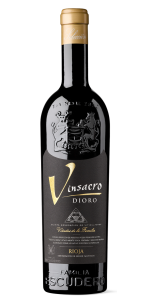
Vinsacro Dioro Seleccion is made from 100% Vidau (Blend of the de varietals Tempranillo, Graciano and Mazuelo with predominance of 70+ years old Garnacha).
A wine to enjoy.Vinsacro Dioro, a wine inspired by the Egyptian, Greek and Roman cultures that worshipped wine and gave it a sacred meaning associated with joy and festivity. It is the fruit of our best vineyards, living witnesses to the work and passion of the four generations that preceded us.
Pair with Roast lamb or pork, game, beef steaks, stewed meats. During the aperitive, it will accompany as well with aged and blue cheese.
14% Vol.
Grapes selected manually from our vineyards located on the southern slopes of Monte Yerga in the “Cuesta la Reina” estate. Grapes that are harvested with the utmost care, transported at low temperature in fruit boxes to the winery to avoid any damage to the fruit.
Fermentation is carried out with indigenous yeasts and the wine is kept in maceration for 30 days while breaking the cap daily. Afterwards, the wine is transferred to oak barrels where it remains for 17 months before bottling.
"Really sophisticated and polished with vanilla, coffee, earth and spice scents and oaky flavours. Long, brooding finish."
- Decanter World Wine Award (April 2022), 94 pts
"The 2019 Vinsacro Dioro Selección is a Vidau field blend sourced from Monte Yerga in Rioja Oriental. Aged for 18 months in French and Eastern European oak barrels, it is only released after five years in the cellar. Dark garnet in color, time in the glass reveals soy sauce, bay leaf and thyme notes, along with black fruit and chutney-like undertones. Dry and rich on the palate, it flows with softened tannins and a clingy mouthfeel, lingering long with an impression of tomato leaf. This is a complex, nuanced and solar red that will warmly captivate your palate. - Joaquin HIDALGO"
- Antonio Galloni's Vinous (April 2024), 94 pts
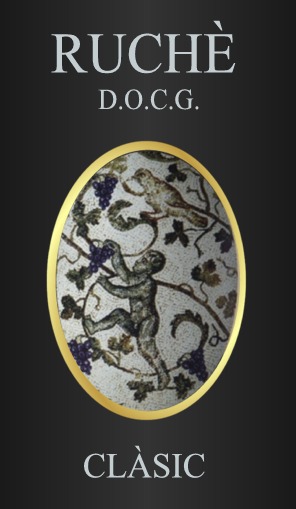
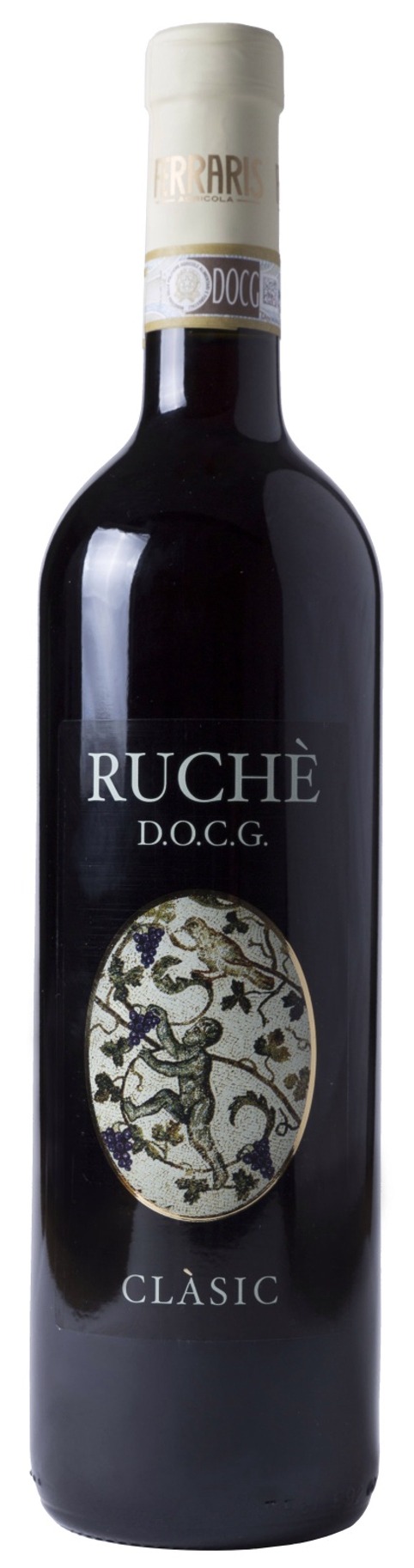
Ruchè Clasic is obtained from grapes coming from the best-exposed vineyards, which means the southwest side of the hills. Because a heavy pruning, these vineyards never produce more then seven tons per hectare. Fermentation is done in 54-hectoliter temperature-controlled French oak vats for 15 to 20 days, according to the quality of the grapes at the time of pressing. A controlled temperature of 23 degrees enables the fermentation time to be lengthened and to keep the must in contact with skins for longer. During this period, the skins give the must more structure, tannin and color. This is important, particularly for Ruchè, whose precise aromas are its main characteristic. Once fermentation is finished, the wine rests for six months in the same vats where malolactic fermentation also takes place, perfect containers because they allow the exchange of oxygen necessary for a quicker maturation of the wine and for developing more elegant scents without imparting too much oak flavor.
Color: Ruby red
Bouquet: The wood is perfect for providing a natural level of oxygenation, without much oak flavor, very intense aromas of flowers
Taste: Also at the palate, intense aromas of flowers, balanced, elegant, with tannins that work hard at being soft
Alcohol: 14 %
Residual Sugar: 1.17 g/l
Total Acidity: 4.74 g/l
Grape Varietal: Ruchè 100%
Production Area: Castagnole Monferrato, Asti District
Soil: Clay and tuff
Growing System: Long Cordon Spur
Yield: 6 tons/ha-260 meters above sea level
Alcoholic Fermentation: In temperature controlled stainless steel rotofermenters for 10-15 days
Malolactic fermentation: In 54 hectoliters oak foudre
Truffles, game, medium aged cheeses, red and white meats, pasta
The Ferraris Estate produces about 130,000 bottles of wine (about 50,000 of Ruchè) from 18 vineyards covering 25 hectares. Luca Ferraris Agricola is the largest family owned agricultural company in the seven municipalities of the Ruchè-growing region.
Date Founded: 1999
To understand how the Luca Ferraris winery came about we must trace the story back to the nineteenth century when Luca’s great-grandfather Luigi Ferraris emigrated to America during the gold rush. Striking gold, he sent the money back to his wife Bruno Teresa, giving her the chance to realize her dream. After her husband passed away in 1921, she bought the house in Via al Castello that until recently housed Luca’s winery. Two years later, Luca’s grandfather Martino purchased II Casot, at the time nothing more than a simple rural hut in the middle of 40,000 square meters of land. Martino planted vines and bought barrels to make wine with his own grapes in his own cellar. He started by selling his wine to wholesalers in the area, then later began to increase his business by selling larger bottles to individuals traveling back and forth to Turin every week on horseback. Today on that land we have one of our most representative vineyards: Vigna del Casot.
Following the footsteps of Luca’s grandfather Martino, it was up to his father to decide what to do with the family’s passion for wine. In the time of the great industrialization by Fiat in Turin, he moved to the city as his peers did, but he also decided to keep his passion for the vineyards alive by collecting and giving its grapes to the agricultural cooperative in the village. That continued every year until 1999, when after graduation as an agriculturist, Luca began working at the family business, restoring the old cellar and starting to make wine from the vineyards. It was the turning point for the operation, and perhaps even for the Ruchè variety. In the area of the seven municipalities producing Ruchè, Luca was the first to thin vineyards to improve their quality. He wanted the company to specialize exclusively in high-quality production and also began to travel the world looking for new customers and markets. Production was raised from 10,000 bottles in the 2000 vintage to 60,000 in 2003 thanks to a partnership with Randall Grahm, the Californian winemaker founder of already famous for his Bonny Doon Vineyard. Today the Ferraris estate produces about 130,000 bottles of wine (about 50,000 of Ruchè) from 18 vineyards covering 25 hectares. Luca Ferraris Agricola is the largest family owned agricultural company in the seven municipalities of the Ruchè-growing region.
Winery:
The new Luca Ferraris winery was built in 2009. It was finished on August 31, just in time to press its Viognier harvest the following day. The switch to a more modern winery was necessary – despite the global economic climate, the company was growing rapidly, thanks in no small measure to the increasing popularity of Ruchè. The building, 1,000 square meters wide and three stories high, is on the main road between Asti and Castagnole Monferrato. The cellar and storage room are underground, where the temperature and humidity are constant year-round. The ground floor is where all production, from pressing to bottling, takes place. Advanced machinery allows Ferraris to produce the best possible wines without interfering with their natural characteristics. This is possible only through the combination of modern technology and the knowledge of old winemakers. Luca’s family taught him not to pander to a wider but less-educated public by producing wines that betray the typical characteristics of each variety. Also on the ground floor, behind the bottling line, are the company offices where the Luca Ferraris team meets to discuss production and marketing strategies. Above the offices on the first floor is the wine tasting room that seats up to 30 people. Large windows overlook the production area allowing tasters a view across the winery – illustrating the total transparency in Ferraris’ production.
Hartford Court Three Jacks Chardonnay is made from 100 percent Chardonnay.
The Three Jacks Vineyard Chardonnay exhibits aromas of lemon curd, orange marmalade, and brioche, with juicy flavors of pear, candied citrus peel, chamomile, and a rich, mineral-driven texture. The wine is full-bodied, weighty, and rich yet remarkably agile on its feet because of firm underlying acidity.
The 2019 Chardonnay Three Jacks Vineyard, from vines planted in 1995, was barrel fermented and matured in 31% new French oak for 14 months. It's one of the best iterations I've tasted, combining expansive flavor and texture with precise, laser-like acidity. It offers delicate, pure scents of apricot, dried tarragon, white pepper and citrus blossoms with a stony undercurrent. The medium-bodied palate has dynamic energy from its oily texture and shimmery acidity, and it finishes with tense, mineral-driven flavors. It has much more to give as it unfurls in bottle and will be long lived in the cellar.
- Robert Parker's Wine Advocate 95 Points
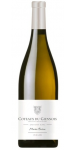
Marie Baron Coteaux du Giennois Blanc is made from 100 percent Sauvignon Blanc.
Coteaux du Giennois is an appellation in the upper Loire Valley, near Sancerre and Pouilly-Fumé. These hillside vineyards benefit from a continental climate with flint and limestone soils that give the wines their distinctive mineral character.
This wine presents a bright pale yellow color with aromas of citrus, white flowers, and flinty minerality. On the palate, it is crisp and vibrant with lively acidity, flavors of grapefruit and lemon, and a refreshing mineral finish.
Excellent with goat cheese, oysters, grilled fish, or fresh salads.