" We don't sell the wine without touching the vine "
| Country: | Spain |
| Region: | La Mancha |
| Winery: | Castillo |
| Grape Type: | Tempranillo |
| Vintage: | 2022 |
| Bottle Size: | 750 ml |

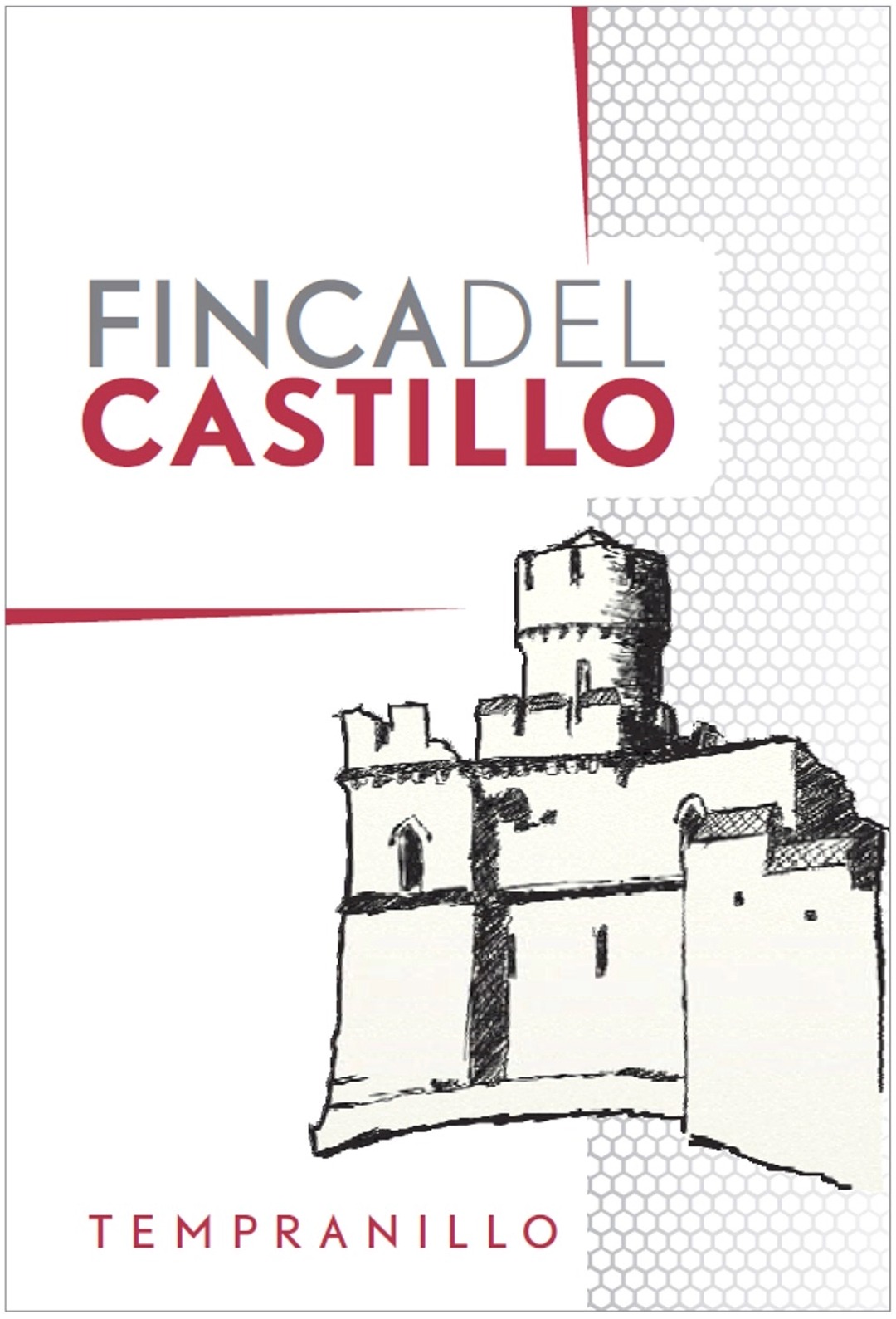
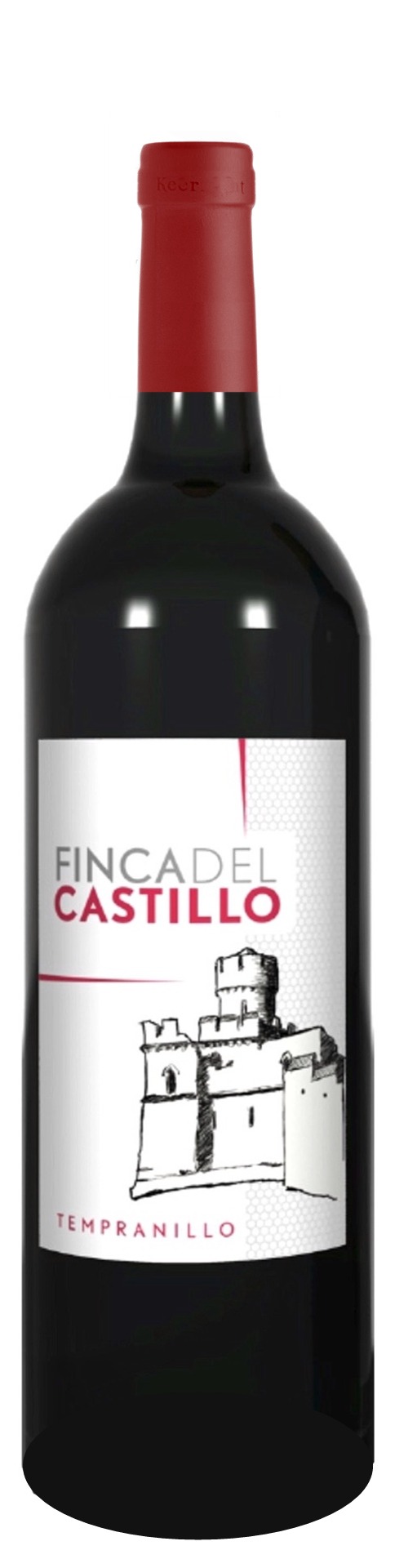
Finca del Castillo Tempranillo La Mancha is made from 30 year old vine Tempranillo (100%).
This pretty little red has a flavor reminiscent of good Cotes du Rhone. Medium bodied, flavorful; hints of raspberry and strawberry. Shows best with picnic fare and grilled meats. Perfect summer red.

Finca La Pared Cuvee Especial is made from Graciano & Syrah.
The Cuvee Especial is a Graciano and Syrah blend aged in oak barrels that produces a full-bodied, fresh wine of great complexity and long lasting finish.
Review:
"A deep, brooding nose with lots of fine oak spices and hazelnuts that adorn the blackberries and violets. Succulent and bright on the palate, with caressing, silky tannins dialing into the black and blue fruit. Quite long and subtle. Delicious now, but can hold, too."
- James Suckling (June 2022), 94 pts

Arzuaga Ribera del Duero La Planta is made from 100% Tempranillo.
Deep violet red. Clean and bright with a range of red fruits (raspberry and cherry) that dominate with a high aromatic intensity, joined by balsamic, cacao, coffee, and roasted tones. Fresh, elegant, easy, and balanced in the mouth with a lightly sweet, toasted, and pleasant aftertaste.
Fried fish, sausage, and white meats such as roasted poultry.

Delas Freres Cote Rotie La Landonne Rouge is made from 100 percent Syrah.
This very ancient region dates back to the Roman Era and is located on the right bank of the Rhône. It is said that during the Middle Ages, “The Seigneur de Maugiron” gave a hillside to each of his two daughters - one was brunette and the other fair - thus, were born the names of “Côte Brune” and “Côte Blonde.” Wines from the Côte Blonde tend to be more delicate and lighter in character than the fuller wines of the Côte Brune. Together, they make a wine of style and substance. This cuvée is a vineyard plot selection. The grapes come exclusively from a plot within the named slope of “La Landonne.”
This cuvée‘s first vintage was 1997. The wine is only made in the very best years. Its highly limited production never exceeds 2,500 bottles per year.
The steep, terraced hillsides along the river produce wines that are among the "biggest" reds of France. The Delas Côte-Rôtie is primarily Syrah with an addition of up to 10 to 20% of Viognier grapes in the crop. The soils of the northern part of the Côte Brune vineyard consists of extremely steep, terraced slopes of ferruginous mica schists which are covered with schist sand (arzel). The Côte Blonde has a varied geology with gneiss and granite predominating at the most southern side of the appellation. The area has dry, hot summers with regular rainfalls during other seasons. The grapes for the “La Landonne” cuvée are picked by hand at maximum maturity. Fermentation takes place in traditional open-topped concrete tanks, following three days of pre-fermentation cold maceration. Before fermentation, the maceration process continues under controlled temperatures of 82°F to 86°F. Daily cap pushing down and pumping over are carried out for about 10 days with total vatting time of up to 20 days. The wine is aged for 14 to 16 months in new or one year old oak casks. The barrels are topped up regularly.
Food Pairing: This wine pairs wonderfully with fine meats, roasted beef, water games, truffles and spicy stews. The bottle should be opened 1 to 3 hours before drinking. This wine needs at least 3 years cellaring before it can open up its complexity. In such case it is strongly recommended to decant before serving.
Tasting Notes: The wine‘s deep color is underscored by plummy hues. A complex nose shows deep, fruity aromas with hints of licorice and roasted coffee. Endowed with a dense and silky tannic structure, this is a full, fleshy wine that provides an ample and generous palate. Its lasting finish speaks of considerable ageing potential.
Reviews:
This is dark and still a bit reticent, with a cast iron cloak around the core of dark currant, plum and blackberry paste flavors, showing lots of sweet bay leaf, anise and singed apple wood notes in the background. There's serious grip through the finish. For the cellar.
-Wine Spectator 96 Points
Very open, spicy and fresh on the nose, you could almost open this now. Struck flint notes assist in teasing out notes of leaf tea, tobacco, rosemary and rose. Very full-bodied, generous but powerful on the palate, tense and mineral. Mouthcoating ripe, sweet tannin and robust amounts of sweet baking spices, along with more tobacco and black fruit on the palate. Has depth, length, power and impressive balance despite the high alcohol. Drink from now into 2022, or from 2031 to 2040. Lieu-dit La Landonne, from the Brune side (mica schist bedrock). Matured in new and one-year-old barrels for 14 months.
-Decanter 96 Points
The 2019 Côte Rôtie La Landonne comes from one of the greatest sites for Syrah in the world, the La Landonne lieu-dit located close to the center of the appellation, on the Côte Brune side. It reveals a deeper purple hue (it's slightly more opaque than the Seigneur de Maugiron) and offers a brilliant nose of ripe cassis, black raspberries, scorched earth, smoked herbs, and seared meat. Full-bodied and powerful on the palate, this is a deep, spicy, concentrated Côte Rôtie with a plush, layered mouthfeel, sweet tannins, beautiful balance, and a great, great finish. This puppy brings the fruit, opulence, and texture of the vintage yet still has a classic Côte Rôtie character.
-Jeb Dunnuck 96 Points
Fresh aromatic layers of mint sit atop crushed red cherries and wild strawberries, with light clove and thyme on the nose. The palate is rich and enticing with black cherries, plums, rhubarb, pomegranate seeds, black olives and freshly picked rosemary leaves. Tremendous texture, structure, and refreshing acidity carry this wine to a robust finish of orange zest and black tea leaves. Maisons Marques & Domaines USA.
- Wine Enthusiast 96 Points
This very ancient region dates back to the Roman Era and is located on the right bank of the Rhône. It is said that during the Middle Ages, “The Seigneur de Maugiron” gave a hillside to each of his two daughters - one was brunette and the other fair - thus, were born the names of “Côte Brune” and “Côte Blonde.” Wines from the Côte Blonde tend to be more delicate and lighter in character than the fuller wines of the Côte Brune. Together, they make a wine of style and substance. This cuvée is a vineyard plot selection. The grapes come exclusively from a plot within the named slope of “La Landonne.”
This cuvée‘s first vintage was 1997. The wine is only made in the very best years. Its highly limited production never exceeds 2,500 bottles per year.
The steep, terraced hillsides along the river produce wines that are among the "biggest" reds of France. The Delas Côte-Rôtie is primarily Syrah with an addition of up to 10 to 20% of Viognier grapes in the crop. The soils of the northern part of the Côte Brune vineyard consists of extremely steep, terraced slopes of ferruginous mica schists which are covered with schist sand (arzel). The Côte Blonde has a varied geology with gneiss and granite predominating at the most southern side of the appellation. The area has dry, hot summers with regular rainfalls during other seasons. The grapes for the “La Landonne” cuvée are picked by hand at maximum maturity. Fermentation takes place in traditional open-topped concrete tanks, following three days of pre-fermentation cold maceration. Before fermentation, the maceration process continues under controlled temperatures of 82°F to 86°F. Daily cap pushing down and pumping over are carried out for about 10 days with total vatting time of up to 20 days. The wine is aged for 14 to 16 months in new or one year old oak casks. The barrels are topped up regularly.
Tasting Notes
The wine‘s deep color is underscored by plummy hues. A complex nose shows deep, fruity aromas with hints of licorice and roasted coffee. Endowed with a dense and silky tannic structure, this is a full, fleshy wine that provides an ample and generous palate. Its lasting finish speaks of considerable ageing potential.
Food Pairing
This wine pairs wonderfully with fine meats, roasted beef, water games, truffles and spicy stews. The bottle should be opened 1 to 3 hours before drinking. This wine needs at least 3 years cellaring before it can open up its complexity. In such case it is strongly recommended to decant before serving.

Palacio del Burgo Tinto is made from 100% Tempranillo.
This wine is made of 100% Tempranillo from 15-25 year old vineyards in the Rihuelo area between the town of Alfaro and the slopes of Monte Yerga.
The wine shows a deep cherry red color with violet tones. Intense fruity nose of blackberry and licorice over sweet mocha aromas. Vibrant with smooth tannins; long-lasting, powerful and smooth. An incredible Rioja value.

After working with the fruit for over a decade, Turkey is proud to present the first single-vineyard bottling for Turley from the Del Barba Vineyard. Contra Costa is a delta where the San Joaquin and Sacramento rivers meet, and these head-trained vines are planted in deep dehli blow sand, made up of decomposed granite coming down from the Sierra Mountains. The resulting wine embodies the best the delta has to offer: silken textures, ultra fine tannin, and dark saline fruits.
Review:
Sourced from head-trained vines planted in 1980 on sandy soils, the 2022 Zinfandel Del Barba Vineyard is a light, elegant and approachable expression of Turley's substantial Zinfandel collection. Medium ruby in color, it is initially coiled and opens slowly into a bright, inviting nose with aromas of Earl Grey tea, licorice and red cherries, albeit with slightly less definition and clarity than found in other bottlings. The palate is medium-bodied, deeply red-fruited and lined with spicy, floral accents. The finish is long and perfumed, framed by clay-textured tannins and lifted, juicy acidity harnessed with an understated elegance.
-Wine Advocate 93 Points
Finca del Castillo Tempranillo La Mancha is made from 30 year old vine Tempranillo (100%).
This pretty little red has a flavor reminiscent of good Cotes du Rhone. Medium bodied, flavorful; hints of raspberry and strawberry. Shows best with picnic fare and grilled meats. Perfect summer red.
The Finca del Castillo Estate
Finca del Castillo means "The Castle's winery" in Spanish. The wine is made by Vinicola de Castilla in Manzanares (Ciudad Real) in an up to date, state of the art winemaking facility (30,000 sq meters/300,000 sq ft) with the capacity of producing 2 million liters and holding 8,000 barrels. Founded in 1976, it's a privately owned corporation (not a co-op). Since its inception, a DO La Mancha pioneer in fruit-driven young wines, barrel-aged reds and varietals. More than 600 international awards for their wines.
Production by type: 65% Red wine, 35% White and Sparkling.
Export sales represent 50% of the production. The winery exports to 22 countries.
Capacity is 20,000,000 liters, currently running at 12,000,000 liters of yearly production.
This Bodega likes to promote their Crianza wines.
The Finca del Castillo Vineyards
The winery and the vineyards are all located in the "La Mancha" DO. Tempranillo is the primary grape varietals and it represents 70% of the total production.
They grow the following 5 red grape varietals:
· Tempranillo
· Cabernet Sauvignon
· Merlot
· Petit Verdot
· Syrah
They also grow the following 6 differents types of White grape varietals:
· Verdejo
· Airén
· Macabeo
· Sauvignon Blanc
· Moscato
· Chardonnay.
The wines are all produced with grapes they only grow themselves. They own 50 hectares, and they currently rent another 550 hectares (long term leasing contract).

Siegel San Elias Merlot is 100 percent Merlot
Soft, rich and concentrated with juicy plum and blackberry fruits, soft tannins and a velvety texture.
Try with hearty stews, pasta and roast red meats.

Siegel San Elias Cabernet Sauvignon is made from 100 percent Cabernet Sauvignon.
Fresh and delicate cassis tones, a great structure. Draw the cork half an hour before serving and serve at room temperature.
Smooth and fruity on the palate, the wine goes well with pasta, salads.

Sale price good on website only and wine must be shipped to your home.
Siegel Reserve Red Blend 1234 is made from 50% Syrah, 30% Carmenère, 10% Cabernet Franc and 10% Petit Verdot.
Deep ruby color. Intense aromas of black fruits, white pepper, spices and a hint of clove. The blend of four varieties gives a complex, deep wine with juicy tannins, good volume and very balanced.
Pre-fermenting cold maceration for five days, alcoholic fermentation at 26-28 C to obtain color and structure. Post fermentation maceration of two to three weeks according wine tasting and then the wine is separated from the skins. The wine ends its malolactic fermentation in tank. Harvest: by hand (30 day harvest window)
Paella, Confit de Canard (duck confit) and pastas.

Riebeek Pinotage is made from 100 percent Pinotage.
The color is an attractive bright, ruby red with a purple rim, typical of a young Pinotage. The flavors of this unique South African cultivar are complex and exciting with ripe plum and fruitcake all beautifully integrated and then finished with subtle oak for a lingering aftertaste.
Lovely with rare beef, barbequed lamb and casseroles. This versatile lighter style of Pinotage is also a lovely combination with spicy chicken.

Cortenova Sangiovese Marche Organic is made from 100 percent 100% Sangiovese
Vineyards are located in the area of Ascoli Piceno, where the soil is calcareous and stony which is excellent for drainage. The moderating breezes from the sea which is 15 km from the estate allow for perfect ripening.
Color: Brilliant, dark ruby red with violet reflections
Bouquet: Vinous bouquet with a blend of black cherries, floral and spice
Taste: Full-bodied and velvety with great ripe fruit extraction and balance. Layers of flavor Lingering in the finish.

Matthews Cabernet Sauvignon Columbia Valley is made from 76% Cabernet Sauvignon, 15%Merlot, 6% Cabernet Franc, 2% Petit Verdot, 1% Malbec.
The 2021 Columbia Valley Cabernet Sauvignon is deep ruby in the glass with purple hues. The rich bouquet of spiced black plum and cocoa nib are balanced with aromas of fresh earth and crushed flint. Intense and opulent flavors of ripe blackberry, cedar, mocha, and black currant coat the broad and balanced palate and the ripe tannin creates a perfect frame for the lush fruit expression. Cherry cordial and cola linger on the long, quenching finish.
Review:
Precise and expressive, with handsome flavors of blackberry, bay leaf and espresso that build richness and structure toward refined tannins.
-Wine Spectator 93 Points
The 2021 Cabernet Sauvignon Columbia Valley is spicy, showing off a gentle peppery tinge and dusty rose tones that give way to dried black cherries. This is wonderfully crisp and refined, with silky textures and depths of dark red fruit propelled by juicy acidity. It tapers off long and structured, yet the tannins are quite sweet. The 2021 finishes with a pleasant crunch and a lingering licorice tinge.
-Vinous 93 Points
The 2021 Cabernet Sauvignon is based on 76% Cabernet Sauvignon, 15% Merlot, 6% Cabernet Franc, 2% Petit Verdot, and 1% Malbec. A rocking wine offering ample red and black plum-like fruit, chocolate, tobacco, and subtle violet-like aromas and flavors, I t's full-bodied and has a terrific mid-palate, velvety tannins, and a great finish.
-Jeb Dunnuck 93 Points

On the palate, it reveals a fresh attack followed by an ample, structured, long-lasting finish. The wine unfurls in successive stages and ends with top-quality tannins produced by whole cluster fermentation. It features aromas and flavors of smoked ham, violet, graphite, graphite, and licorice.
Review:
A refined, fine-textured and precise Cote-Rotie with aromas of cherries, wild berries, wild herbs, bark and baking spices. Medium-bodied with finely grained tannins. There is a vibrant and spicy character at the center, with a succulent, precise and lively expression toward the long finish. Try after 2026.
-James Suckling 95 Points