
" We don't sell the wine without touching the vine "
| BUY MORE! SAVE MORE! | ||||||||||||||||||||
|
| Country: | Italy |
| Regions: | Piemonte Barolo |
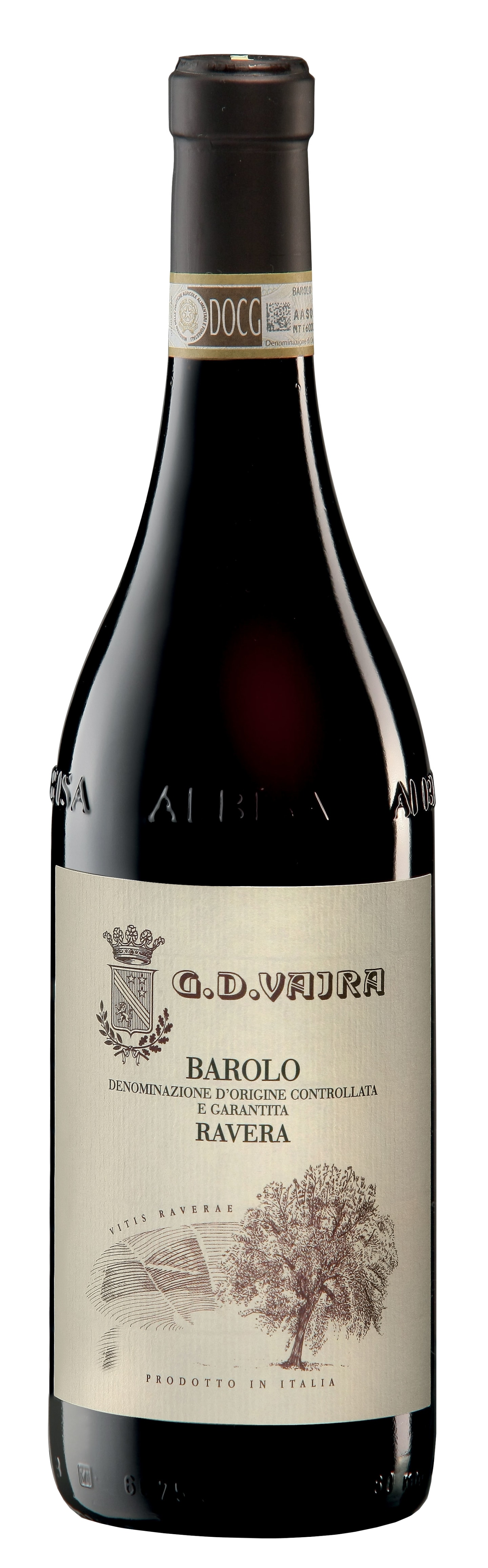
| Winery: | G.D. Vajra |
| Grape Type: | Nebbiolo |
| Organic: | Yes |
| Vintage: | 2018 |
| Bottle Size: | 750 ml |
G.D. Vajra Barolo Ravera is made from 100 percent Nebbiolo.
The Barolo Ravera shows a striking balance of all tones. Red and dark fruits on the nose are interlaced with mineral hints and the iron tones which are such a signature of Ravera. The wine has brilliant drinkability, with a layered, ample mid palate and a racy finish.
Review:
Seamlessly stitched together, the G.D. Vajra 2018 Barolo Ravera reveals tight layering and smooth texture. Fruit comes from an amphitheater of vines with Tortoniana epoch sandstone clay that is typical of parts of Barolo and Novello. What stands out here is the mineral character of the wine. It frames a dark core of plum, dark cherry and soft spice.
- Robert Parker's Wine Advocate 94 Points
LAND There is no vineyard, no terroir, without the land. To love it is simple, but not easy. The land is generous and alive. It is beautiful. It needs understanding and time. It takes your breath away with its colors and many wonders. The land asks for absolute dedication. It asks to be loved for better or worse, in abundance and scarcity. The land is almost more than a house. It's part of our life and asks to be guarded with the same tenderness that we have for our loved ones. And the amazing thing is that, despite all the difficulties, to love it does not need any effort.
ROOTS "A tree does not grow without roots" "This is the origin of the esteem and affection for the people who have lived and loved our land. An affection that becomes a desire of identification and makes us want to share it with our friends." Giuseppe, Francesca, Isidoro. A special thank you to Mauro Fermariello, with whom we realized this interviews.
Falletto di Bruno Giacosa Barolo is made from 100 percent Nebbiolo
The 2018 vintage was well received after the turbulent 2017 growing year. A longer winter heralded in heavy rains in May and June, which gave the vines much needed water after the previous year's drought. Throughout the summer, conditions were generally ideal with warm days and cool nights, making harvest an overall success. Early samples of Barbaresco and Barolo are indicating a soft, balanced vintage.
Red garnet in color. Intense and fine aromas of fresh red fruit. The palate presents good freshness, excellent structure and fine, velvety tannins.
Review:
The 2018 Bruno Giacosa Barolo is very rich and hedonistic, with ripe strawberries and rose hip and notes of incense, lilies and violets. It is a lovely nose, persistent, intense and enticing and on the palate it is like falling into a soft velvety bed of rose petals. It already has such beautiful harmony and poise. It has a lush, sensual texture of crushed velvet, and is full-bodied without feeling heavy. There are plenty of dense, savory tannins extending the very long finish, creating a combination of seductive charm and power. This is something special, a great achievement in this vintage. Wait 2-3 years at least but I would not want to miss that young fragrance. (SH)
-Wine Independent 98 Points
Luigi Baudana Barolo Cerretta is made from 100 percent Nebbiolo.
Austere and very mineral expression of Barolo. Aromas of dark cherries and raspberries jump out vividly from the glass. Hints of iron, menthol, new leather add to the depth and intrigue of this wine. Refined and polished, Cerretta has an extra layer of tannins, important structure and a lively acidity which are nearly buried by its exquisitely lush fruit.
-Wine Independent 95 Points
Luigi Baudana Barolo Baudana is made from 100 percent Nebbiolo.
A deep red in the glass introduces aromas of pure cherries and plums accented with spice, graphite, eucalyptus and licorice. Warm and dry character with firm tannins balanced by a fresh and gentle acidity. A unique soil composition with blue clay translates in a wine with a powerful elegance.
Review:
New leather, forest floor and woodland berry aromas come to the forefront along with a whiff of blue flower. It's opens smooth and savory but its true structure shows up midpalate, delivering juicy Morello cherry, licorice and hazelnut framed against a backbone of fresh acidity and tightly-wound, fine-grained tannins. Drink 2026–2036. Kerin O’Keefe
-Wine Enthusiast 95 Points
Rich, exuding cherry, raspberry, plum and floral notes, with iron, tobacco and tar accents lending complexity. Shows terrific balance and depth, with a tightly wound structure that bodes well for future development.
- Wine Spectator 94 Points
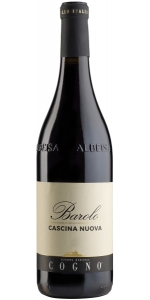
Elvio Cogno Cascina Nuova Barolo 2017
Born to satisfy the curiosity of consumers keen to have a more immediate understanding of Barolo, the wine is bright garnet red in color with orange tints. Pleasing and immediate, it offers scents of flowers and light, delicate spices. The mouth is agreeably rounded, juicy and fresh, with just the right balance between pleasantness and elegance. The aftertaste is very harmonious with a mineral, aromatic finish.
Review:
Attractive dried strawberry with cherry and tar on the nose. Full-bodied with powerful tannins that are dusty and intense. Very flavorful and long. Solid as a rock. Needs at least three or four years to soften and come together.
-James Suckling 95 Points
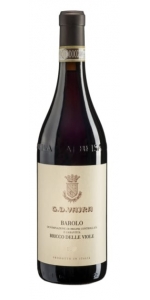
G.D. Vajra Bricco Delle Viole Barolo is made from 100 percent Nebbiolo.
The Barolo Bricco delle Viole shows the signature verticality of its vineyard. The wine is beautifully layered and - while restrained as it’s always the case in the youth of Bricco delle Viole - it also shows a complexity of layers with purple flowers, sweet spices and mineral tones. The palate is noble, with a refined acid spine and profound tannins that promise a long aging potential.
Among the historical vineyards of Barolo, Bricco delle Viole is the highest and the closest to the Alps. It rises from 400 to 480 meters above sea level, on the Western ridge of the village. Its name, “Hill of Violets”, originates from the flowers that blossom early here due to the perfect south exposure. Up above the fogs, Bricco delle Viole enjoys the earliest sunrise and the last sunset every day. Thanks to its vines dating back to 1949 and -now- 1931, a dramatic diuturnal temperature range and this pure light, Bricco delle Viole generates a sophisticated and profound Barolo DOCG of bright aromatics, chiseled tannins and subtle minerality. 2018 is a vintage that shows many nuances of Bricco delle Viole: beyond the signature verticality of this site, the wine offers high tones laced with mineral nuances and plenty of energy and youth.
Review:
The 2018 Barolo Bricco delle Viole is not super intense, but it is balanced in its own way. The wine is subdued but complete with softly yielding tannins to support an elegantly streamlined mouthfeel. Bricco delle Viole is a high and cool growing site in Barolo at 400 to 480 meters in elevation with characteristic Sant'Agata marl soils with fossils. The wine represents a selection of fruit from over seven hectares. With fermentation in steel tank and aging in large Slavonian oak, you are invited to a silky, lifted and beautifully delicate experience with an accessible personality.
-Wine Advocate 95 Points
An elegant version, this red features rose, black currant, cherry, mineral and a hint of eucalyptus aromas and flavors. Linear in profile, this is solidly built on a graceful frame, with finely woven tannins and vibrant acidity.
- Wine Spectator 95 Points
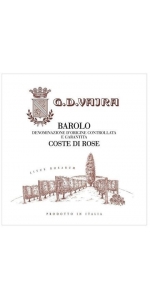
G.D. Vajra Barolo Coste di Rose is made from 100 percent Nebbiolo.
The Coste di Rose is a very seductive wine right out of the gate. Cherries and roses burst on the nose, with hints of amarena, red hard candy, wild berries, wet stone, mint and thyme. The palate is radiant and expressive, with all of the signature elements of Coste di Rose in nice evi-dence: the ethereal character, the saline, up-front tannic structure, and further whiffles of roses and cherries in the finish.
Review:
This wine shows a darker and more savory profile than Vajra’s Costa di Rose, its black-cherry flavors tinged with notes of licorice and tobacco. Scents of lavender and violet lend a delicate touch to the wine, which continued to gain verve and freshness with time in the glass.
-Wine & Spirits 96 Points
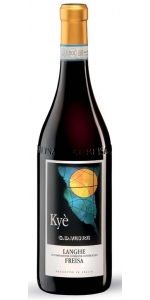
G.D. Vajra Freisa 'Kye' Langhe Rosso is made from 100% Freisa.
DESCRIPTION: In 2004, Freisa was discovered to be the closest relative to Nebbiolo, thus explaining the deep bond this variety has with Piemonte and its people. With a noble profile and similar characteristics to the Nebbiolo, we have been bottling a dry Langhe DOC Freisa ever since 1989. Kyé means ‘who is?’ and represents the surprise for this indigenous and forgotten grape.
VINEYARD AND TERROIR: Estate vineyards, the oldest located in San Ponzio, on the lower west border of Bricco delle Viole. This is the closest vineyard to the winery, and a selezione massale planted by Aldo in 1980.
GROWING: In 1971, Aldo Vaira was one of the earliest adopters of organic farming in Piemonte. Vineyards have been nurtured and soil preserved by grassing and cover crop for almost 50 years now. With an incredible ratio of manual work per hectare, farming at Vajra is a labor of love and “recipe-free” attention. Intense research is also placed into monitoring and improving the biodiversity of both flora and fauna not just in the vineyards, but also in the winery fields and forests. The winery is sustainably certified (UNI EN 11233:2009) and will be again fully organic certified since 2019.
Langhe DOC Freisa Kyè displays a beautiful, translucent garnet color. The aromatics are a combination of redcurrant and wild mountain berries, layered with a touch of sweet spices, fresh leather, and candied japonica prune. The mouth is juicy, succulent, with lots -yet never hefty- tannins. There is a beautiful structure in this vintage and a lovely, lovely finish.
Review:
‘The 2018 Langhe Freisa Kyé is quite refined in this vintage and yet it also shows all of the aromatic nuance and complexity that are such signatures of this variety and wine. Dried herbs, rose petal, lavender, mint and spice lend exotic nuance to this deep, beautifully layered Freisa. The Kyé is one of the sleepers of Piedmont's 2018 vintage. It is, quite frankly, ‘as good or better than some Barolos in this tricky vintage. ~- Antonio Galloni
-Vinous 93 Points
Falletto di Bruno Giacosa Barolo is made from 100 percent Nebbiolo
The 2018 vintage was well received after the turbulent 2017 growing year. A longer winter heralded in heavy rains in May and June, which gave the vines much needed water after the previous year's drought. Throughout the summer, conditions were generally ideal with warm days and cool nights, making harvest an overall success. Early samples of Barbaresco and Barolo are indicating a soft, balanced vintage.
Red garnet in color. Intense and fine aromas of fresh red fruit. The palate presents good freshness, excellent structure and fine, velvety tannins.
Review:
The 2018 Bruno Giacosa Barolo is very rich and hedonistic, with ripe strawberries and rose hip and notes of incense, lilies and violets. It is a lovely nose, persistent, intense and enticing and on the palate it is like falling into a soft velvety bed of rose petals. It already has such beautiful harmony and poise. It has a lush, sensual texture of crushed velvet, and is full-bodied without feeling heavy. There are plenty of dense, savory tannins extending the very long finish, creating a combination of seductive charm and power. This is something special, a great achievement in this vintage. Wait 2-3 years at least but I would not want to miss that young fragrance. (SH)
-Wine Independent 98 Points
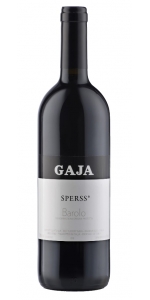
Gaja Sperss is made from 100 percent Nebbiolo.
Vibrant and intense notes of herbs and spices such as thyme, cloves and black pepper. On the palate the wine is tense, loaded with energy that will need serious ageing to fully develop although extremely approachable in its youth. Impressive fruit concentration, with dark and ripe fruits – prunes and black cherries. Acidity and tannins lift this wine to its freshest expression.
Nebbiolo based wines have not only complexity and structure but also great elegance and finesse. The distinctive silky tannins of the Nebbiolo make it the right wine to drink with meat. Usually a young vintage goes very well with richer dishes because of the stronger tannins; mature Barolos are more suitable with delicate white meat courses or braised meat courses with sauces or concentrated red wines reductions.
Review:
The 2018 Barolo Sperss is a gorgeous, gorgeous wine. The aromatics alone are beguiling. Then again, that's one of the things that makes Barolo such a totally seductive wine. Sweet black cherry, lavender, spice and leather give this unusually translucent Barolo striking layers of dimension. Potent Serralunga tannins are present, but they are beautifully woven into the wine's fabric. Sadly, production is around 11,000 bottles, down sharply from the 18,000 or so that is more typical.
- -- Antonio Galloni 97 Points
Luigi Baudana Barolo Cerretta is made from 100 percent Nebbiolo.
Austere and very mineral expression of Barolo. Aromas of dark cherries and raspberries jump out vividly from the glass. Hints of iron, menthol, new leather add to the depth and intrigue of this wine. Refined and polished, Cerretta has an extra layer of tannins, important structure and a lively acidity which are nearly buried by its exquisitely lush fruit.
-Wine Independent 95 Points
Long Shadows Feather Cabernet Sauvignon is made from 100 percent Washington State Cabernet.
Acclaimed Napa Valley vintner Randy Dunn has a reputation for producing world-class Cabernet Sauvignon. He brings more than four decades of winemaking experience to the Columbia Valley to produce Feather, his only wine made outside of California.
Tasting Notes: Deep crimson colored with pure and expressive Cabernet Sauvignon character. Generous aromas and flavors of dark fruits, violets, coffee and toasted herbs combine with a textured mid-palate to deliver a big, yet focused, wine with polished tannins and persistent finish.
Winemaking: Grapes were hand-harvested at the peak of ripeness, then lightly crushed and fermented in small stainless steel tanks. Once fermentation was underway, the cap was pumped over aggressively to extract color and structure. As fermentation neared completion, pump overs were handled more gently to further extract color and flavors without imparting harsh tannins. The finished wine was aged 22 months in 90% new Vicard French oak barrels (Randy's cooper of choice at Dunn Vineyards as well).
Alcohol: 14.4%
pH: 3.86
TA: 0.58 grams / 100ml
Review:
All Cabernet Sauvignon and a blend put together by Randy Dunn, the 2021 Cabernet Sauvignon Feather is inky purple-hued and offers a brilliant nose of cassis, new leather, graphite, and truffly earth. This rich, spicy, full-bodied Cabernet Sauvignon has terrific purity, a deep, layered mid-palate, and a broad, layered, expansive mouthfeel that keeps you coming back to the glass. Drink this remarkable Washington State Cabernet Sauvignon over the coming two decades.
-Jeb Dunnuck 97 Points
The nose of our the Cabernet Sauvignon shows remarkable purity, opening with juicy fruit-punch and layered notes of blue and red fruit dried with sweet herbs. The palate builds with blackberry pie filling, baker’s chocolate, and freshly ground coffee, underscored by an earthiness of loam and underbrush. Acidity is finely tuned, carrying structure through the middle and sides of the wine. For those who can wait, cellar this bottle for several years. For those who cannot, double decant 4–5 hours before serving and let the wine come fully alive.
Blackberry pie filling, baker’s chocolate, freshly ground coffee, earthy loam and underbrush, red and blue fruit dried with sweet herbs
Review:
"How do you do Cabernet the Donelan way—and do it in Sonoma? The answer began with archetyping older styles of Cabernet. The vineyard lies near Skipstone, encompassing sites such as T-T Vineyard, Obsidian, and Constant on Diamond Mountain. For Joe Donelan, the goal was to craft a Cabernet reminiscent of what Mondavi was producing in the 1970s and early 1980s—wines defined by freshness, clarity, and balance rather than sheer weight. The result is vivid, bright, and pure-fruited, with an immediate freshness factor. Red berry fruit, cherry, and cassis lead the way, framed by a medium-bodied structure with velvety-textured tannins and a creamy mid-palate that makes the wine deeply engaging and remarkably easy to drink. Sagebrush and black olive notes lend savoury complexity, joined by subtle hints of tobacco, all carrying through to a long, mineral-driven, fruit-focused finish. - Jonathan CRISTALDI"
Decanter (January 5th 2026), 97 points



