
" We don't sell the wine without touching the vine "
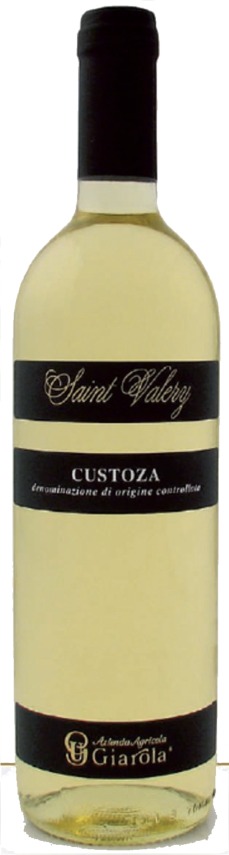

All older vintage wines have been purchased from a single collectors cellar. Pictures can be requested before shipment.
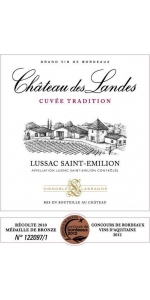
Landes Cuvee Tradition Lussac Saint Emilion is made from 80% Merlot, 15% Cabernet Sauvignon and 5% Cabernet Franc
Color: deep ruby intense color.
Aroma: racy and aromatic nose with aromas of ripe red fruit.
Taste: this wine is silky, round and smooth first taste, with aromas of raspberries, and blackcurrant, powerful and complex finish.
Landes Cuvee Tradition Lussac Saint Emilion is made from 80% Merlot, 15% Cabernet Sauvignon and 5% Cabernet Franc
Color: deep ruby intense color.
Aroma: racy and aromatic nose with aromas of ripe red fruit.
Taste: this wine is silky, round and smooth first taste, with aromas of raspberries, and blackcurrant, powerful and complex finish.
Landes Cuvee Tradition Lussac Saint Emilion is made from 80% Merlot, 15% Cabernet Sauvignon and 5% Cabernet Franc
Color: deep ruby intense color.
Aroma: racy and aromatic nose with aromas of ripe red fruit.
Taste: this wine is silky, round and smooth first taste, with aromas of raspberries, and blackcurrant, powerful and complex finish.
Landes Cuvee Tradition Lussac Saint Emilion is made from 80% Merlot, 15% Cabernet Sauvignon and 5% Cabernet Franc
Color: deep ruby intense color.
Aroma: racy and aromatic nose with aromas of ripe red fruit.
Taste: this wine is silky, round and smooth first taste, with aromas of raspberries, and blackcurrant, powerful and complex finish.
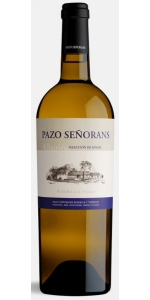
Pazo de Senorans Seleccion de Anada Albarino is made from 100 percent Albarino.
Straw yellow with greenish tints, vivid and brilliant. High intensity and very expressive. Profusion of aromas with traces of mineral. Great volume and ample body leaving a lasting impression from beginning to end.
Reviews:
I think the 2014 Albariño Selección de Añada could be the finest vintage of this characterful long-aging Albariño, from a year with a more moderate 13% alcohol and very high acidity (and low pH) that make the wine fresher and more vibrant. It is developing very slowly and showing quite young after it spent over 30 months with lees in 1,500- and 3,000-liter stainless steel tanks. It has a pale color and an elegant nose with notes of freshly cut grass, white flowers and wet granite. The palate is vibrant with effervescent acidity, and it has a long, dry and tasty finish with an austere sensation, far away from the tropical notes of some past vintages. This is superb and should continue developing nicely in bottle. Bravo! It wasn't bottled until April 2023, and 14,000 bottles were produced.
-Wine Advocate 96 Points
Tech:
Giarola Bianco di Custoza Saint Valery 2014 is made from 40% Garganega, 25% Cortese, 20% Trebbiano toscano, 15% blend of Trebbianello & Chardonnay
Selection of the finest musts of each type. Selective, partial carbonic maceration with temperature control.
Brilliant pale straw-yellow color with greenish reflections. Fruity, floral bouquet. Dry, crisp and clean with a soft, fruity finish. Harmonious and refreshing. Pairs best with seafood, grilled and roasted white meats and chef salads.
ANALITICAL DATA
Alcohol content: 12% vol
Net dry extract: 18,5 g/l
Reducer sugars: 5 g/l
Total acidity: 5,3 g/l
Total sulphites: 60-70 mg/l
The Giarola Estate
Giarola is located in Palazzolo di Sona, in the province of Verona, near the Garda Lake, in those regions which are geographically ideally suited for the production of Bardolino and Custoza wine.
These morainic terrains have a particular historic importance and they originate in the Quaternary glacial period when ice retired itself, leaving behind finely triturated rocks and rubble, transforming them in fine clay, ideal for vintage wines.
The mild and temperate climate and the strategic position in the inland around Garda lake, where lace-like sunshine and gentle breezes create the right climate for a luxuriant vegetation, are the elements which brought about the d.o.c. and d.o.c.g. denominations for all production areas of the company.
Since 1923 the land of Giarola family has been cultivated with vines and in 1968 Umberto Giarola began with the vinification of grapes. In last years, we have many developments and decidedly radical changes.
They are all founded in the philosophy which inspires the company and we can sum up in the following concept: "Respect for the Environment and Love for Nature".
Firmly adhering to this principles, the company has always been able to be in the vanguard and move with the times. Important examples are the total renewal of the vineyards and the implementation of the double curtain breeding system with a density of 6.000 plants per hectare; the controlled ground-irrigation system in case of drought in order to avoid stress to the vines maintaining the quality of the fruit. The company has invested heavily in land, machinery and staff not only in order to grow in numbers, but also to refine the techniques for grape-growing and winemaking.
Main “people” of the company are Umberto, the father and his sons Michele and Valeriano. Umberto supervises the various production processes and coordinates, in particular he works in the vineyards and the winemaking process itself.
The job of Valeriano, with his father, concerned in oenological processes and the fields. As far as Valeriano concerned, he also works for the packaging sector. During the first phase particular importance is given to the repeated soil- and leaf-analysis in order to ascertain the presence of all nutritional elements necessary for the balanced development of the plant.
Very important is the cold maceration for Custoza Elite and Garganega Monte Cristo tardy vintage. Michele has an important role: the commercial development of the company. In fact he goes in the best restaurants and wine shops throughout Italy also crossing the borders of Germany, Switzerland and Canada, to attract attention of our products. This gives rise to hope and sustains an ambitious project: to raise the image of Giarola wines to the highest level worldwide, maintaining direct contact with the company, in order to guarantee personally the quality of the product. The union of tradition and innovation offers consumers an ample choice of wines, able to satisfy the palate of those in search of high quality.
The Giarola Vineyard
The estate spreads over 12 hectares (30 acres) of vineyard planted to sandy, gravelly soil ideal for grape growing.
100% single block Cabernet Sauvignon. Aged 20 months in 100% new French oak.
Place
This beautiful block sits on the lower section of the Red Mountain side of the vineyard. Featuring a perfect southwest aspect, it gets the maximum sun exposure for depth and concentration. The land itself is wind-blown loess covering an alluvial floodplain, dotted with indigenous sage.
Winemaker's Notes
Explosively and exotically nuanced aromas of crème de cassis, Himalayan blackberry, black roses, dried violets, pencil shavings, crushed volcanic rock, and liquefied river minerals. While extremely dense and concentrated, this wine has a lot of grace and poise on the palate. The finish of inky deep black fruits, richly refined oak tones, and exotic floral notes, is utterly bewitching. Leave it for 5-7 years if you can or decant well before drinking. This is a 30-year wine in the making.
Review:
Lastly, and a wine that stopped me in my tracks, the 2021 Cabernet Sauvignon Block 47 might be the wine of the vintage. Revealing a dense purple hue as well as incredible aromatics of caramelized red and blue fruits, classy oak, lead pencil shavings, and a Latour-like sense of minerality, it hits the palate with full-bodied richness, building tannins, a stacked mid-palate, and a great, great finish. I love its balance and purity, but I suspect it’s going to demand bottle age.
-Jeb Dunnuck 97-99 Points
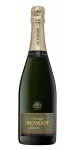
Henriot Brut Millesime 2014 is made from 50% Chardonnay, 50% Pinot Noir.
If the expression is intense and heady, it is nevertheless of an extraordinary finesse and elegance. A strength of character emerges, powerful, virile yet restrained and humble. The register is fresh, floral, vanilla, greedy. In the mouth the structure is solid, constructive, rectangular. The tannins take place and last after tasting. The freshness is present throughout the tasting, ending with a delicate bitter touch.
Review:
Showing floral notes of acacia and jasmine alongside sourdough, lemons and green apples. Walnuts and apricots, too. Open and inviting, with gentle nutty undertones, a medium to full body and a fine mousse. Long and persistent. 50% chardonnay and 50% pinot noir. Disgorged October 2022. This will be released later in 2023. Drink or hold.
- James Suckling 93 Points



