" We don't sell the wine without touching the vine "
| Country: | France |
| Region: | Loire |
| Winery: | Ecu (Guy Bossard) |
| Grape Type: | Melon de Bourgogne |
| Vintage: | 2020 |
| Bottle Size: | 750 ml |

Domaine Jean Grivot Clos de Vougeot Grand Cru is made from 100 percent Pinot Noir.
Domaine Jean Grivot is among the great names in Burgundian wine. Étienne Grivot and his wife Marielle took over from Étienne’s father Jean Grivot in 1987. The vineyards are densely planted and farmed organically “sans certification” while the aim in the cellar is for balance and clear expression of terroir.
Jean Grivot’s 38.3 acres spread across 22 appellations with vineyards in the communes of Vosne-Romanée, Vougeot, Chambolle-Musigny, and Nuits-Saint-Georges. Besides the three grand crus, there are 8 premier crus including the much lauded Les Beaux Monts and Suchots in Vosne-Romanée. The grapes are completely de-stemmed and fermentation is spontaneous.
About the Vineyard:
Clos de Vougeot grand cru was acquired by Étienne’s grandfather, Gaston Grivot, in 1919. The total holding is 4.6 acres from the middle of the vineyard to the lower wall and the average vine age is 40 years old. A good Clos de Vougeot should be a complete wine without any one feature standing out. It is a perfect balance of power, aroma, and flavor.
Wine Production:
The grapes are destemmed and maceration à froid usually lasts just a day or two. The alcoholic fermentation is spontaneous and malolactic fermentation occurs in barrel. Depending on the vintage, the proportion of new oak is around 40-70% percent for the grands crus.
Tasting Notes:
The wine shows aromas and flavors of red berries, herbs, and purple flowers. The palate is rich with ripe fruit and medium weight with bright acidity and fine tannins. Aging in 40-70% new Burgundian pièce brings notes of vanilla, toast, and baking spices.
Food Pairing:
Red Burgundy might be the world’s most flexible food wine. The wine’s high acidity, medium body, medium alcohol, and low tannins make it very food-friendly. Red Burgundy, with its earthy and sometimes gamey character, is a classic partner to roasted game birds, grilled duck breast, and dishes that feature mushrooms, black truffles, or are rich in umami.
Review:
-Wine Spectator 95 Points
-Jasper Morris MW 97 Points

Alain Jaume Domaine du Clos de Sixte Lirac is made from 50% Grenache, 35% Syrah, 15% Mourvedre
An intense red garnet color. On the nose, aromas of red and black ripe fruit (kirsch and wild blackberry). The mouth is full, with aromas of blackcurrant liqueur and spice. Tannins are both harmonious and elegant thanks to the fleshiness of the wine. Hints of licorice and vanilla on the finish, which gives the wine length and complexity.
Soil type LIRAC vineyard is facing Chateauneuf du Pape, opposite side of the Rhône river. As showed by the picture and following geologist George Truc, soils are almost similar in both side. They are marked by the violence wrought by the Rhone river. It consists of a layer of marine molasses of the Miocene period covered by alpine alluvium. The presence of a great number of rounded stones known as "galets" in the earth is evidence of the time when the Rhone, then a torrent, tore fragments of rock from the Alps and deposited them on the plain. LIRAC is one of the up-coming best area from the southern Rhône valley, as it delivers outstanding wines. Winemaking & ageing Traditional wine-making in stainless still vats. Hand sorted bunches, crushed and destemmed grapes. Fermentation temperature : 30°C. 18 days of vatting with pigeages.
Review:
" . — Anna-Christina CABRALES"-Wine Enthusiast 91 Points

All older vintage wines have been purchased from a single collectors cellar. Pictures can be requested before shipment.

Domaine Jean Grivot Nuits-Saint-Georges Premier Cru Aux Boudots is made from 100 percent Pinot Noir.
Domaine Jean Grivot is among the great names in Burgundian wine. Étienne Grivot and his wife Marielle took over from Étienne’s father Jean Grivot in 1987. The vineyards are densely planted and farmed organically “sans certification” while the aim in the cellar is for balance and clear expression of terroir.
Jean Grivot’s 38.3 acres spread across 22 appellations with vineyards in the communes of Vosne-Romanée, Vougeot, Chambolle-Musigny, and Nuits-Saint-Georges. Besides the three grand crus, there are 8 premier crus including the much lauded Les Beaux Monts and Suchots in Vosne-Romanée. The grapes are completely de-stemmed and fermentation is spontaneous.
Nuits-Saint-Georges Aux Boudots 1er cru lies in the “Zone Vosnoise” or northern end of Nuits-Saint-Georges just below Les Damodes. It borders Vosne-Romanée Aux Malconsorts 1er just to its north. Its position slightly lower on the slope with deep soil full of pebbles results in a richer and fuller wine.
The grapes are destemmed and maceration à froid usually lasts just a day or two. The alcoholic fermentation is spontaneous and malolactic fermentation occurs in barrel. Depending on the vintage, the proportion of new oak is around 30-60% for the premier crus.
The wine shows aromas and flavors of red berries, herbs, and purple flowers. The palate is rich with ripe fruit and medium weight with bright acidity and fine tannins. Aging in 30-60% new Burgundian pièce brings notes of vanilla, toast, and baking spices.
Red Burgundy might be the world’s most flexible food wine. The wine’s high acidity, medium body, medium alcohol, and low tannins make it very food-friendly. Red Burgundy, with its earthy and sometimes gamey character, is a classic partner to roasted game birds, grilled duck breast, and dishes that feature mushrooms, black truffles, or are rich in umami.
Review:
-Jasper Morris MW 95 Points
-Neal Martin 95 Points
-Decanter 94 Points
-Burghound 92 Points

Silver Oak Alexander Valley Cabernet Sauvignon is made from 95.2% Cabernet Sauvignon, 2.5% Cabernet Franc, 1.9% Merlot, 0.4% Petit Verdot
The Silver Oak Alexander Valley Cabernet Sauvignon 2019 has notes of red cherry, raspberry, blackberry, iris, vanilla and clove. Ruby in color, this elegant wine has great acidity and lift on the mid-palate. Black currant and warm baking spices linger with a deep and fruity finish. It will provide drinking pleasure through 2047 given proper cellaring.
Review:
-Decanter 94 Points
-James Suckling 94 Points

SALE!
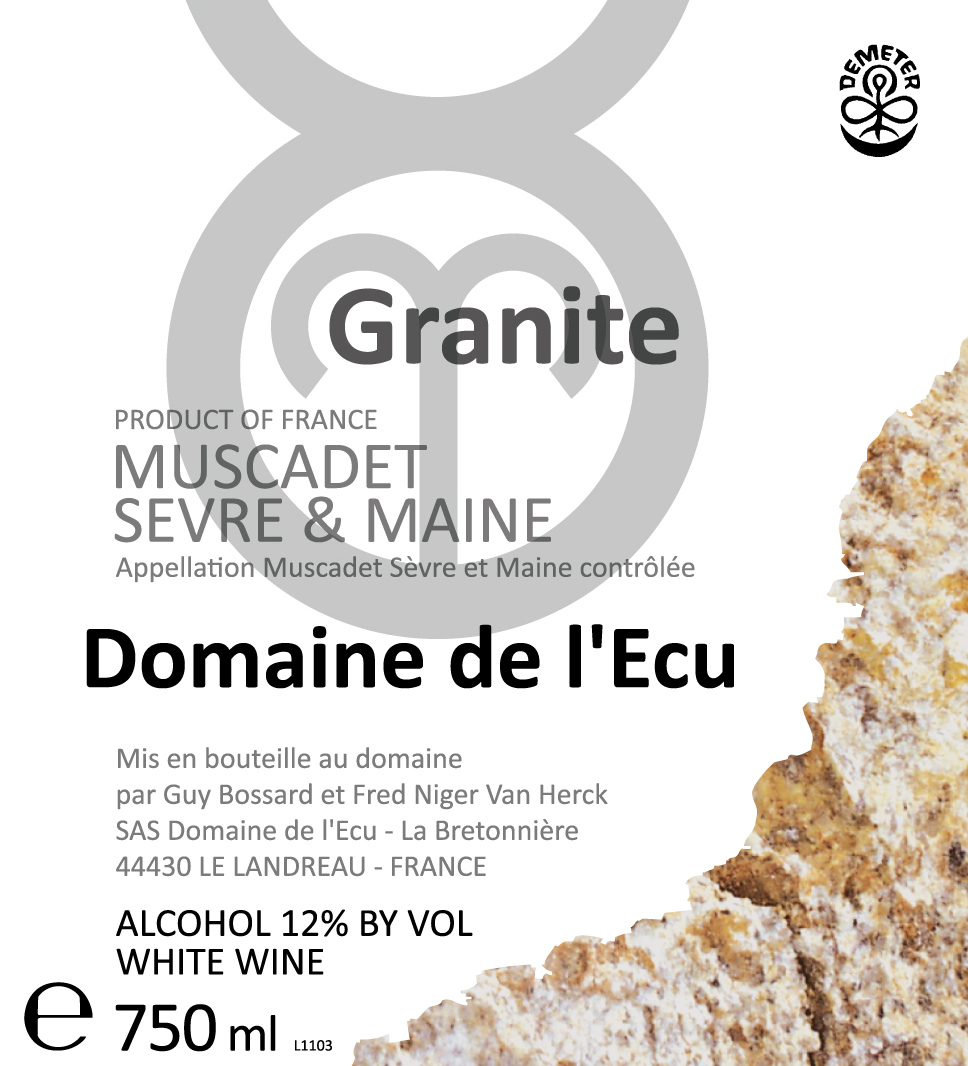
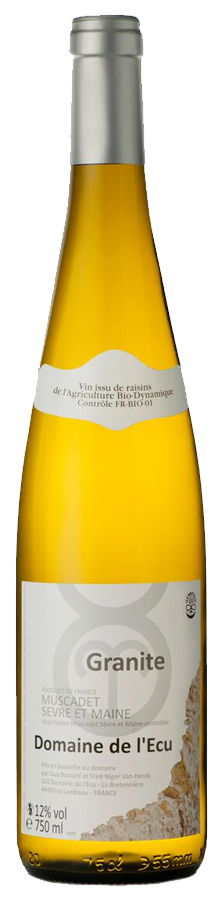
Guy Bossard Domaine de l'Ecu Muscadet Granite is made from 100% Melon de Bourgogne sourced from a 3 hectare vineyard.
ub-soil: granite
Yield: 40-45 hl/ha
Soil ploughing and soil scraping. Canopy management.
PRUNING: Simple Guyot.
Orientation of the slopes is SOUTH WEST. Stony soil. Sub-sol: Two-Mica Granite.
Production: 555 cases
It is the color of white gold. An elegant nose with pronounced notes of mineral, flint, silex, and notes of citrus fruits and oyster shells. The attack is sharp and straight, the mouth crystalline imparting a great purety, fresh with the ambiance of the sea; mouth slim, fleshy and complex, very salty notes and notes of chalk and citrus fruits. A wine equipped with a long life with a persistant ambiance of the sea. A wine essentially to keep....
Organically farmed since 1975. Biodynamic – Demeter certified since 1998. 100 % hand-picked grapes Reception of the grape harvest by gravity, no use of pumps. Pneumatic gentle press No racking of the must Fermentation: 100 % natural yeast • Temperature control: 15 °- 17 °. Aged "ON THE LEES" in underground vats
A perfect match to the following dishes:
Tartare of langoustines, zest of lime and mandarin.
Sushi and sashimi of white fish, sea bass and sea bream...
Shellfish, refined oysters, crayfish.
Carpaccio of ScallopS with kaffir lime zest.
Turbot, John Dory, Monkfish in sauce, Skate with capers, beurre noisette.
Eels "à la Provençale". Wild Sea Bass with an oyster sauce and seaweed butter.
Grilled Rabbit Leg with rosemary, tian of courgettes
Cheeses: Livarot, Epoisses, Curé Nantais
Review:
-Robert Parker's Wine Advocate 91 Points
The Domaine de l'Ecu Guy Bossard Estate
The domaine is located in the hamlet of Le Landreau in Sevre et Maine, Muscadet's best region of production. The family has been producing wine there for 5 generations, but current owner Guy Bossard defies the prevailing view that organic producers can't make great wine. The estate became organic in 1975, and biodynamic in 1986. Guy Bossard makes his own compost using algae, forest brush and basalt. He produces 3 different cuvees, each masterfully crafted to highlight the expression of the specific soil types.
The Hermine d'Or designation is given to specially selected Cuvees of Muscadet, (tasted blind) that score highly. Hermine d'Or wines are picked for:
1. Typicity - Trueness to type (no oak here).
2. Ageability - The ability to improve in the bottle.
3. Minerality - Classic feature of wines of this region.
This insignia, Hermine d'Or, is as near a guarantee of quality as can be found in the region.
Matt Kramer, the Wine Spectator - My Wines of the Year -
"Ah, my beloved Muscadet always pops up on this list, as I like to buy'em and age'em for upward of a decade. Guy Bossard, the owner-winemaker of Domaine de l'Ecu, is obsessed with Muscadet. His vines and winemaking are fully biodynamic. If Burgundy's Domaine Leroy made Muscadet, it would be Domaine de l'Ecu. In the classic 2002 vintage, Bossard offered multiple bottlings based on soil types. His Expression de Granit is all about intense minerality; Expression d'Orthogneiss is spicier, richer and denser. Both need 10 years of age. The prices are absurdly low."
"The gifted, highly regarded Guy Bossard produces serious Muscadets, built to age; fully biodynamic since 1986." - Anthony Dias Blue's pocket guide to wine 2006
The Domaine de l'Ecu Guy Bossard Vineyard
Guy Bossard farms 17 hectares (42 acres) entirely using biodynamic methods. The average age of the vines is 45 years.
The wines are fermented "sur lie", on the yeast, to prevent oxidation and impart full flavor and a slight spritz to the finished product.

Pioneiro Red Wine Vinho Regional Peninsula de Setubal is made from 60% Castelao (also known as Periquita), 30% Aragones and 10% Syrah
Aged 5 months in French oak barrels
The story of this wines begun more than a century ago, with the pioneering dream of Venâncio da Costa Lima: to bring good wines to every corner of Portugal. Pioneiro wine brand was created to pay homage to his vision.
What's Unique? Pioneiro (meaning “pioneer” in Portuguese) wine vintage style label pay homage to the founder’s dream, dating back to 1914. But in a relaxed, casual way, typical of this wine producer mood.
Intense garnet color, complex nose with touches of ripe fruit, jam and spices, full-bodied flavor and a very balanced finish.
Castelao: as the most widely-grown red grape variety in Portugal it is still often referred to in Portuguese as "Periquita" or "Joao de Santarem", although that name is legally owned by José Maria da Fonseca in the Setúbal Peninsula outside of Lisbon. It is highly adaptable to different climatic conditions and its remarkable versatility enables winemakers to make a range of wines – from the easy drinking and quaffable reds and rosados to the powerful and intense reds perfectly suited to lengthy cellaring. Castelão comes into its own and is most expressive in the Sétubal Peninsula, where it makes meaty and intense wines with aromas of red berries and blue flowers that marry well with the deft use of oak.
Made from 15 year old vines planted on sandy soils.
Classic vinification at controlled temperature (25 °C) with prolonged maceration for phenolic extraction. Wine went through malolactic fermentation.
It was aged 5 months in French Oak barrels.
Wine was slightly filtered before bottling to avoid sedimentation in the bottle and to ensure stability.
Pasta, Cheese, red meat and game.

Ferme Blanche Cassis Blanc Excellence is made from 50% Marsanne and 50% Clairette.
On the nose, white fruits, citrus zest, hint of vanilla. Velvety well balanced mouth of ripe fruits and minerality.
Pair with trout, Scallop, or better yet lobster would complement this wine perfectly.

Beliere Bugey-Cerdon is made from 95% Gamay, 5% Poulsard (a local grape from Jura).
Spontaneous fermentation. An altogether preferable scenario to spontaneous combustion, and A LOT more fun to drink. This pink, semi-dry bubbly was made by spontaneous fermentation, otherwise known as methode ancestrale. Grapes are picked by hand (not just any grapes, these are the local Poulsard and Gamay grown on mountainous slopes in the shadow of the Alps), and fermented in chilled vats just reaching 5 or 6 degrees alcohol. The young and light wine is then bottled, along with its active yeast and considerable unfermented sugars. Under pressure of the cork, the wine continues to ferment, gaining a few degrees of alcohol but retaining a nice amount of sweetness. The bubbles, of course, are another result of fermentation under pressure. This one is so delicious and fun to drink, with a distinctly, well, grapy aroma and a fruitiness that calls out for celebration and jubilation.
This is also wonderful served with chocolate cake!
8% ABV.
Produced from the "Ancestral method" (also used to produce Clairette de Die): Low temperature fermentation starting in the tank, light filtration that leaves active yeast in the wine, bottling of the wine with fermentation continuing in the bottle ("spontaneous fermentation in the bottle"), retaining some sugar (40 gr/liter at the end). Made from 95% Gamay, 5% Poulsard (a local grape from Jura).
Review:
"Amber color. Aromas and flavors of cranberry juice, rose petal, cherry and kiwi, and red apple with a round, bright, effervescent, fruity medium-to-full body and a delightful, medium-long finish that shows nuances of cherry, cranberry, beeswax, and rose water. Concentrated fruit flavors, creamy bubbles, and well balanced acidity will make this a splendid pairing with charcuterie." - Beverage Testing -Institute (November 2022), 92 pts - Gold Medal

Bernardins Muscat de Beaumes de Venise Hommage is made from 75% Muscat petits grains blancs, 25% Muscat petits grains noirs.
The wine shows a golden hue with orangy highlights. Endearing nose of grape, orange peel and a honeyed accent. Mild at point of entry, spendid aromatic intensity, sultana, candied orange, rose petal and refined spice. Our Muscat de Beaumes de Venise has a great age ability.
For every vintage of our Muscat de Beaumes de Venise, the grapes are picked by hand. We press them straightaway to ferment the juice without skins. We don’t add any yeasts and keep the alcoholic fermentation in check by temperature control. Vin Doux Naturel winemaking involves stopping fermentation to preserve the grapes’ natural sweetness. During vinification, we watch the vats day and night and add 95% grape spirit just at the right moment. At this stage, the wine’s final balance is at stake. For the Hommage, we blend different vintages, aged in stain steel vats, to create the complexity of a long lasting wine.
The Hommage is a versatile companion to many deserts. Most expressive with dry biscuits and dry fruits, it retains all its character served with a fruit tart, puff paestry and chocolate or coffe desserts. To appreciate as well with duck breasts and figs. Served with a roquefort or a silton, it is marvellous. Simply as an aperitif with some dry fruit or grilled almonds. It's also a good compagnion for a classy cigars.

Redigaffi has an intense color that arouses enthusiasm and satisfy the sight, it highlights great complexity characterized by the fruity attack in the mouth leaving then “room” to tobacco and liquorice notes. Good concentration given by the pre-harvesting activity, three passages and perfect maturation reached by our grapes.
Outstanding complexity. Floral notes typical of our “Macchia Mediterranea” are intense and persistent. The elegance of tannins is enhanced by the great structure and balance. Considerable extraction and good acidity.
Review:
Wow. The aromas are really something else with red fruits, black olives, spices like cardamon and nutmeg, as well as hints of tar and meat. It’s full-bodied yet in check and focus with fine, fine tannins that roll over the palate and create beautiful motion. Chewy yet silky and endless. A great young merlot and one of the best for a number of years.
- James Suckling 99 Points

Ossian Capitel Verdejo is made from 100% Verdejo.
Capitel is a particular expression of Ossian's very old Verdejo vines — some approaching 200 years — grown on the sandy, pre-phylloxera soils of Nieva, a cool, high corner of Segovia south of Valladolid. It is made only in select years from a strict selection of exceptional old-vine fruit, fermented and aged in 600-litre French oak barrels on fine lees.
Color: old gold with greenish reflections. Aromas: surprisingly nuanced and profound. Flavors: fresh, full and finely detailed.
Review:
-James Suckling 95 Points
-Antonio Galloni's Vinous 96 Points