" We don't sell the wine without touching the vine "
| Country: | France |
| Region: | Rhone |
| Winery: | Jean-Claude et Nicolas Fayolle |
| Grape Type: | Syrah |
| Vintage: | 2017 |
| Bottle Size: | 750 ml |
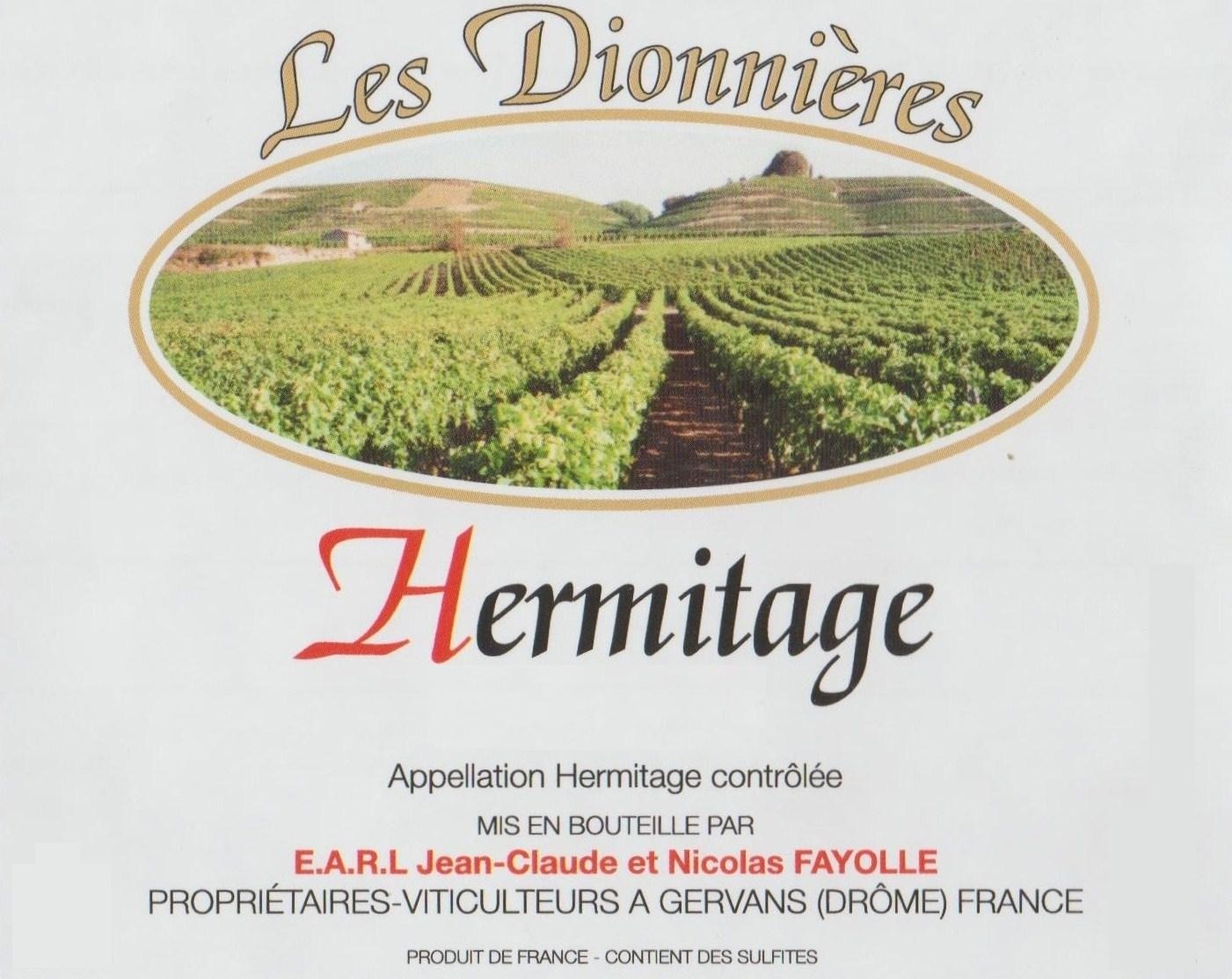
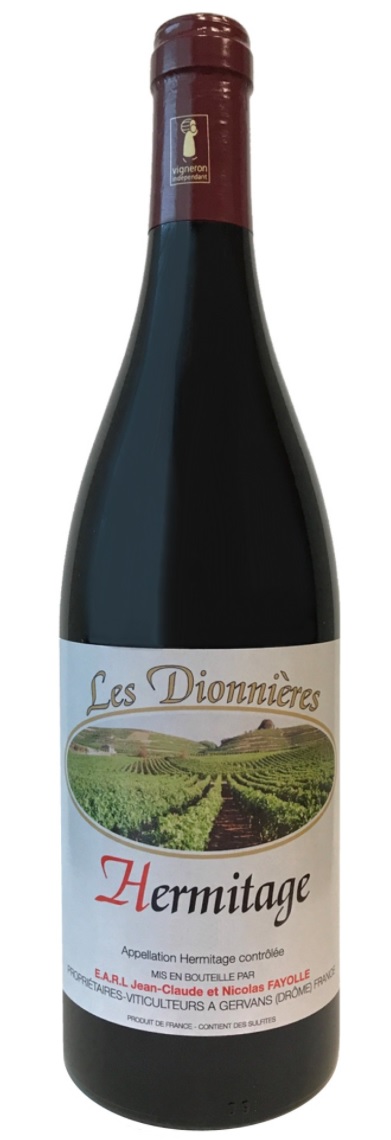
Jean-Claude et Nicolas Fayolle Hermitage Rouge Donnieres is made from 100% Syrah.
Made from 40-year-old vines planted on granitic and rocky soils in the Lieu dit "Les Donnieres" at the bottom of the Hermitage's hill.
Intense inky ruby red color.
The wine has plenty to offer with red and black fruit aromas, as well as a good minerality.
The finish is very long, clean and juicy and offers a great spicy mouthfeel.
Soil is clay, silica and round pebbles.
Hand harvested in small crates. The grapes are then pumped into tanks (full cluster, not destemmed).
It will stay in this tank for 15 days for the skin contact maceration and the Alcoholic fermentation.
Tey will also use the "rack and return" technique (delestage).
Then the wine is transfered into neutral French Oak barrels where the wine will complete the Malo-Lactic fermentation.
Delicious with grilled red meat such as venison or lamb and most cheeses.
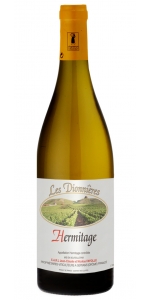
Domaine Jean-Claude et Nicholas Fayolle Hermitage Les Dionneres Blanc is made from 100% Marsanne.
Fayolle Hermitage Blanc Les Dionnieres boasts a superb golden yellow color and extraordinary smoothness and creamy, honeyed aromas of hazelnut, peach and apricot developping into scents of iris, narcissus and lime blossom. Pure and crisp, a solid texture and a clean finish.
Delicious with poultry, veal, seafood, shellfish, veal and most cheeses.
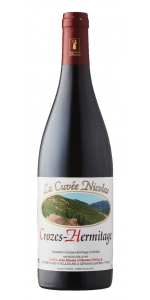
Fayolle Crozes-Hermitage Rouge Cuvee Nicolas is made from 100 percent Syrah.
Deep ruby red color. Nose of red and black currant fruits, pepper, spring flowers, new leather and mineral/earthy nuances. Medium bodied palate of red fruit and spice. Nice balance. Long finish and velvety.
Good match with red meat (beef, lams) or white meat (veal) in sauce, poultry and game meat. Perfect with most cheeses.
Fayolle Crozes-Hermitage Rouge Cuvee Nicolas is made from 100 percent Syrah.
Deep ruby red color. Nose of red and black currant fruits, pepper, spring flowers, new leather and mineral/earthy nuances. Medium bodied palate of red fruit and spice. Nice balance. Long finish and velvety.
Good match with red meat (beef, lams) or white meat (veal) in sauce, poultry and game meat. Perfect with most cheeses.
Review:
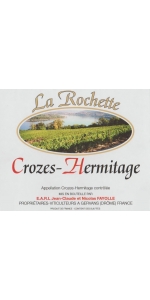
Fayolle Crozes-Hermitage Rouge La Rochette is made from 25-year-old vines planted on loess and red granitic soils. 100% Syrah.
Deep ruby red color.
The wine has plenty to offer with red and black fruit aromas, as well as a good minerality.
The finish is long, clean and juicy and offers some white pepper spiciness typical of the best Crozes-Hermitage.
Soil type is red brittle granite and white soil.
Hand harvested in small crates. The grapes are then pumped into tanks (full cluster, not destemmed).
It will stay in this tank for 15 days for the skin contact maceration and the Alcoholic fermentation.
They will also use the "rack and return" technique (delestage).
Then the wine is transfered into neutral French Oak barrels where the wine will complete the Malo-Lactic fermentation.
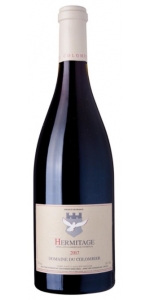
Domaine du Colombier Hermitage Rouge is made from 100 percent Syrah.
Perfect with beef ribs, grilled meats and cheese.
Manually harvested with destemmed grapes and fermented for about 2 to 3 weeks in temperature controlled vats, with an ageing period of 12 months, 65% in oak barrels and 35% in concrete tanks.
Review:
Brought up in 30% new demi-muids, with the balance in used barrels, the 2017 Hermitage is beautifully pure and layered, with smoking good notes of crème de cassis, white flowers, crushed rocks, and violets. Deep, full-bodied, and concentrated on the palate, it has plenty of tannins and is going to need 5-7 years of bottle age. This is a sensational Hermitage from Colombier that will drink well for 25+ years.
These wines are made by the talented Florent Viale and shine for their purity as well as character. While the winemaking here is traditional, with the wines destemmed and brought up mostly in used demi-muids, the purity of fruit can give the impression that wines are more modern styled than they are. They will all benefit from short-term cellaring.
-Jeb Dunnuck 96+ Points
Jean-Claude et Nicolas Fayolle Hermitage Rouge Donnieres is made from 100% Syrah.
Made from 40-year-old vines planted on granitic and rocky soils in the Lieu dit "Les Donnieres" at the bottom of the Hermitage's hill.
Intense inky ruby red color.
The wine has plenty to offer with red and black fruit aromas, as well as a good minerality.
The finish is very long, clean and juicy and offers a great spicy mouthfeel.
Soil is clay, silica and round pebbles.
Hand harvested in small crates. The grapes are then pumped into tanks (full cluster, not destemmed).
It will stay in this tank for 15 days for the skin contact maceration and the Alcoholic fermentation.
Tey will also use the "rack and return" technique (delestage).
Then the wine is transfered into neutral French Oak barrels where the wine will complete the Malo-Lactic fermentation.
Delicious with grilled red meat such as venison or lamb and most cheeses.
Review:
"If the prebottling sample of the Fayolles' 2017 Hermitage Les Dionnieres is truly representative, purchasers will be in for a treat. It's inky dark in color, with a cassis-laden nose that's marked by hints of crushed stone. It's full-bodied and concentrated, tannic without being hard or overdone, and despite ample ripeness, there's structure and freshness. It looks to be the complete package and potentially in the same ballpark (quality-wise) as the impressive 2015. - Joe Czerwinski"
- Robert Parker's The Wine Advocate (Issue #239, October 31th 2018), 94-96 pts
James Goddard was an ancestor of the Clarke family. Born in West Sussex, England in 1823, James spent his 74 years as a sailor, a whaler, a bullock driver, farmer, prospector, miner and hotel keeper. From an illiterate runaway living rough on the streets of London, he became a rich, successful and admired pillar of South Australian society.
James arrived in Adelaide in 1839 as a 16-year-old sailor. Twelve years later, his life changed forever with the news of gold findings. For the next 20 years, James roamed the country learning the geology that improved his chances of prospecting.
James Goddard Shiraz is made from 100 percent Shiraz.
In 1870, he tried his luck near his farm in the Barossa Valley and discovered the region’s first gold deposits, creating the prosperous Lady Alice Mine. The Lady Alice Mine, though it is no longer operational, was & still is the most successful gold mine in South Australia. From these roots, the Thorn-Clarke family has been connected to the region for the last 150 years.
James Goddard Shiraz is a blend Shiraz sourced from the Milton Park vineyard in the north of Eden Valley, and the St Kitts vineyard in the far northern area of the Barossa. Fruit is harvested in the cool of the night to maintain maximum flavour and freshness and it is fermented for 8 days. The ferment is pumped over twice daily to extract the colour and flavour from the fruit. Once finished fermentation the wine was then matured in a blend of French and American oak for a period of 10 to 12 months depending on the vintage.
Deep vibrant red with purple hues to the rim. The nose shows lifted plums, vibrant purple berries and a delicate spice note. The palate has concentrated satsuma plum, blackberry with lovely charry oak in the background. Long, juicy and even with plush fruit on the finish.
Review:
“Blended from two estate vineyards, St. Kitts and Milton Park, this shiraz offers its richness without any aggression or overt perfume. It’s just lush and delicious, a friendly embrace of firm tannins and purple-red fruit. The texture and flavor combine in a saturated meatiness, for Korean barbecue.”
- Wine & Spirits Magazine, 92 points
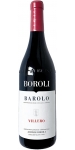
Villero is undoubtedly one of the most important vineyards in Castiglione Falletto in terms of quality and exposure.
The soil is clayey and calcareous, with a south and southwest exposure. The combination of exposure and soil give us a structured and powerful Barolo, with a deep aromatic profile. The tannins are smooth and soft, thanks to long maceration.
Barolo Villero is a long-lasting wine, capable of reaching its full potential even many years after the harvest.
Wine Production
Villero is distinguished by a careful selection of grapes, perfect destemming, long macerations with submerged cap.
Tasting Notes
Clear bright ruby colour with very light garnet red reflections; intense and persistent aroma of red fruit with notes of plum and cherry. A pleasant aroma of wood is noticeable after the fruity aroma, anticipating the full taste of a great wine suitable for long lasting life. A succulent, rich, full-bodied and pleasant taste emerges after the woody one, with the presence of slightly ripe red fruit
Food Pairing
Thanks to its viscosity and body, Barolo is the ideal wine to combine with elaborate dishes such as truffle dishes, meat dishes, pasta with porcini mushrooms, game, and aged cheeses. Villero is also perfect with dry pastries or chocolate.
Review:
This Villero shows sterness and class at the same time. The nose is focused on cherrystone aromas, Parma violets, pomegranates and slightly earthy notes. The attack is dry and austere, with firm, dusty tannins soaked in licorice and tar, enhanced by a bright, juicy and polished blood-orange finish. This is a Barolo to discover over the years, even though it’s ready to drink now.
-James Suckling 95 Points
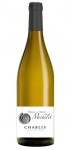
Michelet Chablis Premier Cru Beauroy is made from 100 percent Chardonnay.
Chablis is the northernmost wine region of Burgundy, renowned for producing some of the world's finest and most mineral-driven Chardonnay. The Premier Cru 'Beauroy' vineyard is located on the right bank of the Serein River on slopes with Kimmeridgian clay and limestone soils rich in fossilized oyster shells.
This wine displays a brilliant pale gold color with green reflections. The nose offers aromas of citrus, white flowers, and characteristic flinty minerality. On the palate, it is precise and elegant with bright acidity, flavors of green apple and lemon, and a long mineral finish.
Pairs excellently with oysters, shellfish, sushi, or simply prepared white fish.