
" We don't sell the wine without touching the vine "
| Country: | South Africa |
| Region: | Riebeek Kasteel |
| Winery: | Riebeek Cellars |
| Grape Type: | Pinotage |
| Vintage: | 2016 |
| Bottle Size: | 750 ml |
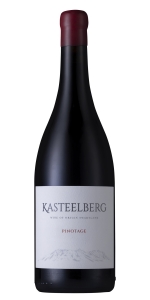
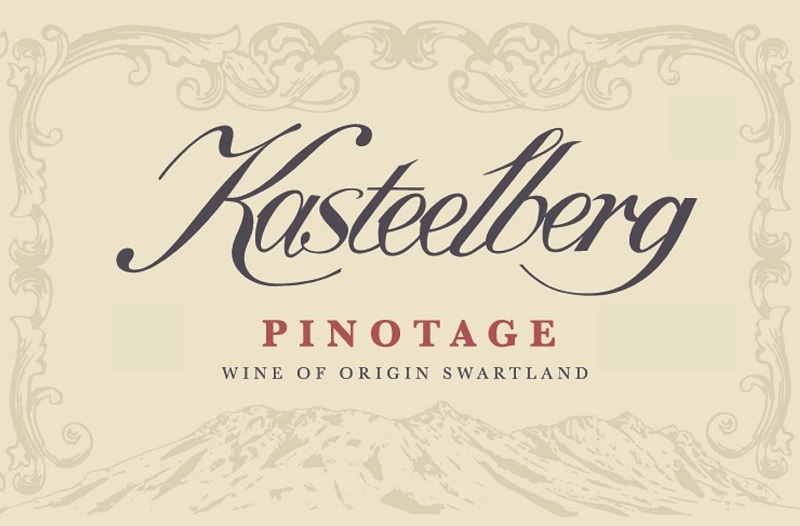
Kasteelberg Pinotage is made from 100 percent Pinotage.
The Kasteelberg range of wines, celebrates the discovery of Riebeek and the Kasteelberg mountains in 1661. Kasteelberg stands sentinal over the fertile valley below. From the slopes of the mountians, hand-selected grapes are expertly crafted with care to produce rare and expressive wines. The Kasteelberg range truly is the pinnacle of our Winemakers'art.
Harvested from an exceptional vineyard in the heart of the Swartland, the Kasteelberg Pinotage is characterised as a well-structured wine, offering layers of flavours and aromas. Seductive rich plum flavors with notes of captivating dark chocolate follows through in a smooth and lingering palate of intense flavors integrated with the freshness of ripened cherries.
Grapes used for this wine are coming from vines that are 10 years old in average. It is also sustainable farming used for this plot.
The grapes were cold-soaked for 3 days at 10°C to extract as much color as possible before fermentation. After cold-soaking, the temperature is increased to around 18°C and yeast is added to start fermentation. Regular pump-overs are done to enhance skin contact which improves the flavor and color profiles. Fermentation temperature between 22 - 26°C. Fermented dry on skins, pressed. After malolactic fermentation, wine is transferred to barrels. French oak barrels, 2nd, 3rd and 4th fill barrels for 12 months.The grapes were cold-soaked for 3 days at 10°C to extract as much color as possible before fermentation. After cold-soaking, the temperature is increased to around 18°C and yeast is added to start fermentation. Regular pump-overs are done to enhance skin contact which improves the flavor and color profiles. Fermentation temperature between 22 - 26°C. Fermented dry on skins, pressed. After malolactic fermentation, wine is transferred to barrels. French oak barrels, 2nd, 3rd and 4th fill barrels for 12 months.
The Kasteelberg range of wines, celebrates the discovery of Riebeek and the Kasteelberg mountains in 1661. Kasteelberg stands sentinel over the fertile valley below. From the slopes of the mountains, hand-selected grapes are expertly crafted with care to produce rare and expressive wines. The Kasteelberg range truly is the pinnacle of our Winemaker's art.
Often referred to as Shiraz Country, the Riebeek Valley is renowned for exceptional Shiraz wines.
The Kasteelberg Shiraz is a lively rich wine, full bodied with a subdued smokiness on the nose and a pallet of ripe fruit and interesting spice.
Well-balanced and smooth, the aftertaste lingers with the exciting flavors of Christmas pudding.
Serve at room temperature. The perfect companion to barbequed lamb, fillet medallions and game. Lovely with Springbok stuffed with bacon, garlic and rosemary and a great match to a cheese and preserve platter.
Review:
"I'd expect to prefer the 2017 Shiraz to the 2018 bottling, but it's actually the reverse. Maybe Alecia Boshoff has just got more experience with the fruit from this Kasteelberg site. Sweet and spicy, with enticing incense and violet aromas, fine tannins, succulent red berry fruit and deftly integrated one-third new oak. 2021-26"
- Tim Atkin (South Africa 2020 Report), 92 pts

All older vintage wines have been purchased from a single collectors cellar. Pictures can be requested before shipment.
No Syrah terroir in Sonoma County compares with Sonoma Mountain’s northwest crown—cool fog-affected mornings, sun-bathed afternoons, cooled by persistent coastal breezes, and temperate evenings. The soils in Steiner’s Syrah blocks — ashy and moondust-like, littered with decomposing sea bed — further contribute to the unique nature of this site. After a 3-vintage hiatus, I am thrilled to be back working with Steiner Vineyard’s Syrah. By its nature, this slow-to-ripen, cool-climate site produces fabulously deep, intense, structured wines. Now, raising a big, brawny Syrah is no rare act of alchemy. It is the wonder of Steiner’s terroir — a magical elegance and beauty, informing the inherent power, depth and intensity — that makes this bottling so special. 2016 produced a classic wine that deftly balances massive flavors and texture, while retaining vital freshness, and a palpable sense of cool. Production was low, so get it while you can. Simply a “WOW” wine, not to be missed.
VINEYARD: Steiner Vineyard. Located at 1,100 ft, on the northwest crown of Sonoma Mountain. CRUSH: Early morning harvest by hand, October 1st, cluster and berry sorted, destemmed and crushed. FERMENT: 5-day cold soaks, followed by 14 day native fermentation in open-top bins. AGING: 20 months, French oak, 100% new, mixture of 300L hogsheads and barrique shapes. Never racked prior to bottling. Bottled unfined, unfiltered.
Review:
"Refined and stylish, featuring a complex core wrapped in multilayered blackberry and blueberry flavors, laced with bitter chocolate, black licorice and smoky meat notes. Drink now through 2030.- Tim FISH"
- Wine Spectator Insider (January 15th 2020), 93 PTS
Avennia Red Willow Cabernet Sauvignon is made from 100% Cabernet Sauvignon.
The Red Willow Cabernet is a true blockbuster.
Coming from one specific block of 30 year old vines at this iconic vineyard, then strictly barrel selected, this is the essence of powerful, old vine Washington Cabernet. After all of our efforts promoting the idea of the Bordeaux blend, it would take a pretty compelling argument to suspend that idea and make a 100% varietal Cabernet. In 2016 Red Willow provided us with just that. Each time we tasted it in the barrel, the belief grew that this was something special. Something we can't make every year. In the end we were won over, and decided to make a limited amount of this wine. But don't be fooled, as this too is a blend and a selection. Each year as we are tasting the grapes as harvest approaches, we notice that the vines near the bottom of this long, steep west-facing slope, are a little different. The vines at the bottom are in a little richer soil, and get a little more water, so we pick them separately, sometimes even a week or ten days apart, and keep them separate in barrel.
This wine is all from the top of the vineyard, with its lower yield and poorer soils giving more concentration and interest. Then further, nearly every combination of new and used French oak barrels were trialed to find the best blend. It's not enough just to use the four best barrels, but to trial each combination to see how they complement each other. For a wine with this much mass, 100% new French oak was used for the first time at Avennia. It is a wine that needs a little cellaring to start, but should last a very long time.
Review:
"The 2016 Cabernet Sauvignon Red Willow Vineyard is 100% Red Willow Cabernet Sauvignon that will spend roughly 20 months in close to 100% new French oak. Blackcurrants, smoked herbs, chocolate, and graphite notes all give way to a full-bodied, plump, rich, concentrated effort that's going to be better with short-term cellaring and keep for two decades."
- Jeb Dunnuck (April 2018), 94-96 pts
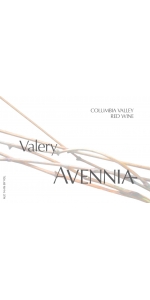
Avennia Valery Red Blend is made from 86% Merlot and 14% Cabernet Franc
Valery is named for the patron saint of wine in the St. Emilion region that inspired it.
We started with old vine Merlot from a stony block in the heart of the Yakima Valley and added complex, aromatic Cabernet Franc from the Horse Heaven Hills. The result is a balanced, complex wine with the elegance and ethereal perfume that this blend of two of Washington’s best varietals are known for.
The nose on this wine is very perfumed, almost exotic with notes of fresh violets, red plum, winter mint, fresh herbs and crushed limestone qualities. The palate is poised and balanced, with red fruits and mocha powder encapsulated in limestone. The finish lingers delicately, with the Cabernet Franc asserting a light tobacco and herb note, giving depth. A compelling wine that will continue to unwind for 7-10 years in the cellar.
Review:
"Brought up in 30% new French oak, the 2016 Valery (70/30 Merlot and Cabernet Franc) offers more black cherry and earthy, herbal notes as well as a medium-bodied, seamless, beautifully balanced style. It too shows a vibrant, fresh, yet concentrated style that has a Bordeaux feel in its weight and texture."
- Jeb Dunnuck (April 2019), 93 pts
"Good medium-dark red. Aromas of blueberry, mocha, licorice and violet are a bit darker than those of the 2015 version. Dense and penetrating, with wild flavors of dark berries, licorice and game given lift by rocky minerality and a minty nuance. Chris Peterson slightly acidified his Cabernet Franc from Champoux Vineyard, which he added to the wine for richness. This beauty may yet tighten up in the bottle.- Stephen Tanzer"
- Antonio Galloni's Vinous (November 2018), 92+ pts
Kasteelberg Pinotage is made from 100 percent Pinotage.
The Kasteelberg range of wines, celebrates the discovery of Riebeek and the Kasteelberg mountains in 1661. Kasteelberg stands sentinal over the fertile valley below. From the slopes of the mountians, hand-selected grapes are expertly crafted with care to produce rare and expressive wines. The Kasteelberg range truly is the pinnacle of our Winemakers'art.
Harvested from an exceptional vineyard in the heart of the Swartland, the Kasteelberg Pinotage is characterised as a well-structured wine, offering layers of flavours and aromas. Seductive rich plum flavors with notes of captivating dark chocolate follows through in a smooth and lingering palate of intense flavors integrated with the freshness of ripened cherries.
Grapes used for this wine are coming from vines that are 10 years old in average. It is also sustainable farming used for this plot.
The grapes were cold-soaked for 3 days at 10°C to extract as much color as possible before fermentation. After cold-soaking, the temperature is increased to around 18°C and yeast is added to start fermentation. Regular pump-overs are done to enhance skin contact which improves the flavor and color profiles. Fermentation temperature between 22 - 26°C. Fermented dry on skins, pressed. After malolactic fermentation, wine is transferred to barrels. French oak barrels, 2nd, 3rd and 4th fill barrels for 12 months.The grapes were cold-soaked for 3 days at 10°C to extract as much color as possible before fermentation. After cold-soaking, the temperature is increased to around 18°C and yeast is added to start fermentation. Regular pump-overs are done to enhance skin contact which improves the flavor and color profiles. Fermentation temperature between 22 - 26°C. Fermented dry on skins, pressed. After malolactic fermentation, wine is transferred to barrels. French oak barrels, 2nd, 3rd and 4th fill barrels for 12 months.
The Riebeek Cellars Estate
Riebeek Cellars was established in 1941 and is situated in Riebeek Kasteel at the foot of Bothma's Kloof Pass. This medium-sized winery on the western coast of the Cape Province of South Africa sources its grapes from the fertile Riebeek Valley and the slopes of the mountain where the climate is very similar to the Mediterranean. Through the years as vineyard practices developed, cultivars were planted in soil and at slopes best suited to them. These well-tended vineyards enable the production of high quality wines which makes Riebeek Cellars the choice of wine buyers internationally. Well-known both in South Africa and abroad, Riebeek Cellars manages a variety of brands for various countries.
Heritage
Corporal Pieter Cruythoff, a scout of Jan van Riebeeck, founded the Riebeek Valley in 1661. Impressed by the single standing mountain, he called it Kasteelberg (“Castle Mountain”) commemorating the Castle of Good Hope in Cape Town, the fortress of Commander Jan van Riebeeck. The twin towns, Riebeek Kasteel and Riebeek West, established at the foot of Kasteelberg, are therefore also suitably named after Van Riebeeck.
The Riebeek Valley is a mecca of wonderful wines, exceptional food and exquisite art where tourists and locals alike are forever tempted into spending more time than allowed. The serene valley falls in the bigger Swartland region which is called the 'bread basket' of South Africa for its grain production, while it is further internationally acclaimed for its high quality olive products. With various hotels and fine-dining restaurants as well as true country hospitality, the Riebeek Valley has become a very popular tourist destination. The ultimate charm of Riebeek is however in its people and their commitment and passion for wine.
"Located in the Western Cape region of South Africa, this winery was established in 1941, which makes it relatively old compared to all the new wineries that have sprung up in this area. Among the first Pinotages I can recommend, it’s also a good value. Pinotage, which is, of course, ubiquitous in South Africa, was first made in 1941, when the Cinsault grape (primarily grown in southern France and the Rhone Valley) was crossed with Pinot Noir." - Robert Parker's Wine Advocate (Issue 201, June 2012).
Cardinale Napa Valley Cabernet Sauvignon is made from 91% Cabernet Sauvignon, 9% Merlot.
Super structured and with minerality to spare, this Cabernet Sauvignon offers a real presence on the palate from start to finish. Generous notes of dark chocolate balance beautifully with a blue and black fruit flavor explosion, finishing with a subtle whisper of rose petal.
Reviews:
- James Suckling 98 Points
Paul Hobbs ALH Cabernet Sauvignon is made from 90% Cabernet Sauvignon, 7% Merlot, 3% Cabernet Franc.
This wine presents the eye with a magenta hue and a vibrant ruby red rim. The nose offers up an inviting bouquet of ripe red cherry, damp earth, and nuances of fresh violet. The palate is elegantly structured, with harmonious layers of fine-grained tannins and refreshing acidity. As the wine unfolds it reveals a sublime blend of black raspberry, wild thyme and dark cacao, while savory herbal notes add a further intriguing dimensional note. The finish is long and graceful with a touch of graphite—a hallmark of southern Coombsville's cool climate and rocky volcanic soils.
Review:
A cool, composed wine with gorgeous flavors and silky texture, showing blueberries, dark chocolate, pencil shavings, minerals, violets and pomegranate. Full-bodied yet light on its feet, this feels lacy and airy despite lots of depth and concentration.
James Suckling 96 Points



