
" We don't sell the wine without touching the vine "
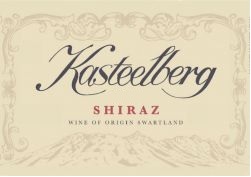
| Country: | South Africa |
| Region: | Riebeek Kasteel |
| Winery: | Riebeek Cellars |
| Grape Types: | Pinotage Shiraz |
| Vintage: | 2015 |
| Bottle Size: | 750 ml |
The Kasteelberg range of wines, celebrates the discovery of Riebeek and the Kasteelberg mountains in 1661. Kasteelberg stands sentinel over the fertile valley below. From the slopes of the mountains, hand-selected grapes are expertly crafted with care to produce rare and expressive wines. The Kasteelberg range truly is the pinnacle of our Winemaker's art.
Often referred to as Shiraz Country, the Riebeek Valley is renowned for exceptional Shiraz wines.
The Kasteelberg Shiraz is a lively rich wine, full bodied with a subdued smokiness on the nose and a pallet of ripe fruit and interesting spice.
Well-balanced and smooth, the aftertaste lingers with the exciting flavors of Christmas pudding.
Serve at room temperature. The perfect companion to barbequed lamb, fillet medallions and game. Lovely with Springbok stuffed with bacon, garlic and rosemary and a great match to a cheese and preserve platter.
Review:
"I'd expect to prefer the 2017 Shiraz to the 2018 bottling, but it's actually the reverse. Maybe Alecia Boshoff has just got more experience with the fruit from this Kasteelberg site. Sweet and spicy, with enticing incense and violet aromas, fine tannins, succulent red berry fruit and deftly integrated one-third new oak. 2021-26"
- Tim Atkin (South Africa 2020 Report), 92 pts
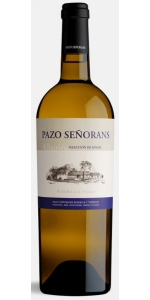
Pazo de Senorans Seleccion de Anada Albarino is made from 100 percent Albarino.
Straw yellow with greenish tints, vivid and brilliant. High intensity and very expressive. Profusion of aromas with traces of mineral. Great volume and ample body leaving a lasting impression from beginning to end.
Reviews:
The 2015 Albariño Selección de Añada is nothing short of phenomenal. For some reason, I hadn't tasted the young 2015 Albariño at the time it was released. It comes from the Los Bancales vineyard planted some 50 years ago and fermented with indigenous yeasts but without malolactic fermentation. It has a bright, almost fluorescent color and a complex, subtle and nuanced, elegant and expressive nose, with notes of sea shells and sea breeze, grass and white flowers. It's very clean, and the palate shows great balance and even feels a bit young. It has remarkable acidity and freshness (seven grams of tartaric acid) with good ripeness and 13% alcohol. This matured in tank with lees for over 30 months and was bottled in June 2024. It feels more serious and less exotic than earlier vintages. 18,000 bottles produced. This is the finest vintage that I can remember. Bravo!
-Wine Advocate 97 Points
Tech:
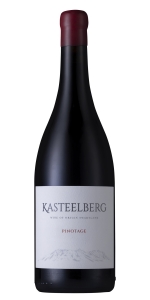
Kasteelberg Pinotage is made from 100 percent Pinotage.
The Kasteelberg range of wines, celebrates the discovery of Riebeek and the Kasteelberg mountains in 1661. Kasteelberg stands sentinal over the fertile valley below. From the slopes of the mountians, hand-selected grapes are expertly crafted with care to produce rare and expressive wines. The Kasteelberg range truly is the pinnacle of our Winemakers'art.
Harvested from an exceptional vineyard in the heart of the Swartland, the Kasteelberg Pinotage is characterised as a well-structured wine, offering layers of flavours and aromas. Seductive rich plum flavors with notes of captivating dark chocolate follows through in a smooth and lingering palate of intense flavors integrated with the freshness of ripened cherries.
Grapes used for this wine are coming from vines that are 10 years old in average. It is also sustainable farming used for this plot.
The grapes were cold-soaked for 3 days at 10°C to extract as much color as possible before fermentation. After cold-soaking, the temperature is increased to around 18°C and yeast is added to start fermentation. Regular pump-overs are done to enhance skin contact which improves the flavor and color profiles. Fermentation temperature between 22 - 26°C. Fermented dry on skins, pressed. After malolactic fermentation, wine is transferred to barrels. French oak barrels, 2nd, 3rd and 4th fill barrels for 12 months.The grapes were cold-soaked for 3 days at 10°C to extract as much color as possible before fermentation. After cold-soaking, the temperature is increased to around 18°C and yeast is added to start fermentation. Regular pump-overs are done to enhance skin contact which improves the flavor and color profiles. Fermentation temperature between 22 - 26°C. Fermented dry on skins, pressed. After malolactic fermentation, wine is transferred to barrels. French oak barrels, 2nd, 3rd and 4th fill barrels for 12 months.
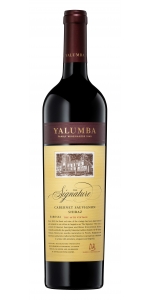
Yalumba The Signature Cabernet Sauvignon Shiraz is made from 54% Cabernet Sauvignon, 46% Shiraz.
Encompassing everything the Hill-Smith family stands for and the perfect representation of Yalumba’s history and ethos, The Signature is a sentimental favorite. A classic Australian blend of Cabernet Sauvignon and Shiraz, the first vintage release of The Signature was in 1962. Since then, this outstanding wine has acknowledged more than 57 Signatories; people who have enhanced the traditions and culture of Yalumba.
Seductive and alluring florals, cool mints, red pomegranate with fine blackberry fruits and dark cherry aromas. The palate is delightfully generous with dark red cherry fruit that merges into ironstone tannins. A medium to full bodied wine with a long, flowing tannin profile.
Review:
The 2018 The Signature Cabernet Sauvignon Shiraz (the 48th vintage) is named for Nick Waterman (managing director and CEO of Yalumba 2015 - 2022). The 2018 vintage in South Australia (and specifically here, Barossa) was an excellent one: ripe/warm, even and long and produced wines with density, energy and gravitas. This is exactly that: plush and powerful. The fruit forms a perfect dovetail: the enveloping, mouth-filling abundance of the Shiraz, neatly wedged into the folds of the structuring and shapely Cabernet. Very impressive. This is one of the more impressive Signatures in recent times. It will cellar with grace and ease.
-Robert Parker 96 Points
Since its first release in 1962, The Signature has been Yalumba's deep dive into the classic Australian blend from the Barossa and one that honors the people who have enhanced the traditions and culture of Yalumba. There is a resonance and depth to this release that I really like. Wonderfully pure and concentrated blackberry and plum fruits, layered with spice, dark chocolate, earth, cedar and oak nuance. Succulent and sinewy in the mouth, it flexes considerable muscle, yet remains purely fruited and approachable even at this stage of its evolution. Rich and balanced with fine, ripe tannin and plenty of energy for such depth of fruit. Lovely.
- Australian Wine Companion 96 Points
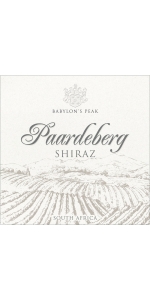
Babylons Peak Paardeberg Shiraz is made from 100 percent Shiraz.
Babylon's Peak winery, situated on the highest weathered granite slopes of the Paardeberg Mountain, is privately owned by the Basson family who has passed down the tradition, passion and art of winemaking over four generations. Predominantly low-yield dryland bushvines are selected to produce these excellent wines with distinctive character.
A classic Shiraz with dark fruit, violets and white pepper. An elegant wine with ripe tannins and a lingering aftertaste.
The grapes were harvested by hand. The grapes were destalked only, no crushing was done. Cold maceration was done before fermentation started in open fermenters. The grapes fermented between 24-26°C for 5-7 days, after which the wine was taken to barrels where it went through malolactic fermentation. After malolactic fermentation was completed, the wine spent 14 months in 225 litre French oak barrels until bottling.
Pairs with rich and creamy meat dishes eg. oxtail and venison.
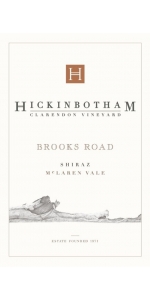
Hickinbotham Brooks Road Shiraz is made from 100 percent Shiraz.
After the hand-picked Shiraz clusters were delivered from high country (210-230 meters) by Viticulturer Michael Lane, the winemaker destemmed and sorted the whole berries into open fermenters. The cold soak was four days, the skins plunged three times daily, and the minimum time on skins was eighteen days. The wine was then basket pressed; its free run and pressings kept separate. To minimize filtration at bottling, three rack-and-returns were conducted over fifteen months as the wine seasoned in a mixture of Burgundy-coopered barrels.
This Shiraz shows the characters this vineyard has displayed since the start, but perhaps in a more elegant, harmonious and balanced form. Its consistency is comforting and reassuring, buttressed by blue and black fruit notes throughout. It is readily enjoyable but has all the structure, acid and tannin to offer decades of rewards from cellaring.
Review:
A rich, succulent mix of dark chocolate, spiced plum, wild blackberry and black licorice notes. Showcases both power and elegance, with chai, cigar box, violets and dried sage notes, velvety and generous, on the long, generous finish. Drink now through 2035. 1,900 cases made, 370 cases imported
-Wine Spectator 95 Points
The Kasteelberg range of wines, celebrates the discovery of Riebeek and the Kasteelberg mountains in 1661. Kasteelberg stands sentinel over the fertile valley below. From the slopes of the mountains, hand-selected grapes are expertly crafted with care to produce rare and expressive wines. The Kasteelberg range truly is the pinnacle of our Winemaker's art.
Often referred to as Shiraz Country, the Riebeek Valley is renowned for exceptional Shiraz wines.
The Kasteelberg Shiraz is a lively rich wine, full bodied with a subdued smokiness on the nose and a pallet of ripe fruit and interesting spice.
Well-balanced and smooth, the aftertaste lingers with the exciting flavors of Christmas pudding.
Serve at room temperature. The perfect companion to barbequed lamb, fillet medallions and game. Lovely with Springbok stuffed with bacon, garlic and rosemary and a great match to a cheese and preserve platter.
The Riebeek Cellars Estate
Riebeek Cellars was established in 1941 and is situated in Riebeek Kasteel at the foot of Bothma's Kloof Pass. This medium-sized winery on the western coast of the Cape Province of South Africa sources its grapes from the fertile Riebeek Valley and the slopes of the mountain where the climate is very similar to the Mediterranean. Through the years as vineyard practices developed, cultivars were planted in soil and at slopes best suited to them. These well-tended vineyards enable the production of high quality wines which makes Riebeek Cellars the choice of wine buyers internationally. Well-known both in South Africa and abroad, Riebeek Cellars manages a variety of brands for various countries.
Heritage
Corporal Pieter Cruythoff, a scout of Jan van Riebeeck, founded the Riebeek Valley in 1661. Impressed by the single standing mountain, he called it Kasteelberg (“Castle Mountain”) commemorating the Castle of Good Hope in Cape Town, the fortress of Commander Jan van Riebeeck. The twin towns, Riebeek Kasteel and Riebeek West, established at the foot of Kasteelberg, are therefore also suitably named after Van Riebeeck.
The Riebeek Valley is a mecca of wonderful wines, exceptional food and exquisite art where tourists and locals alike are forever tempted into spending more time than allowed. The serene valley falls in the bigger Swartland region which is called the 'bread basket' of South Africa for its grain production, while it is further internationally acclaimed for its high quality olive products. With various hotels and fine-dining restaurants as well as true country hospitality, the Riebeek Valley has become a very popular tourist destination. The ultimate charm of Riebeek is however in its people and their commitment and passion for wine.
"Located in the Western Cape region of South Africa, this winery was established in 1941, which makes it relatively old compared to all the new wineries that have sprung up in this area. Among the first Pinotages I can recommend, it’s also a good value. Pinotage, which is, of course, ubiquitous in South Africa, was first made in 1941, when the Cinsault grape (primarily grown in southern France and the Rhone Valley) was crossed with Pinot Noir." - Robert Parker's Wine Advocate (Issue 201, June 2012).
The Grade Cabernet Sauvignon Serpent's Back Napa Valley is made from 100 percent Cabernet Sauvignon.
Review:
The 2019 Cabernet Sauvignon Serpent's Back shows a more aromatic, high-toned side of this site. Bright red/purplish berry fruit, pomegranate, cinnamon and sweet floral accents are all laced together. The Serpent's Back is the most refined of these three Cabernets, but it has plenty of Calistoga punch.
-- Antonio Galloni 95 Points
Palacio de Fefinanes Albarino "III Ano" is made from 100 percent Albarino
The III Año shows all the expressiveness of the Albariño grape, with full nose of mature fruit and a mineral character. Complex and meaty with firm structure in the mouth, it promises a splendid evolution which will favor a long life for this elegant wine with personality.
Aged for 3 years on the lees in stainless steel tanks.
Wine is aged for a total of 6 months: 4 months in French and American Oak barrels. No new oak, only 1, 2 and 3 year old barriques. During these 4 months, wine is aged on the fine lees with frequent Batonnage (stirring of the lees) in order to get the most expressive notes from the Albarino varietal. Then, it is transfered into a stainless steel tank, which allows the oak aromas to be assimilated and integrated.
1583 is the birth date of the Viscount of Fefinanes, Gonzalo Sarmiento Valladares, builder of the Castle of Fefinanes, in Cambados. They wanted to pay tribute to their ancestor with this wine that managed to reach a perfect harmony between the fruitiness of the Albarino grape and the complexity brought by the oak aging.
Excellent with shellfish, grilled or stewed fish, white meats, poultry



