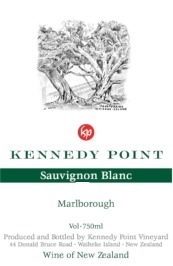
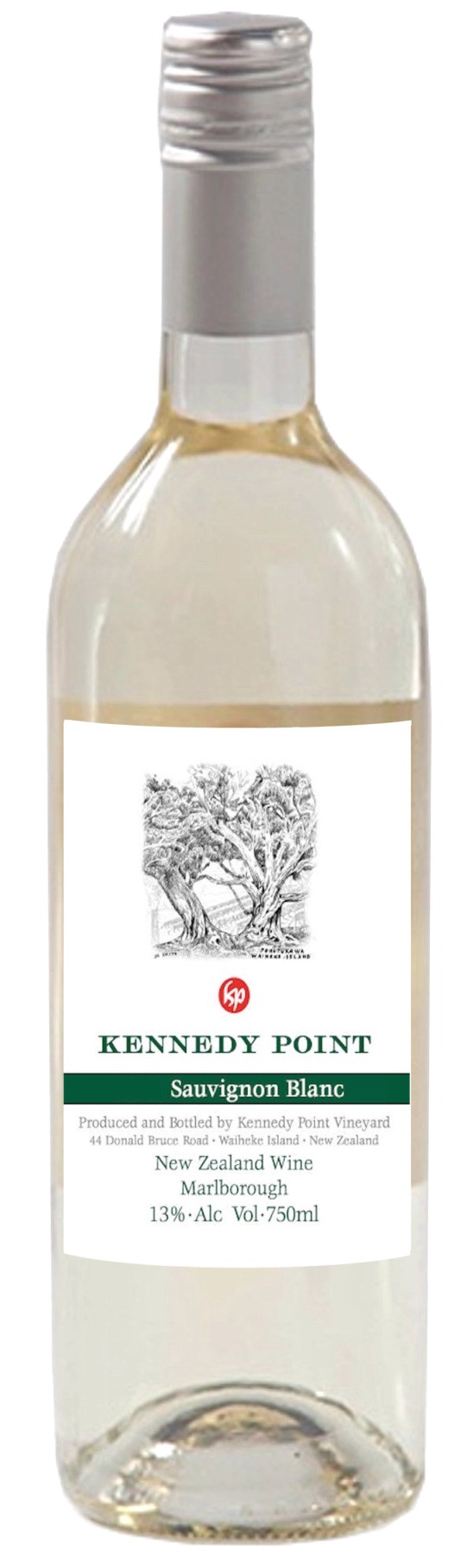
" We don't sell the wine without touching the vine "
| Country: | New Zealand |
| Region: | Malborough |
| Winery: | Kennedy Point Vineyard |
| Grape Type: | Sauvignon Blanc |
| Vintage: | 2017 |
| Bottle Size: | 750 ml |
Crown Point Estate Selection is made from 70% Cabernet Sauvignon, 10% Merlot, 10% Malbec, 5% Cabernet Franc, 5% Petit Verdot.
The 2017 Crown Point Estate Selection is an engaging wine with notes of red fruit, strawberries, and vibrant floral tones of violets in harmony with toasted coffee notes. On the palate, the wine displays a gentle sweetness married with fine grain tannins, a velvety texture providing a long finish.
Review:
There's a purity to the nose of this bottling that reveals deep, lush waves of boysenberry paste alongside a savory tone of charred beef. Polished tannins frame the sip, where ample amounts of rich black plum and blackberry are enhanced by caramel, coffee bean and mocha flavors, with acidity holding tight into the finish.
Wine Enthusiast 96 Point
Charles Krug Family Reserve Howell Mountain Cabernet Sauvignon is made from 100 percent Napa Cabernet Sauvignon.
Rising 1,650 feet above the Napa Valley floor on the southwestside of Howell Mountain, the Family Reserve Howell MountainCabernet Sauvignon sits above the fog line. The distinctiveclimate, along with volcanic and iron-rich red soils, producefruit with great balance and intensity.
Review:
The 2017 Cabernet Sauvignon Limited Release Cold Springs is the most distinctive of the wines in this range of limited-release Cabernets from Charles Krug. Gravel, licorice, menthol and spice all develop in a Howell Mountain Cabernet endowed with tremendous class and nuance.
-Vinous 92 Points
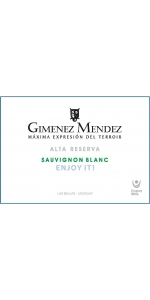
Gimenez Mendez Alta Reserva Sauvignon Blanc is made from 100 percent Sauvignon Blanc.
Gimenez Mendez Sauvignon Blanc shows a very pale hue, almost crystal clear in color. Intense and herbal bouquet in harmony with fruity notes of guava and green apple, mango and maracuja. The wine is full and ample on the palate with a very firm structure. Dry, crisp and lively in the mouth.
Sauvignon blanc grapes are hand harvested very early during some mornings of February. Banches are destemmed and delicately crushed. With a quick press, fresh and very aromatic juice are obtained. Juice is fermented in stainless steel tanks during 15 days at controlled low temperatures, between 14 to 16 °C .Once fermentation is finished lees are kept and stirred for 1 month to get a creamy texture. Then a carefully clarification is necessary. The wine is filtered and stabilized without cold, and finally bottled to keep the freshness. No oak.
Ideal to serve with very spicy seafood, sushi or salads, as well as white meats with sweet-sour sauces, paté. Serve chilled.
Review:
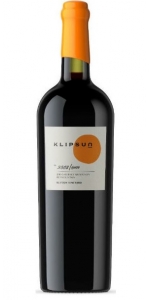
Klipsun Cabernet Sauvignon Red Mountain is made from 84% Cabernet Sauvignon, 4% Merlot, 4% Malbec and 8% Syrah.
The 2017 vintage started out with a cool, wet winter, with significantly above average snowfall in eastern Washington. Red Mountain had a 24% increase in rainfall in 2017 over the 10 year average. Going into spring, the cool trend continued. As a result, bud break at Klipsun was behind the historical average and significantly behind the most recent warm vintages of 2013 2016. Bloom was also slightly delayed. Because of the cool weather, set was lighter than usual which translated into significantly less fruit in 2017.
The early part of the summer saw average temperatures followed by above average temperatures in July and August. As a result, he at accumulation was a bit above average for the season, despite the cool start. And because of the smaller than normal yield, harvest began right on schedule, perhaps even a bit early for some of the whites. In the second half of September, when Klipsun traditionally harvests all the reds, the temperatures cooled considerably, which delayed ripening. This allowed for luxurious amounts of hang time without the threat of increased sugar accumulation, stretching harvest into the first week of October. A s a result, all fruit going into the 2017 Klipsun Cabernet Sauvignon could be picked at perfect sugars levels with great fruit maturity and flavors. Overall, the quality of t he 2017 harvest is as high as the 2016. However, the style is slightly different. The 2017 wine has a firmer structure, more spice & mocha in the nose and will take a few mo re years than the 2016 to reach a perfect balance between fruit and tannin.
Review:
The 2017 Cabernet Sauvignon Red Mountain is composed of 84% Cabernet Sauvignon, 4% Merlot, 4% Malbec and 8% Syrah, which immediately emanates with aromas of dark roasted espresso bean, toasted oak, dried tobacco and dusty black fruit tones of cassis, currant and blackberries covered in dark cocoa powder. Full-bodied, generous in complexity and still tight in the mouth, the wine unpacks layers of cedar and vanilla tones with dusty purple flowers and bitter dark chocolate across the mid-palate, giving way to fine-grained tannins that will loosen with time. As the wine sits on the palate, the 100% French oak regimen is on full display for all to see. The wine lingering long and continues to evolve in the mouth, ending with a drying finish that highlights the oak and terroir. It’s still a baby, and I would keep it in the cellar for another few years before popping the cork—this will effortlessly coast for more than a decade. The 2017 vintage marks the second release of this wine, with 6,300 bottles produced. It comes from its namesake vineyard, first planted in 1984 on Red Mountain. I’m keeping my eye on this producer. I’m impressed, and even though the oak may be a bit much at the moment, it's still delicious. - Wine Advocate 94+ Points
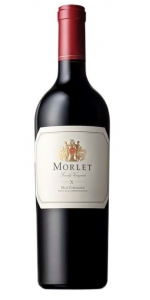
Morlet Family Vineyards Mon Chevalier Cabernet Sauvignon is made from 94% Cabernet Sauvignon 6% Cabernet Franc .
Located on the hillsides of Knights Valley, near Calistoga, this vineyard benefits from its proximity to Mount St. Helena, whose warm and windy climate is ideal for the long ripening of the Bordeaux red varietals. Handcrafted by using classical winemaking techniques, this special wine is dedicated to our son, Paul Morlet.
Dark red with a hue of purple. Intense and complex bouquet of red, black and blue berries intermixed with notes of blueberries, minerals (graphite, wet river rocks) licorice, fresh blond tobacco and a hint of lavender. Full bodied, the palate is reminiscent of the nose, with a richly tannic yet round frame and a great intensity. The hillside tannins and the classical aromatic complexity create a harmonious ensemble, leading to a very long and elegant finish. Built to age for decades, this collectible wine opens up after a few years of cellaring and is particularly representative of this special vineyard from the hillside of Knights Valley. Mon Chevalier features the interaction of the loamy, well drained and rocky volcanic soil, the typical sunny mountain climate and the low-interventionistic Morlet winemaking approach.
Propietary Name Mon Chevalier
Name Meaning My Knight Named after our son, Paul Morlet
Type of wine Vineyard designated
Appellation Knights Valley
Vineyard singularity Morlet Family Estate Hillside 1100-1200 feet elevation Rhyolitic, loam & volcanic ash
Typical harvest date End of October
Picking Manual, small lugs, refer truck
Sorting Cluster by cluster, berry per berry
Fermentation Through native yeast Tank and Puncheons
Upbringing 16 months French oak from artisan coopers
Bottling Unfiltered
Cellaring time Decades
Serving Room temperature
Decanting recommended
Review:
The 2017 'Mon Chevalier' is rich, deep and unctuous, with all the character that makes wines from this site so exciting. Graphite, inky blue/purplish fruit, spice and lavender infuse the 2017 with tremendous complexity. In the glass, the 2017 is savory, rich and expansive, not to mention hugely appealing.
-Vinous 96 Points
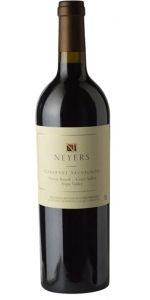
Neyers Cabernet Sauvignon Neyers Ranch is made from 100 percent Cabernet Sauvignon.
"We harvested the 2017 Cabernet Sauvignon crop from our Conn Valley Ranch in the first week of October, a week later than we picked the same vineyard the prior year. The size of the crop was about 20% smaller in 2017 as well, mostly due to the cold, wet weather we experienced in spring during flowering. Grapevines are self-pollinating, and cold, windy or damp weather interferes with this process, a problem known the French call coulure. Ironically, the harsh spring weather of 2017 had a huge impact on the size of our crop. Still, this smaller crop ripened fully and evenly, and at harvest time we picked beautiful, dark-colored clusters under near-perfect conditions. The finished wine was immediately remarkable for its flavor and complexity, and the wine looks to be one that will improve for many years. During my career in the Napa Valley wine business, I’ve learned to expect the best wines from cold years like 2017. These are vintages that are viewed initially with lowered expectations, but my experience has been just the opposite. Going back to my first Napa Valley harvest in 1971, these ‘colder years’ invariably result in wines with brighter, more attractive flavors, and the wines age longer and more gracefully.
Following harvest, the wine was fermented using wild, native yeast in an temperature-controlled stainless steel tank. After 45 days or so, the tank was drained and the pomace pressed, and the wine transferred to 60-gallon French oak barrels, 25% of them new. During the first year, we racked the wine off of the yeast lees three times, and by May 2019 it had been sufficiently clarified to bottle without fining or filtration. I am especially impressed by its bright ruby hue, a color so commanding it reminded me of the 1995 red Bordeaux wines I tasted from barrel during my trip to France in the Spring of 1996. It’s loaded with flavors that range from wild cherry to chocolate, enhanced by the lovely hint of tobacco leaf and mint. Each aromatic component has its own individual fascination, but all of them together provide a remarkable experience. Here’s a complete Napa Valley Cabernet Sauvignon that we expect it to improve for 20 years. It's a from a very small crop that will provide decades of pleasure." - Bruce Neyers
Review:
Attractive aromas of blueberries and lavender follow through to a medium body, firm and silky tannins and a slightly chewy finish. Needs a couple of years to soften. Better after 2022.
-James Suckling 93 Points
Kennedy Point Sauvignon Blanc is made from 100 percent Sauvignon Blanc.
Kennedy Point Vineyard makes a Marlborough Sauvignon Blanc that captures the essence of the regional fruit. The grapes, grown in the hot, stony soils of the Wairau, produce a wine redolent of fresh cut wild flowers and a full palate of passion fruit, gooseberry and citrus. The wine has a crisp dry finish and is perfect as an aperitif, with seafood or any light summer meal.
The Kennedy Point Estate
Susan McCarthy and Neal Kunimura moved from Hawaii to Waiheke Island with only the passion and determination to grow and produce quality Red Bordeaux style and Syrah wines. Sauvignon Blanc grapes grown in Marlborough were added to their selection of fine wine in 2000. Kennedy Point Vineyard, named for the Kennedy family who settled this area of Waiheke in the late 1800's, and still have an ancestral home on the Island today, was established in 1996 and their first harvest was in 1999. They are now Certified Organic.
The Kennedy Point Vineyard
The vineyard is planted on 2.5 acres. The beautiful site on the southeastern side of Waiheke Island in the Hauraki Gulf provides a steep north-facing slope for optimum ripening of the grapes. Their philosophy of following natural viticulture methods allow them to work with premium quality grapes and use a little interventions as possible in the wine making process.
The wine produced on this property reflects the essence of the land, and supports our belief that great wine is grown in the vineyard.
Organic viticulture aims to sustain and enhance the fertility and life- supporting ability of the soil by not using chemical fertilizers and sprays. The health of the land for the long range production of quality wine and olive oil is the goal of our organic process.
Kennedy Point is fully certified by Organic Farms N.Z. as of August 2010, an organic certification program designed for small producers; it follows the strict BioGro International Standards. It was established in response to the growing cost of organic certification and the global movement towards using locally produced organic products. Our wines are fermented with wild yeast which enhances the complexity and unique qualities of each wine, which reflects the terroir of the vineyard.
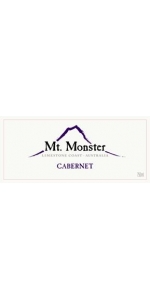
Mt Monster Cabernet Sauvignon is 100 percent Cabernet
Winemaking: Our Cabernet is fermeneted in static fermenters at controlled temperatures to retain the varietal aromatics. Once complete the wine is left for 7-1- days on skins to aide in the extraction of soft fleshy tannins and build wine structure. French and American oak has been used sparingly to ensure maximum fruit expression is retained in the final wine.
Tasting notes: Deep purple in colour. Classic aromas of lifted blackcurrant, blackberry and mint on the nose. Flavours follow through of sweet berry-fruit accented by fresh muddled mint. Elegant, structured palate with big velvety tannins.
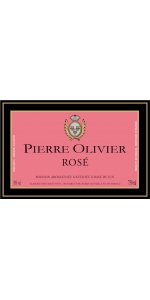
Pierre Olivier Sparkling Rose NV is a value sparkling rosé, made with Tempranillo grapes from around the French/Spanish border (next to the Pyrenees). This is a new Kysela Project.
This wine is aromatized with a very little amount of Raspberry flavor, giving a nice mouthfeel, with an extra aromatic boost.
The bubbles are obtained using the Charmat method, named after Eugene Charmat, where the second fermentation takes places in a large, closed pressurized tank. It is different from the Methode Champanoise as the secondary fermentation doesn't take place in the bottle.
"Pale pink salmon. Just a touch off-dry, this is a very pleasant sparkler that reveals aromas of spicy red apple with a hint of cinnamon that carry through to the palate. Well made and exceedingly pleasant to drink."
- International Wine Review (Annual Rosé Report / April 2013), 89 pts
Lingua Franca The Plow Pinot Noir is made from 100 percent Pinot Noir.
A large proportion of fruit from some of our finest sites, 48% coming from Blocks 1 - 3, planted with PN777 clone. Another 44% is sourced from two blocks of the bold PN 115. The elegant and nuanced PN777 Pinot Noir grown on Gelderman-Jory soils creates the top notes of mineral, rose petal and savory elements while the PN115 provides the fruit, body and weight of the wine.
Loin of lamb, Filet Mignon, veal chop, veal scallopini, pasta with Bolognese sauce, charcuterie, hard cheeses, hamburger, Viennese boiled beef (Tafelspitz), Wienerschnitzel, Kalbi, Bulgogi. Teriyaki, Vietnamese shaking beef, Chinese broccoli beef or Feast of the Immortals? Experimentation is welcome!
Review:
The 2022 Pinot Noir Estate saw 20% whole clusters and 20% new oak. A representation of the vineyard, the blend can vary from year to year. The 2022 is a ripe ruby color and opens to notes of spice and ripe raspberries. Medium-bodied, it’s a great appellation wine, with ripe tannins and a great finish. Drink 2024-2036. A few thousand cases were produced.
-Jeb Dunnuck 94 Points
Hugl Gruner Veltliner (liter) is 100% Grüner Veltliner
This is an intense and concentrated wine offering pleasant citrus and grapefruit aromas, exotic tropical fruits with a hint of freshly ground white pepper. Full-bodied dry wine with a firm mineral backbone.
A firm mineral backbone, gives it the strength of character to work well with many cuisines.