" We don't sell the wine without touching the vine "
-150x300.jpg "Lexicon Cabernet Sauvignon Napa Valley 2021")
Lexicon Cabernet Sauvignon Napa Valley is made from 100 percent Cabernet Sauvignon.
Lexicon varietal wines are carefully selected by Fran Kysela to show the essence of each variety, along with its terroir of origin, both of which are essential elements of a good wine.
Lexicon Cabernet Sauvignon offers rich and concentrated fruit aromas of red and black currant, cassis and black cherry along with black pepper and dried herb accents. It is soft and generous in the mouth, intense and complex, with supple tannins and elegant structure.
Pair with: Grilled meat, ribeye steak, filet mignon, roasted lamb with fresh herbs, cheesburger, semi-hard cheeses, truffled brie, portobello mushrooms.
-150x300.jpg "Lexicon Merlot 2019")
Lexicon Merlot is made from 100 percent Merlot.
Lexicon varietal wines are carefully selected by Fran Kysela to show the essence of each variety, along with its terroir of origin, both of which are essential elements of a good wine.
Lexicon Sauvignon Blanc is made from 100% Sauvignon Blanc
Lexicon varietal wines are carefully selected by Fran Kysela to show the essence of each variety, along with its terroir of origin, both of which are essential elements of a good wine.
Sauvignon Blanc, historically known for the great white wines of Bordeaux and Sancerre, is gaining popularity in New Zealand. Lexicon Sauvignon Blanc was produced from grapes grown in the renowned Marlborough region, on the northern end of the island. Marlborough is recognized for growing outstanding Sauvignon Blanc with mouthwatering fresh acidity, balanced by intense tropical fruit notes.
Tropical, zesty & citrusy. Hints of guava, passion fruit & gooseberries.
Long Shadows Pedestal Merlot is made from 82% Merlot, 14% Cabernet Sauvignon, and 4% Malbec.
Michel Rolland, Pomerol vintner and consultant to many of the world's top wineries, teamed with Washington State wine visionary Allen Shoup to produce this limited release wine.
With its intense color and inviting aromas of dark berries, licorice, baking spice and a hint of smoke, the Pedestal is a bold wine that leaves a lasting impression. Dark fruit flavors integrated with sweetness from the barrel and richness from the tannins come together seamlessly, lingering across a structured mid-palate and lengthy finish.
Winemaking: Hand-harvested grapes were double-sorted to remove green material that might impart harsh tannins, then most of the lots were cold soaked to build richness and flavor before undergoing whole-berry fermentation in 55L upright French wood tanks. This, combined with gentle pump-overs throughout fermentation, enhanced the wine’s color, texture and mouthfeel. The finished wine was aged 22 months in 85% new French oak barrels.
Review:
Vinous 96 Points
"The 2016 Pedestal Merlot has a precise nose of dusty plum, red flowers and soft oak tones with an elegant aroma of pencil lead fluttering about. The medium to full-bodied palate is clean and correct, with plush dark red fruit, dusty tannins, purple flowers and soft oak spices of vanilla, cardamom and nutmeg. The wine ends with a long, thoughtful, well-balanced finish that delivers complexity and pleasure simultaneously. Michel Rolland made this beauty of a bottle. - Anthony Mueller"
- Robert Parker's Wine Advocate (Issue #246, December 2019), 94 pts
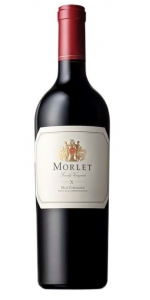
Morlet Family Vineyards Mon Chevalier Cabernet Sauvignon is made from Cabernet Sauvignon (86%) Cabernet Franc (8%) Merlot (3%) Malbec (2%) Petit Verdot (1%) .
Located on the hillsides of Knights Valley, near Calistoga, this vineyard benefits from its proximity to Mount St. Helena, whose warm and windy climate is ideal for the long ripening of the Bordeaux red varietals. Handcrafted by using classical winemaking techniques, this special wine is dedicated to our son, Paul Morlet.
Dark red with a hue of purple. Intense and complex bouquet of red, black and blue berries intermixed with notes of blueberries, minerals (graphite, wet river rocks) licorice, fresh blond tobacco and a hint of lavender. Full bodied, the palate is reminiscent of the nose, with a richly tannic yet round frame and a great intensity. The hillside tannins and the classical aromatic complexity create a harmonious ensemble, leading to a very long and elegant finish. Built to age for decades, this collectible wine opens up after a few years of cellaring and is particularly representative of this special vineyard from the hillside of Knights Valley. Mon Chevalier features the interaction of the loamy, well drained and rocky volcanic soil, the typical sunny mountain climate and the low-interventionistic Morlet winemaking approach.
Property Name: Mon Chevalier
Name Meaning My Knight Named after our son, Paul Morlet
Type of wine Vineyard designated
Appellation Knights Valley
Vineyard singularity Morlet Family Estate Hillside 1100-1200 feet elevation Rhyolitic, loam & volcanic ash
Typical harvest date End of October
Picking Manual, small lugs, refer truck
Sorting Cluster by cluster, berry per berry
Fermentation Through native yeast Tank and Puncheons
Upbringing 16 months French oak from artisan coopers
Bottling Unfiltered
Cellaring time Decades
Serving Room temperature
Decanting recommended
Review:
The 2018 Cabernet Sauvignon Mon Chevalier comes from the Knights Valley, just north of Napa Valley in the larger Sonoma County, and it always seems to me to have one foot in Napa and one foot in Sonoma. Boasting a similar ruby/purple color (as do all of the releases here), it’s slightly more reserved and stately (knightly, if you will), with building aromas and flavors of blackcurrants, toasted bread, dried violets, baking spices, and loamy earth. These carry to a pure, full-bodied, multi-dimensional Cabernet that’s flawlessly balanced, has ripe yet certainly present tannins, a notable sense of minerality, and a great, great finish. It’s just another incredible wine from Luc Morlet that can be drunk today with ample pleasure or cellared for 20-30 years if, for some reason, you feel the need to delay gratification.
-Jeb Dunnuck 99 Points
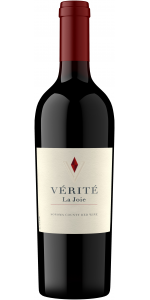
Verite La Joie Red is made from 76% Cabernet Sauvignon, 9% Merlot, 7% Cabernet Franc,5% Petit Verdot, 3% Malbec.
The 2018 La Joie displays a brilliant violet core with a thin rim of bright ruby. Generous fruit-for- ward aromas of ripe black currant and black cherry are followed by earthy notes of fresh conifer, dried mushroom, black olive, dusty clay, anise and clove. The palate is rich and structured; possessing similar flavors of the nose, refined tannins, well-balanced acidity and a complex, luscious finish.
Review:
Blackberries, black mushrooms, violets, flowers, and dark tobacco. Black truffle, too. Full-bodied, yet in check and pretty. The fine tannins frame the wine perfectly. Really long and focused. Seamless. Elegance with power. This will age incredibly well, but already so gorgeous to try. 76% cabernet sauvignon, 9% merlot, 7% cabernet franc, 5% petit verdot and 3% malbec. Try after 2026, but attractive now.
-James Suckling 99 Points
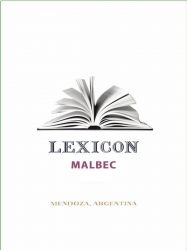
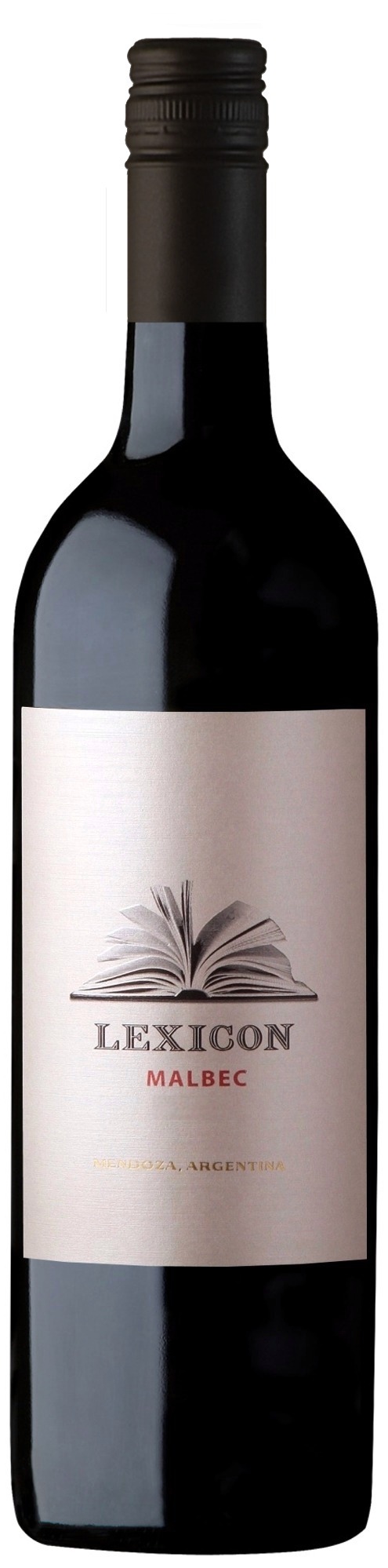
Lexicon Malbec is made from 100 percent Malbec.
Classic Malbec aromas of blackberry, cherry and chocolate lift from opaque juice. The juice is heavy with soft tannin and high acidity allowing for a layered and structure mouth-feel. Dark berry and cherry flavors converge on the slightly peppered finish.
The Lexicon line of varietal wines has been carefully selected by Fran Kysela MS to show the essence of each variety, along with its terroir of origin, both of which are essential elements of a really good wine.
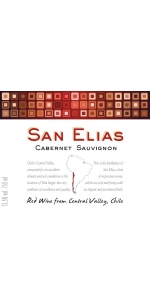
Siegel San Elias Cabernet Sauvignon is made from 100 percent Cabernet Sauvignon.
Fresh and delicate cassis tones, a great structure. Draw the cork half an hour before serving and serve at room temperature.
Smooth and fruity on the palate, the wine goes well with pasta, salads.
Sale price good on website only and wine must be shipped to your home.
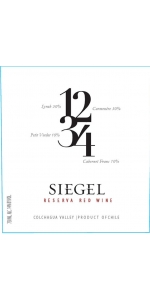
Siegel Reserve Red Blend 1234 is made from 50% Syrah, 30% Carmenère, 10% Cabernet Franc and 10% Petit Verdot.
Deep ruby color. Intense aromas of black fruits, white pepper, spices and a hint of clove. The blend of four varieties gives a complex, deep wine with juicy tannins, good volume and very balanced.
Pre-fermenting cold maceration for five days, alcoholic fermentation at 26-28 C to obtain color and structure. Post fermentation maceration of two to three weeks according wine tasting and then the wine is separated from the skins. The wine ends its malolactic fermentation in tank. Harvest: by hand (30 day harvest window)
Paella, Confit de Canard (duck confit) and pastas.
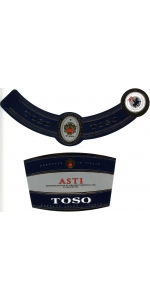
Toso Asti Spumante is made with 100 percent Moscato d' Asti
Sweet, aromatic, fruity and floral sparkling wine, moderate in alcohol, with fine sparkle and long lasting perlage. Of yellow straw color, it is a fine and elegant wine, ideal to celebrate every joyful event.
Toso Asti Spumante is made from Moscato grapes grown on hills in the South of Piedmont An early picking insures a higher acidity and a more floral bouquet. The grapes are crushed immediately to avoid any oxidation which might detract from the wine's aromas. The grapes are gently crushed and the juice is settled, centrifuged and filtered. The purified musts are placed in stainless steel tanks and held at near freezing temperatures which blocks completely any fermentation. This enables the producers to draw batches of fresh must whenever they decide to bottle. The batch of must is then inoculated with special yeast and fermented in an autoclave to retain the naturally produced carbon dioxide. The fermentation is stopped by a rapid chilling when the wine reaches the desired ratio of alcohol (standardly 7%) to residual sugar ( 3-5% ). The wine is then filtered, bottled and, at Toso, immediately shipped to ensure the freshest product possible.
Fresh, a floral bouquet, a sweet, fruity taste, Excellent as aperitif, best enjoyed with fruit, dried pastries and desserts in general.
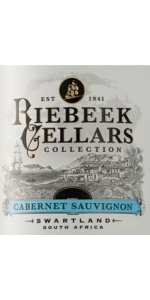
Riebeek Cabernet Sauvignon is made from 85% Cabernet Sauvignon,15 % Shiraz.
An exciting new world style wine with upfront blackcurrant flavors. The black fruit is well-balanced with subtle French oak for a complex nose and an elegant and lingering follow-through. An exceptional example of a lighter style Cabernet Sauvignon that can be enjoyed young. Excellent with red meat dishes or veal.
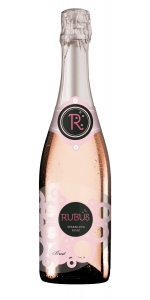
Rubus Brut Rose is made from 60% Tempranillo, 40% Bobal.
The Rubus Project was created by Fran Kysela as a way to source & sell incredible wines at value prices. All wines in this international project are hand-selected by Fran Kysela. Rubus wines are fruit driven, true-to-type values that over deliver - a true representation of quality for the consumer at an excellent price.
Stunning salmon-pink hues. The nose is intense and fine, dominated by notes of red berries. On the palate, the combination of fine bubbles and delicate aromas produces a delightfully light and silky rosé.
Machine harvest. The base wine is fermented at a low temperature. The second fermentation takes place at 14°C for 2 weeks, followed by dosing.
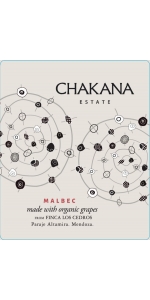
Finca los Cedros Single Vineyard Malbec is made from 100 percent Malbec.
Single vineyard wine from the Finca los Cedros vineyard in Paraje Altamira (3,600 ft. elevation). Planted in high density (8,000 plants per hectare) on calcareous gravel soils, this Malbec has a fresh & easy-drinking style with a mineral character.
Intense purple color. Plum, brambly berries, spices and an iris/violet note are apparent on the nose. Intense, fruity flavors with velvety tannins.
Fermentation with indigenous yeasts. Aged 12 months in oak barrels and concrete vats.
Excellent with roasted meats, duck, salad, pasta, pizza.

All older vintage wines have been purchased from a single collectors cellar. Pictures can be requested before shipment.
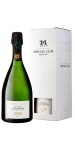
Roland Champion Champagne Special Club Grand Cru is made from Chardonnay.
The 'Special Club' designation is one of the most prestigious in Champagne, reserved exclusively for the finest vintages from member growers of the Club Trésors de Champagne. Each Special Club wine undergoes rigorous peer tasting and must meet exceptional quality standards before receiving the coveted Special Club label.
Roland Champion's Grand Cru Special Club comes from the finest Chardonnay parcels in the Côte des Blancs. Generous aromas of sun-ripened green apple, peach, nougat, and white chocolate layered with fresh lemon and grilled citrus. On the palate, rich and creamy with lively, fine-beaded mousse. Bright notes of grapefruit, lime, and toasted nuts lead to a long, round finish accented by toasted brioche, white flowers, and pronounced chalky minerality. Elegant and structured with excellent aging potential.
A collector's Champagne, perfect for special celebrations or paired with fine cuisine such as lobster, truffle dishes, or aged Comté cheese.