
" We don't sell the wine without touching the vine "
| BUY MORE! SAVE MORE! | ||||||||||||||||
|
| Country: | Portugal |
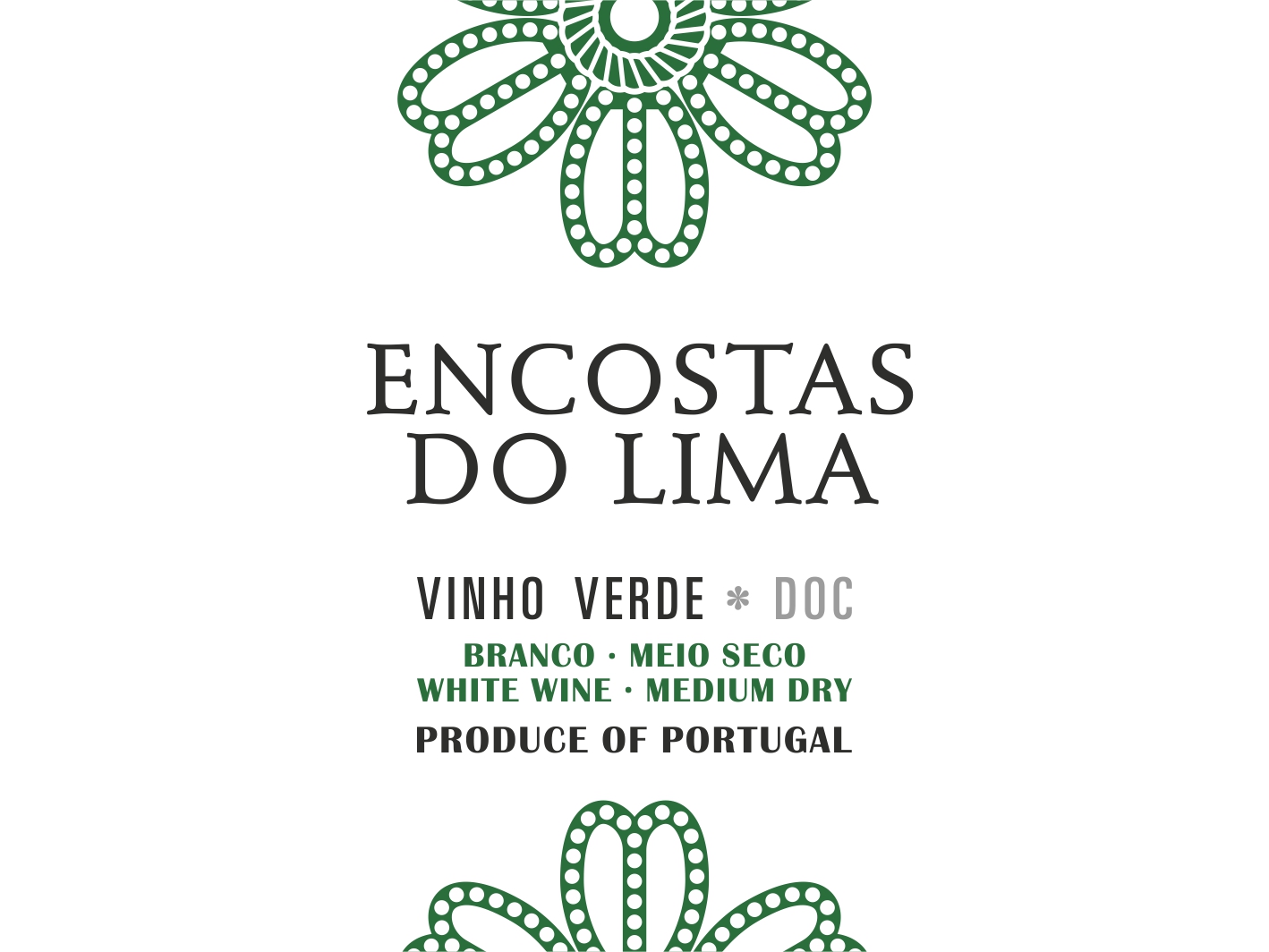
| Winery: | Encostas do Lima |
| Grape Type: | Lourerio |
| Vintage: | NV |
| Bottle Size: | 750 ml |
Lima Adega Vinho Verde is made from 80% Loureiro and 20% Trajadura
All Vinho Verde (or green wines – meaning young, not green in flavor) are the best in the first 18 months. The wine is fresh, crisp, lively with a touch of spritz. It has some very interesting aromas of stone fruit and lime.
Portuguese Vinho Verde with a screwcap!
Loureiro: Loureiro is a white vine variety grown in the northern region of Portugal that produces an aromatic bay leaf scent. The pale-skinned variety is used to make the Vinho Verde white wine that of the Minho region.Traditionally, Vinho Verde wines include Trajadura and Pederna, but varietal Loureiro wines are becoming increasingly popular. The Loureiro variety is also grown in smaller batches in Galicia, which sits to the north of border of Spain. Loureiro variety grapes are high in acid and is sometimes called "Branco", "Marques", or "Redondo". In this region, the variety is used to create the Rias Baixas white wine, and is typically blended with the variety, Albarino. The wine works perfectly with fish, grilled good, sushi, shellfish, salads or fruits. The wine also pairs nicely with clams and white wine or fresh spring rolls. The variety is high in acidity and is typically bottled with a shot of carbon dioxide to maintain the quality of the wine and to give it a nice, bubbly texture. The taste of the wine includes aromas of citrus, tropical fruits and a mineral tone, and also has hints of floral aromas.
Trajadura: Trajadura is a white grape varietal also known as Treixadura. Trajadura originates from Portugal, particularly the Northern region. Trajadura is most famously used in Portugal's Vinho Verde wine, but Trajadura is also utilized in blends to add fullness and brisk citrus flavor. The low acid content in Trajadura, combined with a higher alcohol content make it an ideal and rare blending component in this particular climate region. When Trajadura is blended with Loureiro and Albarino it is the perfect balance for Vinho Verde. In Spain, Trajadura is called Treixadura and is most commonly found n Rias Baixas and Ribeiro. Spain also takes advantage of the blending characteristics while combining with Albarino, Abillo, Lado, Macabeo, Godello, and Torrontes. The Trajadura vines are recognized by average sized bunches that are dense with moderately sized berries. Trajadura ripens early, so to keep the acidity, it must be harvested rather early. The flavor profile for Trajadura will consist of apricot, peach, apple, lemon, and pear.
With low alcohol, it is best as an aperitif or with seafood. Definitely a summer drink.
The Encostas do Lima Estate
Encostas do Lima is produced at Adega Cooperativa de Ponte de Lima, a beautiful small town with a Roman bridge and medieval towers.
The Encostas do Lima Vineyard
Vinho Verde country is located in northeastern Portugal and is the largest demarcated wine region in Portugal (61,750 acres in size). The six official sub-regions are: Moncão (Alvarinho country), Lima (our wine), Braza, Basto, Peñafiel and Amarante. The maximum yield is 5.45 tons/acre (80 hectoliters/hectare). Soils are poor with an underlying granite base. Grapes used in the production of Vinho Verde are: Alvarinho, Rabigato, Loureiro, Batoca, Trajadura, Avesso, Pederña, Azal.
Matthews Cabernet Sauvignon Columbia Valley is made from 76% Cabernet Sauvignon, 15%Merlot, 6% Cabernet Franc, 2% Petit Verdot, 1% Malbec.
The 2021 Columbia Valley Cabernet Sauvignon is deep ruby in the glass with purple hues. The rich bouquet of spiced black plum and cocoa nib are balanced with aromas of fresh earth and crushed flint. Intense and opulent flavors of ripe blackberry, cedar, mocha, and black currant coat the broad and balanced palate and the ripe tannin creates a perfect frame for the lush fruit expression. Cherry cordial and cola linger on the long, quenching finish.
Review:
A wonderfully balanced Cabernet with tremendous purity of fruit and a brilliant freshness. A blend of sites across the Columbia Valley focused on the Horse Heaven Hills, Red Mountain and Royal Slope. Smoky violet notes and crushed stone follow graphite minerality and dusty berries. The palate is delightfully distinguished. Cabernet and savoury herbs mingle with red berries, black brambles, and a brilliant mineral tone.
-Decanter 94 Points
Coming out strong out of the gate, the 2021 ‘Columbia Valley’ Cabernet Sauvignon is nearly all varietal. Dark chocolate shavings, baking spices and anise come together on the nose. The palate is beautifully balanced with a seamless texture and great sense of weight, with heady roasted date and black currant flavors. Generous and rich, this is a gorgeous showing from 2021. This is a serious value to purchase by the case.
- Owen Bargreen 94 Points
Precise and expressive, with handsome flavors of blackberry, bay leaf and espresso that build richness and structure toward refined tannins.
-Wine Spectator 93 Points
The 2021 Cabernet Sauvignon Columbia Valley is spicy, showing off a gentle peppery tinge and dusty rose tones that give way to dried black cherries. This is wonderfully crisp and refined, with silky textures and depths of dark red fruit propelled by juicy acidity. It tapers off long and structured, yet the tannins are quite sweet. The 2021 finishes with a pleasant crunch and a lingering licorice tinge.
-Vinous 93 Points
The 2021 Cabernet Sauvignon is based on 76% Cabernet Sauvignon, 15% Merlot, 6% Cabernet Franc, 2% Petit Verdot, and 1% Malbec. A rocking wine offering ample red and black plum-like fruit, chocolate, tobacco, and subtle violet-like aromas and flavors, I t's full-bodied and has a terrific mid-palate, velvety tannins, and a great finish.
-Jeb Dunnuck 93 Points
Tinel Blondelet Pouilly-Fume Genetin is made from 100 percent Sauvignon Blanc.
The soil is made of "caillottes" (limestone stones).
"Genetin" is a name given in homage to the original name for Sauvignon Blanc: Muscat Genetin. The Genetin bottling is normally reserved for the most powerful Cuvées in the winery. No oak.
Produced from 25 year-old vines coming from the Villiers limestone terroir, situated in Bouchot.
Traditional vinification in thermo-regulated stainless steel tanks. Following a gentle pressing the juice is then fermented at controlled temperatures before being left to mature on its fine lees to gain extra depth and concentration before bottling in the next spring.
Matured on fine lees bringing finesse to the wine and bottled late in order to let all its roundness evolve.
Yield: 55 hl/ha
A golden colored and mineral wine with elegance and finesse. Can be cellared for 2-3 years.
A mineral-laced smoky accent and citrus aromas. Elegant and powerful on the palate.
Food pairing: shellfish, goat cheese such as “Crottin de Chavignol”. Perfect also as an aperitif.
Review:
- Wine & Spirits (Regional Tasting Report, Spring 2022), 91 pts
Burgo Viejo Rioja Reserva is made from 85% Tempranillo, 10% Garnacha & 5% Carignan.
Burgo Viejo Rioja Reserva presents with red ruby color; black pepper and vanilla flavors and some mature black fruit taste too. Well-balanced, well-structured and elegant in mouth displaying some splendid taste of fruit and bouquet too.
Burgo Viejo Reserva Wine vinification has occurred blending different grape varieties to produce an aged wine that will surely keep maturity and fullness from the vineyard until the very moment of uncorking.
VINIFICATION: Alcoholic fermentation in stainless steel vats at controlled temperature; aged in American and French oak barrels -50% each- for 18 months.
Enjoy it with red meat and game.
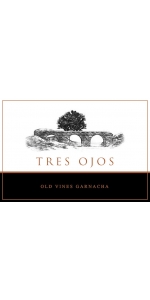
Tres Ojos Garnacha Calatayud is made from 100 percent 85% Old Vine Garnacha (40-50 year old vines) and 15% Tempranillo.
The wine has a brick red color with a bouquet of red raspberries, spice and white pepper. The palate is incredibly concentrated and rich. The modern styles of Garnacha in Spain are continuously being perceived worldwide as wines of extraordinarily good quality. This wine is fruity, juicy and shows a great depth, ripe tannins, length but yet with wonderful elegance and lightness.
The wine ferments for 7 days at 30ºC, followed by 14 days maceration on the skins. Aged 12 months in large stainless steel vats. Cold stabilized and lightly filtered before bottling
Enjoy with sausages, roasted meats, aged cheeses etc.
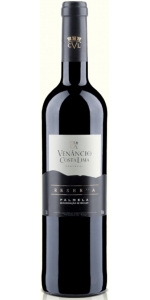
Venancio da Costa Lima Palmela Reserva is made from 100% Castelao (also known as Periquita)
Intense garnet color, complex nose with touches of ripe fruit, jam and spices, full-bodied flavor and a very balanced finish.
100% Castelao (also known as "Periquita" and "Joao de Santarem". As the most widely-grown red grape variety in Portugal it is still often referred to in Portuguese as Periquita, although that name is legally owned by José Maria da Fonseca in the Setúbal Peninsula outside of Lisbon. It is highly adaptable to different climatic conditions and its remarkable versatility enables winemakers to make a range of wines – from the easy drinking and quaffable reds and rosados to the powerful and intense reds perfectly suited to lengthy cellaring. Castelão comes into its own and is most expressive in the Sétubal Peninsula, where it makes meaty and intense wines with aromas of red berries and blue flowers that marry well with the deft use of oak.
Made from 45 year old vines.
Classic vinification at controlled temperature (25 °C) with prolonged maceration for phenolic extraction. Wine went through malolactic fermentation.
Wine was slightly fitered before bottling to avoid sedimentation in the bottle and to ensure stability.
Pasta, Cheese, red meat and game.
SALE
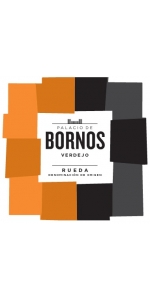
Palacio de Bornos Verdejo Rueda is made from 100% Verdejo.
Mechanical and manual harvest. Fermentation takes place in stainless steel tanks at controlled temperature of 15-16º C for 18 to 20 days. Cold stabilization, filtration. Clay and limestone with small round stones.
Straw-like yellow color with fresh green tones.
Hugely aromatic, with tropical fruit, tangerine, lemongrass and lemon thyme. Fruity notes with anise and minerals, typical of the Verdejo grape. Full in the mouth, well structured, dense and persistent with a lingering aftertaste. The wine has great length and a delicious mouth-filling richness, and finished with a precise acid cut.
As a light aperitif, ideal at any time of the day, with a tapas or small snack, with Pasta al Pesto, Mousse of Tuna fish and lime..
Enjoy with everything from sushi to spicy Cajun shrimp!
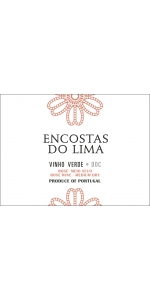
Lima Vinho Verde Rose is made from 75% Souzao, 15% Borraçal and 10% Espadeiro.
It is a blend of 75% Souzao (same as Vinhao), 15% Borraçal (which is also known as Caino Tinto) and 10% Espadeiro:
Souzão (or Sousão or Vinhão) is a Portuguese wine grape that is used in the production of port wine. While originating in the Minho regions, it is used primarily in Australia, California and South Africa. In Portugal, it is also an authorized planting in the Douro, and Dão-Lafões area (Vinho do Dão). The grape is known for the deep color it produces in a wine as well as its coarse and raisiny taste.
Caiño tinto (also known as Borraçal) is a red Galician wine grape variety that is also grown in Portugal's Vinho Verde wine region where it is known as Borraçal. In Spain, it is a permitted variety in the Denominación de Origens (DOs) of Rías Baixas and Ribeiro where it produces highly perfumed wines with noticeable tartness and high acidity.
Espadeiro is a red Portuguese wine grape planted primarily in the Minho region for making Vinho Verde. It is also grown across the border, in Spain, in Galicia where it is used to make light bodied wines.

Vinhão (also known as Souzao or Sousao) is a Portuguese wine grape used in the production of port wine. While originating in the Minho regions, it is used primarily in Australia, California and South Africa. In Portugal, it is also an authorized planting in the Douro, and Dão-Lafões area (Vinho do Dão). The grape is known for the very deep color it produces in a wine as well as its coarse and raisiny taste.
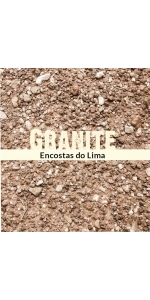
Lima Granite Vinho Verde is made from 100 percent Loureiro.
This special project from the Adega Ponte de Lima highlights the diverse soils of the Vinho Verde region. Made from 100% Loureiro grapes, both the Granite and Schist varieties boast a crisp acidity and expressive minerality.
Lima Vinho Verde Granite displays intense floral aromas with great freshness and more accentuated minerality.
Sushi, fish, seafood, cheeses and salads.
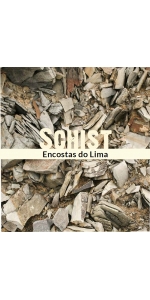
Lima Xisto (Schist) Vinho Verde is made from 100 percent Loureiro.
his special project from the Adega Ponte de Lima highlights the diverse soils of the Vinho Verde region. Made from 100% Loureiro grapes, both the Granite and Schist varieties boast a crisp acidity and expressive minerality.
Lima Schist Vinho Verde displays subtle yet more complex aromas. Full bodied, persistent and engaging.
Sushi, fish, seafood, cheeses and salads.
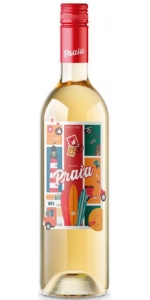
Praia Aveleda Vinho Verde NV is made from 40% Loureiro, 20% Trajadura, 20% Arinto, 20% Azal.
Praia, which means "beach" in Portuguese, is a smooth and fresh wine with delicate and lovely fruity flavors. Slightly spritzy, it is well balanced and very refreshing.
The region is typical for its unique wines that are fresh and light, combined with a very well balanced acidity. These characteristics result from the region's unique soil and climate, with a strong Atlantic influence that you will identify when you taste it.
The wine is ideal as an aperitif or throughout a meal, especially with fish, seafood, white meat and salads. Due to it freshness, it is particularly pleasant in a relaxed and informal ambiance.
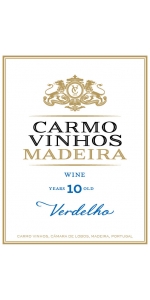
Carmo Vinhos Madeira Verdejo 10 Yr an amber medium dry wine with medium body and acidity. Rich aroma and flavor of dried fruits, nuts and caramel, showing a vibrant character, lengthy and well balanced. An excellent aperitif or as an accompaniment to pates.
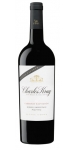
Charles Krug Family Reserve Howell Mountain Cabernet Sauvignon is made from 100 percent Napa Cabernet Sauvignon.
Rising 1,650 feet above the Napa Valley floor on the southwestside of Howell Mountain, the Family Reserve Howell MountainCabernet Sauvignon sits above the fog line. The distinctiveclimate, along with volcanic and iron-rich red soils, producefruit with great balance and intensity.
Review:
The 2017 Cabernet Sauvignon Limited Release Cold Springs is the most distinctive of the wines in this range of limited-release Cabernets from Charles Krug. Gravel, licorice, menthol and spice all develop in a Howell Mountain Cabernet endowed with tremendous class and nuance.
-Vinous 92 Points
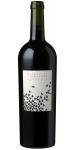
60% Cabernet Franc, 29% Cabernet Sauvignon, 11% Merlot
The 2019 Paramour entices with notes of blueberry, iris, leather, chocolate cake, and cigar on the nose. A rich attack of layers of flavor include cherry, plum, coffee, and chocolate with bright acidity. Soft and silky tannins lead to a long finish, with cherry, blueberry, plum, and currant lingering on the palate.
Review:
A blend of 60% Cabernet Franc, 29% Cabernet Sauvignon and 11% Merlot, the 2019 Paramour Proprietary Red was sourced from the Schifflet, Hudson and Stagecoach Vineyards. Blessed with floral notes, licorice and black cherries on the nose, this looks like the pick of the litter and is one reason why Napa Cabernet Franc prices are what they are. This is full-bodied and rich yet seemingly weightless, despite being concentrated, long and velvety. This is just lovely stuff.
Robert Parker's Wine Advocate 97 Points



