" We don't sell the wine without touching the vine "
| BUY MORE! SAVE MORE! | ||||||||||||||||
|
| Country: | Spain |
| Region: | Rueda |
| Winery: | Palacio de Bornos |
| Grape Type: | Verdejo |
| Vintage: | 2022 |
| Bottle Size: | 750 ml |
SALE
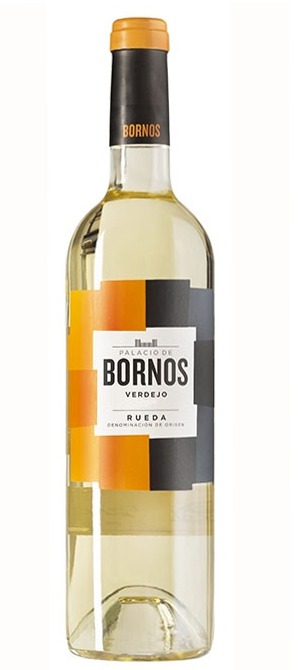
Palacio de Bornos Verdejo Rueda is made from 100% Verdejo.
Mechanical and manual harvest. Fermentation takes place in stainless steel tanks at controlled temperature of 15-16º C for 18 to 20 days. Cold stabilization, filtration. Clay and limestone with small round stones.
Straw-like yellow color with fresh green tones.
Hugely aromatic, with tropical fruit, tangerine, lemongrass and lemon thyme. Fruity notes with anise and minerals, typical of the Verdejo grape. Full in the mouth, well structured, dense and persistent with a lingering aftertaste. The wine has great length and a delicious mouth-filling richness, and finished with a precise acid cut.
As a light aperitif, ideal at any time of the day, with a tapas or small snack, with Pasta al Pesto, Mousse of Tuna fish and lime..
Enjoy with everything from sushi to spicy Cajun shrimp!
The Palacio de Bornos Estate
The winery was founded and began elaborating wine in 1870 in the town of La Seca, alongside the Appelation of Origin Rueda. In the late nineteenth century, its wines were well known throughout Castilla, expanding both nationally and internationally during the twentieth century.
In 1976, the fifth generation of the Sanz family broke away from the family tradition and started their own project with the construction of a new winery in the town of Rueda, thus beginning the most recent history of Palacio de Bornos. After more than thirty years of solid work, Palacio de Bornos has become one of the most widely renowned brands in the Appelation of Origin Rueda, and is present in the major markets worldwide.
Appelation of Origin Rueda is located in Castilla y Leon and is made up of 72 municipalities, which are located in the south of the province of Valladolid, west of Segovia and north of Ávila.
The character of the appellation is defined by three elements that result in high quality differentiated wines, with a strong personality:
- Grape Variety: Verdejo, indigenous to the area, resulting in crisp, pleasant and highly harmonious wines that invite you to continue drinking.
- Climate: continental with low rainfall, marked temperature contrasts between day and night and spring frosts, providing low yields and high quality.
- Soils: gravelly, permitting great ventilation and drainage.
The permitted grape varieties are: Verdejo, Sauvignon Blanc, Viura, Palomino Fino, Tempranillo, Garnacha, Cabernet Sauvignon and Merlot
The Palacio de Bornos Vineyards
Palacio de Bornos boasts 220 hectares of their own vineyards, in the towns of Rueda, Pollos and La Seca.
When choosing a plot, the quality of the soil always takes precedence, with several analysis and soil samples being carried out to ascertain in detail its structure, thus ensuring that the vine will develop in the most appropriate soil. The soil of our vineyards is characterized by a calcareous clay subsoil and gravelly top soil, with a high concentration of boulders, allowing for good aeration and drainage, ideal characteristics for the successful development of the vine.
The special commitment to the vineyard have led Palacios Bornos to develop continuous research projects - mainly in the field of clonal selection, vine spacing, rootstock and foliar nutrition - through studies at experimental estates. The results, once positively tried and tested, are applied to the entire vineyard.
The aim has always been to plant the best vines in the best soil, in order to obtain the best wines.

Pierre Olivier Brut Vin Mousseux NV is made from 100% Airen.
A value sparkling brut, made with Airen grapes from around the French/Spanish border (next to the Pyrenees). This is a new Kysela Project.
The bubbles are obtained using the Charmat method, named after Eugene Charmat, where the second fermentation takes places in a large, closed pressurized tank. It is different from the Methode Champanoise as the secondary fermentation doesn't take place in the bottle.

This Pinot Grigio is grown at the foot of the remains of what was once the stunning villa of the della Scala family, one of the most influencial families in Verona from the early 1200's to the late 1300's. The much admired ruler of Verona, Cangrande I della Scala, summered at this villa. Cangrande I was a great warrior, diplomatic prince and an important patron of the arts. He championed the works of Dante, Patrarch and Giotto. He created beautiful architecture throughout the city in the ornate, gothic style of his time. This label is a reproduction of the design taken from a fragment of the ornate and intricate art that once covered the ceilings of the villa. In Italian, Ornato means ornate or adorned. This label celebrates the beautiful, complex taste of the Della Scala family and the Gothic art of that period.
Color: Brilliant straw colored wine with golden reflections.
Bouquet: Fresh and floral bouquet with a hint of pears, apricots and bananas blended with the intense aroma of acacia flowers.
Taste: Fresh and inviting with bright fruit and an easy drinking style with a pleasing hint of almonds in the aftertaste.
Vineyard: Rich in limestone the soil is of alluvial origin. The vineyards are located in the province of Verona. The agricultre is sustainable. No chemical fertilizers, herbicides or pesticides are used. The vineyards are South facing at 300 meters above sea level.
Harvest: September – by hand. The grapes are picked as they ripen to keep the acidity high. The grapes are brought to the cellar and refrigerated within a half hour of picking to keep oxidation to a minimum.
The grapes are soft pressed and the juice is placed in stainless steel along with the skins for a brief maceration of 12 hours at 8-10° C. The must is then racked and lightly filtered. Fermentation then takes place with selected indigenous yeast under controlled temperatures. Of 16-18°C. The fermentation is slow and cool to emhance the natural aromas of the grapes. The finished wine is placed in stainless steel holding tanks until bottled.
Aging: 3-4 months in stainless steel.
Alcohol: 12%
Acidity: 5.30
Seafood dishes, risottos with scampi, spaghetti with clams, sole in white wine.

Lima Adega Vinho Verde is made from 80% Loureiro and 20% Trajadura
All Vinho Verde (or green wines – meaning young, not green in flavor) are the best in the first 18 months. The wine is fresh, crisp, lively with a touch of spritz. It has some very interesting aromas of stone fruit and lime.
Portuguese Vinho Verde with a screwcap!
Loureiro: Loureiro is a white vine variety grown in the northern region of Portugal that produces an aromatic bay leaf scent. The pale-skinned variety is used to make the Vinho Verde white wine that of the Minho region.Traditionally, Vinho Verde wines include Trajadura and Pederna, but varietal Loureiro wines are becoming increasingly popular. The Loureiro variety is also grown in smaller batches in Galicia, which sits to the north of border of Spain. Loureiro variety grapes are high in acid and is sometimes called "Branco", "Marques", or "Redondo". In this region, the variety is used to create the Rias Baixas white wine, and is typically blended with the variety, Albarino. The wine works perfectly with fish, grilled good, sushi, shellfish, salads or fruits. The wine also pairs nicely with clams and white wine or fresh spring rolls. The variety is high in acidity and is typically bottled with a shot of carbon dioxide to maintain the quality of the wine and to give it a nice, bubbly texture. The taste of the wine includes aromas of citrus, tropical fruits and a mineral tone, and also has hints of floral aromas.
Trajadura: Trajadura is a white grape varietal also known as Treixadura. Trajadura originates from Portugal, particularly the Northern region. Trajadura is most famously used in Portugal's Vinho Verde wine, but Trajadura is also utilized in blends to add fullness and brisk citrus flavor. The low acid content in Trajadura, combined with a higher alcohol content make it an ideal and rare blending component in this particular climate region. When Trajadura is blended with Loureiro and Albarino it is the perfect balance for Vinho Verde. In Spain, Trajadura is called Treixadura and is most commonly found n Rias Baixas and Ribeiro. Spain also takes advantage of the blending characteristics while combining with Albarino, Abillo, Lado, Macabeo, Godello, and Torrontes. The Trajadura vines are recognized by average sized bunches that are dense with moderately sized berries. Trajadura ripens early, so to keep the acidity, it must be harvested rather early. The flavor profile for Trajadura will consist of apricot, peach, apple, lemon, and pear.
With low alcohol, it is best as an aperitif or with seafood. Definitely a summer drink.

Venancio da Costa Lima Palmela Reserva is made from 100% Castelao (also known as Periquita)
Intense garnet color, complex nose with touches of ripe fruit, jam and spices, full-bodied flavor and a very balanced finish.
100% Castelao (also known as "Periquita" and "Joao de Santarem". As the most widely-grown red grape variety in Portugal it is still often referred to in Portuguese as Periquita, although that name is legally owned by José Maria da Fonseca in the Setúbal Peninsula outside of Lisbon. It is highly adaptable to different climatic conditions and its remarkable versatility enables winemakers to make a range of wines – from the easy drinking and quaffable reds and rosados to the powerful and intense reds perfectly suited to lengthy cellaring. Castelão comes into its own and is most expressive in the Sétubal Peninsula, where it makes meaty and intense wines with aromas of red berries and blue flowers that marry well with the deft use of oak.
Made from 45 year old vines.
Classic vinification at controlled temperature (25 °C) with prolonged maceration for phenolic extraction. Wine went through malolactic fermentation.
Wine was slightly fitered before bottling to avoid sedimentation in the bottle and to ensure stability.
Pasta, Cheese, red meat and game.

Pioneiro Red Wine Vinho Regional Peninsula de Setubal is made from 60% Castelao (also known as Periquita), 30% Aragones and 10% Syrah
Aged 5 months in French oak barrels
The story of this wines begun more than a century ago, with the pioneering dream of Venâncio da Costa Lima: to bring good wines to every corner of Portugal. Pioneiro wine brand was created to pay homage to his vision.
What's Unique? Pioneiro (meaning “pioneer” in Portuguese) wine vintage style label pay homage to the founder’s dream, dating back to 1914. But in a relaxed, casual way, typical of this wine producer mood.
Intense garnet color, complex nose with touches of ripe fruit, jam and spices, full-bodied flavor and a very balanced finish.
Castelao: as the most widely-grown red grape variety in Portugal it is still often referred to in Portuguese as "Periquita" or "Joao de Santarem", although that name is legally owned by José Maria da Fonseca in the Setúbal Peninsula outside of Lisbon. It is highly adaptable to different climatic conditions and its remarkable versatility enables winemakers to make a range of wines – from the easy drinking and quaffable reds and rosados to the powerful and intense reds perfectly suited to lengthy cellaring. Castelão comes into its own and is most expressive in the Sétubal Peninsula, where it makes meaty and intense wines with aromas of red berries and blue flowers that marry well with the deft use of oak.
Made from 15 year old vines planted on sandy soils.
Classic vinification at controlled temperature (25 °C) with prolonged maceration for phenolic extraction. Wine went through malolactic fermentation.
It was aged 5 months in French Oak barrels.
Wine was slightly filtered before bottling to avoid sedimentation in the bottle and to ensure stability.
Pasta, Cheese, red meat and game.

Trus Ribera del Duero Crianza is made from 100 percent Tempranillo.
Trus - an acronym for T-tierra (soil), R-roble (oak), U-uva (grape), S-sol (sun) - aims to reflect the uniqueness of each vintage, the aging potential of the wine in the bottle over the years.
Trus takes its roots in Palacios Vinos de Finca, the estate that was founded in 1999, then purchased by Javier Palacios who decided to focus on producing wines that express the purity and typicity of the Ribera terroirs.
The estate vineyards are located in Piñel de abajo, Pesquera de Duero, Quintanilla de Arriba. The winery also partners with winegrowers in Moradillo, Roa, Nava, Peñaranda or Baños de Valdearados. The clay-limestone soils of the high-altitude vineyards define the intense and complex personality of the wines. That is why Trus wines can be defined as classic, because an avant-garde look is the one that is directed towards the soil, preserving a typicity that is marked from its deepest roots.
Trus Crianza reveals a clean and bright cherry color with Burgundian tones at the rim. The nose is very intense and complex, offering ripe black fruits and liquorice aromas, toasty and vanilla nuances, spices and balsamic notes. The wine is tasty and unctuous on the palate, a perfect harmony between acidity and alcohol. Fresh and friendly mouthfeel, the ripe and soft tannins provide structure and great length. Long finish, ripe fruit aftertaste with a smoky and spicy finish.
Review:
"A plush and fabulous expression of variety and provenance with well-integrated alcohol, tannin and acidity. Will continue for several years and mellow. Be warned – one glass will be quickly followed by the next."
- Decanter World Wine Awards 2021, 96 points - GOLD MEDAL

SALE
Palacio de Bornos Verdejo Rueda is made from 100% Verdejo.
Mechanical and manual harvest. Fermentation takes place in stainless steel tanks at controlled temperature of 15-16º C for 18 to 20 days. Cold stabilization, filtration. Clay and limestone with small round stones.
Straw-like yellow color with fresh green tones.
Hugely aromatic, with tropical fruit, tangerine, lemongrass and lemon thyme. Fruity notes with anise and minerals, typical of the Verdejo grape. Full in the mouth, well structured, dense and persistent with a lingering aftertaste. The wine has great length and a delicious mouth-filling richness, and finished with a precise acid cut.
As a light aperitif, ideal at any time of the day, with a tapas or small snack, with Pasta al Pesto, Mousse of Tuna fish and lime..
Enjoy with everything from sushi to spicy Cajun shrimp!
SALE
Palacio de Bornos Verdejo Rueda is made from 100% Verdejo.
Mechanical and manual harvest. Fermentation takes place in stainless steel tanks at controlled temperature of 15-16º C for 18 to 20 days. Cold stabilization, filtration. Clay and limestone with small round stones.
Straw-like yellow color with fresh green tones.
Hugely aromatic, with tropical fruit, tangerine, lemongrass and lemon thyme. Fruity notes with anise and minerals, typical of the Verdejo grape. Full in the mouth, well structured, dense and persistent with a lingering aftertaste. The wine has great length and a delicious mouth-filling richness, and finished with a precise acid cut.
As a light aperitif, ideal at any time of the day, with a tapas or small snack, with Pasta al Pesto, Mousse of Tuna fish and lime..
Enjoy with everything from sushi to spicy Cajun shrimp!

Palacio del Burgo Rioja Blanco is made from 100% Viura.
The wine shows a brilliant pale yellow color. The nose is elegant and very fruity, with straw and pineapple notes. The taste is intense, being extremely fruity with fresh balanced acidity.
Palacio del Burgo White Wine has been created to accompany all kinds of meals and be the perfect glass of wine to illuminate those memorable low light encounters. This wine is the product of the winemaker's efforts to highlight the fruit. The structure and mouth feel of the wine compliment and balance the fruit.
Enjoy it with white fish dishes and seafood.

Palacio del Burgo Rioja Reserva is made from 85% Tempranillo, 10% Garnacha & 5% Carignan.
Red ruby color; black pepper and vanilla flavors and some mature black fruit taste too. Well-balanced, well-structured and elegant in mouth displaying some splendid taste of fruit and bouquet too.

Palacio del Burgo Crianza is made from 90% Tempranillo & 10% Graciano.
Alcoholic fermentation in stainless steel vats at controlled temperature; aged in American oak barrels for 12 months.
Red ruby colored wine with violet tones; well-balanced, black fruit, vanilla and coconut flavors. Powerful, complex and silky smooth…classic old style Rioja at a bargain price.
Pairs well with aged cheeses and grilled meats
Reviews:
"Burnished with plums, mulberries, cherries and plums embraced by a casing of generous vanilla oak and creamy texture, with scores of chalky tannins and a tobacco length."
- 2025 Decanter World Wine Awards, 95 pts, GOLD MEDAL
Palacio de Burgo's Crianza blends the concept of the intense fruity young wines traditionally made in Rioja and the old world wine making style that has made the region famous. The result is a complex wine that impresses for its intensity right from the moment it is poured in the glass.-Mike Good, Timeless Wines

Palacio del Burgo Tinto is made from 100% Tempranillo.
This wine is made of 100% Tempranillo from 15-25 year old vineyards in the Rihuelo area between the town of Alfaro and the slopes of Monte Yerga.
The wine shows a deep cherry red color with violet tones. Intense fruity nose of blackberry and licorice over sweet mocha aromas. Vibrant with smooth tannins; long-lasting, powerful and smooth. An incredible Rioja value.

The Stone Terraces 2021 Vintage Port has incredibly fresh and lifted aromas with the hallmark tropical fruit character. The wine is concentrated whilst being supremely refined with polished tannins and taut acidity combining to deliver sublime elegance and balance.
Review:
What a polished and beautifully structured vintage port with ultra-fine tannins that run the length of the wine. It’s medium-bodied with a terrific intensity and brightness. Seems slightly drier than normal for a Graham’s vintage. Fantastically fine tannins. Black berries and tangerines with other tropical fruits. Hints of nuts at the end. Racy and muscular.
-James Suckling 95 Points

Burgo Viejo Rioja Blanco Organic is made from 60% Viura and 40% Trempranillo Blanco
No Oak. Aged 3 months on the lees with frequent batonnage
Pale yellow color with green tones. Fresh and intense flavors of white fruits, peach, apple and some citrus notes.
Full-bodied mouth with nice balance of volume and length.
Vineyards are located in Alfaro.
Manual harvest in 8 kilograms baskets.
100% destemmed.
Light pressing of the grapes.
Fermentation at controlled temperature in stainless steel tanks.
No Malolactic fermentation.
Aged 3 months on the lees with frequent batonnage. (stirring of the lees)
Pairs with seafood, pasta and rice dishes, smooth cheeses.