" We don't sell the wine without touching the vine "
| Country: | South Africa |
| Region: | Western Cape |
| Winery: | Lismore Estate Vineyards |
| Grape Type: | Chardonnay |
| Organic: | Yes |
| Vintage: | 2020 |
| Bottle Size: | 750 ml |

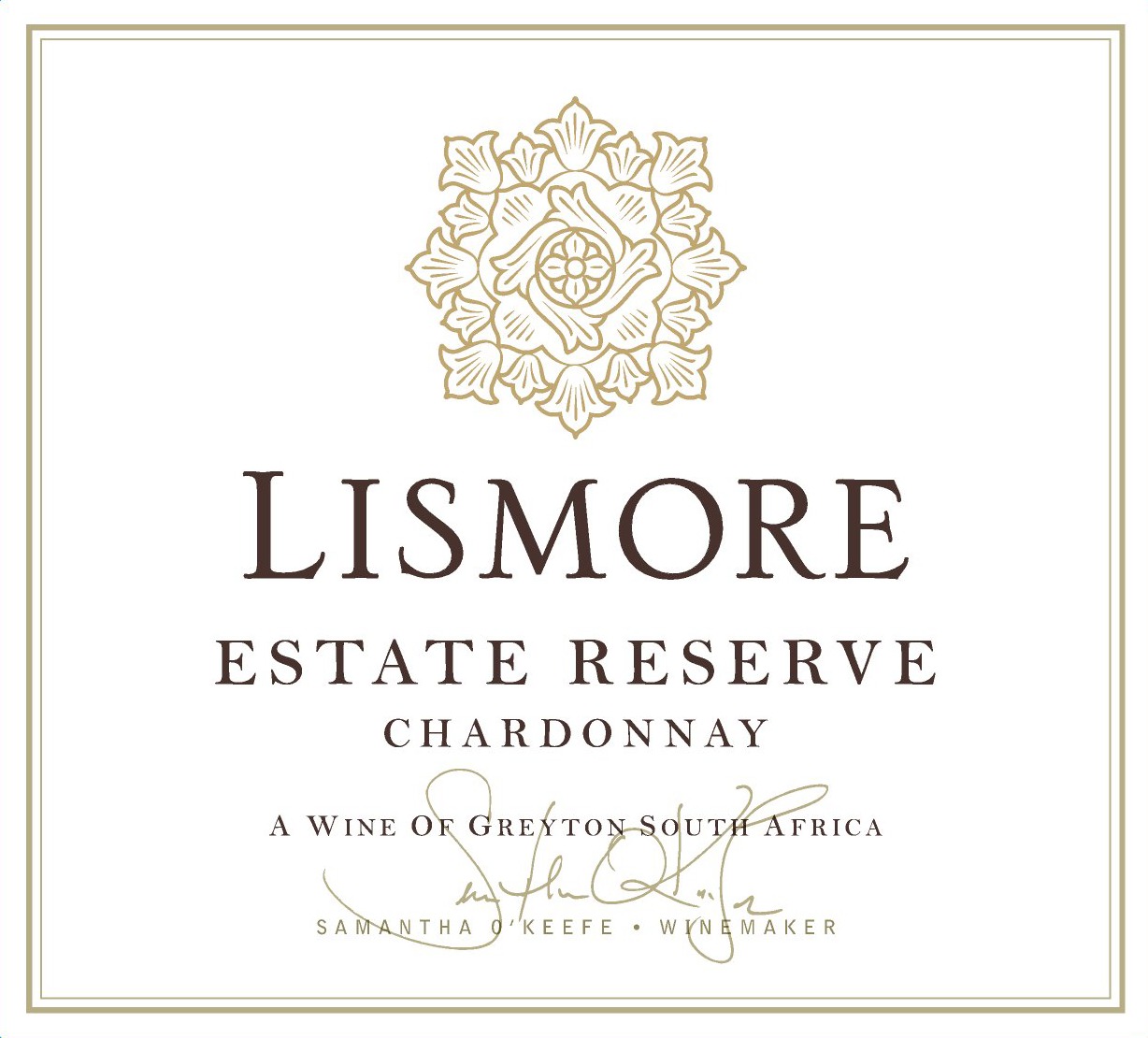
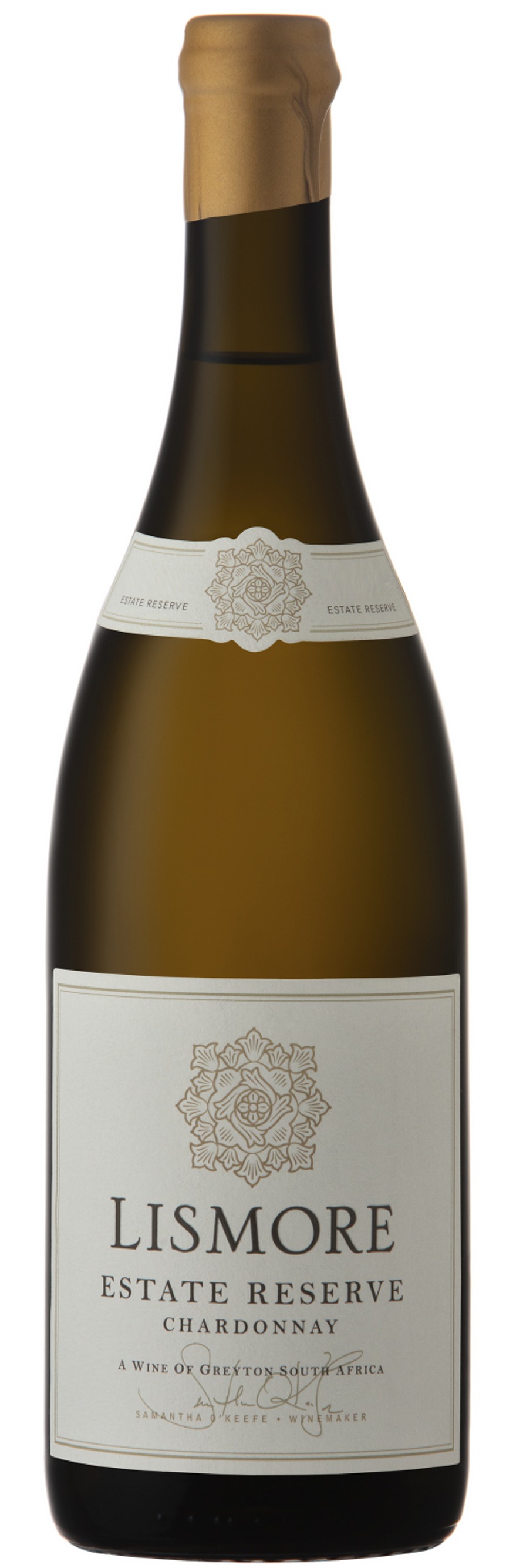
Lismore Chardonnay Reserve made from 100 percent Chardonnay.
A careful selection of the best of the vintage that exemplifies the extraordinary terroir of Lismore. This Reserve Chardonnay shows intense citrus, stone fruit, jasmine and walnut layered with honey and vanilla carried by a distinct minerality and crisp acidity with a lingering citrus finish.
Wine Made in the Soil
The vineyards are planted in decomposed shale over clay at 300 meters in the foothills of the Sonderend Mountain Range. A low mean February temperature lends to an extended ripening period that can put harvest 3-4 weeks later than traditional wine growing regions in South Africa. The intense citrus notes and the lingering finish are consistent trademarks of Lismore's specific terroir. The restrained minerality of the Chardonnay is a clear indication of the cool climate in which it is grown.
Wine of Origin "Greyton" has been designated by SAWIS recognizing the special terroir of this region.
Delightful with warm curries which lift the aromatics or a traditional pairing of smoked salmon highlighting the fresh acidity.
Review:
100% Chardonnay matured in Burgundian oak (33% new) for 11 months. This Reserve Chardonnay shows intense citrus, stone fruit, jasmine and walnut layered with honey and vanilla carried by a distinct minerality and crisp acidity with a lingering citrus finish.
-Karen McNeil 95 points

Lismore Chardonnay made from 100 percent Chardonnay.
This very special Chardonnay was made in the style of a traditional Burgundian Chablis. It shows intense citrus and soft fruit layered with brioche, honey and walnut carried by a distinct minerality and crisp acidity with a lingering citrus finish.
Wine Made in the Soil
The vineyards are planted in decomposed shale over clay at 300 meters in the foothills of the Sonderend Mountain Range. A low mean February temperature lends to an extended ripening period that can put harvest 3-4 weeks later than traditional wine growing regions in South Africa. The intense citrus notes and the lingering finish are consistent trademarks of Lismore's specific terroir. The restrained minerality of the Chardonnay is a clear indication of the cool climate in which it is grown.
Wine of Origin "Greyton" has been designated by SAWIS recognizing the special terrior of this region.
Delightful with warm curries which lift the aromatics or a traditional pairing of smoked salmon highlighting the fresh acidity.

Lismore Estate Reserve Viognier is made from 100 percent Viognier.
This a Greyton WO.
Balance is the key to this wine. Viognier is an aromatic and generous varietal, it benefits from barrel maturation and lees contact with a fuller mouth feel and increased texture. This combined with the firm acid backbone and intense fruit will allow this wine to integrate beautifully and gain further complexity over the next 3-5 years.
Rich, lush and decadent. Viognier is a gorgeous variety. Honeysuckle, peaches and dried apricot with a lingering citrus finish. A clean fresh acidity supports the extravagance of the nose and the palate.
Viognier, a traditional Rhone variety is perfectly suited to Lismore’s cool-climate terrior. The vineyard block is on decomposed shale and one of the healthiest and well balanced on the farm. The entire team looks forward to the Viognier harvest and the beautiful amber tinged berries.
The grapes were picked at optimal ripeness and whole bunch pressed, slowly extracting the juice at a rate of 500ltrs per ton. The juice was settled for 48 hours and was racked into burgundian barriques (1st fill) for fermentation and maturation. The wine was left on the lees with regular “batonnage” for 11 months.
Lighter styles are often paired with curries and the like. This Viognier is different. We recommend medium bodied meals that are intense and complex. For example:
- Sesame encrusted tuna marinated in a blend of orange, lemon and lime juice spiced with sesame oil and balsamic vinegar – seared on a wood fired grill and served with griddled vegetables, or
- Free range duck breast smoked with Darjeeling tea and coriander leaves. Set on a cinnamon poached pear glazed with a gooseberry jus.
In both of these dishes, the fruit and floral aspects of the wine are complimented by the exotic and aromatic elements in the dish which are also highlighted by the spiciness from the oak fermentation; the fresh acidity freshens the palate, and yet the Lismore Viognier has the body to hold up against the weight of the duck or the tuna. It is also gorgeous with a well laid cheese platter.
Review:
"Reviewed in my 2019 and 2020 reports, but still on the market, this comes from a 0.3-hectare block that was planted 17 years ago and survived the fire last year. Rich, complex and concentrated, it has pear and apricot fruit, a hint of nectarine and a patina of vanilla and cinnamon spice. Has tightened up over the last year. 2020-23"
- Tim Atkin (South Africa 2020 Special Report), 95 pts

Lismore Estate Syrah is made from 100 percent Syrah.
A careful selection of the best of the vintage that exemplifies the extraordinary terroir of Lismore.
An exotic experience which shifts your mind to another place. Cassis, brambles and succulent cherry. White pepper, classic garrigue and the strong floral perfume of crushed violets. Light and elegant, but structured with a fresh acidity. To experience the best this wine has to offer, decanting is suggested.
The grapes were fermented 40% whole bunch in a 5000 litre wooden fermenter with gentle pigeage throughout. The process allowed for a long extraction period which lends to the fruit expression of this wine. The wine was left for a 30 day extended maceration on the skins and then pressed in a traditional baskets press. Matured in 500 litre barrels for 10 months (35% new). Time in the bottle will allow integration, the deepening of layers and full expression of the fruit.
Review:
Bursting with purple flowers and savory, spicy notes, the 2022 Estate Reserve Syrah was made with 50% whole-cluster fruit, offering a crunchy, red-fruited nose that pops with delightful tertiary expressions of turned earth and pencil lead. Light to medium-bodied and with 12% alcohol, the wine compresses slightly to show an earthy, graphite edge on the palate while slightly stemmy notes sway with fine-grained tannins across the mid-palate. Flavors of potpourri with spiced cherry skin somersault with red and purple flower essences before finishing with hints of pink peppercorn over the elegant and elongated finish. Just under 5,000 bottles were produced after the wine spent 11 months in 25% new oak barrels.
-Wine Advocate 96 Points
Lismore Estate Reserve Viognier is made from 100 percent Viognier.
This a Greyton WO.
Balance is the key to this wine. Viognier is an aromatic and generous varietal, it benefits from barrel maturation and lees contact with a fuller mouth feel and increased texture. This combined with the firm acid backbone and intense fruit will allow this wine to integrate beautifully and gain further complexity over the next 3-5 years.
Rich, lush and decadent. Viognier is a gorgeous variety. Honeysuckle, peaches and dried apricot with a lingering citrus finish. A clean fresh acidity supports the extravagance of the nose and the palate.
Viognier, a traditional Rhone variety is perfectly suited to Lismore’s cool-climate terrior. The vineyard block is on decomposed shale and one of the healthiest and well balanced on the farm. The entire team looks forward to the Viognier harvest and the beautiful amber tinged berries.
The grapes were picked at optimal ripeness and whole bunch pressed, slowly extracting the juice at a rate of 500ltrs per ton. The juice was settled for 48 hours and was racked into burgundian barriques (1st fill) for fermentation and maturation. The wine was left on the lees with regular “batonnage” for 11 months.
Lighter styles are often paired with curries and the like. This Viognier is different. We recommend medium bodied meals that are intense and complex. For example:
- Sesame encrusted tuna marinated in a blend of orange, lemon and lime juice spiced with sesame oil and balsamic vinegar – seared on a wood fired grill and served with griddled vegetables, or
- Free range duck breast smoked with Darjeeling tea and coriander leaves. Set on a cinnamon poached pear glazed with a gooseberry jus.
In both of these dishes, the fruit and floral aspects of the wine are complimented by the exotic and aromatic elements in the dish which are also highlighted by the spiciness from the oak fermentation; the fresh acidity freshens the palate, and yet the Lismore Viognier has the body to hold up against the weight of the duck or the tuna. It is also gorgeous with a well laid cheese platter.

Hoopes Chardonnay Napa Valley is made from 100 percent Chardonnay.
Serendipity was in the morning air when Maya and Sophie took Lindsay for a walk down a Yountville country lane. Maya, the feisty one, spied a jackrabbit and bounded off in hot pursuit. When Lindsay caught up with her, she found herself surrounded by some fine looking Chardonnay vines. Always on the look-out for the best fruit for Hoopla, with some neighborhood super-sleuthing, Lindsay tracked down the vineyard owner and kept talking until she got his handshake. That chance discovery gave us really great Chardonnay that we offer at a really great price. In fact, chasing rabbits is exactly what we’re talking about. This cheeky Chardonnay will make you want to get into some mischief too.
Our goal with the Hoopla Chardonnay is a fresh juicy wine showcasing flavors and aromas of the grape. A long cool fermentation and aging in stainless steel shines helps preserve the luscious aromas and fruit characters in the wine. Classic notes of fresh pineapple, ripe pear and Fuji apple greet the nose with a lovely warmth and creaminess in the mouth from aging sur-lie in tank without the introduction of oak. This mid-palate breadth yields to an open, clean and refreshing finish. We find ourselves reaching for this crowd-pleasing wine time and time again without fail.
This wine is delicious with roast chicken and buttery mashed potatoes, fish tacos, Chinese chicken salad, lobster mac and cheese, triple crème Brie slathered on French baguette and salt & pepper flavored kettle-cooked potato chips.
Review:
"I was blown away by the 2020 Chardonnay, a clean, crisp, vibrant expression of Chardonnay that has medium to full-bodied richness, wonderfully integrated acidity, and a distinct sense of minerality in its citrus, stone fruit, and white flower-driven aromatics. It's shockingly good and tastes like it cost 3-4 times its price."
- Jeb Dunnuck (February 2023), 96 pts
Lismore Chardonnay Reserve made from 100 percent Chardonnay.
A careful selection of the best of the vintage that exemplifies the extraordinary terroir of Lismore. This Reserve Chardonnay shows intense citrus, stone fruit, jasmine and walnut layered with honey and vanilla carried by a distinct minerality and crisp acidity with a lingering citrus finish.
Wine Made in the Soil
The vineyards are planted in decomposed shale over clay at 300 meters in the foothills of the Sonderend Mountain Range. A low mean February temperature lends to an extended ripening period that can put harvest 3-4 weeks later than traditional wine growing regions in South Africa. The intense citrus notes and the lingering finish are consistent trademarks of Lismore's specific terroir. The restrained minerality of the Chardonnay is a clear indication of the cool climate in which it is grown.
Wine of Origin "Greyton" has been designated by SAWIS recognizing the special terroir of this region.
Delightful with warm curries which lift the aromatics or a traditional pairing of smoked salmon highlighting the fresh acidity.
Review:
The 2020 Chardonnay Reserve Estate is the only Reserve wine whose fruit survived the wildfire in 2018. It has a glorious bouquet that is Premier Cru Burgundy in quality, featuring wonderful, brilliantly delineated scents of citrus lemon and orange blossom and hints of black currant leaf. The palate is extremely well balanced, displaying wonderful poise allied with impressive concentration. There’s real depth and substance on the finish (where others have lacked in this vintage). An outstanding, world-class Chardonnay.
-- Neal Martin Vinous 95 Points
Lismore Estate
Tucked into the foothills of a dramatic mountain range at the bottom of Africa is Lismore Estate Vineyards. Californian Samantha O'Keefe has found paradise and the perfect terroir. Her passion combined with vines planted at 300 meters, chilled by the winter snow and nourished by the African summer sun, produce classic cool climate wines which are rich, complex and lovingly hand crafted.
Lismore Estate Vineyards
The Overberg region is rapidly earning a reputation for premium cool climate grapes. Greyton has now been designated a ward within that district recognizing the unique terroir expression of the wine that is produced there. Lismore is the only registered wine estate in the Greyton ward. Lismore's vineyards are planted on slopes at the base of the Riviersonderend Mountain Range. The combination of elevation and climate make for an extended ripening period which is roughly 3-4 weeks later than the more traditional wine growing areas in the Western Cape. There are a total of 12.5 ha planted with Chardonnay, Syrah, Sauvignon Blanc, and Viognier.

Wolfberger Cremant d Alsace Brut NV is made with 90 % Pinot Blanc, 10% Pinot Auxerrois.
The production of sparkling wine was already known in Alsace in the early 1900's. The Appellation d’Origine Contrôlée (A.O.C.) Crémant d’Alsace began with an official decree in August 1976.
Pale golden color. Fine, persistent bubbles. Floral nose with a hint of spiciness, gentle fruitiness (peach, apricot), and lovely balance. Fruity and lively in the palate, it has a clean and crisp finish. This wine will suit any special occasion.
Review:
""Straw color. Bright, fruity, creamy aromas of green apple pastry, peaches in cream, and lemon chiffon with a supple, tangy, finely carbonated, dry-yet-fruity medium body and an effortless, amusing, medium-long white nuts, lime-pineapple sorbet, and minerals finish with no oak. A refreshing, tangy sparkling wine that will shine at the table."
-Beverage Testing Institute, 94 pts (Exceptional)

Lismore Pinot Noir is made from 100 percent Pinot Noir
Complex bouquet of crushed rose petals, wild jasmine and fresh French herbs followed by a palate full of cranberry, raspberry and a long savory finish.
The grapes were picked at optimal ripeness. 30% whole bunch fermented in large 5000 liter vats with gentle pump-overs twice a day. The process allowed for a long extraction period which lends to the fruit expression and structure of this wine. The free run wine was drained off and the fermented grapes were then pressed in a traditional wooden basket press. The wine was racked into 225, 300 and 500 liter barrels where malolactic fermentation took place and the wine was aged for 10 months. 35% new French oak was used.
Review:
"The 2018 Pinot Noir comes from Walker Bay and Kaaimansgat and includes 30% whole-bunch fruit, aged for 11 months in 25% new oak. The bouquet sports vivid red cherry and raspberry fruit that is exceptionally well defined and beautifully integrated with the oak. The palate is medium-bodied with supple tannins, well-judged acidity and a slightly fleshy texture. There is just the right amount of salinity here, and the finish is kept on a tight leash, allowing the detail and precision to be fully expressed. A slight sour edge on the finish keeps you coming back for another sip. Excellent and reassuringly classy. - Neal Martin" - Antonio Galloni's Vinous (November 2019), 92 pts
"Walker Bay and Elandskloof are the twin sources of 30% whole bunch-fermented Pinot from Sam O'Keefe. Juicy, floral and charming, it's a graceful, fruit forward style with some clove and tobacco spice and refreshing acidity. The finish is a little firmer than I remember. 2020-24"- Tim Atkin (South Africa 2020 Special Report), 92 pts

Schwarz Nitschke Block Shiraz is made from 100 percent Shiraz.
This Bethany vineyard was planted by Jason Schwarz's parents in 1968 and has been tended to by the hands of his family ever since. The vines are dry-grown and produce small crops of intensely flavored fruit.
A display of the purest blood-plum and black cherry, with cracked black peppercorn and streaky bacon over some seriously fine oak. Some subtle herbaceous qualities, nettle and thyme bring life to an otherwise immense nose. Very juicy on the palate, deeply flavorsome, long and with mouth-coating tannin for a very textured, very focused Barossa classic.
Slow cooked beef ribs, grilled meats, wild game and grilled vegetables.
Review:
"All the good stuff: dry-grown and fermented under the aegis of wild yeast; a smattering of whole-bunch seasoning (25%), French oak (20% new), conferring poise, freshness and authority. As far as Barossa shiraz goes, this is benchmark. Plush but nicely taut. A stream of boysenberry fruit and violet scents sashay to a samba of thyme, tapenade and smoked meats, nicely avoiding any sense of reduction, or clunky jam. This is smart. Very. - Ned Goodwin"
- Halliday Wine Companion (August 2020), 96 pts

Bavencoff Pernand Vergelesses Blanc is made from Chardonnay.
The wine offers a white gold or pale yellow color turning into darker gold with age. It boasts aromas of white flowers, (may, acacia) developing into notes of amber, honey and spices. On the palate it is mineral, harmonious and easy to like.
Aged in new oak barrels (Allier).
Sushi, fresh-water fish in white sauce, and for pasta or a seafood risotto.

Kershaw Chardonnay Deconstructed Groenland Shale CY548 is made from 100 percent Chardonnay.
The inspiration for this Chardonnay stems from my belief that the Elgin region has both a signature grape as well as particular terroirs within its demarcated boundary that reflect regional credentials. This Chardonnay was selected from a sub-region of Elgin from a specific vineyard and an individual clone (CY548).
Tasting Notes:
Sourced from the foothills of the Groenland Mountain in Northern Elgin this clone has been taken from Corton Charlemagne cuttings. It produces wines that have aromatics oscillating between lemon blossom, white flowers, petrichor and struck stone. Full in body they exude concentration with white stone fruit yet reinforced with an austere texture and robustness that makes for excellent aging potential. The Bokkeveld Shales adds structure and concentration to the flavor.
Vineyards:
Sourced from the foothills of the Groenland Mountain in Northern Elgin this clone has been taken from Corton Charlemagne cuttings.
Winemaking:
Grapes were hand-picked in the early autumnal mornings, placed into small lug baskets and tipped directly into a press before being gently whole-bunch pressed up to a maximum of 0.6 bar or until a low juice recovery of 580 liters per ton was obtained. The juice gravity-flowed directly to barrel (no pumps were used at all) without settling. The unclarified juice had no enzymes or yeast added to it and therefore underwent spontaneous fermentation until dry, with malolactic discouraged. The wine rested in barrel for 4 months prior to judicious sulfuring and a further 7 months’ maturation in barrel before racking and bottling.
Barrel: Selection: A small number of artisanal coopers are selected from mostly Burgundy, with only French oak was chosen. Up to 40% of the oak is new with the remainder split into 2nd and 3rd fill barrels of predominantly 228 litres.
Look at pairing this with textured fish, straightforward chicken dishes, pan-fried or grilled pork dishes, soft-rind cheeses, cream or creamy dishes be it with pasta or the aforementioned fish, chicken or pork, to allow the complexity of the wine to shine through. If using mustard, preferably use Dijon mustard as it uses verjus (soured grape juice) and not vinegar. Also look to delicate herbs (tarragon, dill, basil, parsley) rather than hard stalked herbs (rosemary, thyme, oregano, etc). Avoid smoked meats or fish as well as highly spiced dishes as this can overwhelm the wine and clash with the oak. I would try oysters; Lobster grilled or boiled but not thermidor as it is too rich; turbot, dover sole, sea bass, yellowtail with a shellfish sauce; fish pie; roasted free-range chicken with tarragon; roast loin of pork with garlic and ginger; truffle risotto; pasta in a clam sauce; slice of brie de meaux.
Review:
"Perfume of flowers, minerals and citrus zest. The palate is dense and focused, almost chewy with an opulent mandarin mid palate and long, savory finish. Matured in 50% new oak that is seamlessly integrated with the wine."
- International Wine Review (Richard Kershaw Lifts Elgin To New Heights, February 2019), 94 pts

All older vintage wines have been purchased from a single collectors cellar. Pictures can be requested before shipment.

Mortet Bourgogne Passetoutgrain is mae from 60% Gamay and 40% Pinot Noir
Aged 11 months in Neutral French oak barrels.
12% ABV
Malolactic fermentation in barrel.
Slight filtration before bottling.
Bourgogne Passetoutgrains is an Appellation d'origine contrôlée (AOC) for wine from the region of Burgundy.
Most Bourgogne Passetoutgrains is red, although rosé wine may also be produced. Unlike other Burgundy wines, which are
primarily produced from a single grape variety, Bourgogne Passetoutgrains is essentially a cuvée of Gamay and Pinot noir.
This is a quintessential bistro wine. Fresh and fruity, displaying red and black fruit flavors. Well balanced, good structure and silky finish with excellent length. Serve slightly chilled.
Oeufs en Meurette (poached eggs served in a red wine sauce with onions and lardons).
Boeuf Bourguignon (beef cooked in red wine with carrots and patatoes).
Pizza and pasta.