" We don't sell the wine without touching the vine "
| Country: | France |
| Region: | Bandol |
| Winery: | Mas Redonne |
| Grape Type: | Mourvedre |
| Organic: | Yes |
| Vintage: | 2020 |
| Bottle Size: | 750 ml |
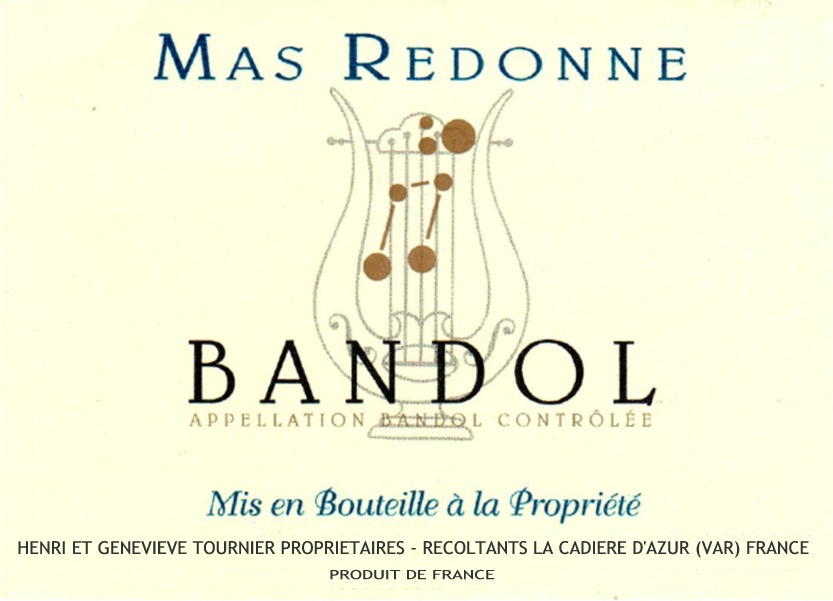
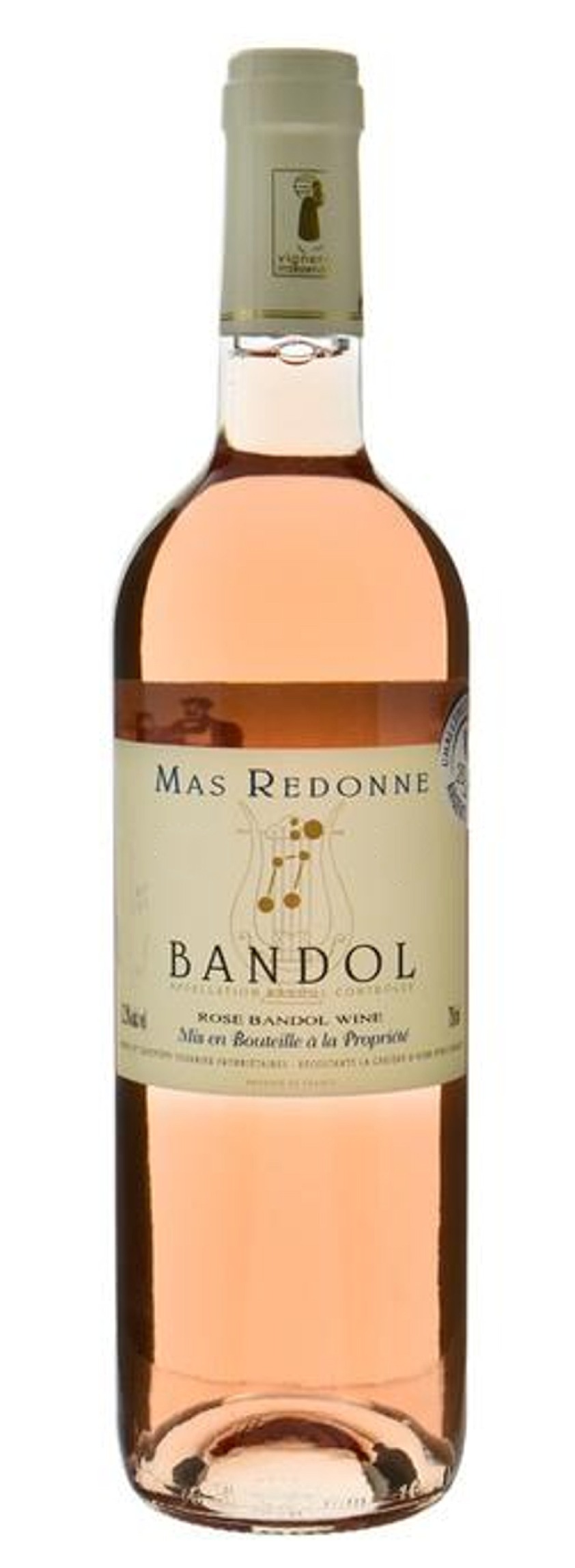
Mas Redonne Bandol Rose is made from 55% Mourvèdre, 35% Cinsault, 10% Grenache.
Nice light salmon color, typical of Bandol.
The wine expresses some citrus, Pomelos (a delicious type of grapefruit) and lots of white fruit aromas and minerality.
The flavors are fresh, fruity and very aromatic with tons of apricot and mango.
Grilled salmon, chicken dishes as well as salads, sushi and sashimi.
Mas Redonne Bandol Rose is made from 55% Mourvèdre, 35% Cinsault, 10% Grenache.
Nice light salmon color, typical of Bandol.
The wine expresses some citrus, Pomelos (a delicious type of grapefruit) and lots of white fruit aromas and minerality.
The flavors are fresh, fruity and very aromatic with tons of apricot and mango.
Grilled salmon, chicken dishes as well as salads, sushi and sashimi.
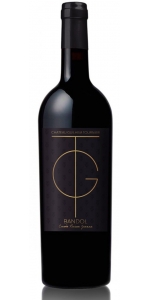
Mas Redonne Tournier Bandol Luisa Jeanne is made from 95% Mourvedre and 5% Syrah.
The wine takes its name from a goddess, Luisa Jeanne. It has a deep red color with dark brick hues, a very intense and complex nose with strong sensations of dark fruit, compote, spice, earth and garrigue, with a minty touch. Palate intense, complex and silky, full and opulent with olfactive sensations and a slightly mineral saline aftertaste accompanied by rich but ripe tannins wrapped in a fruity robe. Approachable, long, harmonious, elegant.
Late manual harvesting of left grapes, their selection according to ripeness, harvesting parcel by parcel, variety by variety, separate vinification. Long fermentation with natural yeasts to oxygenate the must, gentle extraction of color and tannins, decanting and dipping of the matoline cap to absorb the tannins and make the wine silky and expressive. Aged for 18 months in old foudres.
A gastronomic wine for major occasions, ideal for red meat, game, charcuterie, cheese, chocolate and Provençal cuisine.
The wine takes its name from a goddess, Luisa Jeanne. It has a deep red color with dark brick hues, a very intense and complex nose with strong sensations of dark fruit, compote, spice, earth and garrigue, with a minty touch. Palate intense, complex and silky, full and opulent with olfactive sensations and a slightly mineral saline aftertaste accompanied by rich but ripe tannins wrapped in a fruity robe. Approachable, long, harmonious, elegant.
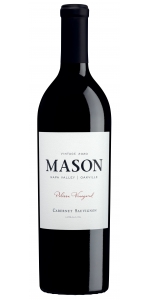
Mason Cellars Pelissa Vineyard Cabernet Sauvignon is made from 100 percent Cabernet Sauvignon.
The 2020 Mason Oakville Cabernet Sauvignon is quintessentially Oakville from nose to finish. Attractive fresh blackberry, red current and chocolate with a hint of sweet oak boast out of the glass. This wine showcases graphite, velvety tannins and concentrated, beautifully balanced flavors with a bit of spice and white pepper. These bold flavors typical of Oakville Cabernet are rounded out with velvety tannins, a weighty mid-palate and a long, juicy finish.
Production Notes:
The fruit was delicately hand-picked in the early morning hours and brought into the winery for processing. The grapes were crushed, about 60% whole berry, and cold soaked for three days before being inoculated for primary and malo-lactic fermentation. Once dry, the wine was put down to barrel for 20 months in medium toast French oak, 25% of which was new.
Vineyard Notes:
Grapes for our 2020 Mason Cabernet Sauvignon are sourced exclusively from the Pelissa Vineyard in Oakville. This vineyard spans 60 acres and is planted to Old BV Clone 7 Cabernet Sauvignon as well as Zinfandel. This vineyard is named for Andrew and Babe Pelissa, who after their marriage on August 30, 1930, made their home at the site of this vineyard which, at the time, was a dairy. Oakville is the core of Napa Valley’s famed Cabernet Sauvignon production, and this site is no exception with the flawless blending of climate and soil to create a remarkable wine.
Review:
“This firmly structured, well-balanced wine has the feel of a classic Bordeaux blend. Just-ripe red and black fruits blend with subtle toast, cedar and mint on a moderately tannic, slightly tangy texture. The wine is tasty enough to decant and drink soon with grilled lamb chops or roast chicken. Best from 2026–2036.” – Jim Gordon
-Wine Enthusiast 94 Points
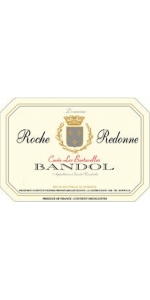
Roche Redonne Bandol Rouge Les Bartavelles is made from 95% Mourvedre and 5% Grenache.
This cuvée is named "Bartavelles" which is French for the "Rock Partridge".
The wine is quite aromatic, with boysenberry, blackcurrant, peppery and graphite notes. Ample in the mouth with a creamy structure, soft, harmonious and elegant tannins. The finish is long and juicy.
Excellent with grilled red meat or game. Also excellent with cheese
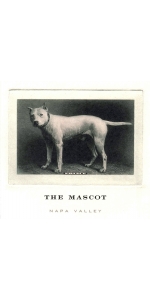
Mascot is a small-production label founded by Will Harlan in Napa Valley. The wines under this label are made from the younger vines of Harlan Estate, BOND, and Promontory, but The Mascot bottles share an exclusive preview at the development of their estates. Founded as an initial experiment to see what the young vines were capable of producing, the wines were initially only shared with close friends and family. By 2008, Will officially released the first vintage to the public since production had increased significantly. They create just one wine made from Cabernet Sauvignon, and the bottle is aged for five years before release. Assembled into a single, youthful expression, this wine shares a glimpse into the evolution and pedigree of its parent estates.
Tasting Notes:
A mild winter with scant rainfall introduced the 2020 growing season. Conditions remained pleasantly even-keeled throughout the spring, except for some light precipitation in March. It is worth noting that decades of research and steady viticultural progress have enabled our vines to begin achieving tannin and textural ripeness earlier in the season, and this fact—along with the drought conditions experienced in preceding years—led to one of the earliest picking windows in our history. This development proved crucial to the 2020 vintage, when we were fortunate to have fully completed our harvest before the Glass Fire began in late September. A vibrant purity manifests within this vintage’s generosity, which advances without excess of weight or volume. Aromas of gentle red fruit give way, eventually, to a savory darkness and finely wrought core. An effortless, structural tension transforms into a silky softness on the palate that envelopes The Mascot’s inner depth and dimension. The 2020 vintage resonates rather than roars: its intricate threads of tannin, acidity, and nuance interweave to form a complete expression that shimmers with sensory detail.
Mas Redonne Bandol Rose is made from 55% Mourvèdre, 35% Cinsault, 10% Grenache.
Nice light salmon color, typical of Bandol.
The wine expresses some citrus, Pomelos (a delicious type of grapefruit) and lots of white fruit aromas and minerality.
The flavors are fresh, fruity and very aromatic with tons of apricot and mango.
Grilled salmon, chicken dishes as well as salads, sushi and sashimi.
Review:
"Light, shimmering orange. Vibrant strawberry, blood orange and nectarine qualities on the highly perfumed nose, along with building mineral and floral notes. Taut and focused on the palate, offering intense red berry, orange zest, fennel and lavender flavors braced by an undercurrent of chalky minerality. Finishes floral and impressively long, with reverberating mineral and red berry notes. - Josh Raynolds"
- Antonio Galloni's Vinous (June 2021), 92 pts
Domaine Roche Redonne, founded in 1979, is a family owned winery run by Henri and Geneviève Tournier. The property is located on the foothills of the Bandol appellation, along the Mediterranean Coast, in the town of La Cadière d'Azur. It is surrounded by olive trees and garrigue (wild herbs).
Guilhem, the son, is already involved in the winemaking process.
The 12-hectare vineyard is farmed under organic methods. Both Henri and Geneviève focus on the work in the vineyard in respect of the environment. The vines are 40 years old on average, with the youngest vines at 20 years and the oldest at 60 years. The yields are very low, and the steep hilled vineyards can only be harvested by hand.
Vinsacro Dioro Seleccion is made from 100% Vidau (Blend of the de varietals Tempranillo, Graciano and Mazuelo with predominance of 70+ years old Garnacha).
A wine to enjoy.Vinsacro Dioro, a wine inspired by the Egyptian, Greek and Roman cultures that worshipped wine and gave it a sacred meaning associated with joy and festivity. It is the fruit of our best vineyards, living witnesses to the work and passion of the four generations that preceded us.
Pair with Roast lamb or pork, game, beef steaks, stewed meats. During the aperitive, it will accompany as well with aged and blue cheese.
14% Vol.
Grapes selected manually from our vineyards located on the southern slopes of Monte Yerga in the “Cuesta la Reina” estate. Grapes that are harvested with the utmost care, transported at low temperature in fruit boxes to the winery to avoid any damage to the fruit.
Fermentation is carried out with indigenous yeasts and the wine is kept in maceration for 30 days while breaking the cap daily. Afterwards, the wine is transferred to oak barrels where it remains for 17 months before bottling.
"Really sophisticated and polished with vanilla, coffee, earth and spice scents and oaky flavours. Long, brooding finish."
- Decanter World Wine Award (April 2022), 94 pts
"The 2019 Vinsacro Dioro Selección is a Vidau field blend sourced from Monte Yerga in Rioja Oriental. Aged for 18 months in French and Eastern European oak barrels, it is only released after five years in the cellar. Dark garnet in color, time in the glass reveals soy sauce, bay leaf and thyme notes, along with black fruit and chutney-like undertones. Dry and rich on the palate, it flows with softened tannins and a clingy mouthfeel, lingering long with an impression of tomato leaf. This is a complex, nuanced and solar red that will warmly captivate your palate. - Joaquin HIDALGO"
- Antonio Galloni's Vinous (April 2024), 94 pts
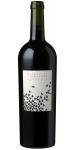
60% Cabernet Franc, 29% Cabernet Sauvignon, 11% Merlot
The 2019 Paramour entices with notes of blueberry, iris, leather, chocolate cake, and cigar on the nose. A rich attack of layers of flavor include cherry, plum, coffee, and chocolate with bright acidity. Soft and silky tannins lead to a long finish, with cherry, blueberry, plum, and currant lingering on the palate.
Review:
A blend of 60% Cabernet Franc, 29% Cabernet Sauvignon and 11% Merlot, the 2019 Paramour Proprietary Red was sourced from the Schifflet, Hudson and Stagecoach Vineyards. Blessed with floral notes, licorice and black cherries on the nose, this looks like the pick of the litter and is one reason why Napa Cabernet Franc prices are what they are. This is full-bodied and rich yet seemingly weightless, despite being concentrated, long and velvety. This is just lovely stuff.
Robert Parker's Wine Advocate 97 Points