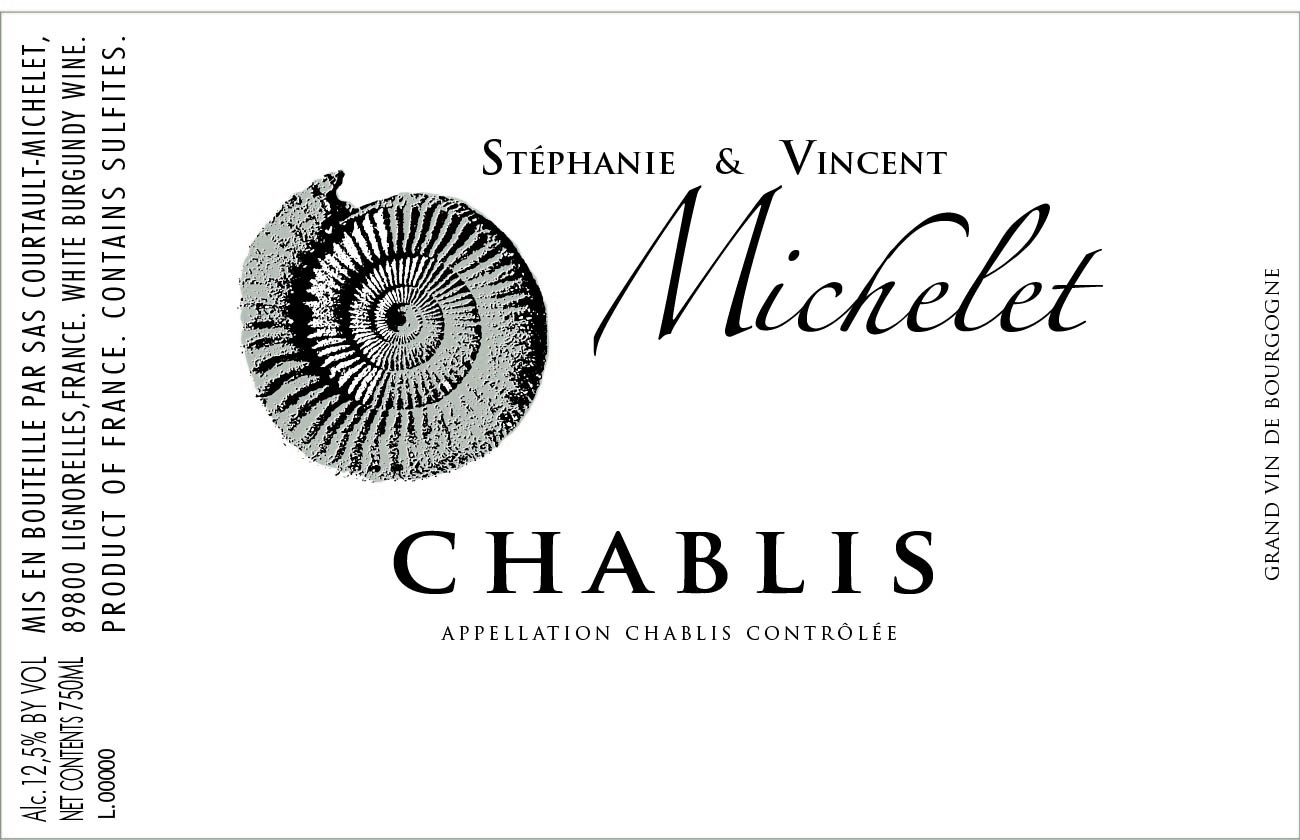
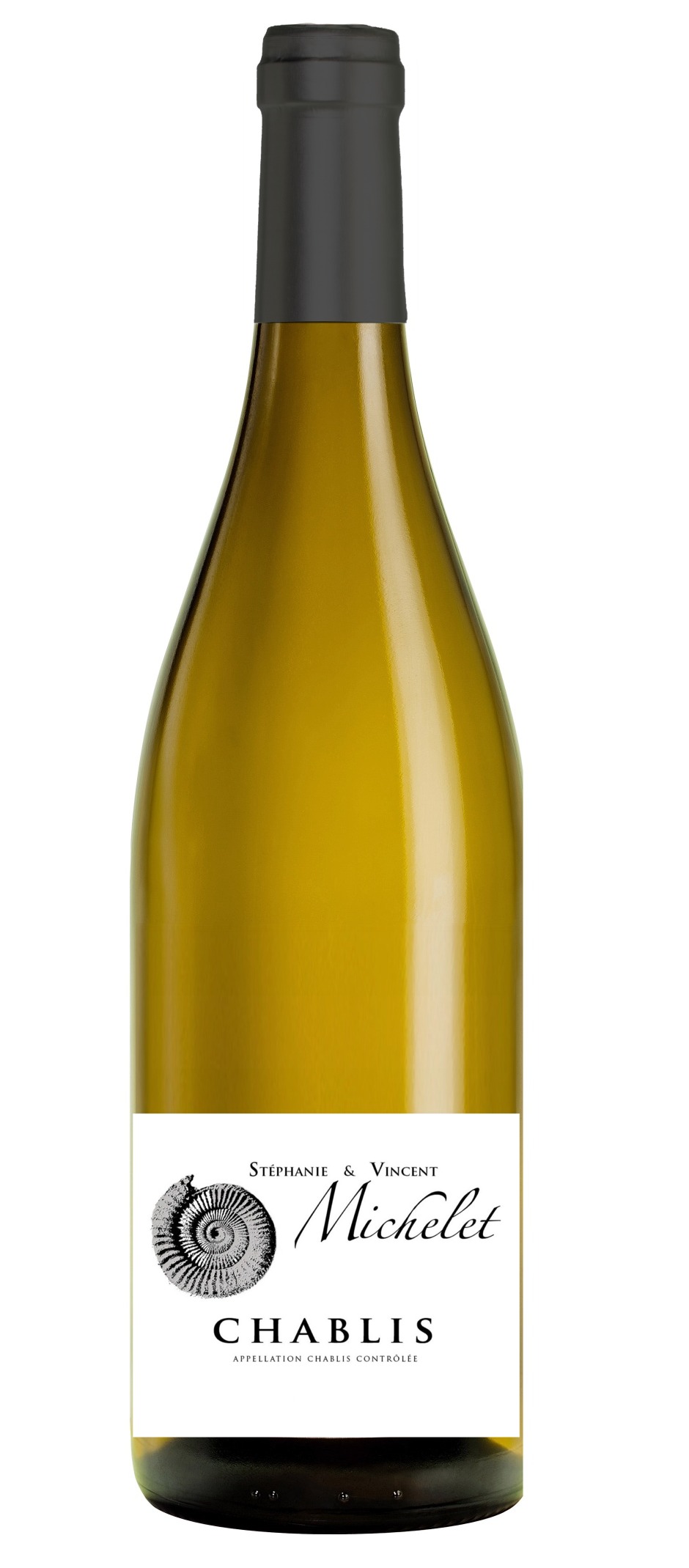
" We don't sell the wine without touching the vine "
| Country: | France |
| Regions: | Burgundy Chablis |
| Winery: | Jean-Claude Courtault |
| Grape Type: | Chardonnay |
| Vintage: | 2015 |
| Bottle Size: | 750 ml |
Michelet Petit Chablis is made from 100 percent Chardonnay.
Golden color. White flowers, fresh, lime and citrus aromas. Pleasant mouthfeel, supple, crisp, fruity flavors.
Machine harvested at full maturity (around Sep. 25th - lasts 12-18 days); pneumatic press; fermentation in temperature controlled stainless steel tanks for 8-10 days; M.L (2 months after the harvest); aging on the lees until February; racking; fining if necessary; cold stabilization; filtration right before bottling in April.
Ideal as an aperitif, the wine is an excellent companion to seafood.
Pazo de Senorans Seleccion de Anada Albarino is made from 100 percent Albarino.
Straw yellow with greenish tints, vivid and brilliant. High intensity and very expressive. Profusion of aromas with traces of mineral. Great volume and ample body leaving a lasting impression from beginning to end.
Reviews:
The 2015 Albariño Selección de Añada is nothing short of phenomenal. For some reason, I hadn't tasted the young 2015 Albariño at the time it was released. It comes from the Los Bancales vineyard planted some 50 years ago and fermented with indigenous yeasts but without malolactic fermentation. It has a bright, almost fluorescent color and a complex, subtle and nuanced, elegant and expressive nose, with notes of sea shells and sea breeze, grass and white flowers. It's very clean, and the palate shows great balance and even feels a bit young. It has remarkable acidity and freshness (seven grams of tartaric acid) with good ripeness and 13% alcohol. This matured in tank with lees for over 30 months and was bottled in June 2024. It feels more serious and less exotic than earlier vintages. 18,000 bottles produced. This is the finest vintage that I can remember. Bravo!
-Wine Advocate 97 Points
Tech:
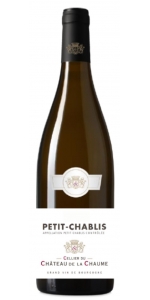
Cellier du Chateau de la Chaume Petit Chablis is made from 100 percent Chablis.
Color: Pale yellow
Bouquet: White flowers, honeysuckle, linden tree and dried fruits.
Palate: Very pleasant, balanced with tension and nice minerality
Drink as an Aperitif or pair with fish, shellfish.
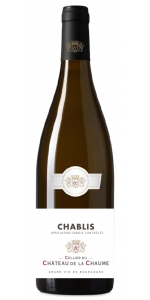
Chaume Chablis is made from 100% Chardonnay.
Light yellow color. The wine displays aromas of white flowers, honeysuckle, linden, citrus as well as white and dried fruits.
In the mouth, the wine is well balanced with tension and a nice classic minerality found in Chablis.
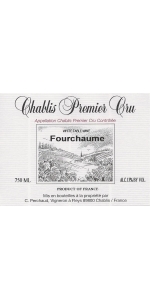
Corinne Perchaud Chablis 1er Cru Fourchaume is made from 100 percent Chardonnay
Elegant citrus aromas. Concentrated and finessed, combining flavors of dried fruit with slight hints of woody notes. Perfect balance between body and acidity, long and persistent finish. This one is drinking great now, but as with all exceptional Chablis, it is possible to pay it down for years to come.
Made from 35 year old vines. The owners take great care to produce exceptional Chablis wine by keeping the lively Chardonnay fruit and the unique mineral quality imparted by the Kimmeridgian soil, the fruity acidity and bouquet in perfect balance. The grapes are harvested by hand and gently pressed in a horizontal pressoir to ensure the fullest extraction and range of flavors and aromas.
Pair with Scallops Jacques cream, roast veal with oyster mushrooms.
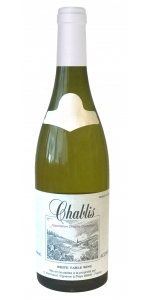
Corinne Perchaud Chablis is 100 percent Chardonnay.
A classic Chablis with aromas of ripe white fruits and a taste of rich minerals.
The Vineyards The plots are in Chablis located predominantly on the village of Fleys, but also on the common Chichée and Fontenay, their total area is 13 hectares. They are mostly north and north-west oriented. The ground floor is Kimmeridgian marl consisting clay and limestone. The oldest of of the vines is 35 years. Winemaking After a slight settling, the juice is put in stainless tanks to achieve its fermentation both alcoholic and malolactic. Ther is a long aging on lees to refine the flavors and develop complex flavors. If necessary, we make a collage of Bentonite to remove proteins and a passing cold which eliminates tartar crystals. Then we perform a tangential filtration method friendly to the wine. The wine is bottles between 14 and 21 months after the harvest.
Pairs well with Oysters or shellfish and Sole Meunière.
100% Chardonnay, machine harvested at full maturity ; pneumatic press; fermentation in temperature controlledstainless steel tanks for 8-10 days; M.L (2 months after the harvest); aging on the lees until February; racking; fining if necessary; cold stabilization; filtration right before bottling in April.
Golden color. White flowers, fresh, lime and citrus aromas. Pleasant mouthfeel, supple, crisp, fruity flavors.
Ideal as an aperitif, the wine is an excellent companion to seafood
Review:
"This wine’s flavors of lemon and chalk feel electric, buzzing with fragrance, the green fruit notes taking on lovely fullness in a generously warm vintage while sustaining a fresh profile from beginning to end."
- Wine & Spirits Magazine (Year's Best White Burgundies, April 2018), 92 pts - BEST BUY
The Jean-Claude Courtault Estate
This is a family owned winery founded by Jean-Claude Courtault in 1984. A native of Touraine, Jean-Claude Courtault arrived in Lignorelles in 1974 to work as a vineyard manager for one of the villagees wine estates. In 1984, JC Courtault purchased 1.5 hectare of 4 year old vines in the Chablis area. Then, he rented a piece of land in the Chablis appellation area that he planted with the help of his wife, Marie-Chantal.
They released their first vintage in 1987 and the same year they were rewarded a gold medal at the "Concours Genaral des Vins de Paris" competition. This medal was just the first of many awards and prizes that have punctuated JC Courtaultes career, as a recognition of the quality and consistency of his wines. In 1995, the estate measured 12 hectares and progressively expanded to reach now 17.60 hectares in production. The total annual production for the Domaine is 1000 hectoliters on average, split between Chablis and Petit Chablis.
Jean Claude has been joined recently by his daughter Stephanie and her husband.
The Jean-Claude Courtault Estate Vineyard
This is a 18 hectare vineyard (44.50 acres), of which 17.60 are in production. The rest is planted to young vines. The vineyards are located in the communes of Beine, Lignorelles, Chablis, Fye and Villy.
All vines average 15 years of age or older with intense vine density of 6,000 plants per hectare. Pneumatic presses are used along with temperature controlled fermentation vats. Only stainless steel vats are used, not oak barrels.
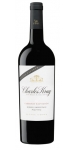
Charles Krug Family Reserve Howell Mountain Cabernet Sauvignon is made from 100 percent Napa Cabernet Sauvignon.
Rising 1,650 feet above the Napa Valley floor on the southwestside of Howell Mountain, the Family Reserve Howell MountainCabernet Sauvignon sits above the fog line. The distinctiveclimate, along with volcanic and iron-rich red soils, producefruit with great balance and intensity.
Review:
The 2017 Cabernet Sauvignon Limited Release Cold Springs is the most distinctive of the wines in this range of limited-release Cabernets from Charles Krug. Gravel, licorice, menthol and spice all develop in a Howell Mountain Cabernet endowed with tremendous class and nuance.
-Vinous 92 Points
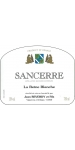
Jean Reverdy Sancerre Blanc is 100% Sauvignon Blanc
Single vineyard. Vinification: cold fermentation in stainless steel tank, no oak, no malolactic fermentation.
Sweet, fruity and clean. White flowers (acacia, jasmine) and citrus fruits aromas. Perfectly balanced.
A delicious wine, perfect with fish dishes, especially salmon, and a local goat cheese Crottin de Chavignol.