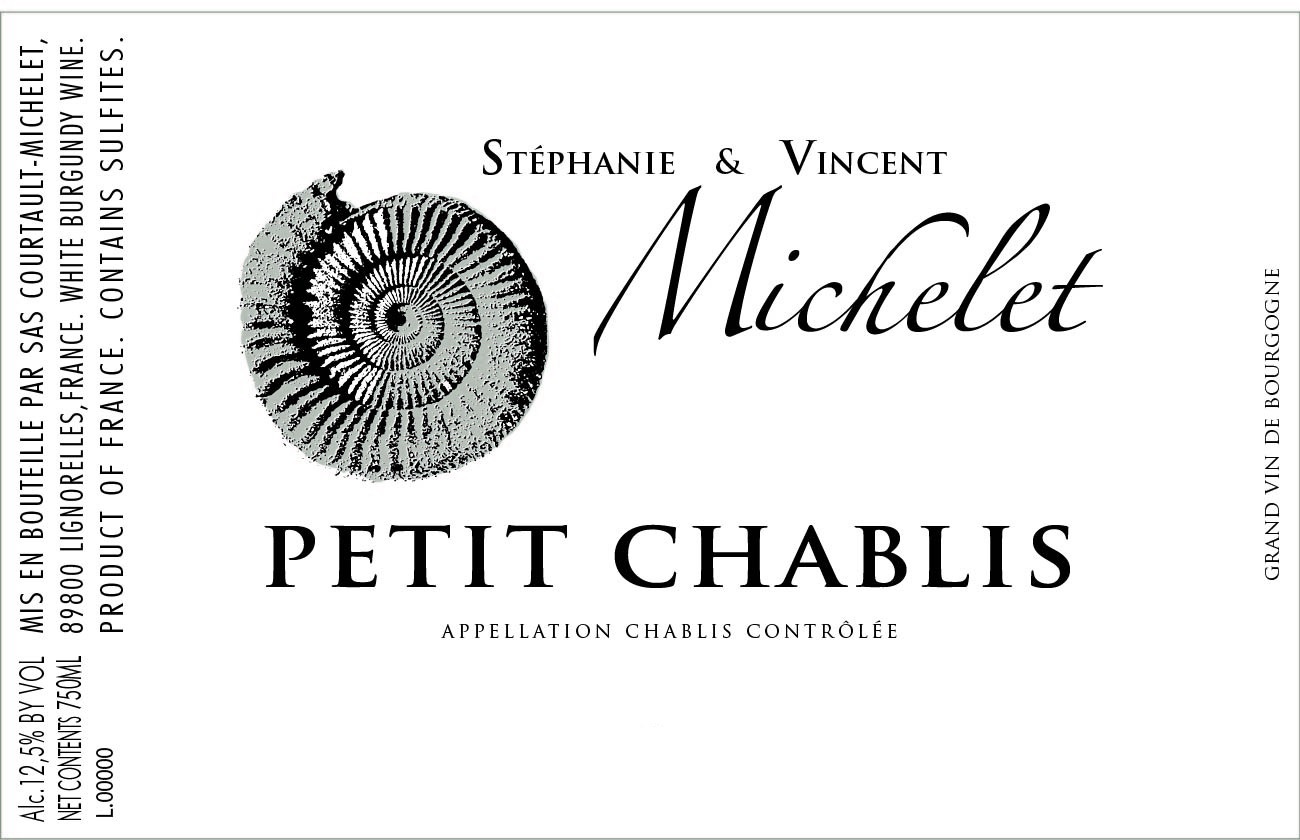
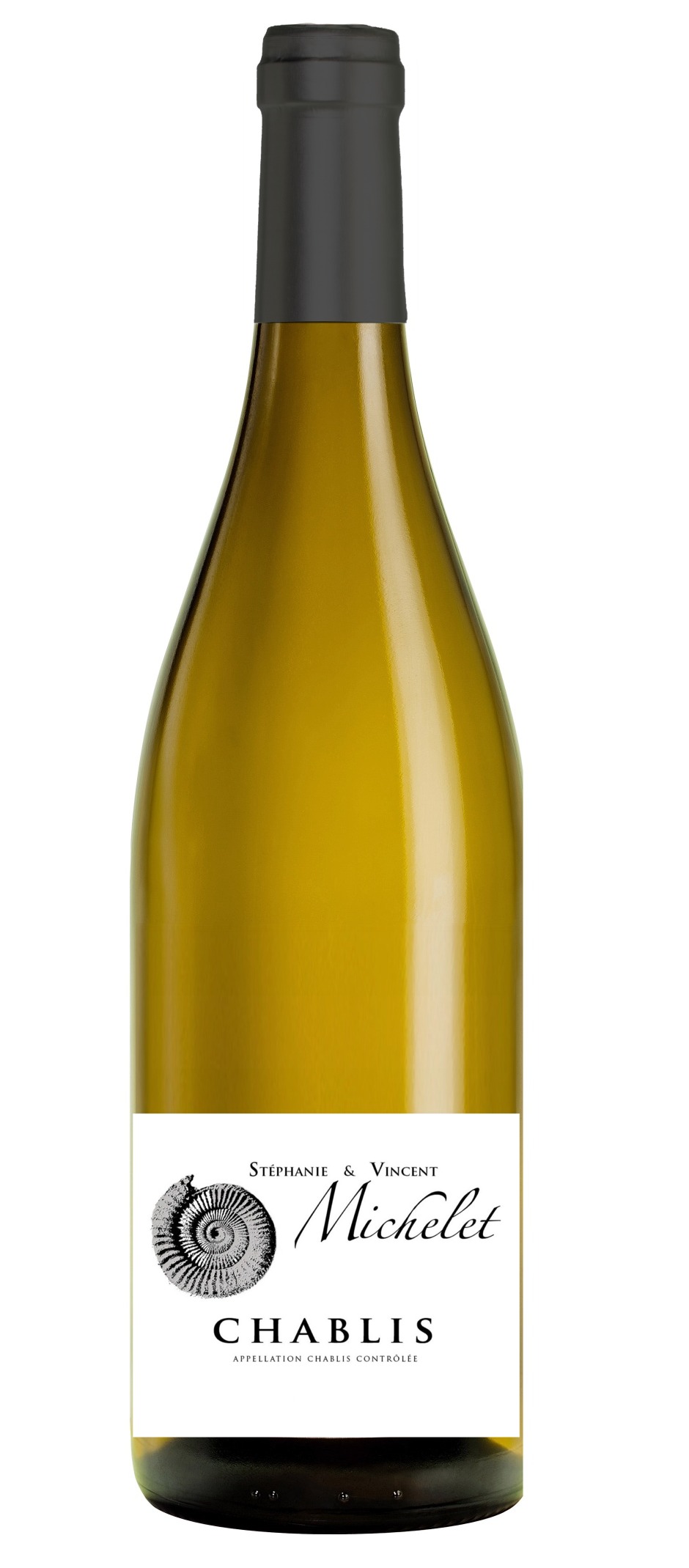
" We don't sell the wine without touching the vine "
| Country: | France |
| Region: | Burgundy |
| Winery: | Courtault-Michelet |
| Grape Type: | Chardonnay |
| Organic: | Yes |
| Vintage: | 2021 |
| Bottle Size: | 750 ml |
Michelet Petit Chablis is made from 100 percent Chardonnay.
Golden color. White flowers, fresh, lime and citrus aromas. Pleasant mouthfeel, supple, crisp, fruity flavors.
Machine harvested at full maturity (around Sep. 25th - lasts 12-18 days); pneumatic press; fermentation in temperature controlled stainless steel tanks for 8-10 days; M.L (2 months after the harvest); aging on the lees until February; racking; fining if necessary; cold stabilization; filtration right before bottling in April.
Ideal as an aperitif, the wine is an excellent companion to seafood.
Cellier du Chateau de la Chaume Petit Chablis is made from 100 percent Chablis.
Color: Pale yellow
Bouquet: White flowers, honeysuckle, linden tree and dried fruits.
Palate: Very pleasant, balanced with tension and nice minerality
Drink as an Aperitif or pair with fish, shellfish.
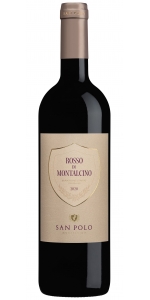
Bright and glossy ruby red in color. On the nose it reveals aromas of small fresh berries and a trace of sour cherry, melded with hints of blackberries and black cherries, followed by a hint of vanilla. A fragrant wine with satisfying intensity. On the palate it is warm, smooth and a medium-bodied with finely-balanced tannins. Dry and sinewy yet fresh with a persistent, aromatic finish.
It naturally accompanies dishes that are typical of Tuscan cuisine with its bold, authentic flavors, such as pasta and risottos made with mushrooms or truffles, pork, grilled meats and medium-matured cheeses.
Review:
Notes of ripe cherries, dried flowers and walnuts with hints of anisette and licorice. Medium- to full-bodied, compact and dense with creamy tannins and steady acidity. Weighty and structured. Drink or hold.
-James Suckling 91 Points
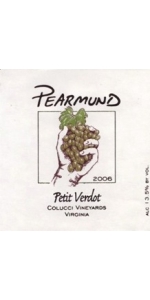
Pearmund Cellars Petit Verdot is made from 100 percent Petit Verdot.
Blackberry aromas with rich plum flavors. Well-rounded tannins and a smooth finish. Earthy, rustic, and warm. Limited production.
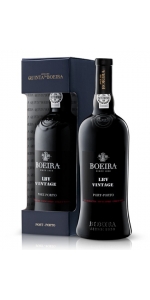
On the nose there are fresh and intense aromas of black fruit with spicy notes.
On the palate, the flavor of black fruits (cherries and blackberries) is balanced by ripe, soft tannins with an intense and long finish.
Pair as digestive or pairing with strong cheeses and dark chocolate desserts.
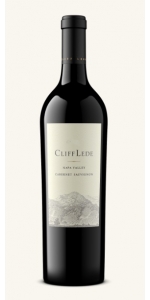
Clif Lede Cabernet Sauvignon Stags Leap is made from 82% Cabernet Sauvignon, 8% Merlot, 7% Cabernet Franc, 3% Petit Verdot.
Our Stags Leap District and Calistoga estate vineyards build the foundation of this wine with support from valued grower sites located in Oakville, Rutherford, and Howell Mountain. Composed of small batches from a variety of blocks of varying age, this wine represents a diverse range of carefully selected rootstocks and clones. Yields are maintained at sparse levels, with a focus on canopy management and vine balance. The resulting blend boasts a remarkable depth and complexity that is quintessential Napa Valley.
Grapes were picked in the darkness of the early morning hours. The freshly-harvested fruit immediately underwent rigorous selection by our three-tiered sorting process, which included our cutting-edge optical sorter. Whole berries were gently delivered by gravity to tank using our crane system, minimizing disruption of berry integrity. Cold soaks lasted approximately seven days, and fermentations were managed via a combination of délestage, pumpovers, and punchdowns. Extended maceration ranging from four to five weeks fine-tuned our tannin profiles, allowing us to perfect mouth feel and wine complexity. The wine was aged in French oak barrels, 48% of which were new, for twenty-one months.
Elegantly soft and lithe the 2021 coaxes the taster with warm dark chocolate and luscious black cherry aromas. More graphite, chocolate cake, crushed mulberries, and iron notes leap from the glass. The entry is filled with dark fruit flavors of cassis, blackberry, and blue berries and they’re all tinged with floral notes of jasmine and violets. The polished tannins along the finish feel Cashmere-like and beg the taster for another sip. – Christopher Tynan, Director of Winemaking
Review:
So silky and drinkable at the first sip, this well-concentrated wine feels tight and restrained with more tastes, holding its trove of black fruits, cedar, cinnamon and dark chocolate in a rich blanket of extra-fine tannins. Its complexity, layering and lingering finish are something special.
-Wine Enthusiast 94 Points
Michelet Petit Chablis is made from 100 percent Chardonnay.
Golden color. White flowers, fresh, lime and citrus aromas. Pleasant mouthfeel, supple, crisp, fruity flavors.
Machine harvested at full maturity (around Sep. 25th - lasts 12-18 days); pneumatic press; fermentation in temperature controlled stainless steel tanks for 8-10 days; M.L (2 months after the harvest); aging on the lees until February; racking; fining if necessary; cold stabilization; filtration right before bottling in April.
Ideal as an aperitif, the wine is an excellent companion to seafood.
Domaine Courtault-Michelet Estate
This is a new Estate, founded by Stephanie Courtault and her husband Vincent Michelet.
Stephany is the daughter of Jean Claude Courtault, who runs a family winery founded in 1984. Jean Claude arrived in Lignorelles in 1974 to work as a vineyard manager for one of the village's wine estates. In 1984, JC Courtault purchased 1.5 hectare of 4 year old vines in the Chablis area. Then, he rented a piece of land in the Chablis appellation area that he planted with the help of his wife, Marie-Chantal. This dynamic estate aims to fuse tradition with modernity.
Date Founded: 1984
A native of Touraine, Jean-Claude Courtault arrived at Lignorelles in 1974 to work as Vineyard Manager for one of the village's wine estates.
In 1984, JC Courtault seized the chance to buy 1.5 hectares of 4 year old vines in the Chablis area. Next, he rented a plot of land in the Chablis appellation area, which he then planted up with the help of his wife, Marie-Chantal. And so the Estate Jean-Claude Courtault came into being.
JC Courtault enlarged and worked his vineyard over time, whilst still fulfilling his duties as Vineyard Manager. He began producing wine, and in 1987, the process of bottling and marketing started. That year's wine was rewarded with a gold medal at the "Concours Général des Vins de Paris" competition. This medal was just the first of many awards and prizes that have punctuated JC Courtault's career, a mark of the quality and consistency of his wines.
The 1994 edition of the Guide Hachette gave something of a commercial boost to the Estate Jean-Claude Courtault, after it awarded the 1992 Chablis a favourite buy distinction.
In 1995, with the estate boasting a dozen hectares of Chablis and Petit Chablis, Jean-Claude Courtault decided to devote himself to wine-growing on a full-time basis. He built a wine storehouse that included all the features necessary for optimal operating efficiency.
The estate has continued to develop its vineyard and now boasts a total of 17.60 hectares in production. This development drive is due to continue, with the arrival of Stéphanie, daughter of JC and MC Courtault, and her husband, Vincent Michelet. From now on it will be up to them to take up the challenge of producing Chablis wines.
The estate produces three of the four appellations found in the Chablis wine-growing region : Petit Chablis, Chablis, Chablis 1er Cru and Chablis Grand Cru Valmur
Some 50,000 bottles are sold in France and abroad.
Domaine Courtault-Michelet Vineyards
The wines of the Estate Jean-Claude Courtault are particularly renowned for their strong fruit character, the wine-grower's signature, if you like. These wines are regularly singled out for their quality, as can be seen in the Guide Hachette and various competitions - concours de Paris, Mâcon, Vignerons Indépendants. The Estate Jean-Claude Courtault sells and produces wines that have come from the estate's own vines.
The estate's vines are planted in accordance with the tradition of the Lignorelles area, in other words, every 5 rows, sufficient space is left for a tractor to pass. Planting density is on average around 6000 to 7000 vines per hectare, roughly equivalent to the mean for the Chablis wine-growing region.
This vineyard is sited on relatively hilly ground. Some plots have required considerable work on them before planting, with gradients of up to 1 in 2.5 (40%) possible. The oldest plots have 35 year-old vines.
Grape Harvest generally begins at the end of September and lasts between 12 to 18 days, depending on the year. Our main aim is to harvest the grapes at their optimal ripeness. This allows us to obtain a higher sugar content in the grapes whilst still maintaining pH and acidity at the levels needed to make a well-balanced wine.
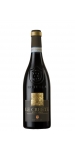
Ottella Lugana DOC Le Creete is made from 100% Turbiano (clonal type of Trebbiano di Lugana)
PRODUCTION AREA: S. Benedetto di Lugana. The grapes are harvested exclusively from our own vineyards; harvesting is strictly manual in small 17kg-crates
TRAINING METHOD: Guyot, double arc
Golden, warm, intense straw yellow. Immediate exotic notes.
It develops in a very pleasant fashion, good mineral impression Rich, succulent and well balanced for a truly
satisfactory mouthfeel. Mineral on the finish with just enough acidity to
provide lift and depth.
FOOD: Sea or lake fish to bring out its outstanding features; goes well with white meat and soup, and has quite a surprising affinity with tasty cheese
ALCOHOL BY VOLUME: 13% vol
SERVING TEMPERATURE: 10-12 degrees Celcius
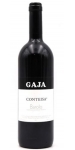
Gaja Barolo Conteisa is made from 100 percent Nebbiolo.
Piedmontese for "quarrel," this wine was named for the historic dispute between the communes of La Morra and Barolo for possession of the Cerequio land. This garnet-colored wine features expressive floral notes and an aroma of red berries, plum, licorice and spice. The sumptuous texture and refined character offer perfectly integrated tannins and an elegant finish.
STYLE: Full-bodied, Rich, Balanced
FLAVOR: Floral, Red Berries, Plums, Licorice, Spice
Reviews:
This is a really enticing wine with an open and vivid nature that tells you right away it is Barolo, but it’s polished and sweetly tannic. You want to taste and taste. It’s medium- to full-bodied with rounded tannins and a savory finish. Juicy and so approachable now. Better in a couple of years, but hard to resist now. Try after 2026.
James Suckling 98 Points