" We don't sell the wine without touching the vine "
| Country: | South Africa |
| Region: | Swartland Region |
| Winery: | Mullineux Family Wines |
| Grape Type: | Chenin Blanc |
| Organic: | Yes |
| Vintage: | 2015 |
| Bottle Size: | 750 ml |

Babylons Peak Chenin Blanc is made from 100 percent Chenin Blanc.
Babylon's Peak winery, situated on the highest weathered granite slopes of the Paardeberg Mountain, is privately owned by the Basson family who has passed down the tradition, passion and art of winemaking over four generations. Predominantly low-yield dryland bushvines are selected to produce these excellent wines with distinctive character.
The Chenin Blanc grapes were picked from very old dryland bushvine vineyards. The vineyard grows on weathered granite soils, contributing to the flavor of the grapes and mineral character of the wine. Production is limited to 5 tons/ha.
The grapes were harvest by hand at 22.1°B. The grapes were destalked and lightly crushed. Only the first 450 litres free-run juice per ton were fermented in stainless steel tanks at a cold temperature (10-12°C) for 21 days. The wines was left on the fermentation lees until bottling.
A crisp, fresh and fruity Chenin Blanc from low-yield dryland bushvines.
Pairs with salads, seafood, chicken and other light dishes. The perfect wine for every occasion.

Kasteelberg Chenin Blanc is made from 100 percent Chenin Blanc.
The Kasteelberg range of wines celebrates the discovery of the Riebeek Valley and the Kasteelberg mountains in 1661. Kasteelberg stands sentinel over the fertile valley below. From the slopes of the mountains, hand-selected grapes are expertly crafted with care to produce rare and expressive wines.
Limited release, single-vineyard Chenin Blanc from hand-selected grapes from the foothills of the majestic Kasteelberg Mountain, Kasteelberg Chenin Blanc embodies excellent craftsmanship that transforms the harsh Swartland terroir into the pinnacle of our winemakers’ art.
Together with the age-old tradition of Dry Land viticulture, it resulted in an elegant, aromatic and richly textured wine, with characteristics typical to Chenin Blanc grown under these conditions. Citrus, lemon zest, ripe apple and tropical flavors are only some of the flavors that charm the nose. The palate follows through with flavors of melon, a touch of spice and well-integrated wood for exceptional balance and a luxurious, lingering finish.
Once harvested, the grapes are hand-sorted, de-stemmed & crushed into temperature-controlled gravitational drainers. Only the free-run juice is chilled and settled overnight. The juice is then racked off into new, 300 L, oak barrels (50% French oak, 50% Hungarian oak) and wild yeast fermented in the barrels. Fermentation is temperature controlled and lasted around 22 days. The wine is then matured in the oak barrel on the gross lees for 12 months before being racked off, filtered and bottled. After bottling the wine is further bottle-matured for at least 6 months before release.

Riebeek Chenin Blanc is made from 100 percent Chenin Blanc.
As the unofficial drink of the Riebeek Valley, the Riebeek Chenin Blanc is the perfect every day wine that offers uncomplicated quality for the novice and connoisseur alike.
Packed with upfront tropical fruit, the nose charms with an abundance of guava and gooseberries. The pallets follows through with fruit flavors, balanced by a crisp acid to ensure a fresh and fruity style of wine.
Grapes came from both bosstok and trellised vines with some of the vineyards as old as 46 years. Fermentation was done at lower than usual temperatures to capture the fresh fruit flavors.
Very accessible and suited to almost every occasion, the Riebeek Chenin Blanc never disappoints.

The Royal Chenin Blanc Old Vines Steen is 100 percent Chenin Blanc.
As the unofficial drink of the Riebeek Valley, Chenin Blanc is the perfect every day wine that offers uncomplicated quality for the novice and connoisseur alike. Packed with upfront melon fruit, the nose charms with an abundance of guava and gooseberries as well as the signature hint of honey. The palate follows through with fruit flavors balanced by a crisp acid to ensure a fresh and fruity style of wine.
Enjoy well-chilled as a lovely crisp glass on its own but ideal for al fresco dining and with light summer fare. Beautiful with salads, anti pasti and seafood.

Alexandre M Mon Chenin Cuvee 23 NV is made from 100% Chenin Blanc.
Mon Chenin means "My Chenin". This is Alexandre Monmousseau's personal view of what the Chenin blanc grape from France is - full of floral and fresh white fruits, a palate of yellow fruits and floral flavors, finishing clean, fresh, and dry.
Serve as Apéritif, seafood, fishes with buttery sauce, Asian cuisine, hard cheeses.

Brulesecaille Blanc Grande Reserve is made from 75% Sauvignon Blanc, 25% Sauvignon Gris.
Average age of the vines is 25 years.
Manual harvest from September 19th-20th 2016.
Direct press at low pressure (whole cluster) with low amount of SO2, settling at 10°C.
Addition of yeast and alcoholic fermentation in casks 400 liters.
Raised on the lees for 6 months with regular batonnage (stirring of the lees).
Bottling in april 2017.
Fish, seafood, white meats, fine goat cheeses.
This wine is part of our Single Terroir range, which consists of wines showing a great expression of the terroir from which they come.
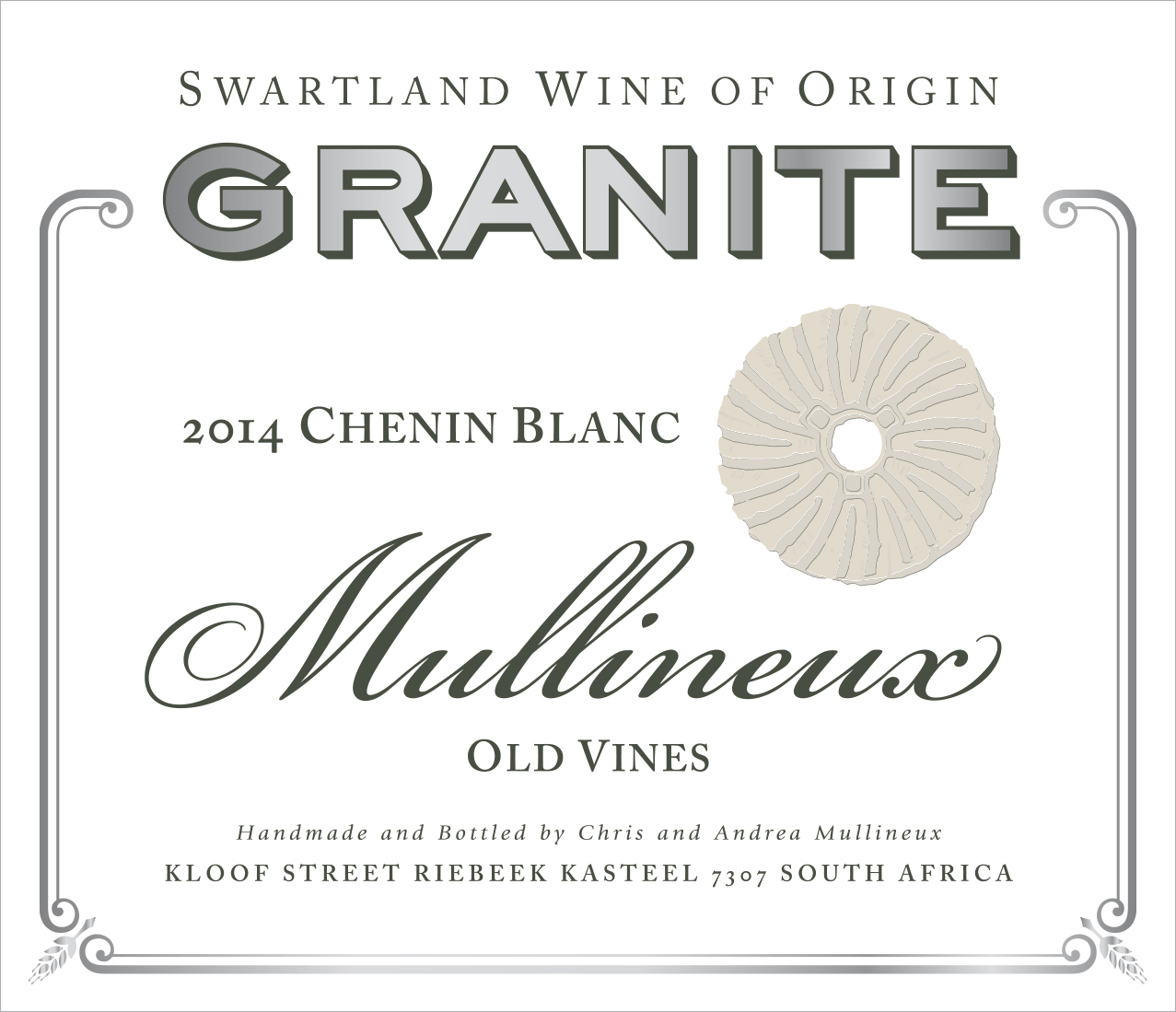
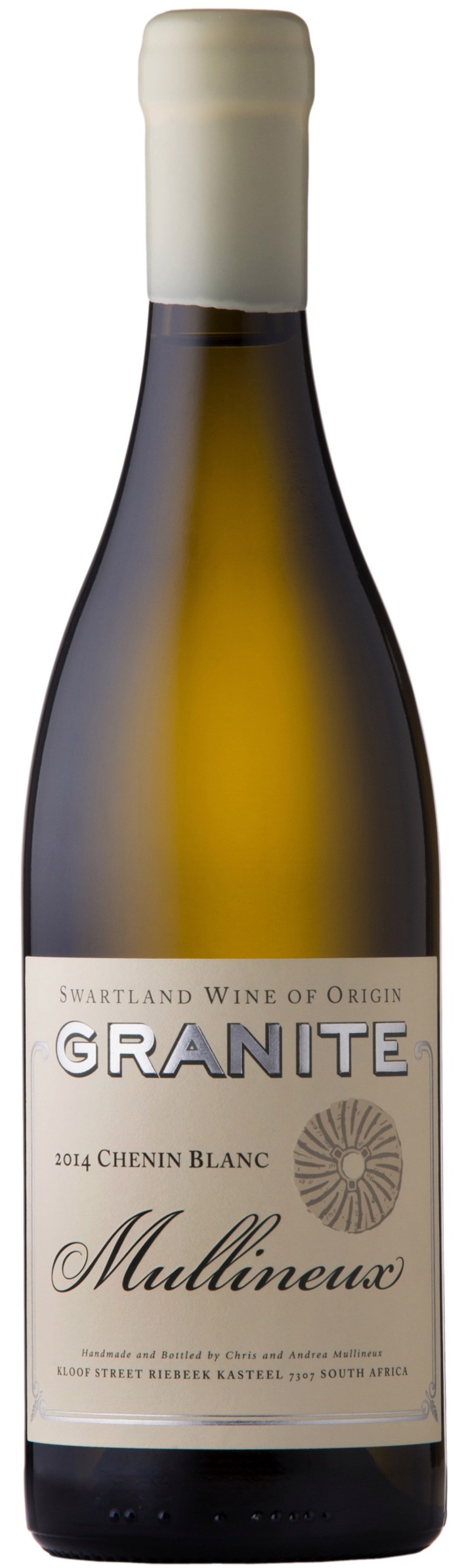
Grapes for our Granite Chenin come from 2 parcels of sustainably farmed old vine, dry farmed Chenin Blanc bush vines planted in the decomposed Granite soils of the Paardeberg Mountain. The Vineyards are 38 and 42 years old respectively. These very deep decomposed Granite soils tend to produce wines with great acidity and a flinty, stony aromatic profile.
The Granite Chenin tends to exhibit a fantastic natural acidity that balances out the texture and mid-palate that all Swartland white wines possess. The nose is flinty with some stone fruit and citrus aromatics. Best served at about 12 °C, this wine will show optimally if decanted when drunk within the first 3 years after bottling.
"Even better than last year’s maiden release, this comes from two sites in the Swartland and is fermented in larger, neutral oak. It’s a deliciously poised expression of Chenin with steely acidity, stony minerality and flavours of quince, apple and baking spices. Brilliant winemaking. Drink: 2016-22"
- Tim Atkin (September 2016), 93 pts
Single vineyard. So fine and expressive with apple, pear and tangerine notes, as well as minerals and spices. Linear and fresh with lovely brightness. 95 Point Jamie Goode
The Mullineux Family Winery Estate
This is a small, highly focused family winery producing a select family of hand-crafted wines from the granite and shale based terroirs of the Swartland Region of South Africa.
Chris was born in Cape Town, raised in Johannesburg, and introduced to the world of wine while studying accountancy at the University of Stellenbosch. After braving his way through accounting, he enrolled into winemaking for a second degree, and on graduating took a position starting up a boutique organic winery in Tulbagh, where he was in charge of the vineyards and cellar for 5 very enjoyable years. In addition to stints at de Trafford and Rustenberg wineries in South Africa, Chris has also worked harvests at top wineries in Cote Rotie, Bandol, the Languedoc, Roussillon, and California. Over the years Chris has had good exposure to the people, vineyards and wines of the Swartland. This has lead to a growing love for, and firm belief in the region, and he looks forward to many creative and hard working vintages in this region with his family.
Andrea developed her passion for wine at the family dinner table, growing up in San Francisco. After studying Viticulture and Oenology at UC Davis and completing a handful of harvests in the Napa Valley, Andrea decided to broaden her winemaking knowledge overseas. After a harvest in Stellenbosch, she went on to work in Chateauneuf and, on the same trip, met Chris at a wine festival in Champagne! Andrea's love for South African wine (and Chris) brought her back to South Africa where they learnt that their compatibility extended into the vineyards and cellar. When Andrea is not hard at work in the cellar, her creative energies flow into the kitchen where she loves cooking up a storm, glass of wine in hand.
The Mullineux Family Winery Vineyards
Very low summer rainfall coupled with afternoon and evening breezes off the Atlantic Ocean result in low disease pressure. Vineyards are often planted in amongst the natural rhenoster veldt and fynbos, which provide refuge for predators of vineyard pests, and help reduce the spread of disease. Weeds struggle to establish themselves and spread, making it easier to control them without the need of herbicides.
Chris and Andrea have put together a group vineyards in the most interesting parts of the Swartland, which are mostly found around the shale and schist based Riebeek Kasteel Mountain, and the granite based Paardeberg mountain.
Lammershoek - The deep white, granitic soils on Lammershoek produce wines that are exceptionally pure, with a granitic perfume that shines through in red and white varieties.
Kasteelsig - The soils, found on the rolling hills north of Malmesbury, are a deep combination of red gravel and iron, and produce dark, concentrated wines that are the flesh of our blends.
Kloovenburg - The highly varied row directions and aspects bring much complexity to wines, and the high shale content of the soils gives serious structure, and brings an earthy spicy character to syrah planted in them.
Mountain View - The soils are shale based, which drain easily, reducing vigor and providing grapes of perfume, freshness and structure.
The vineyards are planted with grape varieties (which are mostly Mediterranean in origin) that are ideally suited to the environment, and are farmed sustainably and in harmony with their surroundings: Syrah, Chenin Blanc, Grenache Blanc, Clairette, Viognier.

The 2023 Far Niente Chardonnay enchants with a bouquet of citrus, white floral, and hints of honeydew melon and nectarine. Its silky texture and bright, refreshing palate dance with flavors of lemon/lime zest and lemon verbena, culminating in a long, juicy finish that leaves the palate yearning for more.
Review:
Pure aromas of lemon confit, poached Asian pears, pastry and lanolin. The palate is medium-bodied with focused acidity and a creamy texture, giving notes of lime curd, orange blossoms, yellow apples and flint. Very well constructed and polished.
-James Suckling 93 Points

Mt Monster Shiraz is 100 percent Shiraz
Deep purple in color. Ripe cassis and black plum fruits on the nose with violets. Varietal fruit-driven palate, with cassis and dark berryfruit and spice flavors. Soft tannins compliment the fruit with mouth-filling generous finish.
French & American oak has been used sparingly to ensure maximum fruit expression is retained in the final wine.
Our Shiraz is fermented in static fermenters at controlled temperatures to retain the varietal aromatics. Once complete the wine is left for 7–10 days on skins to aide in the extraction of soft fleshy tannins and build wine structure.