
" We don't sell the wine without touching the vine "
| BUY MORE! SAVE MORE! | ||||||||||||||||||||
|
| Country: | Spain |
| Region: | Ribera del Duero |
| Winery: | Pago De Los Capellanes |
| Grape Type: | Tempranillo |
| Organic: | Yes |
| Vintage: | 2020 |
| Bottle Size: | 750 ml |
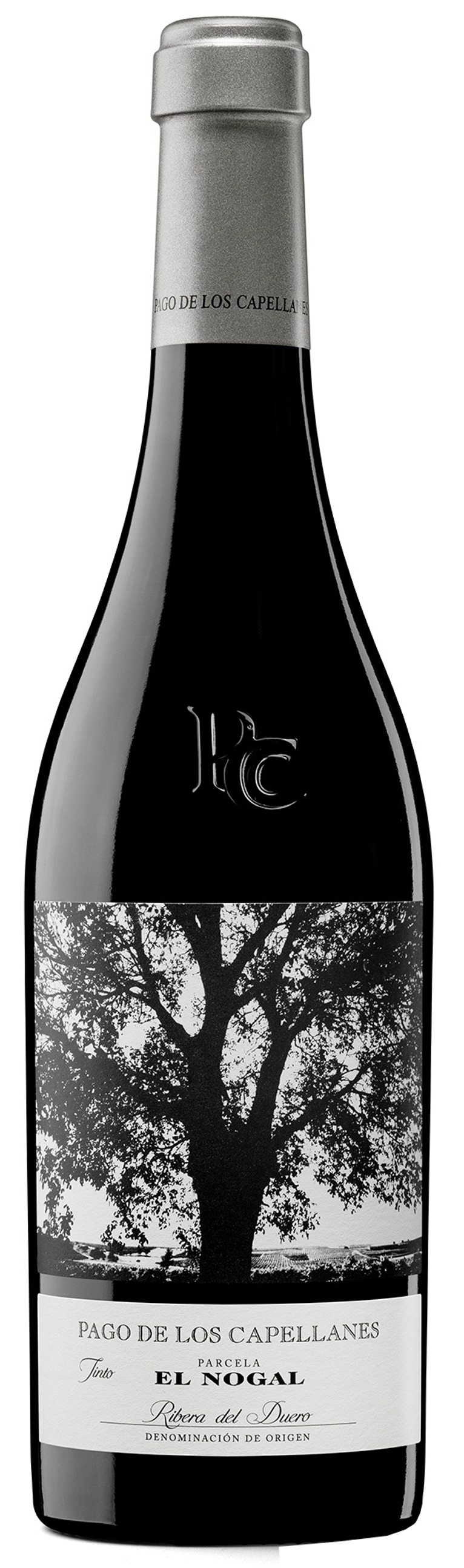
This is a single vineyard, from the parcel "El Nogal" located in the town of Mambrilla de Castrejon grown at 850 meters above sea level. (2750 feet).
A hillside of tinto fino vines red in the village of Mambrilla, a short distance from the winery. Uninterrupted views of the Duero, the wind stirring the airy branches of the large walnut tree that guards the vineyard. A place with a special gift. Its sandy, stony soils, a feeling of harmony and a special microclimate: everything seems to enhance the talent of its surroundings.
We have been vinifying the evocative grapes of this plot for the past few years to produce an endlessly charming wine. Overwhelming, powerful and exquisite. With a vitalising force.
Review:
Deep aromas of ripe blackberries, cherries, fine toasted spices, hazelnuts, chocolate and a peppery twist. Compact yet pretty energetic, with a full body and powerful yet chalky tannins. Bold but caressing, with an intense, lengthy finish. Drinkable now, but better in two more years.
- James Suckling 93 Points
Pago De Los Capellanes Estate
Pago de los Capellanes is located barely a kilometre from the village of Pedrosa de Duero, nestled deep in the heart of the Ribera del Duero region of Spain.
In the 14th century, a chaplainry existed in the village of Pedrosa de Duero. The inhabitants of the village donated small parcels of land to the chaplains in appreciation for the religious duties that they performed in the area.
Over time, the chaplainry came to have a sizeable landholding.
Some 500 years later, in 1855, the properties of the church and clergy were given over to the city council as part of the Ecclesiastical Confiscations of Mendizábal. Despite this, the inhabitants of Pedrosa continued to call the area “Pago de los Capellanes” in honour of the chaplains.
The estate was home to vineyards. Vines cultivated for generations. Today, these have grown to become one of the most prestigious wineries in the Ribera del Duero region, the Rodero Villa Winery.
The fruit of their work: Pago de los Capellanes.
Pago De Los Capellanes Vineyards
The vineyards of Pago de los Capellanes only grow Tinto Fino or Tempranillo grapes, the variety indigenous to the Ribera del Duero region.
Although the winery was initially founded with just a few select vines, we have expanded year after year with plantings of our best clones.
The plants that show the best adaptation to the soil and climate are selected in the field for further plantings. This ensures ample variety of parcels in the vineyard.
Each plot receives personalised care matching its unique features, so that we can harvest the best possible fruit.
Ruby red with soft purplish reflections. Rich and complex on the nose, very reminiscent of small fruits of brambles, black cherry and a very delicate hint of softwood. On the palate it is decisive, complex and extraordinarily persistent.
Review:
Complex aromas of ripe fruit, toffee, cedar and smoke. Medium body, round and creamy tannins and a fresh, juicy finish.
-James Suckling 94 Points
Castellare di Castellina 'I Sodi di San Niccolo' Toscana IGT is a blend of Sangioveto (85%-90%) and Malvasia nera (15-10%)
Castellare’s top wine, ranked in the Wine Spectator Top 100 on multiple occasions and recognised with the prestigious Gambero Rosso’s Tre Bicchieri and Bidenda’s Cinque Grappoli ratings. The company takes great pride in demonstrating the greatness of the Sangioveto variety, paired with Malvasia Nera, achieving a worldwide position of sixth place.
Pairs well with cold cuts and meat rich in flavour, cheeses with a strong and aromatic taste, in particular, Pecorino Toscano and Parmigiano.
The masterpiece of Castellare, I Sodi di San Niccolo, has twice placed in the top 100 of Wine Spectator, and has been awarded “Three Glasses” by Il Gambero Rosso.
I Sodi di San Niccolo is produced solely with native varieties: 85-90% of Sangioveto and 10-15% of Malvasia Nera, I Sodi comes from the two best crus of the farm.
The word "I Sodi" was used by the Tuscan farmers to describe those grounds which had to be processed by hand, being too hard (in fact firm) or too steep to allow for the employment of the horses, unlike the "fields" that make the grounds more easily cultivable.
Reviews:
Clear ruby with a fine garnet sheen. Impressive nose, very finely drawn, aromas of juicy cherries, blood orange and dried thyme, some liquorice in the background. Polished and precise from the attack to the finish, finely-meshed, very well-integrated tannins, flows beautifully, finely worked out fruit, long finish.
-Falstaff 97 Points
Complex and deeply embedded aromas of ripe blackberries, spices and aromatic bark. Full-bodied and very firm for now, with impressive concentration of fruit and tannin. Very long, balanced finish. Great to taste now, but this is one for the cellar. Patience will be rewarded. Sangiovese and malvasia nera. This has always been a top Tuscan red. Best from 2027.
- James Suckling 96 Points
Super fragranced nose, patchouli, pot pourri, Turkish Delight, rose with caramelised red berries and a touch of smoke and incense - all quiet forward and expressive. The nose alone you could smell for hours such is its complexity and beguiling nature. Powerful and concentrated on the palate, this is broad and muscular, sinewy with depth and determination. Tannins are well integrated, really giving the support to the fruit and acidity, driving the flavours forward despite the clear weight and hold. Fragranced red berries continue on the palate with a touch of stone, graphite and matchstick. Rich and big on the mid palate, becoming more focussed towards the finish. Cleary well made with lots going on. Acidity is great, it's cool, clean, sleek and packed full of flavour. Almost too much, this is a big wine, so needs time, but has lots of appeal and mouthwatering freshness throughout. Released on the 9th March. Director and winemaker Alessandro Cellai.
- Decanter 96 Points
This is a single vineyard, from the parcel "El Nogal" located in the town of Mambrilla de Castrejon grown at 850 meters above sea level. (2750 feet).
A hillside of tinto fino vines red in the village of Mambrilla, a short distance from the winery. Uninterrupted views of the Duero, the wind stirring the airy branches of the large walnut tree that guards the vineyard. A place with a special gift. Its sandy, stony soils, a feeling of harmony and a special microclimate: everything seems to enhance the talent of its surroundings.
We have been vinifying the evocative grapes of this plot for the past few years to produce an endlessly charming wine. Overwhelming, powerful and exquisite. With a vitalising force.
Review:
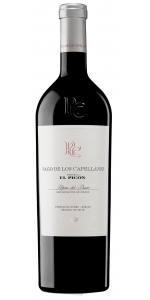
There are afternoons with indigo skies when we approach one of the oldest plots of the estate. Our stroll from the winery follows a line of cypress trees to the corner of a path. This angle gives its name to our most exceptional vineyard.
El Picón is the great symbol and the most profound reality. The sum of enigmas in a beautiful, pure fruit. The wine of silence and intimate joy, an eternal taste in which generations, labours and nature’s favors culminate.
Grapes from the plot of El Picón, one of the oldest at the Pago de los Capellanes estate in Pedrosa de Duero.
22 months in 225-litre, extra-fine grain French oak barrels dried over 60 months.
Pago de los Capellanes Finca El Picón 2018 is a mature red wine with intense aromas of red and black fruit from the forest accompanied by deep balsamic notes and spicy touches provided by aging. In the mouth it is meaty, deep and very balanced. A medium to full-bodied wine with vibrant acidity and fine, velvety tannins. The finish is long and very persistent.
1.6 hectares of clay loam soil with surface gravel. Very poor fertility and very low vineyard yields.
There are afternoons with indigo skies when we approach one of the oldest plots of the estate. Our stroll from the winery follows a line of cypress trees to the corner of a path. This angle gives its name to our most exceptional vineyard.
El Picón is the great symbol and the most profound reality. The sum of enigmas in a beautiful, pure fruit. The wine of silence and intimate joy, an eternal taste in which generations, labours and nature’s favors culminate.
Grapes from the plot of El Picón, one of the oldest at the Pago de los Capellanes estate in Pedrosa de Duero.
22 months in 225-litre, extra-fine grain French oak barrels dried over 60 months.
Pago de los Capellanes Finca El Picón is a mature red wine with intense aromas of red and black fruit from the forest accompanied by deep balsamic notes and spicy touches provided by aging. In the mouth it is meaty, deep and very balanced. A medium to full-bodied wine with vibrant acidity and fine, velvety tannins. The finish is long and very persistent.
1.6 hectares of clay loam soil with surface gravel. Very poor fertility and very low vineyard yields.
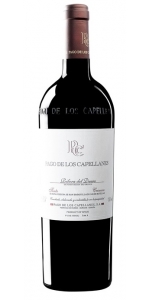
Crianza is the essential wine. Balance and integrity. It displays the fine manners of experience and the grace of plethoric vine. Juicy black fruit on the palate inviting you to eat well and feel good.
But there is more. Crianza maintains an invisible pact with the landscape. An imperceptible force that brings us closer to the truth of the place. And instantly turns extreme climate vineyards into the most welcoming place in the world.
Prepared with Tempranillo grapes (100%), this wine has a very bright, intense maraschino cherry colour that fades to a Cardinal red rim.
It has a very marked aroma with a good balance of fruit and wood, where tones of vanilla intermingle with well-ripened fruit, black berries and wild fruits. There are also noticeable hints of leather and liquorice, resulting from the mingling of the French oak and the aromas inherent in this variety of grape.
In the mouth, the wine has a smooth texture but fills the palate with balanced flavours, including fine tannins, which help extend the life of the wine. The finish and aftertaste are both long and elegant.
Vineyard:
Pago de los Capellanes, Pedrosa de Duero.
Variety composition:
100% Tempranillo.
Type of soil:
Clayey and chalky.
Aging:
12 months in barrel and remainder on rack.
Type of oak:
100% French oak, medium toast.
Serving:
Uncork and decant one hour before serving at a temperature of 16-18 ºC.
Selected harvest with yields limited to 5000 kg per hectare. The harvest begins in early October, starting with the most mature parcels. Once the grapes are brought into the winery, the tanks are seeded with indigenous yeast (start culture) and the alcoholic fermentation begins. During the barrelling period, which lasts 30 days, the wine is crushed and pumped over daily, all the while controlling the density, temperature and evolution of the yeast. At the end of this fermentation, the tanks are emptied and the wine taken for malolactic fermentation.
The malolactic fermentation begins without the addition of bacteria. The temperature is held steady at 20ºC for period of 22 days, during which we monitor the levels of malic and lactic acids. When the malic acid content is less than 0.1 grams per litre, the wine is decanted to separate the lees and is transferred directly to the barrels without undergoing any type of filtration, clarification or cold treatment.
The wine is aged for twelve months in new and semi-new French oak barrels (no more than three years old). At the end of this period, it is taken to the tank for homogenisation, where it undergoes light filtration through cartridges (open pore) and is then bottled.
Review:
"A wonderfully polished expression of Ribera del Duero's match-up of power and high-plain freshness, this still has gorgeous intensity of finger-staining blackberry and mullberry succulence, a shading of expensive, fine-grained, toasty oak and satisfyingly savoury tannins all coming together to match the meat coming off the wood-fired grill. - David WILLIAMS"
- Decanter (December 14th 2022), 94 pts
Crianza is the essential wine. Balance and integrity. It displays the fine manners of experience and the grace of plethoric vine. Juicy black fruit on the palate inviting you to eat well and feel good.
But there is more. Crianza maintains an invisible pact with the landscape. An imperceptible force that brings us closer to the truth of the place. And instantly turns extreme climate vineyards into the most welcoming place in the world.
Prepared with Tempranillo grapes (100%), this wine has a very bright, intense maraschino cherry colour that fades to a Cardinal red rim.
It has a very marked aroma with a good balance of fruit and wood, where tones of vanilla intermingle with well-ripened fruit, black berries and wild fruits. There are also noticeable hints of leather and liquorice, resulting from the mingling of the French oak and the aromas inherent in this variety of grape.
In the mouth, the wine has a smooth texture but fills the palate with balanced flavours, including fine tannins, which help extend the life of the wine. The finish and aftertaste are both long and elegant.
Vineyard:
Pago de los Capellanes, Pedrosa de Duero.
Variety composition:
100% Tempranillo.
Type of soil:
Clayey and chalky.
Aging:
12 months in barrel and remainder on rack.
Type of oak:
100% French oak, medium toast.
Serving:
Uncork and decant one hour before serving at a temperature of 16-18 ºC.
Selected harvest with yields limited to 5000 kg per hectare. The harvest begins in early October, starting with the most mature parcels. Once the grapes are brought into the winery, the tanks are seeded with indigenous yeast (start culture) and the alcoholic fermentation begins. During the barrelling period, which lasts 30 days, the wine is crushed and pumped over daily, all the while controlling the density, temperature and evolution of the yeast. At the end of this fermentation, the tanks are emptied and the wine taken for malolactic fermentation.
The malolactic fermentation begins without the addition of bacteria. The temperature is held steady at 20ºC for period of 22 days, during which we monitor the levels of malic and lactic acids. When the malic acid content is less than 0.1 grams per litre, the wine is decanted to separate the lees and is transferred directly to the barrels without undergoing any type of filtration, clarification or cold treatment.
The wine is aged for twelve months in new and semi-new French oak barrels (no more than three years old). At the end of this period, it is taken to the tank for homogenisation, where it undergoes light filtration through cartridges (open pore) and is then bottled.
Crianza is the essential wine. Balance and integrity. It displays the fine manners of experience and the grace of plethoric vine. Juicy black fruit on the palate inviting you to eat well and feel good.
But there is more. Crianza maintains an invisible pact with the landscape. An imperceptible force that brings us closer to the truth of the place. And instantly turns extreme climate vineyards into the most welcoming place in the world.
Prepared with Tempranillo grapes (100%), this wine has a very bright, intense maraschino cherry colour that fades to a Cardinal red rim.
It has a very marked aroma with a good balance of fruit and wood, where tones of vanilla intermingle with well-ripened fruit, black berries and wild fruits. There are also noticeable hints of leather and liquorice, resulting from the mingling of the French oak and the aromas inherent in this variety of grape.
In the mouth, the wine has a smooth texture but fills the palate with balanced flavours, including fine tannins, which help extend the life of the wine. The finish and aftertaste are both long and elegant.
Vineyard:
Pago de los Capellanes, Pedrosa de Duero.
Variety composition:
100% Tempranillo.
Type of soil:
Clayey and chalky.
Aging:
12 months in barrel and remainder on rack.
Type of oak:
100% French oak, medium toast.
Serving:
Uncork and decant one hour before serving at a temperature of 16-18 ºC.
Selected harvest with yields limited to 5000 kg per hectare. The harvest begins in early October, starting with the most mature parcels. Once the grapes are brought into the winery, the tanks are seeded with indigenous yeast (start culture) and the alcoholic fermentation begins. During the barrelling period, which lasts 30 days, the wine is crushed and pumped over daily, all the while controlling the density, temperature and evolution of the yeast. At the end of this fermentation, the tanks are emptied and the wine taken for malolactic fermentation.
The malolactic fermentation begins without the addition of bacteria. The temperature is held steady at 20ºC for period of 22 days, during which we monitor the levels of malic and lactic acids. When the malic acid content is less than 0.1 grams per litre, the wine is decanted to separate the lees and is transferred directly to the barrels without undergoing any type of filtration, clarification or cold treatment.
The wine is aged for twelve months in new and semi-new French oak barrels (no more than three years old). At the end of this period, it is taken to the tank for homogenisation, where it undergoes light filtration through cartridges (open pore) and is then bottled.
Inglenook Rutherford Cabernet Sauvignon is made from 96% Cabernet Sauvignon, 4% Cabernet Franc.
Stunningly deep ruby in color, the 2019 Cabernet Sauvignon opens with heady aromas of brambly black cherry, vanilla, warm brioche, and crème de cassis. As the wine warms on the palate, notes of red cherry, graphite and fennel emerge, as very polished, refined tannins carry the wine into a long, fragrant finish. Layered flavors, good tension, and a perfect integration of wine and oak interact to create this classic expression of Inglenook Cabernet Sauvignon.
Review:
This shows notes of ripe blackberries and blackcurrants with hints of licorice, cloves, walnuts and chocolate. It has full body and a velvety tannin structure. Juicy and vibrant fruit on the palate with a touch of earthiness. Smooth and delicious. Long, fruity finish. Very pure fruit. Try after 2024.
-James Suckling 95 points
Arzuaga Ribera del Duero Crianza 95% Tempranillo and 5% Cabernet Sauvignon.
Dark cherry color with purple highlights. Powerful nose and high aromatic diversity of ripe red and black fruits, spicy and balsamic notes, and a roasted finish. Soft and mellow in the mouth with a great fruitiness and length.



