" We don't sell the wine without touching the vine "
| Country: | France |
| Region: | Languedoc |
| Winery: | Cave de Pomerols |
| Grape Type: | Syrah |
| Vintage: | 2023 |
| Bottle Size: | 750 ml |
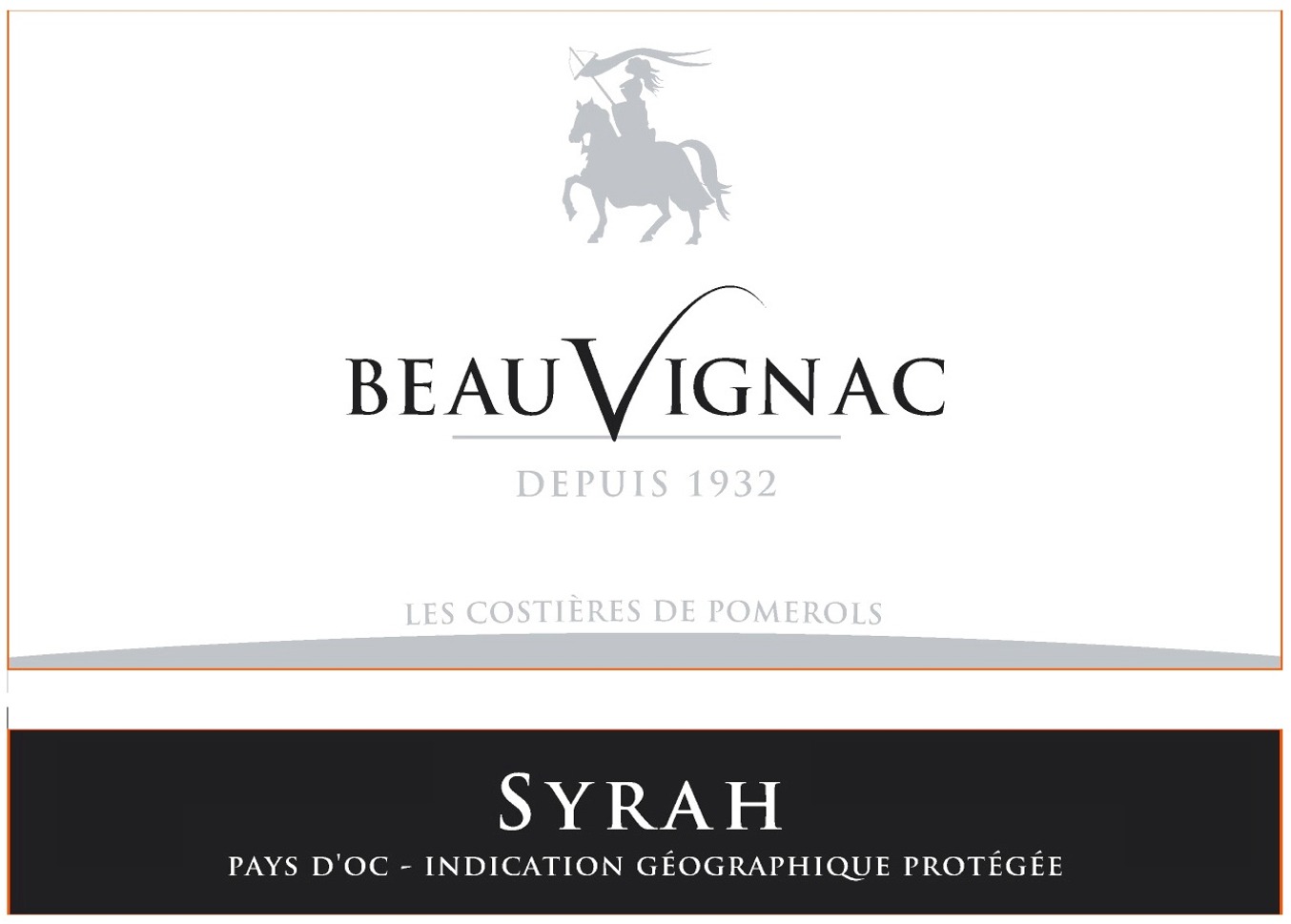
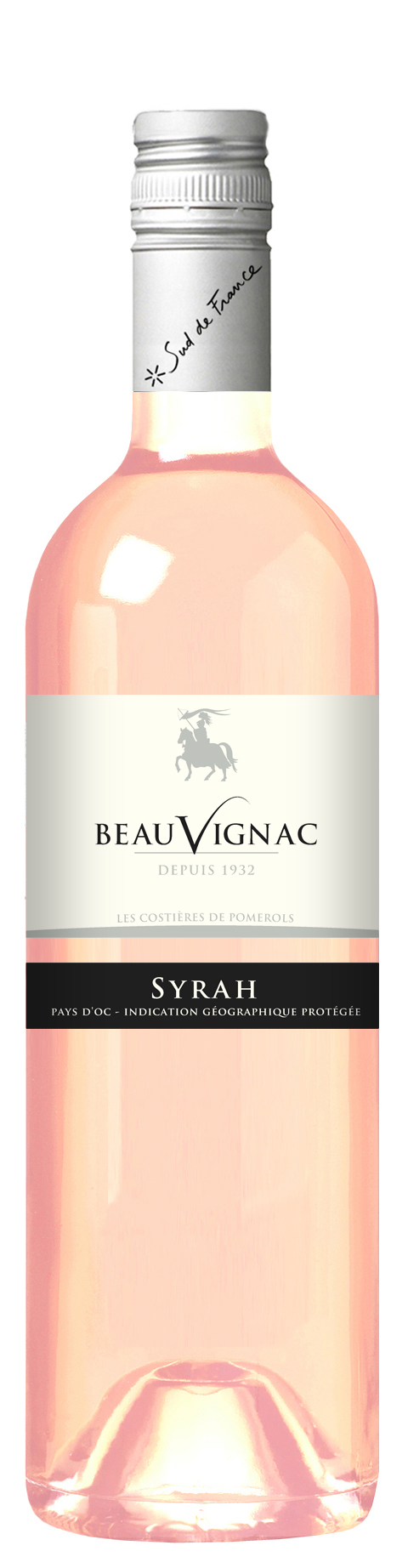
Pomerols Beauvignac Syrah Rose is 100% Syrah
Pink colored, firm in the style of a Tavel rosé, the wine shows strawberry aromas, candy notes on the nose and cherry and pomegranate flavors on the palate. The wine is silky, elegant, crisp and refreshing.
The Syrah is bled off after 8 hours of maceration.
-150x300.jpg "Pomerols Picpoul Pinet H.B. Languedoc 2024")
Pomerols Picpoul Pinet HB Languedoc is made from 100 percent Picpoul.
Pale yellow color with green tints. Fresh and fine aromas of grapefruit and exotic fruit. Lime flavors, with typical focusing acidity, are hallmarks of Picpoul. Our best value, this wine impresses novices and hardened geeks equally.
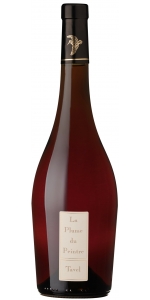
Mordoree Tavel Rose Plume de Peintre is made from 60% Grenache, 20% Syrah, 20% Clairette.
Deep rosé color. Complex and intense aromas of red fruits. The palate is elegant and offers a great balanced acidity. The wine has a long lasting finish.
Risotto with crayfish and asparagus, duck breast roasted with honey, poultry with morels.
Review:
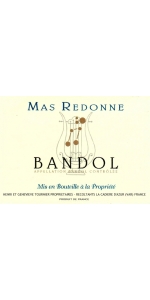
Mas Redonne Bandol Rose is made from 55% Mourvèdre, 35% Cinsault, 10% Grenache.
Nice light salmon color, typical of Bandol.
The wine expresses some citrus, Pomelos (a delicious type of grapefruit) and lots of white fruit aromas and minerality.
The flavors are fresh, fruity and very aromatic with tons of apricot and mango.
Grilled salmon, chicken dishes as well as salads, sushi and sashimi.
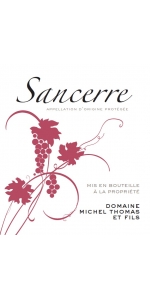
Thomas Sancerre Rose is made from 100% Pinot Noir.
Vines are 20-55 years old.
Terroir (soil type) is a blend of "Caillottes" and "Terre Blanche".
Everything is machine harvested (which means it is 100% destemmed).
50% Direct press + 50% Saignée (bled) with 12-24 hours of skin contact maceration.
The alcoholic fermentation is done in temperature controlled stainless steel tanks.
Right before bottling, the wine is fined with Bentonite (very light filtration with oenologic clay).
Tasting Notes:
Light, bright pink. Redcurrant, strawberry and chalk on the nose, with a touch of singed orange gaining strength with air. Dusty red fruit and citrus flavors are braced by tangy minerality, which adds lift and cut. Uncompromising in the best way, finishing with excellent clarity and echoes of lemon and orange zest.
Food pairings:
This is a very versatile wine. You can have it on its own in the summer time as an apéritif. But it is also excellent with Hors d'Oeuvres and terrines. It will compliment any white meat dish and poultry. You can also enjoy it with salmon or exotic food (slightly spicy sushi).
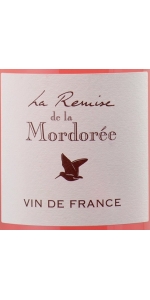
Mordoree La Remise Mordoree Rose is made from Marselan 35% (Marselan is a cross between Cabernet Sauvignon and Grenache) , Merlot 35% Syrah 15%, Grenache 15%.
Color : light rose
Aromas : flower : roses, fruits : strawberry, red currant and citrus
Palate : mouthful, rich.
Best to drink 2 years.
Pairs well with white meats, Asian cuisine and excellent as an aperitif.
Pomerols Beauvignac Syrah Rose is 100% Syrah
Pink colored, firm in the style of a Tavel rosé, the wine shows strawberry aromas, candy notes on the nose and cherry and pomegranate flavors on the palate. The wine is silky, elegant, crisp and refreshing.
The Syrah is bled off after 8 hours of maceration.
The Cave de Pomerols Estate
Founded in 1932, this Cave Cooperative is located in the top commune of Pomerols, located between the garrigue of Pezenas and the sea dominated by the Mont St Clair in Sete. The co-op has merged with the Cave de Castelmau de Guers. They include 320 members and produce 55,000 hectoliters of wine (600,000 cases).
The Cave de Pomerols Vineyard
The members control 1,200 hectares of vineyard land (2,964 acres) of which 330 hectares (815.1 acres) are Picpoul de Pinet. Six communes are entitled to the name Picpoul de Pinet: Florensac, Pomerols, Pinet, Castelnau de Guers, Montagnac, Meze. The Pomerols vineyards stretch over vast sun-light terraces with clay/calcareous soils.
Realm Cellars Bard Red Blend is made from a blend of 83% Cabernet Sauvignon, 7% Merlot, 6% Cabernet Franc, 3% Petit Verdot, 1% Petite Sirah.
The 2021 is the largest and most complex blend we've ever made with dozens of components from vineyards across the realm of Napa Valley. This vintage includes new vineyard sources from Calistoga, Rutherford and Oak Knoll AVA, allowing us to broaden our painter’s palette. The Bard is generally more approachable in its youth than some of our single vineyard bottlings, but we expect it to age for many years to come. This is our first time using a technical cork for this wine, which should guarantee consistency and improve longevity.
Blend: 83% Cabernet Sauvignon, 7% Merlot, 6% Cabernet Franc, 3% Petit Verdot, 1% Petite Sirah.
Review:
Lastly, the 2021 The Bard checks in as 83% Cabernet Sauvignon, 7% Merlot, 6% Cabernet Franc, and the rest Petit Verdot and Petite Sirah. This beauty has a killer bouquet of cassis, spring flowers, graphite, chalky minerality, and violets. This carries to a full-bodied, seamless, silky, flawlessly balanced effort revealing fine tannins, a good sense of freshness, and a thrilling finish.
-Jeb Dunnuck 98 Points
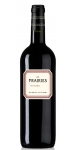
Chateau Pitray Castillon Cotes de Bordeaux Les Prairies is made from 75% Merlot, 23 % Cabernet Franc and 2 % Malbec.
Notes of ripe fruit and black tea leaves, it is a young but accomplished wine, ready to drink, whose tannins are already very well integrated.