" We don't sell the wine without touching the vine "
| Country: | France |
| Region: | Languedoc |
| Winery: | Cave de Pomerols |
| Grape Type: | Syrah |
| Vintage: | 2013 |
| Bottle Size: | 750 ml |
-150x300.jpg "Pomerols Picpoul Pinet H.B. Languedoc 2024")
Pomerols Picpoul Pinet HB Languedoc is made from 100 percent Picpoul.
Pale yellow color with green tints. Fresh and fine aromas of grapefruit and exotic fruit. Lime flavors, with typical focusing acidity, are hallmarks of Picpoul. Our best value, this wine impresses novices and hardened geeks equally.

Dominus Napa Valley Red Blend is made from 88% Cabernet Sauvignon, 7% Cabernet Franc, 5% Petit Verdot.
The historic Napanook Vineyard, a 124-acre site west of Yountville, was planted in 1838. This vineyard was the source of fruit for some of the finest Napa Valley wines. Estate-bottled in the spirit of the Bordeaux châteaux, Dominus Estate is dry-farmed to allow natural stress and good concentration of fruit. Grape clusters are crop-thinned to allow sun and air to pass in between, helping to achieve full maturation and soften the tannins. Only 20% to 40% new French oak barrels are used in order to limit the extraction of oak notes. To express the unique terroir, the classic Bordeaux grape varietals of Cabernet Sauvignon, Merlot, Cabernet Franc and Petit Verdot are planted with different root stocks best suited for the varying soil composition of gravel, heavy clay and loam.
Reviews:
One of the legendary Dominus, the 2021 Cabernet Sauvignon is unquestionably in the same league as the 2018, 2016, 2015, 2013, 2010, and 1991, and to my mind, wine simply doesn't get any better. Sporting a dense purple hue as well as an incredible perfume of blackcurrants, crushed stone, cedar pencil, smoke tobacco, and baking spices, it s rich, full-bodied, and voluptuously textured, with ripe yet building tannins. It reminds me slightly of the 2010 (maybe the 2013), and I suspect it will have a similar evolution. Hide bottles for 7-8 years, and it will evolve gracefully for 30+ years. Hats off to the team of Christian Moueix and director Tod Mostero.
Jeb Dunnuck 100 Points

Siegel Ketran Red Blend is made from 35% Syrah, 30% Petit Verdot, 25% Carmenere, 10% Cabernet Franc
Ketran is coming from the Mapuche Language and it means "plowed earth". In fact, Earth was plowed by fire from the volcanic acitivity. Ketran is a tribute to the volcanic soils that gave birth to the fantastic terroir of Los Lingues, located at the foothills of the “Cordillera de los Andes".
The wine is clean and bright in color.
The wine displays a very aromatic and elegant nose of ripe black fruit, prune and dried fig.
The mouthfeel is smooth and the length to the finish is quite exceptionnal, with sweet and fleshy tannins, balanced by a perfectly integrated acidity which gives the wine some freshness and emphasizes the presence of fruit and its ability to age.
Coming from the volcanic soils of Los Lingues, at the foothills of the Andes mountain.
The wine went through ML fermentation, it was then aged 24 months in French Oak barrels.
The wine has been slightly filtered before bottling.
Review:
"2014 is the second release of Siegel's top red wine, made from a four-way cuvée of Syrah, Petit Verdot, Carmenère and Cabernet Franc. Plush, spicy and smoothly oaked, with some tannic backbone and a glossy finish. Needs time. 2021-30"
- Tim Atkin MW (Chile 2019 Special Report), 94 pts
Ketran is Siegel’s most ambitious wine. Debuting with the 2013 vintage, it’s a selection of the best barrel lots from Los Lingues in the Andean zone of Colchagua. The blend works very well, especially if you let the wine breathe for a few hours beforehand. The oak steps aside, and the aromas of fruit and herbs take over in a red with firm, sharp tannic structure that leaves room for the acidity—not very prominent in a warm year, but still present—to achieve balance. This blend is for the cellar.
-Patricio Tapia - Descorchados 94 Points

Avennia Gravura Red Blend is made from 48% Cabernet Sauvignon, 41% Merlot, 11% Cabernet Franc
Gravura is our ode to the Graves AOC of Bordeaux, emphasizing a harmony of Cabernet Sauvignon and Merlot. The name is a play on an artisan printing technique, and on the Bordeaux region of Graves, which features similar blends. Featuring more Merlot and with the addition of Red Mountain fruit, this wine is designed to be more generous and voluptuous in style, while still remaining complex and balanced.
Gravura Tasting Notes: Beautiful nose of red and black fruits, some savory leaf notes, mocha, pencil shavings. The palate is elegant and balanced, almost pretty: raspberry, black and red currants, milk chocolate and caressing tannins. Finish medium-long and ethereal.
Avennia Gravura Red Blend is made from 48% Cabernet Sauvignon, 41% Merlot, 11% Cabernet Franc
Gravura is our ode to the Graves AOC of Bordeaux, emphasizing a harmony of Cabernet Sauvignon and Merlot. The name is a play on an artisan printing technique, and on the Bordeaux region of Graves, which features similar blends. Featuring more Merlot and with the addition of Red Mountain fruit, this wine is designed to be more generous and voluptuous in style, while still remaining complex and balanced.
Gravura Tasting Notes: Beautiful nose of red and black fruits, some savory leaf notes, mocha, pencil shavings. The palate is elegant and balanced, almost pretty: raspberry, black and red currants, milk chocolate and caressing tannins. Finish medium-long and ethereal.

Avennia Justine Red Blend 56% Grenache, 31% Mourvèdre, 13% Syrah
Justine reflects our belief that Washington is capable of producing world class blends of grape varieties traditional to the Southern Rhone region of France. The name is inspired by one of the great heroines of recent literature, who also sprung from the imagination of the Mediterranean. Dark, seductive, complex, with a chasm of depth: The Justine is a great reflection of Avennia's mission of expression, and Washington's generous terroir.
Tasting Note: Big black cherry, blackberry, hints of orange peel, fresh herbs and loam on the nose. Plush and round on the palate. Dark earthy fruits from the Mourvedre, along with citrus high notes, mountain flowers, jasmine, and savory herbs. Balanced and complex without forgetting its hedonistic roots in the Southern Rhone.
Review:
A blend of 56% Grenache, 31% Mourvèdre, 13% Syrah brought up all in older oak, the 2016 Justine offers a great core of black fruits as well as lots of peppery herbs, earth, and classic meatiness. It looks to be a great vintage for this cuvée."
- Jeb Dunnuck (April 2018), 92-94 pts
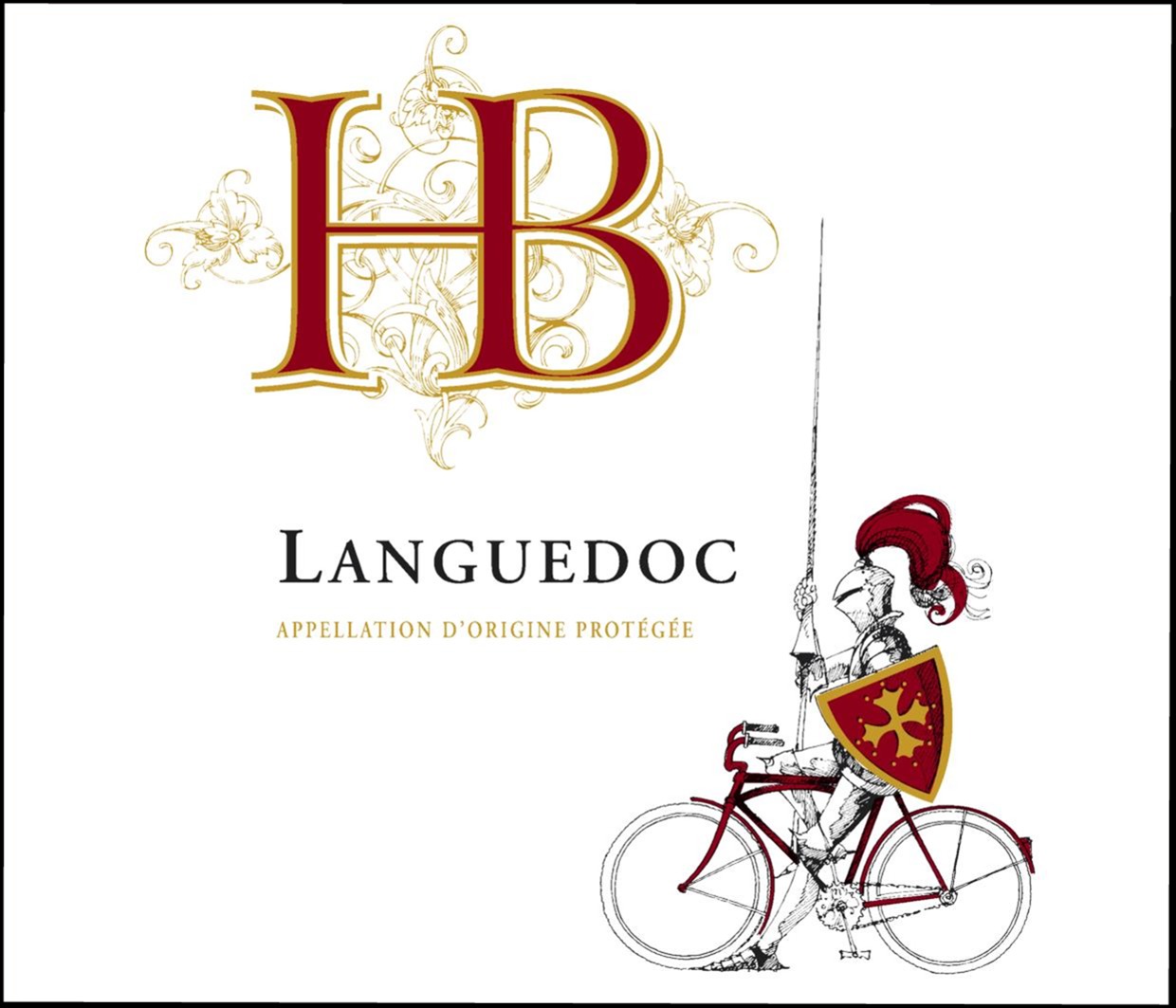
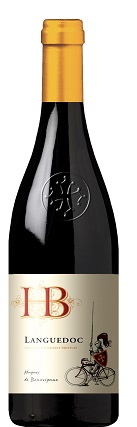
Pomerols HB Languedoc Red Blend 2013 is made from 80% Syrah and 20% Mourvedre
Deep dark ruby color, elegant on the nose with notes of intense red fruits and soft spices. Soft, ample and fruity on the palate, lingering with soft spices.
Plot selection from old vines, mechanical harvest, 100% destemming and traditional maceration for 21 days, selected yeast, load treading or "released" , pumping-over, temperature control during fermentation ( less than 25°C), malolactic fermentation in vats, aged one full year in vats.
The Cave de Pomerols Estate
Founded in 1932, this Cave Cooperative is located in the top commune of Pomerols, located between the garrigue of Pezenas and the sea dominated by the Mont St Clair in Sete. The co-op has merged with the Cave de Castelmau de Guers. They include 320 members and produce 55,000 hectoliters of wine (600,000 cases).
The Cave de Pomerols Vineyard
The members control 1,200 hectares of vineyard land (2,964 acres) of which 330 hectares (815.1 acres) are Picpoul de Pinet. Six communes are entitled to the name Picpoul de Pinet: Florensac, Pomerols, Pinet, Castelnau de Guers, Montagnac, Meze. The Pomerols vineyards stretch over vast sun-light terraces with clay/calcareous soils.

All older vintage wines have been purchased from a single collectors cellar. Pictures can be requested before shipment.

SALE!
Morambro Creek Cabernet is 100 percent Cabernet
Deep purple in color. A rich elegant nose of cassis with overtones of vanilla and coffee. Lush, ripe palate dominated by black fruits, cherry and chocolate. Full bodied with savory, integrated fruit tannins and persistent finish.
Winemaking at Morambro Creek is very traditional and labour intensive. Oak maturation takes place using 35% new French barrels. This blend was put together using select barrels from our family estate that best demonstrate the intensity of our fruit balanced by integrated oak.
Total Acidity: 6.6 g/L
pH: 3.49