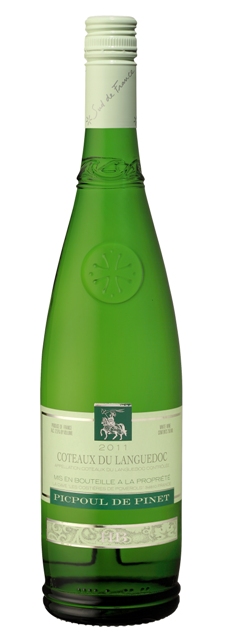
" We don't sell the wine without touching the vine "
| Country: | France |
| Region: | Languedoc |
| Winery: | Cave de Pomerols |
| Grape Type: | Picpoul |
| Vintage: | 2024 |
| Bottle Size: | 750 ml |
Pomerols Picpoul Pinet HB Languedoc is made from 100 percent Picpoul.
Pale yellow color with green tints. Fresh and fine aromas of grapefruit and exotic fruit. Lime flavors, with typical focusing acidity, are hallmarks of Picpoul. Our best value, this wine impresses novices and hardened geeks equally.
The Cave de Pomerols Estate
Founded in 1932, this Cave Cooperative is located in the top commune of Pomerols, located between the garrigue of Pezenas and the sea dominated by the Mont St Clair in Sete. The co-op has merged with the Cave de Castelmau de Guers. They include 320 members and produce 55,000 hectoliters of wine (600,000 cases).
The Cave de Pomerols Vineyard
The members control 1,200 hectares of vineyard land (2,964 acres) of which 330 hectares (815.1 acres) are Picpoul de Pinet. Six communes are entitled to the name Picpoul de Pinet: Florensac, Pomerols, Pinet, Castelnau de Guers, Montagnac, Meze. The Pomerols vineyards stretch over vast sun-light terraces with clay/calcareous soils.
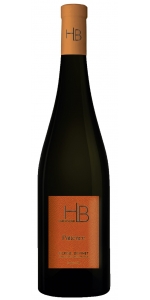
Picpoul de Pinet H.B. Chevalier Patience is a white wine made from 100% Picpoul.
Clear and crystalline color of an intense pure yellow with golden reflections.
The aromas in retro-olfaction are particularly faithful to direct olfaction, also intense, complex and extend long in the final too.
It is a fresh, generous and round wine with a rich taste balance.
The entry is supple, the beautiful natural freshness of this exceptional Picpoul is revealed from the middle of palate and extends beautifully on the finish.
The nose is very expressive, flattering and complex.
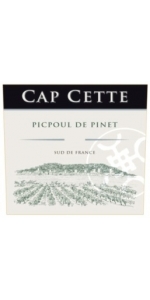
Cap Cette Picpoul de Pinet is made from 100 percent Picpoul de Pinet
A very popular, traditional local variety planted on sun-drenched hillsides called "costières" (coastal region) in the Mediterranean garrigue, near the Etang de Thau - a coastal lagoon situated between the port of Sète and Marseillan.
The color is a superb pale yellow with bright hues. The nose is elegant, with aromas of fresh fruit and citrus fruit especially grapefruit. Well-balanced with typical focusing and zesty acidity. A pure expression of the grape varietal, the wine shows how good Picpoul can be when grown on its favorite terroir.
It will complement a vast array of dishes such as Asian cuisine, sushi, spicy fare and all sorts of seafood and grilled fish. Enjoy!
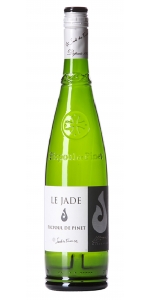
Le Jade Picpoul de Pinet is made from 100% Picpoul de Pinet
Pale straw color. Delicate white flower, citrus and juicy pear aromas. Fresh, crisp, and bright acidity with mineral and saline accents. Well-balanced and easy-drinking.
A refreshing treat laced up with snappy food-friendly acidity.
Picpoul Le Jade makes a classic match with oysters on the half shell and goes very well with exotic food in general. Picpoul means lip-smacking good.
SOIL : Clay and limestone soil just a few kilometres from the reputed Etang de Thau (salted water lagoon) overlooking the Mediterranean town of Sète.
VINIFICATION : Grapes are harvested at 12°- 13° maturity
Skin maceration for several hours
Selection of drained juice after undergoing pneumatic pressure.
Cold double decantation.
Thermoregulated fermentation at 16°C
No malolactic fermentation.
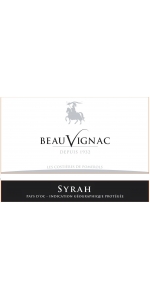
Pomerols Beauvignac Syrah Rose is 100% Syrah
Pink colored, firm in the style of a Tavel rosé, the wine shows strawberry aromas, candy notes on the nose and cherry and pomegranate flavors on the palate. The wine is silky, elegant, crisp and refreshing.
The Syrah is bled off after 8 hours of maceration.
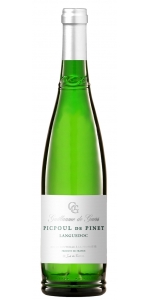
This wine consists of 100% Picpoul (or Piquepoul) - a very popular, traditional local variety planted on sun-drenched hillsides called "costières" (coastal region) in the Mediterranean garrigue, near the Etang de Thau - a coastal lagoon situated between the port of Sète and Marseillan. The vines are 20-25 years old.
The garrigue is the name given to open scrubland made up of low-growing, dwarf bushy shrubs including holm oak, juniper, broom and wild herbs such as rosemary, thyme and sage.
The color is a superb pale yellow with bright hues. The nose is elegant, with aromas of fresh fruit and citrus fruit especially grapefruit. Well-balanced with typical focusing and zesty acidity. A pure expression of the grape varietal, the wine shows how good Picpoul can be when grown on its favorite terroir. Our best value, this wine impresses novices and hardened geeks equally.
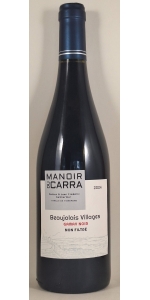
Carra Beaujolais-Villages Gamay Noir Non filtré is a new project for 2024.
We wanted a very fruity style of Beaujolais Villages using a good amount of carbonic maceration during the vinification.
The wine has a very nice ruby red color and a very pure and delicate nose of pure strawberries and cream that is very defined and seductive.
The palate is medium-bodied with crisp tannins, lively red cherry fruit and pleasing weight on the finish.
Excellent with charcuterie (garlic sausage, dry sausage, boudin noir), but also delicious with Coq au vin (Chicken cooked in a red wine sauce).
The wine will also goes well with fresh fruit and a splash of Crémant de Bourgogne for a Burgundian Sangria.
Copain Edmeades Pinot Noir is made from 100 percent Pinot Noir.
This wine embodies everything you love about Anderson Valley Pinot; flavors of strawberry, Rainier cherries with hints of spice.
VINTAGE NOTES:
The 2017 vintage began with significant rainfall prior to bloom, refilling the state’s reservoirs and ending California’s five-year drought. We saw a sudden spike in temperatures just prior to harvest, leading fruit to ripen quicker than anticipated. This sped up our harvest schedule, but due to our team’s vigilance, the fruit was still able to be picked at optimal ripeness. Temperatures then cooled back down by mid-September, allowing the remaining vineyards to complete ripening at an ideal pace. The rest of harvest was finished as planned, with yields coming in at their typical levels.
The historical Edmeades Vineyard sits along the western side of the small town of Philo in what’s known as the “deep-end” of Anderson Valley. Flanked by the Navarro River, there is a diversity of sandstone soils throughout the vineyard. The Edmeades vineyard is planted with vines facing southwest, allowing this vineyard to receive warmer afternoon weather. This helps to balance the prolonged cool fog influence this vineyard sees throughout the growing season.
Aromas: Raspberry, dried cherries, pennyroyal, orange zest.
Palate: Medium weight palate with soft tannins. Notes of cherry, pomegranate, and clove with light delicate cola notes on the finish.
Review:
The first vintage for this cuvée from Ryan, the 2017 Pinot Noir Edmeades Vineyard comes from mid-valley and was brought up in 27% new French oak. It's a beautiful wine with blueberry and wild strawberry fruits as well as complex spice, dried flowers, and some loamy soil notes. Medium-bodied, seamless, and silky on the palate, it's a lovely, layered wine that shines for its texture and balanced.
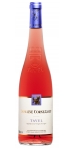
Corne Loup Tavel Rose is made from 60% Grenache, 15% Cinsault, 10% Syrah, 15% mix of Mourvèdre, Clairette & Carignan
Elegant, refreshing, food-friendly and versatile, this Tavel offers mouth-watering aromas of strawberry and berry pie.
Corne Loup Tavel represents the pinnacle of the rose pyramid quality wise that can be achieved in the Southern Rhone. The town of Tavel has been famous for its rose wine since the time of the Popes in Avignon (1300's). Tavel is about 2,300 acres in size and produces about 500,000 cases yearly of 9 liter cases, plus can age for 2-3 years, unlike many other roses. Produced from a blend of Grenache, Cinsualt, Syrah, Mourvedre, Cinsault and Carignan, the wine comes from a famous sub-parcel called the Plateau de Vallongue between Tavel and Lirac AOC's.
The 20 hectare-vineyards are located in the hamlets of Oliver, Campet, Vestides and Vallongue. The Tavel from this producer is a blend of all 3 soils types you can find in the AOC:
Dry and lively, it is an ideal wine for barbecues as it makes a wonderful sipper that's also capable of matching with a wide variety of summer foods, including grilled chicken, seafood and summer salads


.jpg)