
" We don't sell the wine without touching the vine "

Pazo de Senorans Seleccion de Anada Albarino is made from 100 percent Albarino.
Straw yellow with greenish tints, vivid and brilliant. High intensity and very expressive. Profusion of aromas with traces of mineral. Great volume and ample body leaving a lasting impression from beginning to end.
Reviews:
I think the 2014 Albariño Selección de Añada could be the finest vintage of this characterful long-aging Albariño, from a year with a more moderate 13% alcohol and very high acidity (and low pH) that make the wine fresher and more vibrant. It is developing very slowly and showing quite young after it spent over 30 months with lees in 1,500- and 3,000-liter stainless steel tanks. It has a pale color and an elegant nose with notes of freshly cut grass, white flowers and wet granite. The palate is vibrant with effervescent acidity, and it has a long, dry and tasty finish with an austere sensation, far away from the tropical notes of some past vintages. This is superb and should continue developing nicely in bottle. Bravo! It wasn't bottled until April 2023, and 14,000 bottles were produced.
-Wine Advocate 96 Points
Tech:

All older vintage wines have been purchased from a single collectors cellar. Pictures can be requested before shipment.

Bouysses Cahors is made from 100 percent 100% Malbec.
A beautiful dark brilliant ruby purple color. The nose is complex of black cherry, blackberry with a hint of violet, followed by a buttery and vanilla note. The palate is rich, powerful, with smooth and melted tannins. This wine is fleshy and velvety.
Serve with game meat, red meat, duck confit, and goat cheese.

Henriot Brut Millesime 2014 is made from 50% Chardonnay, 50% Pinot Noir.
If the expression is intense and heady, it is nevertheless of an extraordinary finesse and elegance. A strength of character emerges, powerful, virile yet restrained and humble. The register is fresh, floral, vanilla, greedy. In the mouth the structure is solid, constructive, rectangular. The tannins take place and last after tasting. The freshness is present throughout the tasting, ending with a delicate bitter touch.
Review:
Showing floral notes of acacia and jasmine alongside sourdough, lemons and green apples. Walnuts and apricots, too. Open and inviting, with gentle nutty undertones, a medium to full body and a fine mousse. Long and persistent. 50% chardonnay and 50% pinot noir. Disgorged October 2022. This will be released later in 2023. Drink or hold.
- James Suckling 93 Points

The Cabernet Sauvignon Casey’s Lakeview is similarly inky bluish/purple to the rim. Tasting like blood, this wine is dense and rich with lots of chocolate, espresso, earth and spice. It is deep, full-bodied, and again, a masculine style of wine that needs at least 4-5 years of cellaring and should keep for 25 or more years.
Lakeview Vineyard is the winery’s mid-block vineyard planted to a combination of clone 6 & 337 Cabernet Sauvignon on 101-14 rootstock. Excellent drainage from the rocky and chalky soils plus plenty of sunlight throughout the day produces wines of bold character with mouth filling flavors.
Organic farming methods are used to produce this Cabernet Sauvignon Casey's Lakeview vineyard. Vines are 17 years old. Ageing in French oak barrels (85% new) for 20 months, then 12 months in bottle prior to release. Non-filtered.
Review:
"The 2014 Cabernet Sauvignon Casey's Lakeview Vineyard is the most overt of these wines. Superripe black cherry, plum, chocolate and licorice add to an impression of flamboyance that sits on the edge of being too much. The effects of the drought are felt in the wine's slightly roasted profile. - Antonio Galloni"
- Antonio Galloni's Vinous (December 2016), 91 pts

Heritage School Julies Creekside Cabernet Sauvingon is made from 100 percent Cabernet Sauvignon.
The Cabernet Sauvignon Julie’s Creekside Vineyard is an impressive, opaque purple colored wine that is super-concentrated and extracted with relatively sweet tannins, a touch of chocolate and espresso, a full-bodied mouthfeel and pure, dark, primordial fruits. This is a big, masculine, concentrated wine set for long-term aging. Saying that, it has a certain accessibility, but won’t hit its prime for at least another 8-10 years and keep 25-30.
Review:
"The 2014 Cabernet Sauvignon Julie's Creekside Vineyard is dark, sumptuous and surprisingly open-knit for such a young wine. Black cherry, plum, game, rose petal, sage, smoke and earthy notes underpin a core of intense dark red cherry and plum fruit. Soft contours and generous, super-ripe fruit add to the wine's near and medium-term appeal. - Antonio Galloni"
- Antonio Galloni's Vinous (December 2016), 93 pts
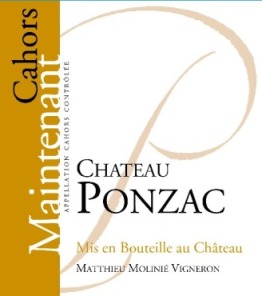
Ponzac Maintenant Cahors 2012 is made from 100% Malbec
Unoaked, this wine is typical of Cahors from the Plateau the "Causse" as they call it here. The climate here is much more severe and continental than in the valley of the Lot where most of the Cahors are grown. The grapes for this wine are grown on soils rich in limestone. This explains the purity of the aromas and the fruit.
Dark color with violet reflection. The nose exhibits fresh notes of violet and blackberries that are typical characteristics of wines made from Malbec in the Cahors district. On the palate, the fruit is very obvious (again blackberries and dark cherries). The wine is very tensed and long. Despite the hot vintage, it is extremely fresh and lively. A great wine to sip away with some cold meat or just a nice pasta dish with tomatoes.

Figgins Estate Red Wine is a blend of Cabernet Sauvignon, Petit Verdot & Merlot
Dark to the rim, with signature aromatic notes of ripe red and blue fruits, tanned leather, black olive, and lilac. The nose simply brings a smile. On the palate, if I had to describe the wine in one word it would be precision. The way the sweet fruit and dramatic length are braced by lively acidity and tannins aligns so perfectly that the wine is, quite simply, delicious.
Review:
Inviting aromas of vivid red fruit, fresh herbs and paprika. Full-bodied with juicy, fruit-soaked, fine tannins. Delightful. So much happening here. The fruit is plentiful and full of charming spice and herbal complexity. Very well balanced and long. Fresh. A blend of cabernet sauvignon, merlot and petit verdot. Best after 2024 but attractive now.
-James Suckling 96 Points

Maionnette Mediterranee Blanc is made from 30% Rolle, 30% Viognier, 20% Semillon and 20% Sauvignon Blanc.
Domaine de la Maïonnette is produced from grapes benefiting from an ideal location next to the river and planted on a clay-limestone based soil with a silty character, which brings suppleness, roundness and lightness to the wines.
La Maionnette is a brilliant straw yellow colored white offering delicate aromas of citrus fruits, and fresh notes of pear and apricot. Rich and round on the palate, and a good balance.



