
" We don't sell the wine without touching the vine "
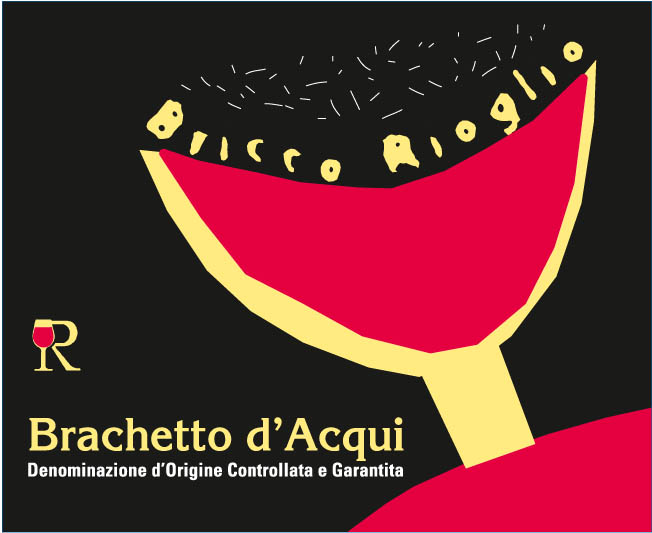
Rinaldi Brachetto d' Acqui is made from 100% Brachetto d'Acqui
The skin gives the wine its particular scent and flavor.
Light ruby red color. The bouquet is musky and delicate with scents of ripe red fruit (strawberry, blackberry) and roses. Sweet and smooth flavors with lingering aromatic persistence. There is a good balance between the sweetness and the freshness, which makes this wine very pleasant.
The training system used is Guyot with a density of 2500-3000 vines per hectare. Manual harvest. Temperature controlled maceration for approximately seven days with mechanic plunging of the cap and pumping over to increase extraction of substances from the skins. This is the most important part of the vinification. Soft pressing.
Rinaldi Brachetto d' Acqui is made from 100% Brachetto d'Acqui
The skin gives the wine its particular scent and flavor.
Light ruby red color. The bouquet is musky and delicate with scents of ripe red fruit (strawberry, blackberry) and roses. Sweet and smooth flavors with lingering aromatic persistence. There is a good balance between the sweetness and the freshness, which makes this wine very pleasant.
The training system used is Guyot with a density of 2500-3000 vines per hectare. Manual harvest. Temperature controlled maceration for approximately seven days with mechanic plunging of the cap and pumping over to increase extraction of substances from the skins. This is the most important part of the vinification. Soft pressing.
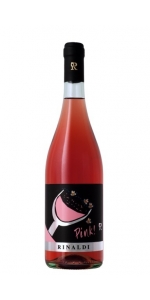
Rinaldi Rose Moscato Pink Bug Juice NV is made from Moscato d'Asti 90%, Brachetto d’Acqui 10%
Alcohol by Volume: 7%
Zone de Production: Ricaldone’s territory on the hills called ‘Bricco Rioglio’ and ‘Valmorana’,and Celle. Average altitude 280 m above sea level, calcareous soil with tufa layers.
Training System: guyot with a cultivation density of about 3000 vines per hectare.
Vinification: manual harvest into crates, usually at the first week of September. Temperature controlled maceration for about 24 hours with mechanic plunging of the cap and pumping over to extract a slight rosé color from the skins. Soft pressing. Settling in steel vats to have a natural clearing of musts. Further temperature and pressure controlled fermentation.
Sensorial Description: this wine, with light rosé color, strikes for its scent of spices and fruits. Its acid freshness suits its sweetness and offers a well balanced wine.
Serving Suggestions: aperitif wine, fruit cakes, fruit salad.Wine for brunch or poolside. To best appreciate this wine serve it fresh.
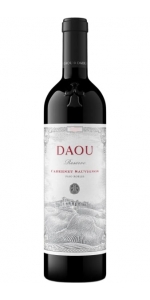
DAOU Vineyards Reserve Cabernet Sauvignon is made from 77% Cabernet Sauvignon, 23% Petit Verdot.
A heady nose delivers fruit-forward aromas of blackberry, raspberry and plum with traces of licorice, thyme, vanilla and cherry. The palate is beautifully balanced, showing layers of black fruit and chocolate-covered blueberry with underlying herbal, cedar and mineral complexity. Exquisitely rounded tannins imbue the finish with stature and length.
Review:
Black plum and roasted walnut aromas meet with woodspice on the nose of this bottling. The palate is tense and firm yet still brighter with blackberry, pepper and nut flavors that cling to the persistent structure. — Matt Kettmann
-Wine Enthusiast 93 Points
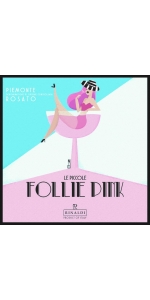
Rinaldi Follie Pink is made from 50 % Dolcetto, 45 % Merlot, and 5 % Brachetto.
Fresh, fruity with hints of Strawberry and Cherry.
This is a great wine for Aperitif.
Review:
"Here’s a delightful aperitif wine to brighten your spirits as you prepare dinner or relax on the patio. Flavors of strawberries and raspberries throw a party in your glass and will bring a smile to your face. The blend is dolcetto and merlot, with a little brachetto. - Dave McIntyre"
- Washington Post (May 2020), Exceptional *** - Great Value
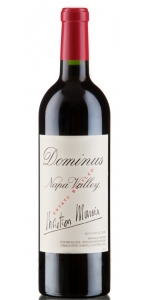
Dominus Napa Valley Christian Moueix Red Blend is made from 87% Cabernet Sauvignon, 9% Cabernet Franc, 4% Petit Verdot.
Dominus Estate is the Napa Valley property of Bordeaux producer Christian Moueix. The wine is bottled from the historic Napanook Vineyard. Located at the foothills of the Mayacamas, the vineyard was planted in 1838 and continues to evolve under the stewardship of Christian Moueix. The estate's Bordeaux varietals benefit from the Yountville microclimate where temperatures are moderated by cool breezes from the San Pablo Bay. The resulting wine is a uniquely refined expression of this special terroir. The 2023 vintage is seductive and deep with notes of cedar, oriental spices, wild berry, and cocoa, followed by a finely etched finish.
Reviews:
Black currant, pencil shaving, subtle sandalwood, wet earth, forest floor and violet aromas follow through to a medium- to full-bodied palate with ultra-fine tannins that integrate perfectly at the end. A polished and caressing texture that goes on for minutes. The balance and drinkability of this Dominus is terrific, and it will age beautifully. A blend of 87% cabernet sauvignon, 9% cabernet franc and 4% petit verdot. From organically grown grapes. Very drinkable now, but will age beautifully.
James Suckling 99 Points
Rinaldi Brachetto d' Acqui is made from 100% Brachetto d'Acqui
The skin gives the wine its particular scent and flavor.
Light ruby red color. The bouquet is musky and delicate with scents of ripe red fruit (strawberry, blackberry) and roses. Sweet and smooth flavors with lingering aromatic persistence. There is a good balance between the sweetness and the freshness, which makes this wine very pleasant.
The training system used is Guyot with a density of 2500-3000 vines per hectare. Manual harvest. Temperature controlled maceration for approximately seven days with mechanic plunging of the cap and pumping over to increase extraction of substances from the skins. This is the most important part of the vinification. Soft pressing.
The Rinaldi Estate
The winery is located on the hills of Alto Monferrato, close to Acqui Terme, in the heart of one of the most precious areas of south Piedmont. The family business was founded in 1961 by Oreste Rinaldi. It is run today by his son Andrea and his daughter Paola. The family has been producing wine for 40 years from their vineyards located on a particularly privileged area with a favorable microclimate and a perfect southwestern exposure
The Rinaldi Vineyard
Currently Rinaldi has 20 hectares of vines (49.6 acres), 19hectares owned, 1 hectares rented. Their single vineyard Bricco Cardogno, planted to Moscato, is a vineyard that measures 2.5 hectares (6.75 acres) and was planted 40 years ago by Andrea Rinaldi’s grandfather. It is located 240- 300 m above sea level. The soil type in this vineyard is limestone (tufa). All grapes are hands harvested with extreme care. Quality starts in the vineyard. The single vineyard Bricco Rioglio is planted with Brachetto grapes, limestone based with 15-year-old vines. (Bricco is a tea cup in local dialect).
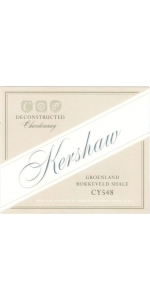
Kershaw Chardonnay Deconstructed Groenland Shale CY548 is made from 100 percent Chardonnay.
The inspiration for this Chardonnay stems from my belief that the Elgin region has both a signature grape as well as particular terroirs within its demarcated boundary that reflect regional credentials. This Chardonnay was selected from a sub-region of Elgin from a specific vineyard and an individual clone (CY548).
Tasting Notes:
Sourced from the foothills of the Groenland Mountain in Northern Elgin this clone has been taken from Corton Charlemagne cuttings. It produces wines that have aromatics oscillating between lemon blossom, white flowers, petrichor and struck stone. Full in body they exude concentration with white stone fruit yet reinforced with an austere texture and robustness that makes for excellent aging potential. The Bokkeveld Shales adds structure and concentration to the flavor.
Vineyards:
Sourced from the foothills of the Groenland Mountain in Northern Elgin this clone has been taken from Corton Charlemagne cuttings.
Winemaking:
Grapes were hand-picked in the early autumnal mornings, placed into small lug baskets and tipped directly into a press before being gently whole-bunch pressed up to a maximum of 0.6 bar or until a low juice recovery of 580 liters per ton was obtained. The juice gravity-flowed directly to barrel (no pumps were used at all) without settling. The unclarified juice had no enzymes or yeast added to it and therefore underwent spontaneous fermentation until dry, with malolactic discouraged. The wine rested in barrel for 4 months prior to judicious sulfuring and a further 7 months’ maturation in barrel before racking and bottling.
Barrel: Selection: A small number of artisanal coopers are selected from mostly Burgundy, with only French oak was chosen. Up to 40% of the oak is new with the remainder split into 2nd and 3rd fill barrels of predominantly 228 litres.
Look at pairing this with textured fish, straightforward chicken dishes, pan-fried or grilled pork dishes, soft-rind cheeses, cream or creamy dishes be it with pasta or the aforementioned fish, chicken or pork, to allow the complexity of the wine to shine through. If using mustard, preferably use Dijon mustard as it uses verjus (soured grape juice) and not vinegar. Also look to delicate herbs (tarragon, dill, basil, parsley) rather than hard stalked herbs (rosemary, thyme, oregano, etc). Avoid smoked meats or fish as well as highly spiced dishes as this can overwhelm the wine and clash with the oak. I would try oysters; Lobster grilled or boiled but not thermidor as it is too rich; turbot, dover sole, sea bass, yellowtail with a shellfish sauce; fish pie; roasted free-range chicken with tarragon; roast loin of pork with garlic and ginger; truffle risotto; pasta in a clam sauce; slice of brie de meaux.
Review:
"Perfume of flowers, minerals and citrus zest. The palate is dense and focused, almost chewy with an opulent mandarin mid palate and long, savory finish. Matured in 50% new oak that is seamlessly integrated with the wine."
- International Wine Review (Richard Kershaw Lifts Elgin To New Heights, February 2019), 94 pts
The Peumo Vineyard is located 170 m above sea level and extended along the Cachapoal River, on terraces of hills of the Coastal Mountains. The vines come from pre-phylloxera cuttings and are trellised to vertical shoot position and cordon pruned. The soils are deep with an upper layer of clay that retains moisture, which controls the vines’ vigor and growth and allows them to remain active through late May, when the Carmenere is picked.
Deep, dark red with hints of violet. Elegant and mineral on the nose, with notes of blackberry and a touch of blackcurrant. It fills the palate with underlying mature tannins. Deep, concentrated, with a long aftertaste and distinctive hints of the Peumo terroir. This 2018 vintage is characterized by its elegance and freshness; it is a wine with a lot of Carmenere character. Pairs best with elegant but simply prepared dishes such as juicy, rare roast beef, veal, pork tenderloin with roasted beets and cranberries, duck (con t or magret). Also delightful with squash-stuffed pasta with morel mushrooms or aged goat cheese with figs.
Review:
Carmín made its debut with the 2003 vintage, and since then it has come from a selection from Block 32, a sector of the vineyard in Peumo, on the banks of the Rapel River. Of its 28 hectares, seven are actually used and usually produce about 18,000 liters. The vineyards were planted in 1983 on stony clay soils on the hills that flank the Cachapoal River on its way to Lake Rapel. This was a cool year, and that's evident in the herbal notes and red fruits that fill the nose. The palate is generous in ripe red fruits, as well as in the herbal tones that refresh and add complexity at the same time. The texture is friendly, although it leaves room for a layer of very fine, sharp tannins that contribute tension, while the fruits and herbs continue their private party. We think this is the best version of Carmín that we have tried—far from the first Carmíns, which were tremendously ripe and extracted and far from this balance and elegance. Carmenere at the highest level.
-Patricio Tapia - Descorchados 98 Points
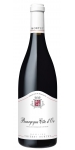
Mortet Bourgogne Cote d'Or Rouge is made from 100 percent Pinot Noir.
A parcel of 90 ares, one part is 20 years old and the other part is 55 years old. Its is called Les Pressonniers, in Gevrey-Chambertin.
Bourgogne Rouge Côte d’Or comes from a plot of Gevrey-Chambertin vines, giving delicate fruit and body, as well as the character and complexity of the Gevrey-Chambertin terro



