
" We don't sell the wine without touching the vine "
| BUY MORE! SAVE MORE! | ||||||||||||||||||||
|
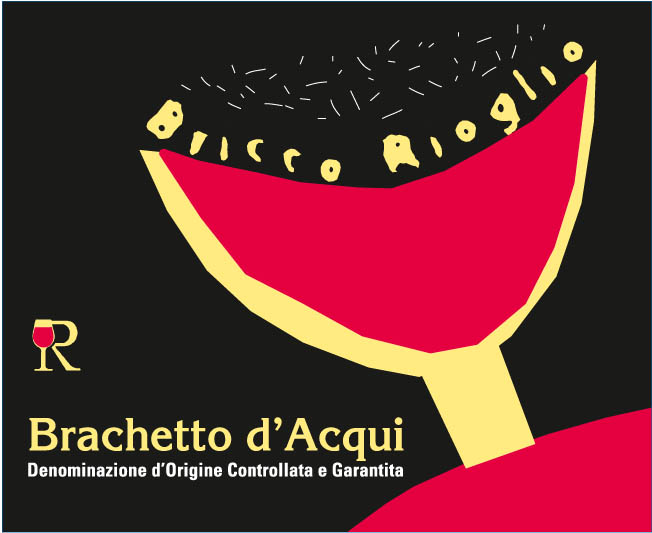
Rinaldi Brachetto d' Acqui is made from 100% Brachetto d'Acqui
The skin gives the wine its particular scent and flavor.
Light ruby red color. The bouquet is musky and delicate with scents of ripe red fruit (strawberry, blackberry) and roses. Sweet and smooth flavors with lingering aromatic persistence. There is a good balance between the sweetness and the freshness, which makes this wine very pleasant.
The training system used is Guyot with a density of 2500-3000 vines per hectare. Manual harvest. Temperature controlled maceration for approximately seven days with mechanic plunging of the cap and pumping over to increase extraction of substances from the skins. This is the most important part of the vinification. Soft pressing.
The Rinaldi Estate
The winery is located on the hills of Alto Monferrato, close to Acqui Terme, in the heart of one of the most precious areas of south Piedmont. The family business was founded in 1961 by Oreste Rinaldi. It is run today by his son Andrea and his daughter Paola. The family has been producing wine for 40 years from their vineyards located on a particularly privileged area with a favorable microclimate and a perfect southwestern exposure
The Rinaldi Vineyard
Currently Rinaldi has 20 hectares of vines (49.6 acres), 19hectares owned, 1 hectares rented. Their single vineyard Bricco Cardogno, planted to Moscato, is a vineyard that measures 2.5 hectares (6.75 acres) and was planted 40 years ago by Andrea Rinaldi’s grandfather. It is located 240- 300 m above sea level. The soil type in this vineyard is limestone (tufa). All grapes are hands harvested with extreme care. Quality starts in the vineyard. The single vineyard Bricco Rioglio is planted with Brachetto grapes, limestone based with 15-year-old vines. (Bricco is a tea cup in local dialect).
Rinaldi Brachetto d' Acqui is made from 100% Brachetto d'Acqui
The skin gives the wine its particular scent and flavor.
Light ruby red color. The bouquet is musky and delicate with scents of ripe red fruit (strawberry, blackberry) and roses. Sweet and smooth flavors with lingering aromatic persistence. There is a good balance between the sweetness and the freshness, which makes this wine very pleasant.
The training system used is Guyot with a density of 2500-3000 vines per hectare. Manual harvest. Temperature controlled maceration for approximately seven days with mechanic plunging of the cap and pumping over to increase extraction of substances from the skins. This is the most important part of the vinification. Soft pressing.
Rinaldi Brachetto d' Acqui is made from 100% Brachetto d'Acqui
The skin gives the wine its particular scent and flavor.
Light ruby red color. The bouquet is musky and delicate with scents of ripe red fruit (strawberry, blackberry) and roses. Sweet and smooth flavors with lingering aromatic persistence. There is a good balance between the sweetness and the freshness, which makes this wine very pleasant.
The training system used is Guyot with a density of 2500-3000 vines per hectare. Manual harvest. Temperature controlled maceration for approximately seven days with mechanic plunging of the cap and pumping over to increase extraction of substances from the skins. This is the most important part of the vinification. Soft pressing.
Rinaldi Brachetto d' Acqui is made from 100% Brachetto d'Acqui
The skin gives the wine its particular scent and flavor.
Light ruby red color. The bouquet is musky and delicate with scents of ripe red fruit (strawberry, blackberry) and roses. Sweet and smooth flavors with lingering aromatic persistence. There is a good balance between the sweetness and the freshness, which makes this wine very pleasant.
The training system used is Guyot with a density of 2500-3000 vines per hectare. Manual harvest. Temperature controlled maceration for approximately seven days with mechanic plunging of the cap and pumping over to increase extraction of substances from the skins. This is the most important part of the vinification. Soft pressing.
Rinaldi Follie Pink is made from 50 % Dolcetto, 45 % Merlot, and 5 % Brachetto.
Fresh, fruity with hints of Strawberry and Cherry.
This is a great wine for Aperitif.
Review:
"Here’s a delightful aperitif wine to brighten your spirits as you prepare dinner or relax on the patio. Flavors of strawberries and raspberries throw a party in your glass and will bring a smile to your face. The blend is dolcetto and merlot, with a little brachetto. - Dave McIntyre"
- Washington Post (May 2020), Exceptional *** - Great Value
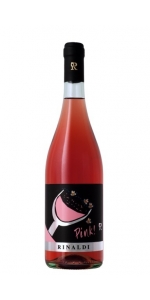
Rinaldi Rose Moscato Pink Bug Juice NV is made from Moscato d'Asti 90%, Brachetto d’Acqui 10%
Alcohol by Volume: 7%
Zone de Production: Ricaldone’s territory on the hills called ‘Bricco Rioglio’ and ‘Valmorana’,and Celle. Average altitude 280 m above sea level, calcareous soil with tufa layers.
Training System: guyot with a cultivation density of about 3000 vines per hectare.
Vinification: manual harvest into crates, usually at the first week of September. Temperature controlled maceration for about 24 hours with mechanic plunging of the cap and pumping over to extract a slight rosé color from the skins. Soft pressing. Settling in steel vats to have a natural clearing of musts. Further temperature and pressure controlled fermentation.
Sensorial Description: this wine, with light rosé color, strikes for its scent of spices and fruits. Its acid freshness suits its sweetness and offers a well balanced wine.
Serving Suggestions: aperitif wine, fruit cakes, fruit salad.Wine for brunch or poolside. To best appreciate this wine serve it fresh.
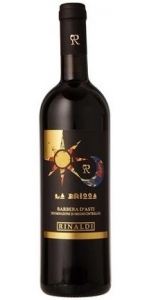
Rinaldi Barbera d' Asti La Bricca is made from 100% Barbera d'Asti.
"Bricca" means the top part of the hill. (see picture of the vineyards)
La Bricca is a deep, ruby-red colored wine with violet hues. The bouquet is vinous and intense with ethereal aromas (typical of the Barbera grape) and scents of ripe fruit and spices. The wine is full-bodied with very pleasant silky tannins. Long and harmonious with a good aging potential.
Enjoy it with meat dishes, rich pasta, risotto and well-aged cheeses. To appreciate the wine at its best, the bottle should be left at least 24 hours at room temperature and opened 1 hour before serving.
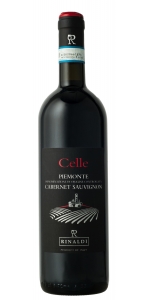
Rinaldi Celle Piemonte Cabernet Sauvignon is made from 100% Cabernet Sauvignon.
Intense red color with purple reflections. The characteristic aroma is pleasant and dominated by notes of blackberry, plum and black currant. A short passage in wood gives it elegance and complexity.
Sokol Blosser Big Tree Block Pinot Noir is made from 100 percent Pinot Noir.
1970 was winding down when our founders, Bill Blosser and Susan Sokol Blosser pulled their ’68 VW Camper up to an abandoned prune orchard some 30 miles southwest of Portland. These moonstruck kids had little farming experience and just a basic knowledge of winemaking. What they did have, in abundance, was a passion for growing the Pinot Noir grape and creating world-class wine. Soon after settling on this extraordinary land, they planted their first vines and cinched their place as pioneers in Oregon’s budding wine industry.
Review:
A very impressive wine for the striking sense of spice, white-pepper and briary, forest notes, across red cherries. The palate has sapid, focused style with such taut yet silky tannins holding long and true. Pure red cherries here. Drink or hold.
-James Suckling 94 Points
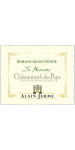
Grand Veneur Chateauneuf du Pape Blanc Le Miocene is made from 60% Clairette, 40% Roussanne
Pale yellow colour with hints of green, aromas of white flowers (may blossom, honeysuckle).
The palate is pleasantly balanced between liveliness and roundness, which brings out characteristics of dried apricot, honey and elderberry. A Châteauneuf du Pape white displaying a great finesse.
Best between 1 and 8 years.
Soil type Coming from the single vineyard named “La Fontaine”, the plot is facing north.It is made of clay-sand and limestone. Thanks to the northern orientation, it is always very well aired. This sector allow the Roussane and Clairette to mature in great conditions without losing freshness, which we believe is key point. Winemaking & ageing Whole-bunch pressing. Vinification in stainless-steel tanks. Fermentation temperature controlled at 15°C.



