
" We don't sell the wine without touching the vine "
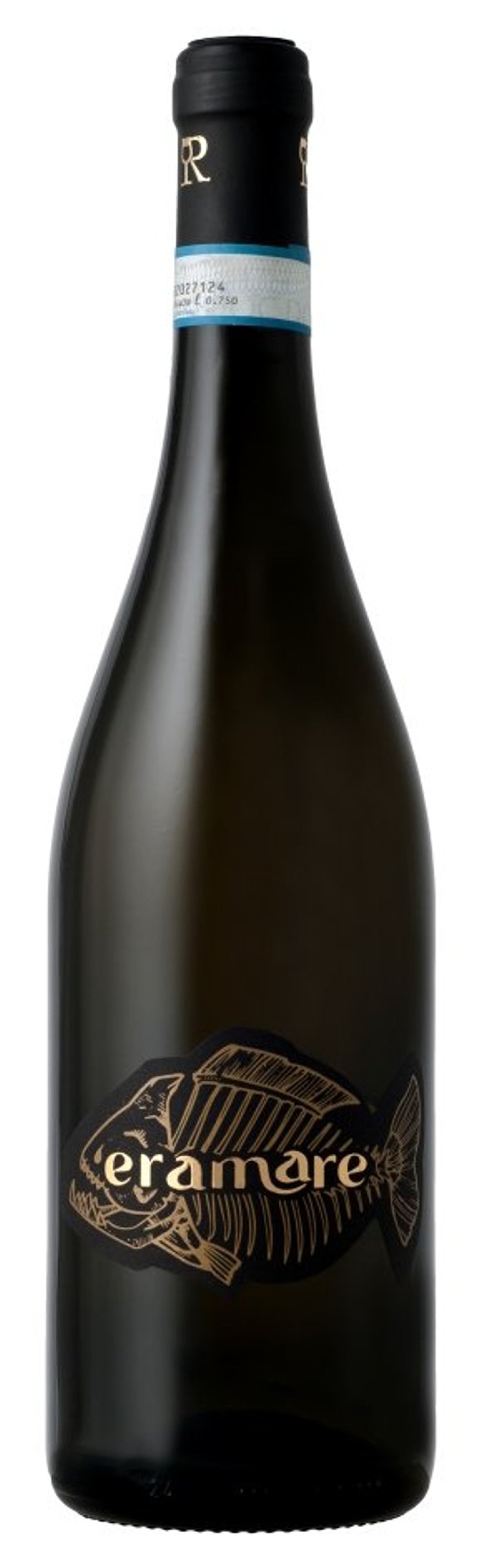

Rinaldi Eramare Piemonte Cortese is 90% Cortese and 10% Sauvignon Blanc.
The Cortese grapes are coming from the Estate's vineyard located at the best exposures between Ricaldone and Maranzana at about 220 meters above sea level.
A salty and tasty white wine; fresh, simple and juicy.
After the alcoholic fermentation the wine refines on yeast for 4 months just to have a better color and taste.
A lot of minerality and notes of grapefruit.
Ideal for an aperitif, or with seafood appetizers, fish first courses, grilled fish, and vegetable pies.

Rinaldi Celle Piemonte Cabernet Sauvignon is made from 100% Cabernet Sauvignon.
Intense red color with purple reflections. The characteristic aroma is pleasant and dominated by notes of blackberry, plum and black currant. A short passage in wood gives it elegance and complexity.

Rinaldi Barbera Appassimento is made from 100% Barbera.
Color: intense ruby red.
Smell: hints of ripe red fruits, cocoa, tobacco and sweet spices.
Taste: it’s complex, velvety and persistent.
Hand harvested. Then the bunches are set on racks to dry for 6 weeks.
20 days of skin contact maceration to extract the color without bringing too much tannins.
No oak, only stainless steel tanks.
It is the ideal companion to red meats, beef stew, brisket and beef ribs and semi-hard cheeses. It is also delicious with a chocolate cake.

Rinaldi Brachetto d' Acqui is made from 100% Brachetto d'Acqui
The skin gives the wine its particular scent and flavor.
Light ruby red color. The bouquet is musky and delicate with scents of ripe red fruit (strawberry, blackberry) and roses. Sweet and smooth flavors with lingering aromatic persistence. There is a good balance between the sweetness and the freshness, which makes this wine very pleasant.
The training system used is Guyot with a density of 2500-3000 vines per hectare. Manual harvest. Temperature controlled maceration for approximately seven days with mechanic plunging of the cap and pumping over to increase extraction of substances from the skins. This is the most important part of the vinification. Soft pressing.

Rinaldi Moscato d'Asti Bug Juice is made from 100 percent Moscato.
Straw-yellow color. The bouquet is delicate and intense with aromas of fruit (apple, peach) and spices (sage). The palate is sweet and smooth with lingering aromatic persistence. A refreshing and pleasant wine, perfect for brunch, picnics or poolside.
The training system used is Guyot with a density of 2500-3000 vines per hectare Manual harvest into crates. Soft pressing. Settling in steel vats to allow natural clearing of musts. Racking, increase in temperature. Temperature and pressure controlled fermentation until bottling.
Dessert, ideal with hazelnut cake. Original with "strong" cheese such as Robiola of Roccaverano and Gorgonzola.

SALE!
Rinaldi Joyful NV is made from 85 % Barbera, 10 % Cortese and 5 % Moscato
Straw yellow color, fruity with hints of apple and mint.
Joyful is a modern sparkling wine made using the method charmat process with the secondary fermentation made in a stainless steel tank.
Zone of production: Ricaldone’s territory on the hills called "Bricco Rioglio" and "Valmorana" and Celle.
Average altitude: 280 m above sea level, calcareous soil with tufa layers.
Training system: guyot with a cultivation density of about 3500 vines per hectare.
Vinification: manual harvest into crates, usually in September. Soft pressing. Settling in steel vats to have a natural clearing of musts. Further temperature and pressure controlled fermentation.
Joyful is great as an aperitif but also pairs very well with seafood.
Review:
"Golden yellow color. Aromas and flavors of hazelnut, cocoa, and vanilla, dried cherry multi grain bread, valencia orange, and over ripe melon with a satiny, bright, effervescent, dry light-to-medium body and a stimulating, medium-length finish with notes of fruit and nut multigrain biscuit with dried red fruits, toasted hazelnut, watermelon rind, and lime zest. Citrus forward and bright with a subtle hint of salinity makes this sparkling completely crushable yet sophisticated enough to bring to dinner."
- Beverage Testing Institute 93 pts - Gold Medal
Rinaldi Eramare Piemonte Cortese is made from 90% Cortese and 10% Sauvignon Blanc.
The Cortese grapes are coming from the Estate's vineyard located at the best exposures between Ricaldone and Maranzana at about 220 meters above sea level.
A salty and tasty white wine (90% cortese 10% sauvignon) fresh simple and juicy.
After the alcoholic fermentation the wine refines on his yeast for 4 months just to have a better color and taste.
A lot of minerality and note of grapefruit.
Ideal for an aperitif, or with seafood appetizers, fish first courses, grilled fish, vegetable pies, mixed Piedmontese appetizers, omelettes.
The Rinaldi Estate
The winery is located on the hills of Alto Monferrato, close to Acqui Terme, in the heart of one of the most precious areas of south Piedmont. The family business was founded in 1961 by Oreste Rinaldi. It is run today by his son Andrea and his daughter Paola. The family has been producing wine for 40 years from their vineyards located on a particularly privileged area with a favorable microclimate and a perfect southwestern exposure
The Rinaldi Vineyard
Currently Rinaldi has 20 hectares of vines (49.6 acres), 19hectares owned, 1 hectares rented. Their single vineyard Bricco Cardogno, planted to Moscato, is a vineyard that measures 2.5 hectares (6.75 acres) and was planted 40 years ago by Andrea Rinaldi’s grandfather. It is located 240- 300 m above sea level. The soil type in this vineyard is limestone (tufa). All grapes are hands harvested with extreme care. Quality starts in the vineyard. The single vineyard Bricco Rioglio is planted with Brachetto grapes, limestone based with 15-year-old vines. (Bricco is a tea cup in local dialect).

Boussey Pommard is made from 100 percent Pinot Noir.
Pommard has been cultivated in the area for several Centuries. The name Pommard comes from Pomone, goddess of the fruits and gardens.
The wine boasts a nice cherry red color. The nose is complex and powerful with predominant notes of fruit (Morello cherry, citrus, fresh fig), forest and spice. In the palate, it is powerful and robust with flavors of cherry and spice with well-integrated tannins. Great balance.
Perfect with beefsteak, furred or feathered game, stewed poultry and cheeses like Epoisses.

Corne Loup Cotes du Rhone Rouge is made from 50% Grenache, 40% Syrah and 10% Mourvedre.
Color: dark red ruby.
Aromas: red berries, truffles and spices.
Flavors: complex and rich. It shows red and black fruits, with an herbal spice type of aromas coming from the surrounding vegetation (Garrigue).
The average age of the vines is 40 years. (The oldest vines are 80 years old). Yield: 40 hl/ha The soil is mainly sandy marl and small pebble stones.
Lamb, duck, turkey, red meat, game and cheese.



